


Menu
 Shedding Light on the Risks
& Benefits of Medications
Shedding Light on the Risks
& Benefits of Medications
Shedding Light on the Risks
& Benefits of Medications How Tirzepatide Affects Your Digestive System
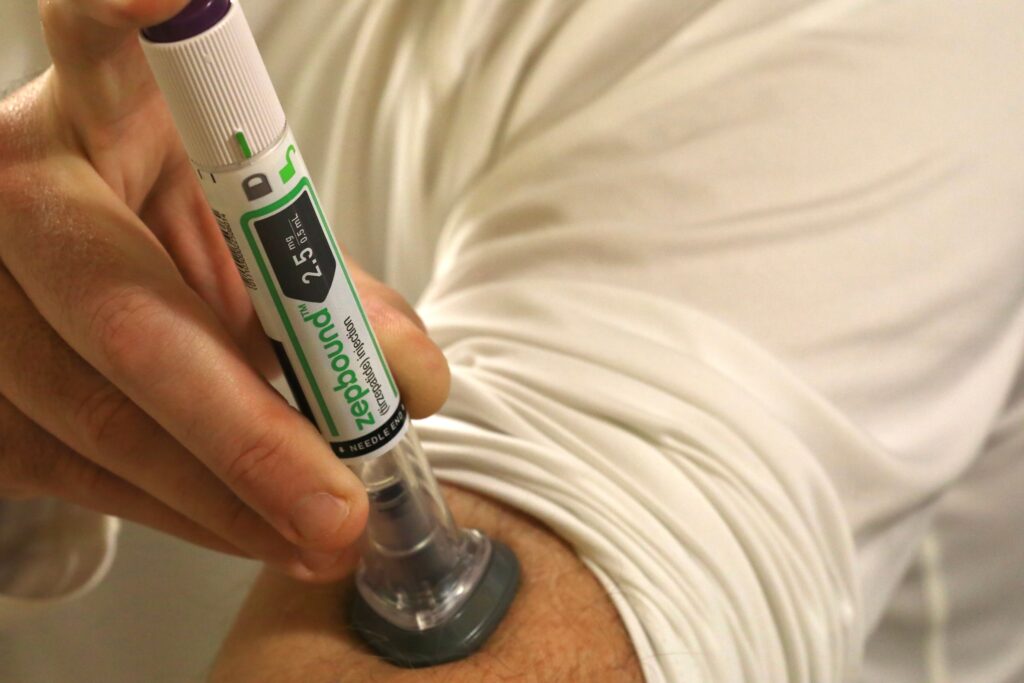
Tirzepatide, used for type 2 diabetes and obesity, can cause digestive side effects from mild nausea to serious risks like gastroparesis and intestinal obstruction
February 12, 2025
0 Comments
republish
Medically Reviewed By: Gina Jansheski, M.D.
Gina Jansheski, M.D., is a pediatrician with 22 years of practice experience. Dr. Jansheski completed her medical education at the University of Arizona College of Medicine, followed by a pediatric residency and a one-year fellowship in Developmental and Behavioral Pediatrics. She served as the medical director of Tucson Pediatric Hospitalists, providing pediatric hospice and palliative care services.
On this page
|
Getting your Trinity Audio player ready... |
Tirzepatide, known by the brand names Mounjaro and Zepbound, is an injectable drug approved by the US Food and Drug Administration (FDA) for the treatment of type 2 diabetes (T2D) and obesity. This medication mimics the action of two digestive hormones, glucagon-like peptide-1 (GLP-1) and glucose-dependent insulinotropic polypeptide (GIP), by binding to their receptors, which helps regulate blood sugar, appetite and digestion.
Despite its purported benefits, tirzepatide has been shown to cause gastrointestinal side effects. Continue reading to learn more about how tirzepatide moves through the digestive system and the potential side effects that may accompany that process.
Tirzepatide’s Impact on the Digestive System
Tirzepatide has notable effects on the actions of the digestive system, stemming from its interaction with the body’s gut hormones and gastrointestinal tract.
Dual Action on Gut Hormones
GIP and GLP-1 are natural hormones that help regulate blood sugar levels, notes Amy Nguyen, PharmD, a weight management pharmacist at Cedars-Sinai. GIP primarily stimulates the pancreas to release insulin and influences fat metabolism. GLP-1 boosts insulin, too, but it also suppresses glucagon (a hormone that helps maintain blood sugar levels), slows digestion, and helps reduce appetite. Together, GIP and GLP-1 play key roles in managing blood sugar.
In individuals with diabetes or obesity, these receptors often do not work effectively. Tirzepatide is designed to bind to both receptor types and give them a boost. This action allows people to feel fuller sooner, eat less, and experience lower blood sugar levels.
This drug is called a dual agonist because it binds to both GIP and GLP-1 receptors, meaning it activates two different receptors in the body simultaneously.
Medications like tirzepatide are formulated with a half-life of five days, helping people feel fuller for nearly a week after the injection of their dose, explains Ethan Lazarus, M.D., an obesity medicine physician in Colorado and past president of the Obesity Medicine Association.
Common Digestive Side Effects of Tirzepatide
Because of tirzepatide’s relationship with the digestive system, Dr. Nguyen says to watch for the following gastrointestinal side effects:
- Nausea and vomiting may result from slower digestion (delayed gastric emptying) and increased fullness, especially when first beginning the medication.
- Constipation may occur due to food’s slower transit time through the digestive system.
- Diarrhea may be experienced due to changes in gut hormones.
- Heartburn can also be caused by delayed gastric emptying.
Rare But Serious Digestive Side Effects of Tirzepatide
Though uncommon, tirzepatide can cause more serious gastrointestinal side effects.
Pancreatitis
A 2023 systematic review across five databases analyzed rates of adverse events associated with tirzepatide. According to the report, less than 1% of individuals taking three doses of tirzepatide experienced acute pancreatitis, which is inflammation of the pancreas. Though it is a rare condition, tirzepatide-related pancreatitis can manifest as severe abdominal pain, fever, nausea, and vomiting. Individuals experiencing those symptoms should stop tirzepatide and seek medical assistance in the emergency department, says Dr. Lazarus.
Gallbladder Disease
Gallbladder inflammation can also occur when taking tirzepatide. However, evidence of this finding is scarce, and more research is required to draw a definitive conclusion.
A 2022 trial published in the New England Journal of Medicine found a more frequent occurrence of gallbladder inflammation in people who took tirzepatide versus those who took a placebo. However, the overall incidence was very low, at 0.6% or below.
Tell Us Your Story
Have you experienced any side effects from GLP-1s you weren’t expecting? Email Jessica@MedShadow.org
“Slower digestion can increase the risk of gallstones,” says Dr. Nguyen. “Symptoms of gallbladder problems may include pain in your upper stomach (abdomen), fever, yellowing of the skin or eyes (jaundice), and clay-colored stools.”
Indeed, some research indicates individuals with type 2 diabetes taking tirzepatide are at greater risk of developing gallbladder or biliary disease. However, more studies are needed to fully determine the association.
Intestinal Obstruction
Since tirzepatide delays gastric emptying and slows digestive movement, individuals taking the drug have an increased risk of intestinal blockages. This side effect also appears to be quite rare.
A 2023 case report outlines one person’s experience with a bowel obstruction of the large intestine while taking tirzepatide shortly after a dose increase. Another 2023 case study spotlights a similar situation, except the patient experienced a small bowel obstruction (SBO) after a recent switch to tirzepatide.
Both case studies only focused on one individual, and further research was recommended in each. Additionally, an earlier study found that patients taking drugs in the same class as tirzepatide had a higher risk of intestinal obstructions compared to those on other glucose-controlling medications.
Individuals taking tirzepatide who experience severe bloating or stomach pain should seek medical attention immediately.
Gastroparesis
Medications that slow gastrointestinal motility can cause symptoms similar to those of gastroparesis. The condition occurs when the stomach empties too slowly into the small intestine, leaving food and liquids in the stomach for longer than normal and resulting in bloating, nausea and stomach pain.
Some anecdotal evidence indicates a possible relationship between drugs like tirzepatide and gastroparesis, but additional studies are necessary to determine if there is a clear association.
Managing Digestive Side Effects of Tirzepatide
Some measures that can be considered to help minimize common side effects of tirzepatide:
- Adjusting doses gradually: Individuals beginning tirzepatide should consider starting at a low dose and increasing it gradually, says Dr. Nguyen. This practice can help the body adjust to the medication and minimize gastrointestinal side effects, she adds.
- Reducing meal size: Eating frequent small meals for the first few days after your first dose might help mitigate side effects, says Dr. Lazarus. He also recommends staying hydrated and eating small portions of plants and proteins. Reducing meal size and focusing on nutrient-dense foods facilitate easier digestion, potentially helping with nausea or stomach discomfort.
- Chewing food well: Chewing food thoroughly helps break it down into smaller pieces that can move through the digestive tract more easily.
- Avoiding high-fat/high-sugar/artificially sweetened/highly processed foods: These foods can worsen symptoms, says Dr. Lazarus.
- Consulting with a healthcare professional: Regular check-ins with a prescriber are critical for individuals beginning any new medication. Always contact your doctor or seek medical attention if you’re experiencing negative side effects after receiving tirzepatide.
Tirzepatide’s Long-Term Effects on Digestion
Tirzepatide can be a lifelong medication for some people, explains Dr. Nguyen, so understanding the long-term impacts of this drug is important. Research to this point has only evaluated the effects of tirzepatide over the course of approximately three years. Given the difference between the relatively short duration of clinical trials for this drug and the longer periods of use recommended by many doctors, individuals taking tirzepatide should work with their prescribers to weigh the risks and benefits involved in the continued use of this medication.

Want to Share Your Story?
If you’ve experienced side effects or medication issues related to this topic, we want to hear from you.
Submit Your Story- Farzam, K., & Patel, P. (2024, February 20). Tirzepatide. StatPearls – NCBI Bookshelf.
- FDA Approves New Medication for Chronic Weight Management. (2023, November 8). FDA.
- De Block, C. E. M., Dirinck, E., Verhaegen, A., & Van Gaal, L. F. (2022). Efficacy and safety of high-dose glucagon-like peptide-1, glucagon-like peptide-1/glucose-dependent insulinotropic peptide, and glucagon-like peptide-1/glucagon receptor agonists in type 2 diabetes. Diabetes, obesity & metabolism, 24(5), 788–805.
- Bull, S. T., Nuffer, W., & Trujillo, J. M. (2022). Tirzepatide: A novel, first-in-class, dual GIP/GLP-1 receptor agonist. Journal of Diabetes and Its Complications, 36(12), 108332.
- Mishra, R., Raj, R., Elshimy, G., et al.. (2023). Adverse Events Related to Tirzepatide. Journal of the Endocrine Society, 7(4), bvad016.
- Jastreboff, A. M., Aronne, L. J., Ahmad, N. N., et al. (2022). Tirzepatide Once Weekly for the Treatment of Obesity. New England Journal of Medicine, 387(3), 205–216.
- Zeng, Q., Xu, J., Mu, X., Shi, Y., Fan, H., & Li, S. (2023). Safety issues of tirzepatide (pancreatitis and gallbladder or biliary disease) in type 2 diabetes and obesity: a systematic review and meta-analysis. Frontiers in endocrinology, 14, 1214334.
- Gordon, A., Dixit, K., Shachi, T., Salonia, J., & Seltzer, E. (2023). A RARE CASE OF a LARGE BOWEL OBSTRUCTION DUE TO TIRZEPATIDE. CHEST Journal, 164(4), A2334–A2335.
- Mathew, A., & Hannoodee, H. (2023). FRI643 Tirzepatide Associated Partial Small bowel obstruction: A case report. Journal of the Endocrine Society, 7(Supplement_1).
- Gudin, B., Ladhari, C., Robin, P., et al. (2020). Incretin-based drugs and intestinal obstruction: A pharmacovigilance study. Therapies, 75(6), 641–647.
- Sodhi, M., Rezaeianzadeh, R., Kezouh, A., & Etminan, M. (2023). Risk of Gastrointestinal Adverse Events Associated With Glucagon-Like Peptide-1 Receptor Agonists for Weight Loss. JAMA, 330(18), 1795.
- Reddivari, A. K. R., & Mehta, P. (2024, February 28). Gastroparesis. StatPearls – NCBI Bookshelf.
- Gastroparesis. (2024, October 27). Yale Medicine.
- Goodman, B. (2023, July 25). They took blockbuster drugs for weight loss and diabetes. Now their stomachs are paralyzed. CNN.
DISCLAIMER: MedShadow provides information and resources related to medications, their effects, and potential side effects. However, it is important to note that we are not a substitute for professional medical advice, diagnosis, or treatment. The content on our site is intended for educational and informational purposes only. Individuals dealing with medical conditions or symptoms should seek guidance from a licensed healthcare professional, such as a physician or pharmacist, who can provide personalized medical advice tailored to their specific circumstances.
While we strive to ensure the accuracy and reliability of the information presented on MedShadow, we cannot guarantee its completeness or suitability for any particular individual’s medical needs. Therefore, we strongly encourage users to consult with qualified healthcare professionals regarding any health-related concerns or decisions. By accessing and using MedShadow, you acknowledge and agree that the information provided on the site is not a substitute for professional medical advice and that you should always consult with a qualified healthcare provider for any medical concerns.
RECOMMENDED:

August 10, 2026
Can I Take A GLP-1 And Adderall?
DONATE:
Help fund our fight for improved medication safety and transparency by supporting our independent journalism.
Give NowWe seek to create a world where there are safer medications for all and where all people are fully informed about their medication benefits and side effects, using our explanatory and investigative journalism to both inform and stimulate public discussion to drive toward solutions.
WEBINARS
Stream our library on demand, including insights on generic drugs and pain management, straight from experts.
WATCH NOW