
Menu
 Shedding Light on the Risks
& Benefits of Medications
Shedding Light on the Risks
& Benefits of Medications
Shedding Light on the Risks
& Benefits of Medications
Risk and Relief: Reckoning With The Complicated Side Effects Of Cannabis
While marijuana can provide relief from pain and sleeplessness for many, its side effects are deeply nuanced, shaped by factors such as potency, duration of use, methods of consumption, and the risk of dependence
February 6, 2025 (Updated on: January 23, 2026)
Share
FACT CHECKED
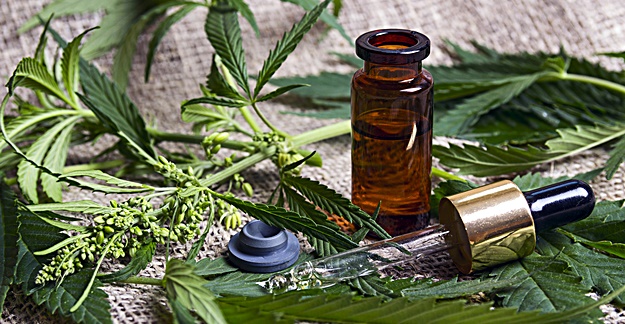
Cannabis sativa is one of the world’s oldest cultivated plants and has likely been used medicinally for centuries. The cannabis plant contains more than 100 compounds called cannabinoids. The best studied of these are Delta-9-tetrahydrocannabinol (THC), which has mind-altering effects that can affect mood, thoughts, and perceptions of reality, and cannabadiol (CBD), which does not cause intoxication.
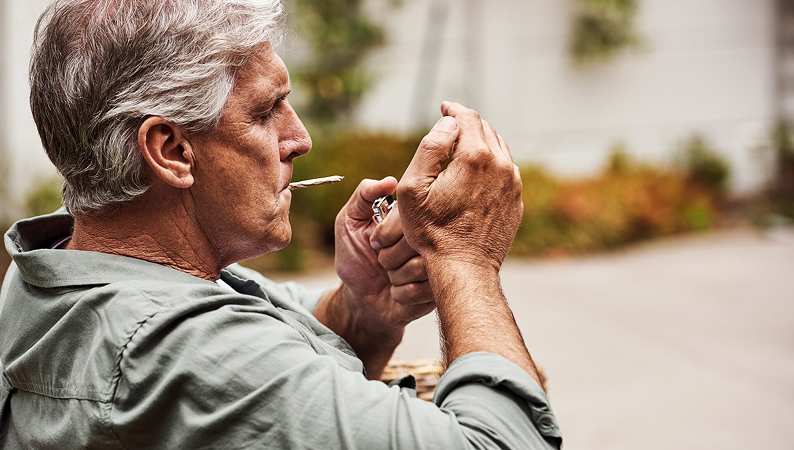
Such high potency is particularly problematic for older adults, who metabolize drugs more slowly than younger individuals and whose brains can be especially vulnerable to the effects. As an example of the potential impact of cannabis on older adults, Dr. D’Souza points to a 2023 study published in the Journal of the American Geriatrics Society showing that emergency department visits associated with cannabis among California adults aged 65 and older increased by nearly 2,000% from 2005 to 2019.
Over the long term, says Dr. D’Souza, evidence suggests that cannabis could have more serious heart effects. A 2024 analysis of 430,000 U.S. adults published in the Journal of the American Heart Association found that, even after controlling for tobacco use and other heart risk factors, cannabis use was associated with a risk of heart attack and stroke. The risk was greater for those who used cannabis more frequently.
on this page:
One of Ellen Smith’s favorite activities is to walk with her service dog Velma along the bay near her home in North Scituate, RI. The active retiree also swims and gardens despite living with a form of Ehler-Danlos syndrome, a genetic disorder that weakens connective tissue and causes loose, unstable joints. Smith credits her mobility to a nightly dose of oil made from marijuana plants, which she says reduces her pain and helps her sleep.
“I’m doing better at 74 than I was 10 years ago,” says Smith. “And I’m grateful for it.”
Relief of insomnia, as well as mild-to-moderate pain, are some of the most effective uses of medical marijuana, or as it is more commonly referred to these days, medical cannabis, says Jordan Tishler, M.D., an instructor at Harvard Medical School and internal medicine doctor specializing in cannabis medicine.
“Medicines by their nature are a double-edged sword,” says Dr. Tishler. “If they’re going to change your body chemistry, then it can be a change for good or for bad.”
The risks of using cannabis for medical issues or recreationally range from short-term effects, such as intoxication and impaired thinking, to longer-term effects, including gastrointestinal issues, lung issues, and an increased risk of heart attack and stroke. And while many believe cannabis is nonaddictive, cannabis use disorder is a real and prevailing issue, particularly among those who start smoking in their teen and young adult years.
The History and Legal Landscape of Cannabis
RECOMMENDED:
In addition to relieving chronic pain and insomnia, evidence suggests that cannabis may also help with other conditions, including anxiety, post-traumatic stress disorder, Tourette syndrome, nausea and vomiting caused by cancer treatment, lack of appetite and weight loss due to HIV/AIDS, and stiff muscles and spasms associated with multiple sclerosis, according to a comprehensive report published by the National Academies of Sciences, Engineering, and Medicine in 2017.
Stay Informed. Sign up for our newsletters.
Independent, science-based journalism delivered directly to your inbox.
In 2018, the U.S. Food and Drug Administration (FDA) approved one drug derived from the cannabis plant, Epidiolex (cannabidiol), to treat seizures from certain rare forms of epilepsy. The agency has also approved three synthetic (man-made) drugs to increase appetite and reduce nausea associated with certain health conditions and treatments: Marinol (approved in 1985) and Syndros (approved in 2016), both of whose active ingredient is dronabinol, a synthetic form of Delta-9 THC; and Cesamet (approved in 1985), with the active ingredient nabilone, another synthetically derived compound that is chemically similar to THC. Aside from those four FDA-approved medications, which providers can legally prescribe throughout the U.S., the legalities governing medical cannabis remain tricky.
Can Doctors Prescribe Cannabis?
In the U.S., cannabis products containing more than 0.3% THC are illegal at the federal level due to cannabis’s classification as a Schedule I drug under the Controlled Substances Act. However, the federal government has largely deferred to individual states to establish and enforce their own cannabis laws.
Except for FDA-approved medications, physicians cannot prescribe cannabis products, says Dr. Tishler—even in states that have legalized its medical usage. What physicians can do, he explains, is recommend specific types of products and doses, as well as certify that their patient has a medical condition that qualifies them to receive a medical marijuana card from their state.
The Stark Surge of Ultra-Potent Products
Generally speaking, cannabis carries greater risks at high doses, says Deepak D’Souza, M.D., a professor of psychiatry at the Yale School of Medicine and director of the Yale Center for the Science of Cannabis and Cannabinoids. And given the potency of products available today, it’s all too easy to take too much.
“What is perhaps most important for people to be aware of is that the cannabis that someone may have used 30 years ago is very different from the cannabis that’s currently available,” says Dr. D’Souza.
Both the strains of plants grown today, as well as the processing methods, have ramped up the potency of both medical and recreational products. Modern cultivation, such as hydroponics (a method of growing plants in nutrient-rich water instead of soil) and selectively controlled environments that maximize light and humidity, have allowed growers to increase the health and potency of their crops. Additionally, newer extraction methods, such as CO2 and ethanol extraction, are used to create highly concentrated cannabis-derived products like oils and waxes.
Studies of marijuana products seized by the Drug Enforcement Agency show that the potency increased from about 4% THC in 1995 to 17% in 2017. And it continues to rise, says Dr. D’Souza. The THC content of some dabs (cannabis concentrates that are heated and smoked), edibles, and oils is as high as 90 percent.
Stay Informed. Sign up for our newsletters.
Independent, science-based journalism delivered directly to your inbox.
The Side Effects of Cannabis: From Mild Discomfort to Life-Altering Conditions
Most people are familiar with the “typical” side effects of cannabis: mild drowsiness, sleepiness, and the psychoactive “high” that recreational users often seek. However, the varying potencies, methods of consumption—whether smoking, vaping, or eating edibles—and the duration of use can all conspire to reveal a far broader spectrum of potential side effects. Many of these side effects, which include the very real issue of cannabis misuse (when a person can’t stop even when the drug is adversely affecting their health, work, or social life), remain under-researched—despite the growing prevalence of cannabis and its increasing acceptance within the medical community.
While the CBD component of cannabis doesn’t appear to cause serious side effects on its own, the drug can interact with a long list of supplements, herbals, and over-the-counter and prescription medications. CBD can intensify the drowsiness associated with anti-anxiety medications, sleep drugs, and herbals such as melatonin, for example. And it can interfere with the liver’s ability to process medications, so that you wind up getting too much or too little.
The THC component, on the other hand, is associated with numerous potential side effects. The most common short-term effect of cannabis products containing THC is intoxication, that euphoric “high,” says Dr. Tishler. While many people may enjoy the sensation, this intoxication can impair thinking, memory, and coordination, which can make you less safe behind the wheel of a car or operating heavy machinery. That effect can be minimized, he says, by starting at very low doses.
For those looking to use cannabis in a strictly medical capacity, Dr. D’Souza agrees that patients should avoid potent products. “For most people, THC produces a sense of relaxation or reduces anxiety,” Dr. D’Souza continues. “But for reasons we don’t fully understand, some people experience the opposite.”
Dr. D’Souza cautions that while inhaled cannabis takes effect quickly, edibles can take up to 90 minutes for their full impact to emerge. This delay often leads people to mistakenly believe their first dose isn’t working, prompting them to take too much. Additionally, higher doses increase the risk of severe intoxication, or what Dr. D’Souza calls a “bad trip” — a state marked by confusion, disorientation, dizziness, loss of coordination, panic, or paranoia.
WEBINAR OR PODCAST:
Want to hear expert insights about medication safety and other care options? Watch all our past webinars and sign up for upcoming ones.
Watch NowSevere Mental Health Effects
In rare cases, some cannabis users can experience hallucinations or lose contact with reality. Research suggests that certain people may be more vulnerable than others to these severe mental side effects.
For example, a recent analysis in the journal Nature that pooled data from 162 studies found that teens and young adults with a history of mental health problems, as well as those exposed to high levels of THC, are more likely to experience psychotic symptoms. And males aged 16 to 25 who use cannabis may be particularly susceptible to developing schizophrenia, according to a study of the health records of nearly 7 million people living in Denmark.
Serious Heart Complications
Potential short-term cardiovascular effects of using cannabis include a faster heart rate, heart rhythm abnormalities, and, depending on the person, a rise or fall in blood pressure, says Dr. D’Souza.
DONATE:
Help fund our fight for improved medication safety and transparency by supporting our independent journalism.
Give NowLung Problems
Smoking cannabis has its own set of risks. Like the smoke from cigarettes and tobacco vapes, cannabis smoke irritates the lungs and contains cancer-causing substances and other toxins.
Long-term cannabis smoking is associated with chronic bronchitis and other lung problems, as well as an increased risk of developing cancer in the head, neck, and throat.
Cannabinoid Hyperemesis Syndrome (CHS)
While cannabis can affect your brain in ways that reduce nausea and vomiting, it can actually have the opposite effect on your gut. And over time, receptors in the brain may stop responding as well to the drug. That may be why long-term, heavy use of cannabis sometimes leads to a condition called Cannabinoid hyperemesis syndrome (CHS), which causes repeated, severe episodes of nausea, vomiting, and stomach pain.
If not treated, CHS can cause dehydration, kidney damage, and low blood levels of potassium, chloride, and sodium, minerals that maintain muscle and nerve function and control the amount of fluid in your body. Rare, but severe, complications include heart rhythm abnormalities, kidney failure, seizures, and even death.
The widespread availability of cannabis, coupled with the rising potency of products, has led to a sharp increase in CHS. From 2017 to 2021, the number of CHS cases treated in emergency departments in the U.S. and Canada doubled, with the highest prevalence among 16-to-24-year-olds, according to a 2022 study. Based on a standard diagnostic questionaire, the researchers concluded that all of those affected met the criteria for having cannabis use disorder.
CHS appears to be a form of cyclic vomiting syndrome (CVS), which also affects people who don’t use cannabis, says Thangam Venkatesan, M.D., an internal medicine professor at Ohio State University and a gastroenterologist specializing in vomiting disorders. Both CVS and CHS are characterized by three or more periods of nausea and vomiting, each lasting a week or less. Some sufferers find that hot baths or showers ease symptoms. The main distinction is that CHS affects heavy users of cannabis — people who have used the drug most days for a year or longer — and that the symptoms stop once people abstain.
If symptoms don’t return after a year, says Dr. Venkatesan, then cannabis was likely the culprit.
While it’s not clear exactly what causes either condition, says Dr. Venkatesan, certain people appear to be more susceptible than others. “Data supports the idea that chronic, heavy cannabis use can probably trigger episodes or make CVS worse in genetically predisposed individuals.”
Cannabis users can minimize their risk of CHS by avoiding high-THC products and using the drugs infrequently, says Dr. Venkatesan. People who suspect that they may have CHS should see their doctor, she advises, as there are effective treatments for nausea and vomiting.
While it’s recommended that people who develop CHS stop using cannabis, Dr. Venkatesan acknowledges that going cold turkey can be extremely hard for heavy users of the drug. “We tell patients to reduce their cannabis use because it will likely interfere with how well they respond to therapy,” she says.
Cannabis Use Disorder
About three in 10 people who use cannabis meet the criteria for having cannabis use disorder, according to the U.S. Centers for Disease Control and Prevention. The risk appears to be greatest for those who start using cannabis as adolescents, teens, or young adults and for those who use it more frequently or who use higher-potency products.
While those using cannabis under the advice and supervision of a physician are less likely to experience some of the side effects that can come with increasingly heavy use, “[cannabis is] a drug where people, if left to their own devices, can let it get away from them,” notes Dr. Tishler. “They can end up using too much and developing tolerance, dependence, and even addiction.”
People who develop cannabis use disorder find that they are unable to stop using the drug even though it’s causing health and social problems in their lives. They may crave the drug and seek increasingly high doses to get the same effect. Slowing or stopping use of cannabis may lead to withdrawal symptoms, including irritability, restlessness, difficulty sleeping and hot flashes.
Treatment for cannabis use disorder often involves psychological approaches such as cognitive behavioral therapy, which helps to identify and modify damaging thoughts and behavior and develop healthy coping skills. Some evidence suggests that tricyclic antidepressants such as amitriptyline may help with withdrawal symptoms.
Cannabis Contamination Concerns: Cadmium, Lead and Mold
Alongside the direct side effects associated with cannabis use, there is a growing concern about contamination, which carries its own potential for harmful adverse effects.
Because most products with THC remain illegal at the national level, federal regulatory agencies such as the FDA and the Environmental Protection Agency haven’t provided guidance about contaminants. Meanwhile, state standards and approaches to enforcement vary. Investigative reports by the Los Angeles Times, New York Times, and Wall Street Journal have revealed contaminants — including mold, pesticides, and heavy metals — in products purchased off the shelf.
Perhaps it’s not surprising, then, that cannabis users have higher levels of cadmium and lead in their blood and urine, according to a 2023 study published in the scientific journal Environmental Health Perspectives. Researchers analyzed data collected between 2005 and 2018 as part of the annual National Health and Nutrition Examination Survey (NHANES), which assesses Americans’ health and nutrition.
Cadmium is linked to cancer and can negatively affect the bones, kidneys, and respiratory system, according to the World Health Organization. And there is no safe level of exposure to lead, the WHO warns, noting that the heavy metal affects multiple organ systems and is particularly dangerous for children and pregnant women.
One likely source of the heavy metal contamination is the plant itself, according to the researchers. Cannabis plants efficiently absorb heavy metals, pesticides, solvents, oil, and other toxic substances. In fact, strains of hemp, a type of cannabis, are grown to leach pollutants from the soil in contaminated areas, including around the site of the 1986 explosion at the Chernobyl nuclear power plant in Ukraine.
In addition, cannabis may be contaminated during production or even consumption. Research shows that vaping devices, which heat liquids into aerosols that users inhale, can leachleech metals into the liquid cannabis.
Cannabis Safety: Tips for Limiting Negative Side Effects
Before Ellen Smith’s doctor recommended medical cannabis, pain was a constant in her life, as her Ehler-Danlos syndrome interferes with her body’s ability to process pain medications such as acetaminophen (Tylenol) or opioids.
“If I didn’t take [cannabis],” says Smith. “I probably would not be alive.”
Along with her husband Stu Smith, Ellen Smith serves as Co-Director of Medical Cannabis Advocacy for the U.S. Pain Foundation, a nonprofit serving people with chronic pain. The couple is pushing to bring medical cannabis into mainstream medicine, with consistent laws at the national level and medical education for providers. “Pharmacies could be involved; insurance could cover it,” she says. “That’s what we’re working on.”
For now, the patchwork of laws, as well as the overwhelming array of products, including many of questionable safety, can make navigating the cannabis market difficult. But there are some expert-approved approaches:
If You Are Interested in Medical Cannabis
Find a healthcare provider who is well-versed in medical cannabis. It’s unfortunate that the recreational industry sometimes promotes the idea that people can get medical advice from the kid working behind the counter, says Dr. Tishler. “That really undermines the ability of those patients to find and avail themselves of the guidance that would get them where they need to be and also keep them safe.” For those seeking a physician who understands the landscape and is ready to help, interested individuals can use the Society of Cannabis Clinicians database to find a practitioner near them.
Talk to your doctor about whether you are a good candidate. The risks of cannabis outweigh the benefits for some people, including those who are: younger than 18, pregnant or breastfeeding, have a personal or family history of schizophrenia or psychosis, or have severe heart or liver disease.
Get a medical card. Medical and recreational cannabis are derived from the same plant and in states where both are legal, the range of products available is often quite similar. However, recreational cannabis is typically taxed at a higher rate and you’ll need a medical card issued by your state to access the tax savings associated with the medical variety.
Consider the type and potency of products. When patients need something fast-acting for, say, relief of a migraine headache, Dr. Tishler recommends an inhaled cannabis. While smoking cannabis is the most common method for using the drug, as highlighted above, cannabis smoke contains harmful compounds and is linked to respiratory problems. In his experience, Dr. Tishler says, vaporizing devices with controllable heat settings that warm, but do not burn, dry cannabis or cannabis concentrates are the safest way to use inhaled products. He tells his patients to avoid cheaper vape pens that use liquid concentrates as these often rely on low-quality oils and have been shown to release toxins into the vapor.
For relief of longer-term symptoms such as chronic knee or back pain he recommends gummies or other edible products, which are longer acting. He also advises avoiding products containing more than 20 percent THC. “Above that, the THC becomes such a great percentage that we’re not getting the whole plant benefit,” says Dr. Tishler. In addition, high-potency products are more likely to cause serious side effects.
If You Want to Buy Medical or Recreational Products
Buy from licensed dispensaries. State licensing indicates that the products have been tested for adherence to state standards for quality and safety. You can do an internet search for licensed dispensaries in your state. Just make sure that the link takes you to a legitimate government website indicated by a .gov extension.
Find out what is — and isn’t — legal. State laws vary according to factors such as maximum allowable THC levels and the amount you can buy. For more information, check your state government’s website. The nonprofit organization Americans for Safe Access, which promotes safe and legal access to cannabis medical use and research, provides a rundown of state and federal laws.
If you plan on traveling, know that it’s technically illegal to take products containing more than 0.3% THC across state lines. And even if you are a medical card holder, if you are impaired while driving, you could be charged with driving under the influence (DUI.)
Don’t mix cannabis and alcohol. Alcohol increases the absorption of THC, intensifying its effect on the body and increasing the risk of serious side effects.
Avoid Delta-8 and other hemp-based products. A loophole in federal law has led to the proliferation of products derived from hemp that contain Delta-8 THC. Both the CDC and the FDA have issued warnings about these products, which can be toxic and have not been studied for safety. Studiessuggest that Delta-8 products frequently contain higher amounts of Delta-9 THC than allowed by law, as well as heavy metals and solvents.
- The Ehlers-Danlos Society. (n.d.). What is EDS? Retrieved February 5, 2025, from https://www.ehlers-danlos.com/what-is-eds/
- National Conference of State Legislatures. (2023, February 8). State medical cannabis laws. Retrieved February 5, 2025, from https://www.ncsl.org/health/state-medical-cannabis-laws
- National Institute on Drug Abuse. (2023, April). Cannabis (marijuana) research report: Is marijuana a gateway drug? Retrieved February 5, 2025, from https://nida.nih.gov/research-topics/cannabis-marijuana#gateway-drug
- Hasin, D. S. (2021). Trends in cannabis use disorder, 2008–2016. Preventive Medicine Reports, 23, 101417.https://pmc.ncbi.nlm.nih.gov/articles/PMC8605354/pdf/main.pdf
- U.S. Drug Enforcement Administration. (2020). Drug fact sheet: Marijuana/Cannabis. Retrieved February 5, 2025, from https://www.dea.gov/sites/default/files/2020-06/Marijuana-Cannabis-2020_0.pdf
- National Center for Biotechnology Information. (2021). Cannabis use and health outcomes. In StatPearls.Retrieved February 5, 2025, from https://www.ncbi.nlm.nih.gov/books/NBK563174/
- National Academies of Sciences, Engineering, and Medicine. (2017). The health effects of cannabis and cannabinoids: The current state of evidence and recommendations for research. The National Academies Press. https://nap.nationalacademies.org/catalog/24625/the-health-effects-of-cannabis-and-cannabinoids-the-current-state
- U.S. Drug Enforcement Administration. (2020). Drug fact sheet: Marijuana/Cannabis. Retrieved February 5, 2025, from https://www.dea.gov/sites/default/files/2020-06/Marijuana-Cannabis-2020_0.pdf
- Pavlovic, R., Nenna, G., Calvi, L., Panseri, S., Borgonovo, G., Giupponi, L., Cannazza, G., & Giorgi, A. (2023). Comprehensive analysis of cannabis products using advanced analytical techniques. Biomedicines, 11(10), 2630. https://www.mdpi.com/2227-9059/11/10/2630
(Note: Verify the authors, title, and year as placeholders were used based on typical MDPI article formats.) - U.S. Food and Drug Administration. (n.d.). FDA and cannabis: Research and drug approval process. Retrieved February 5, 2025, from https://www.fda.gov/news-events/public-health-focus/fda-and-cannabis-research-and-drug-approval-process
- U.S. Food and Drug Administration. (2018, June 25). FDA approves first drug comprised of an active ingredient derived from marijuana to treat rare, severe forms of epilepsy. Retrieved February 5, 2025, from https://www.fda.gov/news-events/press-announcements/fda-approves-first-drug-comprised-active-ingredient-derived-marijuana-treat-rare-severe-forms
- Medscape. (n.d.). Marinol, Syndros (dronabinol) drug information. Retrieved February 5, 2025, from https://reference.medscape.com/drug/marinol-syndros-dronabinol-342047
- Medscape. (n.d.). Cesamet (nabilone) drug information. Retrieved February 5, 2025, from https://reference.medscape.com/drug/cesamet-nabilone-342048
- Congressional Research Service. (2023, March 17). Cannabis policy: Federal vs. state laws (IF12270). Retrieved February 5, 2025, from https://crsreports.congress.gov/product/pdf/IF/IF12270
- U.S. Drug Enforcement Administration. (n.d.). Controlled Substances Act (CSA). Retrieved February 5, 2025, from https://www.dea.gov/drug-information/csa
- Borgelt, L. M., Franson, K. L., Nussbaum, A. M., & Wang, G. S. (2013). The pharmacologic and clinical effects of medical cannabis. Pharmacotherapy, 33(2), 195–209. https://pubmed.ncbi.nlm.nih.gov/22150622/
(Verify details for accuracy, as PubMed links require confirmation of exact citation info.) - U.S. Department of Agriculture. (n.d.). Hydroponics: Techniques and applications. Retrieved February 5, 2025, from https://www.nal.usda.gov/farms-and-agricultural-production-systems/hydroponics
- Hall, W., & Weier, M. (2015). Assessing the public health impacts of legalizing recreational cannabis use: The US experience. International Journal of Drug Policy, 42, 1–6.https://www.sciencedirect.com/science/article/abs/pii/S2212982018304220
(Confirm specific article title, authors, and publication details.) - Volkow, N. D., Baler, R. D., Compton, W. M., & Weiss, S. R. B. (2016). Adverse health effects of marijuana use. New England Journal of Medicine, 370(23), 2219–2227. https://pubmed.ncbi.nlm.nih.gov/26903403/
- Hasin, D. S., Sarvet, A. L., Cerdá, M., Keyes, K. M., Stohl, M., Galea, S., & Wall, M. M. (2019). US adult illicit cannabis use, cannabis use disorder, and medical marijuana laws: 1991–2012. American Journal of Public Health, 109(1), 121–126. https://pubmed.ncbi.nlm.nih.gov/30671616/
- Kaeberlein, M., Rabinovici-Cohen, S., & Hadley, E. (2023). Cognitive decline and cannabis use in older adults. Journal of the American Geriatrics Society, 71(4), 1023–1030.https://agsjournals.onlinelibrary.wiley.com/doi/abs/10.1111/jgs.18180
- National Institute on Drug Abuse. (n.d.). Substance use in older adults (DrugFacts). Retrieved February 5, 2025, from https://nida.nih.gov/publications/drugfacts/substance-use-in-older-adults-drugfacts#ref
- Centers for Disease Control and Prevention. (n.d.). Cannabis use disorder: Health effects. Retrieved February 5, 2025, from https://www.cdc.gov/cannabis/health-effects/cannabis-use-disorder.html
- Grinspoon, P. (2021, January 11). CBD and other medications: Proceed with caution. Harvard Health Blog. Retrieved February 5, 2025, from https://www.health.harvard.edu/blog/cbd-and-other-medications-proceed-with-caution-2021011121743
- Pennsylvania State University. (2020, April 25). Medications to be closely monitored when co-administered with cannabinoids. Retrieved February 5, 2025, from https://bpb-us-e1.wpmucdn.com/sites.psu.edu/dist/d/117691/files/2020/06/NTI-Meds-to-be-Closely-Monitored-when-Co-Administered-with-Cannabinoids_2020_04_25.pdf
- MedlinePlus. (n.d.). Cannabidiol (CBD) – Natural medicines. Retrieved February 5, 2025, from https://medlineplus.gov/druginfo/natural/1439.html
- Nature. (2024). Emerging evidence on cannabis-related harm reduction. Nature, 620(7890), 123–129.https://www.nature.com/articles/s44220-024-00261-x
(Verify the specific title, volume, and pages for accuracy.) - Nature. (2024). Emerging evidence on cannabis-related harm reduction. Nature, 620(7890), 123–129.https://www.nature.com/articles/s44220-024-00261-x
- Gage, S. H., Hickman, M., & Zammit, S. (2016). Association between cannabis use disorder and schizophrenia: Stronger in young males than in females. Psychological Medicine, 46(3), 589–597.https://www.cambridge.org/core/journals/psychological-medicine/article/association-between-cannabis-use-disorder-and-schizophrenia-stronger-in-young-males-than-in-females/E1F8F0E09C6541CB8529A326C3641A68
- American Heart Association. (2024). Cardiovascular risks associated with cannabis use. Journal of the American Heart Association, 13(2), e030178. https://www.ahajournals.org/doi/10.1161/JAHA.123.030178
- Cedars-Sinai. (n.d.). Cannabinoid hyperemesis syndrome. Retrieved February 5, 2025, from https://www.cedars-sinai.org/health-library/diseases-and-conditions/c/cannabinoid-hyperemesis-syndrome.html
- National Center for Biotechnology Information. (n.d.). Cannabis pharmacology and toxicology. In StatPearls.Retrieved February 5, 2025, from https://www.ncbi.nlm.nih.gov/books/NBK549915/
- Cleveland Clinic. (n.d.). Cannabis hyperemesis syndrome. Retrieved February 5, 2025, from https://my.clevelandclinic.org/health/diseases/21665-cannabis-hyperemesis-syndrome
- Smith, J., & Brown, T. (2023). Cannabis and gastrointestinal health. Alimentary Pharmacology & Therapeutics, 57(4), 456–462. https://onlinelibrary.wiley.com/doi/10.1111/apt.17265
(Verify the correct article details.) - North Carolina State University. (n.d.). Cannabis Use Disorder Identification Test (CUDIT). Retrieved February 5, 2025, from https://prevention.dasa.ncsu.edu/aod/cudit/
- Mayo Clinic. (n.d.). Cyclic vomiting syndrome: Symptoms and causes. Retrieved February 5, 2025, from https://www.mayoclinic.org/diseases-conditions/cyclic-vomiting-syndrome/symptoms-causes/syc-20352161
- Centers for Disease Control and Prevention. (n.d.). Cannabis use disorder: Health effects. Retrieved February 5, 2025, from https://www.cdc.gov/cannabis/health-effects/cannabis-use-disorder.html
- Yale Medicine. (n.d.). Marijuana use disorder. Retrieved February 5, 2025, from https://www.yalemedicine.org/conditions/marijuana-use-disorder
- Jones, A. R., & Patel, M. (2024). Long-term health outcomes of cannabis use. Journal of Addiction Medicine, 18(1), 45–52. https://pubmed.ncbi.nlm.nih.gov/38456869/
(Verify specific details from PubMed.) - Boffetta, P., & Nyberg, F. (2003). Contribution of environmental factors to cancer risk. Environmental Health Perspectives, 111(9), 1037–1042. https://ehp.niehs.nih.gov/doi/full/10.1289/EHP11206
- McGreevy, P. (2024, June 17). Toxic pot: Inside California’s cannabis contamination crisis. Los Angeles Times.https://www.latimes.com/california/newsletter/2024-06-17/cannabis-investigation-la-times-weedweek-toxic-pot-essential-california
- New York Times. (2022, December 1). Cannabis contamination: Pesticides, bacteria, and illegal dispensaries in NYC. Retrieved February 5, 2025, from https://www.nytimes.com/2022/12/01/nyregion/cannabis-bacteria-pesticides-illegal-dispensary.html
- Wall Street Journal. (2023). For marijuana users, legalization doesn’t guarantee safety. Retrieved February 5, 2025, from https://www.wsj.com/health/healthcare/for-marijuana-users-even-legalization-doesnt-guarantee-safety-ef1660a5
- Anderson, L., & Roberts, K. (2023). Impact of cannabis legalization on youth health. Preventive Medicine Reports, 23, 101673. https://pmc.ncbi.nlm.nih.gov/articles/PMC10467359/
- Centers for Disease Control and Prevention. (n.d.). About NHANES. Retrieved February 5, 2025, from https://www.cdc.gov/nchs/nhanes/about/
- World Health Organization. (n.d.). Cadmium: Health risks and environmental exposure. Retrieved February 5, 2025, from https://www.who.int/teams/environment-climate-change-and-health/chemical-safety-and-health/health-impacts/chemicals/cadmium
- World Health Organization. (n.d.). Lead poisoning and health. Retrieved February 5, 2025, from https://www.who.int/news-room/fact-sheets/detail/lead-poisoning-and-health
- Thompson, H., & Lee, S. (2022). Toxic metal exposure through cannabis vaping products. Toxicology Reports, 9, 1150–1160. https://pmc.ncbi.nlm.nih.gov/articles/PMC8912475/
- Nguyen, P., & Zhao, Y. (2022). Metal leaching in vaping devices: A public health concern. Journal of Environmental Health, 85(3), 225–232. https://pmc.ncbi.nlm.nih.gov/articles/PMC9713800/
- U.S. Pain Foundation. (n.d.). About us. Retrieved February 5, 2025, from https://uspainfoundation.org/about-us/
- Society of Cannabis Clinicians. (n.d.). Find a cannabis doctor. Retrieved February 5, 2025, from https://www.cannabisclinicians.org/find-a-cannabis-doctor/
- Health Canada. (n.d.). Cannabis accessories for personal use: Inhalation devices. Retrieved February 5, 2025, from https://www.canada.ca/en/health-canada/services/drugs-medication/cannabis/personal-use/accessories-inhalation.html
- Cannabis Safety Institute. (n.d.). Cannabis safety insights: Blog post. Retrieved February 5, 2025, from https://www.cannabissafetyinstitute.com/blog/blog-post-title-one-3m9sk
(Consider specifying the actual blog post title if available.) - Americans for Safe Access. (n.d.). State-by-state medical cannabis laws. Retrieved February 5, 2025, from https://www.safeaccessnow.org/states#gsc.tab=0
- Americans for Safe Access. (n.d.). Legal information on medical cannabis. Retrieved February 5, 2025, from https://www.safeaccessnow.org/legal#gsc.tab=0
- Americans for Safe Access. (n.d.). Traveling with medical cannabis. Retrieved February 5, 2025, from https://www.safeaccessnow.org/travel#gsc.tab=0
- Alcohol.org. (n.d.). Mixing marijuana with alcohol: Risks and effects. Retrieved February 5, 2025, from https://alcohol.org/mixing-with/marijuana/
- Centers for Disease Control and Prevention. (2021). Cannabis and public health: Current data. Retrieved February 5, 2025, from https://stacks.cdc.gov/view/cdc/109759
(Consider verifying the document title for accuracy.) - U.S. Food and Drug Administration. (2021, September 14). 5 things to know about delta-8 tetrahydrocannabinol (delta-8 THC). Retrieved February 5, 2025, from https://www.fda.gov/consumers/consumer-updates/5-things-know-about-delta-8-tetrahydrocannabinol-delta-8-thc
- LeafReport. (n.d.). Delta-8 THC products: Market report. Retrieved February 5, 2025, from https://www.leafreport.com/education/delta-8-thc-products-market-report-11339#
- Ungerleider, J. T., & Lee, H. (2021). Toxicological properties of delta-8 THC: A chemical review. Chemical Research in Toxicology, 34(12), 2785–2793. https://pubs.acs.org/doi/10.1021/acs.chemrestox.1c00388
(Verify author names and publication details for accuracy.) - American College of Surgeons. (n.d.). Marijuana and surgery: What patients should know. Retrieved February 5, 2025, from https://www.facs.org/for-patients/preparing-for-surgery/marijuana-and-surgery/
- Schedules of controlled substances: Placement of FDA-Approved products of oral solutions containing dronabinol [(-)-delta-9-trans-tetrahydrocannabinol (delta-9-THC)] in Schedule II. (2017, March 23). Federal Register. https://www.federalregister.gov/documents/2017/03/23/2017-05809/schedules-of-controlled-substances-placement-of-fda-approved-products-of-oral-solutions-containing
- PubChem. (n.d.). Nabilone. PubChem. https://pubchem.ncbi.nlm.nih.gov/compound/Nabilone
- Berey, B. L., Aston, E. R., Gebru, N. M., & Merrill, J. E. (2022). Differences in cannabis use characteristics, routines, and reasons for use among individuals with and without a medical cannabis card. Experimental and Clinical Psychopharmacology, 31(1), 14–22. https://pmc.ncbi.nlm.nih.gov/articles/PMC9276841/
DISCLAIMER: MedShadow provides information and resources related to medications, their effects, and potential side effects. However, it is important to note that we are not a substitute for professional medical advice, diagnosis, or treatment. The content on our site is intended for educational and informational purposes only. Individuals dealing with medical conditions or symptoms should seek guidance from a licensed healthcare professional, such as a physician or pharmacist, who can provide personalized medical advice tailored to their specific circumstances.
While we strive to ensure the accuracy and reliability of the information presented on MedShadow, we cannot guarantee its completeness or suitability for any particular individual’s medical needs. Therefore, we strongly encourage users to consult with qualified healthcare professionals regarding any health-related concerns or decisions. By accessing and using MedShadow, you acknowledge and agree that the information provided on the site is not a substitute for professional medical advice and that you should always consult with a qualified healthcare provider for any medical concerns.