

Menu
 Shedding Light on the Risks
& Benefits of Medications
Shedding Light on the Risks
& Benefits of Medications
Shedding Light on the Risks
& Benefits of Medications
Can I Take Pepto-Bismol with Metformin?
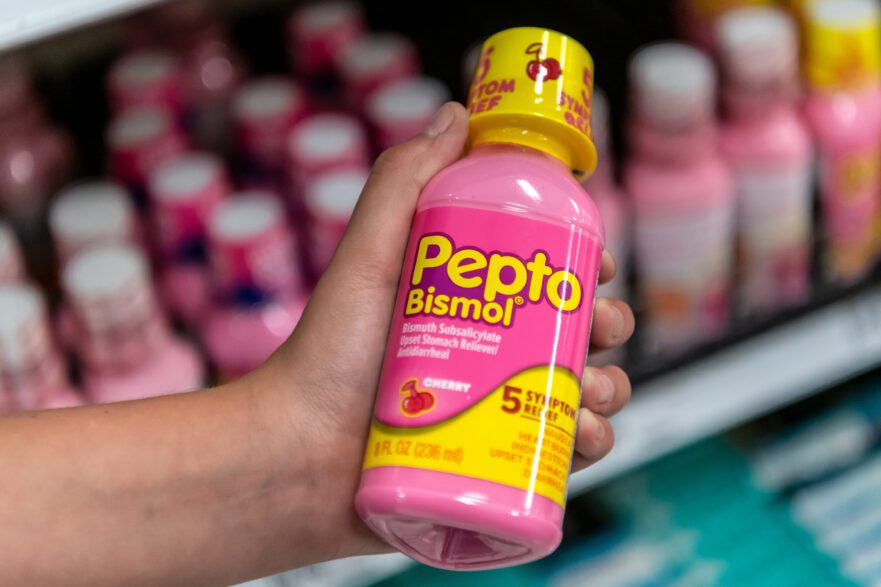
Combining Pepto-Bismol and metformin can cause side effects like blood sugar swings, but without solid research, the actual risks remain unclear
April 1, 2025 (Updated on: December 12, 2025)
0 Comments
Share
on this page:
If you experience occasional indigestion, heartburn or upset stomach, chances are you have a bright pink bottle of Pepto-Bismol (bismuth subsalicylate) handy. However, individuals taking metformin to help regulate their blood sugar should speak with a doctor before adding Pepto-Bismol since the combination might result in adverse effects.
Pepto-Bismol and Metformin Interactions: Blood Sugar Fluctuations and Diarrhea
Pepto-Bismol, an over-the-counter antidiarrheal, binds to cells in the lower portion of the esophagus and part of the stomach lining. The protective coating it forms lessens any irritation from stomach acid and may help reduce stomach acid overall. Pepto-Bismol also kills or inhibits the growth of bacteria that can cause diarrhea. Potential side effects of this medication include confusion, dizziness, diarrhea, abdominal pain and black stools.
Metformin, a prescription-based medication, is often prescribed for individuals with high blood sugar caused by type 2 diabetes or gestational diabetes. The drug works by lowering blood sugar through reduced glucose production in the liver and improved insulin sensitivity.
Side effects of metformin can include nausea, vomiting, diarrhea and loss of appetite.
Since both Pepto-Bismol and metformin can loosen bowel movements and result in diarrhea, taking them together might compound that side effect, says Jonathan Jennings, M.D., board-certified internist with Medical Offices of Manhattan.
Additionally, when Pepto-Bismol binds to cells in the stomach, it can potentially impact metformin absorption, says Olga Aroniadis, M.D., chief of gastroenterology and hepatology at Stony Brook Medicine in New York.
“Because the coating can act like a physical barrier, it may potentially reduce contact between metformin and the gastric luminal wall [inner stomach lining],” notes Dr. Aroniadis. She goes on to explain that acidic environments can also affect metformin absorption into the bloodstream. It’s possible for Pepto-Bismol to interfere with absorption due to its impact on the stomach’s acidity.
If metformin isn’t properly absorbed, blood sugar fluctuations are more likely to occur, says Dr. Aroniadis.
While Pepto-Bismol’s drug label does note that individuals prescribed medications for diabetes should consult a physician before taking it, there are no well-documented studies indicating a direct interaction. If you’ve been prescribed metformin, it’s a good idea to talk to your doctor before reaching for that bright pink bottle.
Safer Alternatives to Pepto-Bismol
Some natural alternatives that might help alleviate an occasional mild sour stomach include ginger, peppermint, and chamomile tea.
A bland diet can be followed temporarily to help reduce irritation, adds Dr. Aroniadis.
Tums, an antacid made of calcium carbonate, may offer relief as well. And other antacid medications like Pepcid AC (famotidine) and Prilosec OTC (omeprazole) can be used for short periods to address related symptoms.
Dr. Aroniadis emphasizes that the real concern with using stomach aids, whether natural or over-the-counter, arises when they are used continuously. Persistent gastrointestinal issues may indicate an underlying condition that requires attention. If your stomach discomfort or other intestinal symptoms last more than a day or two, it’s important to talk with your doctor.
- Bismuth Subsalicylate: MedlinePlus Drug Information. (n.d.).
- Metformin: MedlinePlus Drug Information. (n.d.).
- Brum, J. M., Gibb, R. D., Ramsey, D. L., Balan, G., & Yacyshyn, B. R. (2020). Systematic Review and Meta-Analyses Assessment of the Clinical Efficacy of Bismuth Subsalicylate for Prevention and Treatment of Infectious Diarrhea. Digestive Diseases and Sciences, 66(7), 2323–2335.
- Budisak P, Patel P, Abbas M. Bismuth Subsalicylate. [Updated 2024 Apr 21]. In: StatPearls [Internet]. Treasure Island (FL): StatPearls Publishing; January 2024.
- Type 2 Diabetes. (2024, September 12). National Institute of Diabetes and Digestive and Kidney Diseases.
- Tripathi R, Tyagi S, Goel V. Metformin in gestational diabetes mellitus. Indian J Med Res. 2017 May;145(5):588-591.
- Side effects of metformin. (2024, August 23). nhs.uk.
- Keeton, W. T., Hightower, N. C., Sircus, W., & Dworken, H. J. (2024, October 25). Human digestive system | Description, Parts, & Functions. Encyclopedia Britannica.
- DailyMed – PEPTO-BISMOL- bismuth subsalicylate tablet. (n.d.).
- DailyMed – TUMS- calcium carbonate tablet. (n.d.).
- 4 home remedies for an upset stomach (plus 6 things to avoid) | University Health Center | Nebraska. (n.d.).
- Pepcid AC, Zantac 360 (famotidine) dosing, indications, interactions, adverse effects, and more. (n.d.)
- Omeprazole: MedlinePlus drug information. (n.d.).
- Suri, C., Pande, B., Sahu, T., Sahithi, L. S., & Verma, H. K. (2024). Revolutionizing Gastrointestinal Disorder Management: Cutting-Edge Advances and Future Prospects. Journal of Clinical Medicine, 13(13), 3977
DISCLAIMER: MedShadow provides information and resources related to medications, their effects, and potential side effects. However, it is important to note that we are not a substitute for professional medical advice, diagnosis, or treatment. The content on our site is intended for educational and informational purposes only. Individuals dealing with medical conditions or symptoms should seek guidance from a licensed healthcare professional, such as a physician or pharmacist, who can provide personalized medical advice tailored to their specific circumstances.
While we strive to ensure the accuracy and reliability of the information presented on MedShadow, we cannot guarantee its completeness or suitability for any particular individual’s medical needs. Therefore, we strongly encourage users to consult with qualified healthcare professionals regarding any health-related concerns or decisions. By accessing and using MedShadow, you acknowledge and agree that the information provided on the site is not a substitute for professional medical advice and that you should always consult with a qualified healthcare provider for any medical concerns.
on this page:
RECOMMENDED:

DONATE:
Help fund our fight for improved medication safety and transparency by supporting our independent journalism.
Give NowStay Informed. Sign up for our newsletters.
Independent, science-based journalism delivered directly to your inbox.
About Our Advocacy:
We seek to create a world where there are safer medications for all and where all people are fully informed about their medication benefits and side effects, using our explanatory and investigative journalism to both inform and stimulate public discussion to drive toward solutions.
WEBINARS
Want to hear expert insights about medication safety and other care options? Watch all our past webinars and sign up for upcoming ones.
WATCH Now