

Menu
 Shedding Light on the Risks
& Benefits of Medications
Shedding Light on the Risks
& Benefits of Medications
Shedding Light on the Risks
& Benefits of Medications
How Semaglutide Affects Your Digestive System

From delayed gastric emptying to gastroparesis, experts explain how this popular medication affects the gut and its side effects
January 13, 2025
0 Comments
republish
Medically Reviewed By: Gina Jansheski, M.D.
Gina Jansheski, M.D., is a pediatrician with 22 years of practice experience. Dr. Jansheski completed her medical education at the University of Arizona College of Medicine, followed by a pediatric residency and a one-year fellowship in Developmental and Behavioral Pediatrics. She served as the medical director of Tucson Pediatric Hospitalists, providing pediatric hospice and palliative care services.
on this page:
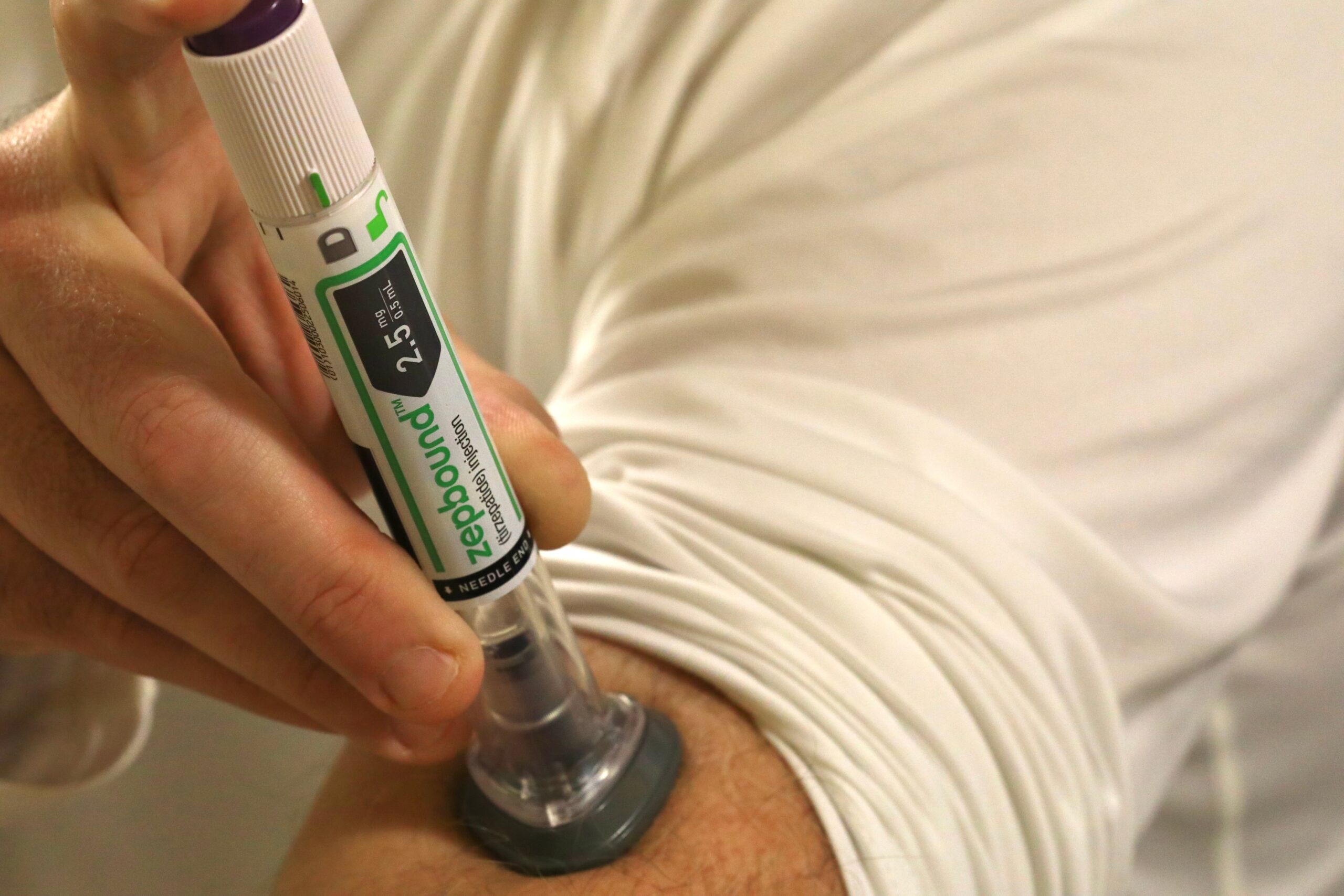
Semaglutide, a drug marketed under the brand names Ozempic, Rybelsus and Wegovy, is a glucagon-like peptide-1 (GLP-1) receptor agonist primarily used in the treatment of type 2 diabetes and obesity.
“Semaglutide is a medication that helps to lower blood sugar,” which can lead to weight loss, explains Shiara Ortiz-Pujols, M.D., an obesity medicine physician at Northwell Staten Island University Hospital.
While research has shown that semaglutide helps to improve hemoglobin A1c levels (a marker for blood sugar control) and stabilize weight in people with type 2 diabetes, the drug has also been associated with certain gastrointestinal side effects. Therefore, it’s crucial for people on semaglutide therapy to understand its impact on digestion and make informed decisions related to their care.
Semaglutide’s Impact on the Digestive System
Dr. Ortiz-Pujols explains that semaglutide works by binding to GLP-1 receptors. This triggers the release of insulin, a hormone that helps lower blood sugar levels. Additionally, it reduces the release of glucagon, a hormone that raises blood sugar levels. Together, these actions help prevent spikes in blood sugar. The drug also slows down digestion, keeping you full longer and reducing appetite.
These actions of semaglutide have been shown to offer several benefits, including
- Improved blood sugar control
- Prolonged feeling of fullness (satiety)
- Support for weight loss
- Reduced inflammation in people with diabetes
Common Digestive Side Effects of Semaglutide
Semaglutide can cause adverse gastrointestinal effects. Researchers are still studying the exact mechanisms behind this, but they believe these side effects may be due to two factors:
- Delayed gastric emptying: Semaglutide slows down the movement of food from the stomach into the intestines.
- Altered gut-brain signals: Semaglutide may change the way the gut and brain communicate, impacting appetite, nausea, and feelings of fullness.
One small 2022 study looking at 175 individuals on injectable semaglutide reported almost half of the participants experienced adverse gastrointestinal side effects, with the most common being nausea and vomiting. However, only five people stopped the medication due to their symptoms.
Other common digestive side effects of semaglutide include:
- Diarrhea: Loose stools may result from Semaglutide’s ability to delay gastric emptying, which can disrupt nutrient absorption in the digestive tract.
- Constipation: Delayed gastric emptying can also cause food to remain in the digestive system longer, leading to increased fluid absorption and resulting in harder stools.
- Bloating and Indigestion: Delayed gastric emptying can lead to bloating and feelings of fullness, sometimes causing discomfort or indigestion.
Studies comparing different doses and formulations have shown that more gastrointestinal side effects are experienced in the first few weeks of treatment. This can be seen with higher doses and when the usual dose is increased.
Rare But Serious Digestive Side Effects of Semaglutide
More serious side effects associated with semaglutide include the following:
- Pancreatitis, which is an inflammation of the pancreas that can cause swelling and pain
- Gallbladder disease, such as gallstones and gallbladder inflammation
- Intestinal obstruction, likely caused by slowing digestion, creating potential blockages of food and stool in the intestinal tract
While concerning, these side effects are rare, according to Andy Lee, M.D., a cardiovascular disease specialist at UCI Health in California, who explains that these conditions are often “associated with existing gallbladder or pancreatic disease, or competing medical issues like high triglycerides and alcohol intake.”
“If a patient is at risk for gallstones or pancreatitis prior to starting semaglutide, I recommend caution, more frequent monitoring, and assessments to ensure tolerability, especially when the medication is being prescribed for obesity,” continues Dr. Lee. “The risks need to be weighed carefully, and alternative treatments such as bariatric surgery should be discussed.”
Gastroparesis, A Rare Side Effect Gaining Attention
Gastroparesis is another potentially serious side effect of semaglutide. A condition that causes delayed gastric emptying to the point of discomfort in the upper abdominal area, gastroparesis can cause bloating, nausea and the feeling of becoming full too quickly. These effects can occur due to semaglutide’s slowing impact on the movement of food through the digestive tract. And, while this particular side effect also appears rare, an association is being established in studies of patients taking GLP-1 receptor agonists.
People who have diabetes are more likely to develop this condition, which may also cause dehydration due to vomiting, fluctuating blood glucose levels, and a lower-than-intended calorie intake that can lead to malnutrition from poor nutrient absorption.
Managing Digestive Side Effects of Semaglutide
To help people avoid or limit the digestive side effects of semaglutide, a prescribing doctor will typically start with the lowest dose possible and increase it over months to make sure the medication is being tolerated, explains Dr. Lee. “It is also recommended to limit portion sizes and avoid triggering foods (such as those that are fatty or spicy) and carbonated beverages,” continues Dr. Lee.
The following are more recommendations to help prevent or manage side effects of semaglutide:
- Eat slowly and chew food thoroughly
- Avoid lying down directly after eating
- Stop eating when full
- Eat smaller meals more frequently
- Avoid drinking beverages through a straw
- Refrain from eating too close to bedtime
As with any medication, it’s important to check in regularly with your prescriber to discuss any side effects that have become bothersome.
Dr. Ortiz-Pujols says people using semaglutide “need close monitoring by a multidisciplinary team that consists of physicians, nurses and registered dieticians.”
What Happens When You Stop Taking Semaglutide?
A crucial question for those taking semaglutide is what happens once they stop using it. “It is now well established that when semaglutide is used to treat obesity, stopping the medication will lead to weight gain, usually back to the pretreat weight, so the effects of semaglutide are not everlasting,” notes Dr. Lee.
A study exploring changes in weight loss or gain after a year of discontinuing semaglutide found that participants regained an average of two-thirds of the weight they’d lost, indicating that for some, continuous use may be necessary to maintain weight loss as appetite often returns after stopping the medication.
Semaglutide’s Long-Term Effects on Digestion
Because extended studies of semaglutide have not yet been done, the potential long-term risks of this medication are currently unknown.
“Without longitudinal data, of course, it is hard to speculate on the possibility of long-term serious side effects,” says Kaushik Govindaraju, DO, a Manhattan-based internal medicine physician who believes most patients shouldn’t rely on these drugs for sustaining weight loss over an extended period. “In my opinion, the goal should be to use the medication as a jumping point to develop good habits while using the medication to reverse the risk factors of obesity, prediabetes, HLD [hyperlipidemia], etc.,” he says.
“Much like any surgery has its risks, these medications also have theirs,” notes Dr. Govindaraju. “I believe in weighing risks and benefits, which is a very personal choice.”
- Kommu, S., & Whitfield, P. (2024). Semaglutide. In StatPearls [Internet]. Treasure Island, FL: StatPearls Publishing. Updated February 11, 2024.
- U.S. Food and Drug Administration. (2024). Ozempic: Prescribing Information.
- U.S. Food and Drug Administration. (2024). Rybelsus: Prescribing Information.
- U.S. Food and Drug Administration. (2023). Wegovy: Prescribing Information.
- Pratley, R. E., Aroda, V. R., Lingvay, I., et al. (2017). Efficacy and safety of once-weekly semaglutide monotherapy versus placebo in patients with type 2 diabetes (SUSTAIN 1): a double-blind, randomised, placebo-controlled, parallel-group, multinational, multicentre phase 3a trial. The Lancet Diabetes & Endocrinology, 5(4), 251-260.
- Yaribeygi, H., Maleki, M., Jamialahmadi, T., & Sahebkar, A. (2024). Anti-inflammatory benefits of semaglutide: State of the art. Journal of Clinical & Translational Endocrinology, 36, 100340.
- Zhang, H., Zhang, T., Gao, X., & Zhang, Y. (2024). Comparative analysis of semaglutide induced adverse reactions: Insights from FAERS database and social media reviews with a focus on oral vs subcutaneous administration. Diabetes Research and Clinical Practice, 190, 109991.
- Wilding, J. P. H., Batterham, R. L., Calanna, S., et al.. (2022). Weight loss outcomes associated with semaglutide treatment for patients with overweight or obesity: a randomized clinical trial. JAMA, 327(11), 1103-1113.
- Rubino, D., Abrahamsson, N., Davies, M., et al. (2021). Gastrointestinal tolerability of once‐weekly semaglutide 2.4 mg in adults with overweight or obesity, and the relationship between gastrointestinal adverse events and weight loss. Diabetes, Obesity and Metabolism, 23(6), 1231-1241.
- Smits, M. M., & Van Raalte, D. H. (2021). Safety of semaglutide. Frontiers in Endocrinology, 12, 645563.
- MedlinePlus. (n.d.). Pancreatitis.
- Chaudhry, A., Gabriel, B., Noor, J., Jawad, S., & Challa, S. R. (2024). Tendency of semaglutide to induce gastroparesis: A case report. Cureus, 16(1), e52564.
- Kanoski, S. E., & Grill, H. J. (2024). Glucagonlike peptide-1 receptor agonists: The good, the bad, and the ugly—Benefits for glucose control and weight loss with side effects of delaying gastric emptying. Gastroenterology, 166(1), 15-17.
- National Institute of Diabetes and Digestive and Kidney Diseases. (n.d.). Definition & Facts for Gastroparesis.
- Gorgojo-Martínez, J. J., Mezquita-Raya, P., Carretero-Gómez, J., & Castro, A. (2022). Clinical recommendations to manage gastrointestinal adverse events in patients treated with GLP-1 receptor agonists: A multidisciplinary expert consensus. Journal of Clinical Medicine, 12(1), 145.
DISCLAIMER: MedShadow provides information and resources related to medications, their effects, and potential side effects. However, it is important to note that we are not a substitute for professional medical advice, diagnosis, or treatment. The content on our site is intended for educational and informational purposes only. Individuals dealing with medical conditions or symptoms should seek guidance from a licensed healthcare professional, such as a physician or pharmacist, who can provide personalized medical advice tailored to their specific circumstances.
While we strive to ensure the accuracy and reliability of the information presented on MedShadow, we cannot guarantee its completeness or suitability for any particular individual’s medical needs. Therefore, we strongly encourage users to consult with qualified healthcare professionals regarding any health-related concerns or decisions. By accessing and using MedShadow, you acknowledge and agree that the information provided on the site is not a substitute for professional medical advice and that you should always consult with a qualified healthcare provider for any medical concerns.
on this page:
RECOMMENDED:

DONATE:
Help fund our fight for improved medication safety and transparency by supporting our independent journalism.
Give NowStay Informed. Sign up for our newsletters.
Independent, science-based journalism delivered directly to your inbox.
We seek to create a world where there are safer medications for all and where all people are fully informed about their medication benefits and side effects, using our explanatory and investigative journalism to both inform and stimulate public discussion to drive toward solutions.
WEBINARS
Learn about your medications and treatment options straight from independent experts.
WATCH
Article HTML
                    <!-- wp:paragraph -->
<p><a href="https://www.ncbi.nlm.nih.gov/books/NBK603723/" target="_blank" rel="noreferrer noopener">S</a><a href="https://www.ncbi.nlm.nih.gov/books/NBK603723/" target="_blank" rel="noreferrer noopener">emaglutide</a>, a drug marketed under the brand names <a href="https://www.accessdata.fda.gov/drugsatfda_docs/label/2023/209637s020s021lbl.pdf" target="_blank" rel="noreferrer noopener">Ozempic</a>, <a href="https://www.accessdata.fda.gov/drugsatfda_docs/label/2019/213051s000lbl.pdf" target="_blank" rel="noreferrer noopener">Rybelsus</a> and <a href="https://www.accessdata.fda.gov/drugsatfda_docs/label/2023/215256s007lbl.pdf" target="_blank" rel="noreferrer noopener">Wegovy</a>, is a glucagon-like peptide-1 (GLP-1) receptor agonist primarily used in the treatment of type 2 diabetes and obesity.</p>
<!-- /wp:paragraph -->

<!-- wp:paragraph -->
<p>“Semaglutide is a medication that helps to lower blood sugar,” which can lead to weight loss, explains <a href="https://www.northwell.edu/find-care/find-a-doctor/dr-shiara-melissa-ortiz-pujols-md-mph-11521446" target="_blank" rel="noreferrer noopener">Shiara Ortiz-Pujols, M.D</a>., an obesity medicine physician at Northwell Staten Island University Hospital.</p>
<!-- /wp:paragraph -->

<!-- wp:paragraph -->
<p>While <a href="https://pubmed.ncbi.nlm.nih.gov/28110911/" target="_blank" rel="noreferrer noopener">research</a> has shown that semaglutide helps to improve hemoglobin A1c levels (a marker for blood sugar control) and stabilize weight in people with type 2 diabetes, the drug has also been associated with certain gastrointestinal side effects. Therefore, it’s crucial for people on semaglutide therapy to understand its impact on digestion and make informed decisions related to their care.</p>
<!-- /wp:paragraph -->

<!-- wp:heading -->
<h2 class="wp-block-heading" id="h.8dunze5jison">Semaglutide’s Impact on the Digestive System</h2>
<!-- /wp:heading -->

<!-- wp:paragraph -->
<p>Dr. Ortiz-Pujols explains that <a href="https://www.ncbi.nlm.nih.gov/books/NBK603723/" target="_blank" rel="noreferrer noopener">semaglutide works</a> by binding to GLP-1 receptors. This triggers the release of insulin, a hormone that helps lower blood sugar levels. Additionally, it reduces the release of glucagon, a hormone that raises blood sugar levels. Together, these actions help prevent spikes in blood sugar. The drug also slows down digestion, keeping you full longer and reducing appetite.</p>
<!-- /wp:paragraph -->

<!-- wp:paragraph -->
<p>These actions of semaglutide have been shown to offer several benefits, including</p>
<!-- /wp:paragraph -->

<!-- wp:list -->
<ul class="wp-block-list"><!-- wp:list-item -->
<li>Improved blood sugar control</li>
<!-- /wp:list-item -->

<!-- wp:list-item -->
<li>Prolonged feeling of fullness (satiety)</li>
<!-- /wp:list-item -->

<!-- wp:list-item -->
<li>Support for weight loss</li>
<!-- /wp:list-item -->

<!-- wp:list-item -->
<li><a href="https://pmc.ncbi.nlm.nih.gov/articles/PMC10992717/" target="_blank" rel="noreferrer noopener">Reduced inflammation</a> in people with diabetes</li>
<!-- /wp:list-item --></ul>
<!-- /wp:list -->

<!-- wp:heading -->
<h2 class="wp-block-heading" id="h.mnvrrpcyakr4">Common Digestive Side Effects of Semaglutide</h2>
<!-- /wp:heading -->

<!-- wp:paragraph -->
<p>Semaglutide can cause adverse <a href="https://pmc.ncbi.nlm.nih.gov/articles/PMC11534668/" target="_blank" rel="noreferrer noopener">gastrointestinal effects</a>. Researchers are still studying the exact mechanisms behind this, but they believe these side effects may be due to two factors:</p>
<!-- /wp:paragraph -->

<!-- wp:list -->
<ul class="wp-block-list"><!-- wp:list-item -->
<li>Delayed gastric emptying: Semaglutide slows down the movement of food from the stomach into the intestines.</li>
<!-- /wp:list-item -->

<!-- wp:list-item -->
<li>Altered gut-brain signals: Semaglutide may change the way the gut and brain communicate, impacting appetite, nausea, and feelings of fullness.</li>
<!-- /wp:list-item --></ul>
<!-- /wp:list -->

<!-- wp:paragraph -->
<p>One <a href="https://pmc.ncbi.nlm.nih.gov/articles/PMC9486455/" target="_blank" rel="noreferrer noopener">small 2022 study</a> looking at 175 individuals on injectable semaglutide reported almost half of the participants experienced adverse gastrointestinal side effects, with the most common being nausea and vomiting. However, only five people stopped the medication due to their symptoms.</p>
<!-- /wp:paragraph -->

<!-- wp:paragraph -->
<p>Other common <a href="https://pmc.ncbi.nlm.nih.gov/articles/PMC9293236/" target="_blank" rel="noreferrer noopener">digestive side effects</a> of semaglutide include:</p>
<!-- /wp:paragraph -->

<!-- wp:list -->
<ul class="wp-block-list"><!-- wp:list-item -->
<li>Diarrhea: Loose stools may result from Semaglutide’s ability to delay gastric emptying, which can disrupt nutrient absorption in the digestive tract.</li>
<!-- /wp:list-item -->

<!-- wp:list-item -->
<li>Constipation: Delayed gastric emptying can also cause food to remain in the digestive system longer, leading to increased fluid absorption and resulting in harder stools.</li>
<!-- /wp:list-item -->

<!-- wp:list-item -->
<li>Bloating and Indigestion: Delayed gastric emptying can lead to bloating and feelings of fullness, sometimes causing discomfort or indigestion.</li>
<!-- /wp:list-item --></ul>
<!-- /wp:list -->

<!-- wp:paragraph -->
<p><a href="https://pmc.ncbi.nlm.nih.gov/articles/PMC8294388/" target="_blank" rel="noreferrer noopener">Studies comparing different doses</a> and formulations have shown that more gastrointestinal side effects are experienced in the first few weeks of treatment. This can be seen with higher doses and when the usual dose is increased.</p>
<!-- /wp:paragraph -->

<!-- wp:heading -->
<h2 class="wp-block-heading" id="h.pl76kz3pmmgh">Rare But Serious Digestive Side Effects of Semaglutide</h2>
<!-- /wp:heading -->

<!-- wp:paragraph -->
<p>More serious side effects associated with semaglutide include the following:</p>
<!-- /wp:paragraph -->

<!-- wp:list -->
<ul class="wp-block-list"><!-- wp:list-item -->
<li><a href="https://medlineplus.gov/pancreatitis.html" target="_blank" rel="noreferrer noopener">Pancreatitis</a>, which is an inflammation of the pancreas that can cause swelling and pain</li>
<!-- /wp:list-item -->

<!-- wp:list-item -->
<li>Gallbladder <a href="https://www.ncbi.nlm.nih.gov/books/NBK603723/" target="_blank" rel="noreferrer noopener">disease</a>, such as gallstones and gallbladder inflammation</li>
<!-- /wp:list-item -->

<!-- wp:list-item -->
<li><a href="https://jamanetwork.com/journals/jama/fullarticle/2810542" target="_blank" rel="noreferrer noopener">Intestinal obstruction</a>, likely caused by slowing digestion, creating potential blockages of food and stool in the intestinal tract</li>
<!-- /wp:list-item --></ul>
<!-- /wp:list -->

<!-- wp:paragraph -->
<p>While concerning, these side effects are rare, according to <a href="https://www.ucihealth.org/find-a-doctor/l/andy-y-lee" target="_blank" rel="noreferrer noopener">Andy Lee, M.D</a>., a cardiovascular disease specialist at UCI Health in California, who explains that these conditions are often “associated with existing gallbladder or pancreatic disease, or competing medical issues like high triglycerides and alcohol intake.”</p>
<!-- /wp:paragraph -->

<!-- wp:paragraph -->
<p>“If a patient is at risk for gallstones or pancreatitis prior to starting semaglutide, I recommend caution, more frequent monitoring, and assessments to ensure tolerability, especially when the medication is being prescribed for obesity,” continues Dr. Lee. “The risks need to be weighed carefully, and alternative treatments such as bariatric surgery should be discussed.”</p>
<!-- /wp:paragraph -->

<!-- wp:heading {"level":3} -->
<h3 class="wp-block-heading" id="h.6u2rjmky5xnh">Gastroparesis, A Rare Side Effect Gaining Attention</h3>
<!-- /wp:heading -->

<!-- wp:paragraph -->
<p><a href="https://pmc.ncbi.nlm.nih.gov/articles/PMC10874596/" target="_blank" rel="noreferrer noopener">Gastroparesis</a> is another potentially serious side effect of semaglutide. A condition that causes delayed gastric emptying to the point of discomfort in the upper abdominal area, gastroparesis can cause bloating, nausea and the feeling of becoming full too quickly. These effects can occur due to semaglutide’s slowing impact on the movement of food through the digestive tract. And, while this particular side effect also appears rare, an <a href="https://tech.snmjournals.org/content/52/1/3.long" target="_blank" rel="noreferrer noopener">association is being established</a> in studies of patients taking GLP-1 receptor agonists.</p>
<!-- /wp:paragraph -->

<!-- wp:paragraph -->
<p><a href="https://www.niddk.nih.gov/health-information/digestive-diseases/gastroparesis/definition-facts" target="_blank" rel="noreferrer noopener">People who have diabetes</a> are more likely to develop this condition, which may also cause dehydration due to vomiting, fluctuating blood glucose levels, and a lower-than-intended calorie intake that can lead to malnutrition from poor nutrient absorption.</p>
<!-- /wp:paragraph -->

<!-- wp:heading -->
<h2 class="wp-block-heading" id="h.3ny8h0vz3s8z">Managing Digestive Side Effects of Semaglutide</h2>
<!-- /wp:heading -->

<!-- wp:paragraph -->
<p>To help people avoid or limit the digestive side effects of semaglutide, a prescribing doctor will typically start with the lowest dose possible and increase it over months to make sure the medication is being tolerated, explains Dr. Lee. “It is also recommended to limit portion sizes and avoid triggering foods (such as those that are fatty or spicy) and carbonated beverages,” continues Dr. Lee.</p>
<!-- /wp:paragraph -->

<!-- wp:paragraph -->
<p>The following are more <a href="https://pmc.ncbi.nlm.nih.gov/articles/PMC9821052/" target="_blank" rel="noreferrer noopener">recommendations to help prevent or manage side effects</a> of semaglutide:</p>
<!-- /wp:paragraph -->

<!-- wp:list -->
<ul class="wp-block-list"><!-- wp:list-item -->
<li>Eat slowly and chew food thoroughly</li>
<!-- /wp:list-item -->

<!-- wp:list-item -->
<li>Avoid lying down directly after eating</li>
<!-- /wp:list-item -->

<!-- wp:list-item -->
<li>Stop eating when full</li>
<!-- /wp:list-item -->

<!-- wp:list-item -->
<li>Eat smaller meals more frequently</li>
<!-- /wp:list-item -->

<!-- wp:list-item -->
<li>Avoid drinking beverages through a straw</li>
<!-- /wp:list-item -->

<!-- wp:list-item -->
<li>Refrain from eating too close to bedtime</li>
<!-- /wp:list-item --></ul>
<!-- /wp:list -->

<!-- wp:paragraph -->
<p>As with any medication, it’s important to check in regularly with your prescriber to discuss any side effects that have become bothersome.</p>
<!-- /wp:paragraph -->

<!-- wp:paragraph -->
<p>Dr. Ortiz-Pujols says people using semaglutide “need close monitoring by a multidisciplinary team that consists of physicians, nurses and registered dieticians.”</p>
<!-- /wp:paragraph -->

<!-- wp:heading -->
<h2 class="wp-block-heading" id="h.agsnpvtqkhvv">What Happens When You Stop Taking Semaglutide?</h2>
<!-- /wp:heading -->

<!-- wp:paragraph -->
<p>A crucial question for those taking semaglutide is what happens once they stop using it. “It is now well established that when semaglutide is used to treat obesity, stopping the medication will lead to weight gain, usually back to the pretreat weight, so the effects of semaglutide are not everlasting,” notes Dr. Lee.</p>
<!-- /wp:paragraph -->

<!-- wp:paragraph -->
<p>A <a href="https://pmc.ncbi.nlm.nih.gov/articles/PMC9542252/" target="_blank" rel="noreferrer noopener">study exploring changes in weight loss or gain</a> after a year of discontinuing semaglutide found that participants regained an average of two-thirds of the weight they’d lost, indicating that for some, continuous use may be necessary to maintain weight loss as appetite often returns after stopping the medication.</p>
<!-- /wp:paragraph -->

<!-- wp:heading -->
<h2 class="wp-block-heading" id="h.qkm93oo92l61">Semaglutide’s Long-Term Effects on Digestion</h2>
<!-- /wp:heading -->

<!-- wp:paragraph -->
<p>Because extended studies of semaglutide have not yet been done, the potential long-term risks of this medication are currently unknown.</p>
<!-- /wp:paragraph -->

<!-- wp:paragraph -->
<p>“Without longitudinal data, of course, it is hard to speculate on the possibility of long-term serious side effects,” says <a href="https://www.medicalofficesofmanhattan.com/our-team/dr-kaushik-govindaraju/" target="_blank" rel="noreferrer noopener">Kaushik Govindaraju, DO</a>, a Manhattan-based internal medicine physician who believes most patients shouldn’t rely on these drugs for sustaining weight loss over an extended period. “In my opinion, the goal should be to use the medication as a jumping point to develop good habits while using the medication to reverse the risk factors of obesity, prediabetes, HLD [hyperlipidemia], etc.,” he says.</p>
<!-- /wp:paragraph -->

<!-- wp:paragraph -->
<p>“Much like any surgery has its risks, these medications also have theirs,” notes Dr. Govindaraju. “I believe in weighing risks and benefits, which is a very personal choice.”</p>
<!-- /wp:paragraph -->