IBS Is Manageable, Doctors Say

IBS Is Manageable, Doctors Say
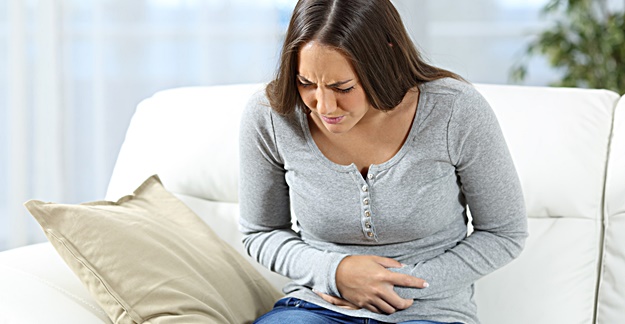
When personal trainer and nutrition coach Erik was diagnosed with irritable bowel syndrome (IBS), he says he felt almost betrayed: “The foods I consider paramount to my physical success are now turning against my body.” He says medicines haven’t helped much either, so he’s been experimenting with different foods and testing out an anti-inflammatory diet. None of those attempts have yet managed to end his first months-long IBS flare-ups.
IBS is “chronic abdominal pain with altered bowel movements in the absence of an identifiable cause,” says Aniruddh Setya, MD, a pediatric gastroenterologist at Kidz Medical Service in Hollywood, Florida. He’s careful to emphasize that IBS is different from inflammatory bowel disease (IBD), which is caused by inflammation.
To diagnose IBS, doctors must rule out other causes of irritation to the digestive tract, such as IBD or Crohn’s disease. Once they do, ideally, they work with you to determine a treatment plan that minimizes triggers and manages any remaining symptoms.
Understanding and eliminating your triggers is crucial, explains Chanu Dasari, MD, a gastrointestinal surgeon in Las Vegas. “Diet, digestion, sleep, stress and exercise. Those are the big five” types of triggers, he says. Dasari himself adds that he, too, struggled with IBS, due to stress, lack of sleep and eating a lot of processed food when he was in medical school. “It was a problem, but it was totally managed by diet,” he adds.
“IBS is not something that you can treat as something you manage,” says Setya. If you’re experiencing IBS, your doctor should be asking about your diet and lifestyle to see if improving the quality of those “big 5” triggers that Dasari mentioned could help alleviate symptoms. However, to get an in-depth look at what’s causing your gastrointestinal distress, Setya suggests keeping a mood and food diary. Any time you have symptoms, look back over the past 24 hours and write down everything you ate and how you felt. Here are the questions you should ask yourself and answer in your diary, says Setya: Did you have a consequential meeting coming up? Did you have an important date? Did you get nervous about something? Or did you eat a gallon of ice cream?
Your food triggers aren’t always as obvious as a gallon of ice cream, however. This is where a detailed mood and food diary can come in handy. You can keep a handwritten journal or record your thoughts on an app like Cara. Doctors recommend several types of diets to help patients with IBS.
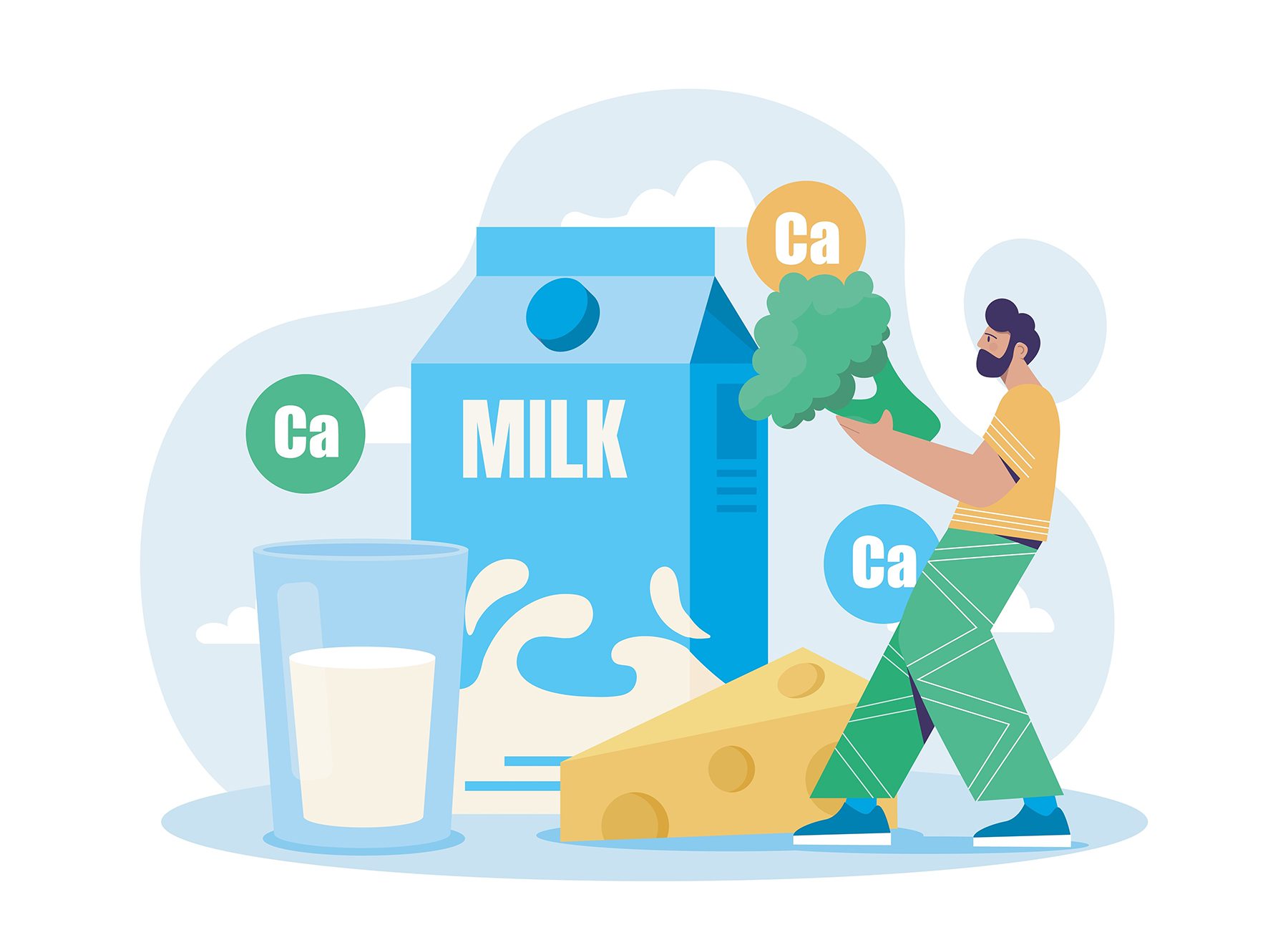
One of the most frequently recommended diets for IBS patients is the low-FODMAP diet, which stands for fermentable oligosaccharides, disaccharides, monosaccharides, and polyols. These are sugars that are thought to trigger irritation, and they’re in a variety of meat, dairy and wheat products and even in fruits and vegetables. The diet is extremely restrictive, so rather than it becoming a long-term strategy, most doctors recommend that patients start by eliminating all high-FODMAP foods first. Then, the next step is gradually introducing different types back into their diets to see which foods act as triggers.
Setya says that even that can be extremely difficult for someone who already has severe IBS symptoms. Instead, he offers them a list of high-FODMAP foods. “I tell them this is what can potentially be a trigger,” but not all of them are. Sometimes having a list can help a patient narrow it down, even if they don’t follow a strict low-FODMAP diet.
Some high-FODMAP foods to avoid are:
Independent reporting on drug recalls, medication safety and integrative health, including supplements. No pharma funding.
Note that this is not an exhaustive list. It’s best to work with your doctor to determine how and when to apply a low-FODMAP diet.
Some patients who experience gastrointestinal symptoms find that cutting down on foods that promote inflammation can provide some relief. Click here to download MedShadow’s anti-inflammatory diet guide, and check out these recipe ideas from Instagram if you think inflammatory foods might be triggering your IBS.
There are a number of studies suggesting that raising your intake of individual phytonutrients, chemicals found in herbs and plants such as fiber, terpenes, polyphenols and protease enzymes can help alleviate IBS symptoms. The idea that increasing your intake of these nutrients can treat IBS is gaining steam. Dasari is working on a paper and guidelines that will help organize all the piecemeal evidence to create a phytonutrient diet guide, and recently published a book on the topic. For now, he says, it’s best to make sure you’re eating a mostly plant-based diet, heavy in colorful foods and herbs.
One particular phytonutrient, fiber, may be especially helpful, particularly for those with constipation.
There aren’t any drugs designed to cure IBS, because symptoms vary from person to person, as do the disorder’s causes. Instead, if diet and lifestyle adjustments aren’t enough to provide relief, doctors will prescribe drugs based on your individual symptoms. For example, if you have constipation, your doctor may recommend a stool softener. If you have diarrhea, he or she may suggest an anti-diarrheal drug.
Antispasmodics, such as Bentyl (dicyclomine), are drugs designed to smooth muscle contractions in your intestines to help lessen pain and cramping. Because it can make you drowsy or cause blurred vision, it’s best not to drive until you know how it may affect you.
It can also cause:
If you experience any of these side effects, contact your doctor right away.
Laxatives, such as Dulcolax (bisacodyl),used to relieve constipation, can cause diarrhea and electrolyte abnormalities when overused.
Anti-diarrheals, such as Imodium (loperamide), can cause drowsiness and life-threatening heart rhythm changes, especially if you take more than the recommended dose. Other possible side effects include:
Proton-pump inhibitors, like Prilosec (omeprazole), are used to treat heartburn. If you stop using these drugs, you may experience a rebound effect of worse reflux for a short time. Over the long term, these drugs can weaken bones and raise risk for other conditions like kidney disease.
Depression and anxiety are some of the most powerful triggers of IBS. In some cases, being on an antidepressant can help alleviate symptoms. Unfortunately, the drugs designed to treat mood disorders can also trigger IBS. “ Medication is one of the most significant causes of IBS,” says Dasari. He names sleep aids, antidepressants, antipsychotics and pain medications as some of the drugs most likely to lead to IBS.
That doesn’t mean, however, that you should discontinue using your antidepressants cold turkey. If you’re otherwise doing well on the drugs, it may make more sense to try changing your diet and sleeping habits first to see if your symptoms improve. If not, you and your doctor may decide to taper you off your antidepressant medication or switch to an alternative.
Taking supplements can lead to problems, too. “I see a lot of people coming in [complaining of IBS symptoms while] on supplements,” says Setya. Some of these supplements contain sweeteners like sucralose or xylitol, which can upset the digestive system. Setya says protein powders and creatine are also common culprits. “They can work for some people, but for most people, it’s actually very disturbing to the GI [gastrointestinal] tract.”
If you’re experiencing IBS symptoms, work with your doctor to rule out possible causes of gastrointestinal distress. However, it’s helpful to bring as much information as you can to the appointment. Write down the drugs and supplements you use regularly and ask your healthcare provider if any of these could be causing your symptoms. Be sure to note any family history of diseases like Crohn’s or Celiac. To come up with a holistic view of your digestive health, Dasari emphasizes that your physician should ask about your current sleeping, eating and exercise habits as well as any extra stress you’ve been under.
If you’ve experienced side effects or medication issues related to this topic, we want to hear from you.
Submit Your StoryDISCLAIMER: MedShadow provides information and resources related to medications, their effects, and potential side effects. However, it is important to note that we are not a substitute for professional medical advice, diagnosis, or treatment. The content on our site is intended for educational and informational purposes only. Individuals dealing with medical conditions or symptoms should seek guidance from a licensed healthcare professional, such as a physician or pharmacist, who can provide personalized medical advice tailored to their specific circumstances.
While we strive to ensure the accuracy and reliability of the information presented on MedShadow, we cannot guarantee its completeness or suitability for any particular individual’s medical needs. Therefore, we strongly encourage users to consult with qualified healthcare professionals regarding any health-related concerns or decisions. By accessing and using MedShadow, you acknowledge and agree that the information provided on the site is not a substitute for professional medical advice and that you should always consult with a qualified healthcare provider for any medical concerns.
Help fund our fight for improved medication safety and transparency by supporting our independent journalism.
Give NowWe seek to create a world where there are safer medications for all and where all people are fully informed about their medication benefits and side effects, using our explanatory and investigative journalism to both inform and stimulate public discussion to drive toward solutions.
Stream our library on demand, including insights on generic drugs and pain management, straight from experts.
WATCH NOWMedShadow.org is dedicated to empowering people with our evidence-based journalism about the safest ways to take over-the-counter (OTC) and prescription (Rx) medications.
We also seek to stimulate public discussion about potential improvements to drug research, manufacturing and distribution processes. and also to encourage the improvement of processes to ensure that we are all better protected.
As a result, we encourage other nonprofit newsrooms, mission-aligned outlets, and advocacy organizations to republish our original content under the following conditions:
1. We Are Credited Fully and Clearly
You must include the byline and credit MedShadow.org as the original publisher. Please include a link to the original article at the top or bottom of the piece. Use the following attribution:
This article was originally published by MedShadow, a nonprofit foundation that focuses on the safest ways to take over-the-counter and prescription medications.
2. Our Content Isn’t Edited Without Permission
You may make small changes for clarity, such as adjusting headlines, subheadings, or transitions, but you may not change the core meaning, tone, or intent of the article. For substantive edits, email us at republish@medshadow.org for review and approval.
3. You Do Not Sell Or Use Our Content Commercially
Our work is free to share, but it may not be sold, monetized, or repurposed for commercial gain. You may not republish our articles behind a paywall or in publications whose primary purpose is advertising or product promotion. You may not place drug or supplement advertising adjacent to our story.
4. Photos, Graphics, and Multimedia Are Not Used Without Permission
Only the text of the article is available for republication. Images, graphics, and videos may not be reused without explicit written permission, unless they are clearly marked as Creative Commons licensed. Contact us if you’d like to request reuse of a visual asset.
If you’re unsure whether your intended use falls within these guidelines, or would like to discuss a formal syndication or licensing arrangement, please email: republish@medshadow.org
We want our journalism to reach as many people as possible, especially those making critical decisions about medications and health.
For website editors
Copy the article body, including its formatting and links, then paste it into your publishing system. Add the byline and required credit described in these guidelines.
<!-- wp:paragraph -->
<p>When personal trainer and nutrition coach Erik was diagnosed with irritable bowel syndrome (IBS), he says he felt almost betrayed: “The foods I consider paramount to my physical success are now turning against my body.” He says medicines haven’t helped much either, so he’s been experimenting with different foods and testing out an anti-inflammatory diet. None of those attempts have yet managed to end his first months-long IBS flare-ups.</p>
<!-- /wp:paragraph -->
<!-- wp:heading -->
<h2 class="wp-block-heading"><strong>What Is IBS?</strong></h2>
<!-- /wp:heading -->
<!-- wp:paragraph -->
<p>IBS is “chronic abdominal pain with altered bowel movements in the absence of an identifiable cause,” says Aniruddh Setya, MD, a pediatric gastroenterologist at Kidz Medical Service in Hollywood, Florida. He’s careful to emphasize that IBS is different from inflammatory bowel disease (IBD), which is caused by inflammation.</p>
<!-- /wp:paragraph -->
<!-- wp:paragraph -->
<p>To diagnose IBS, doctors must rule out other causes of irritation to the digestive tract, such as IBD or Crohn’s disease. Once they do, ideally, they work with you to determine a treatment plan that minimizes triggers and manages any remaining symptoms.</p>
<!-- /wp:paragraph -->
<!-- wp:heading -->
<h2 class="wp-block-heading"><strong>What Causes IBS?</strong></h2>
<!-- /wp:heading -->
<!-- wp:paragraph -->
<p>Understanding and eliminating your triggers is crucial, explains Chanu Dasari, MD, a gastrointestinal surgeon in<a href="https://dasarimd.com/" target="_blank" rel="noreferrer noopener"> Las Vegas</a>. “Diet, digestion, sleep, stress and exercise. Those are the big five” types of triggers, he says. Dasari himself adds that he, too, struggled with IBS, due to stress, lack of sleep and eating a lot of processed food when he was in medical school. “It was a problem, but it was totally managed by diet,” he adds. </p>
<!-- /wp:paragraph -->
<!-- wp:heading -->
<h2 class="wp-block-heading"><strong>How to Deal With IBS</strong></h2>
<!-- /wp:heading -->
<!-- wp:paragraph -->
<p>“IBS is not something that you can treat as something you manage,” says Setya. If you’re experiencing IBS, your doctor should be asking about your diet and lifestyle to see if improving the quality of those “big 5” triggers that Dasari mentioned could help alleviate symptoms. However, to get an in-depth look at what’s causing your gastrointestinal distress, Setya suggests keeping a mood and food diary. Any time you have symptoms, look back over the past 24 hours and write down everything you ate and how you felt. Here are the questions you should ask yourself and answer in your diary, says Setya: Did you have a consequential meeting coming up? Did you have an important date? Did you get nervous about something? Or did you eat a gallon of ice cream?</p>
<!-- /wp:paragraph -->
<!-- wp:heading -->
<h2 class="wp-block-heading"><strong>Diets That May Help IBS Patients</strong></h2>
<!-- /wp:heading -->
<!-- wp:paragraph -->
<p>Your food triggers aren’t always as obvious as a gallon of ice cream, however. This is where a detailed mood and food diary can come in handy. You can keep a handwritten journal or record your thoughts on an app like<a href="https://apps.apple.com/us/app/cara-care-ibs-fodmap-tracker/id1133687886" target="_blank" rel="noreferrer noopener"> Cara</a>. Doctors recommend several types of diets to help patients with IBS.</p>
<!-- /wp:paragraph -->
<!-- wp:heading {"level":3} -->
<h3 class="wp-block-heading"><em>Low-FODMAP Diet</em></h3>
<!-- /wp:heading -->
<!-- wp:paragraph -->
<p>One of the most frequently recommended diets for IBS patients is the low-FODMAP diet, which stands for fermentable oligosaccharides, disaccharides, monosaccharides, and polyols. These are sugars that are thought to trigger irritation, and they’re in a variety of meat, dairy and wheat products and even in fruits and vegetables. The diet is extremely restrictive, so rather than it becoming a long-term strategy, most doctors recommend that patients start by eliminating all high-FODMAP foods first. Then, the next step is gradually introducing different types back into their diets to see which foods act as triggers.</p>
<!-- /wp:paragraph -->
<!-- wp:paragraph -->
<p>Setya says that even that can be extremely difficult for someone who already has severe IBS symptoms. Instead, he offers them a list of high-FODMAP foods. “I tell them this is what can potentially be a trigger,” but not all of them are. Sometimes having a list can help a patient narrow it down, even if they don’t follow a strict low-FODMAP diet.</p>
<!-- /wp:paragraph -->
<!-- wp:paragraph -->
<p>Some high-FODMAP foods to avoid are:</p>
<!-- /wp:paragraph -->
<!-- wp:list -->
<ul class="wp-block-list"><!-- wp:list-item -->
<li>apples</li>
<!-- /wp:list-item -->
<!-- wp:list-item -->
<li>apricots</li>
<!-- /wp:list-item -->
<!-- wp:list-item -->
<li>peaches</li>
<!-- /wp:list-item -->
<!-- wp:list-item -->
<li>figs</li>
<!-- /wp:list-item -->
<!-- wp:list-item -->
<li>high-fructose corn syrup</li>
<!-- /wp:list-item -->
<!-- wp:list-item -->
<li>honey</li>
<!-- /wp:list-item -->
<!-- wp:list-item -->
<li>milk</li>
<!-- /wp:list-item -->
<!-- wp:list-item -->
<li>yogurt</li>
<!-- /wp:list-item -->
<!-- wp:list-item -->
<li>soft cheeses</li>
<!-- /wp:list-item -->
<!-- wp:list-item -->
<li>artichokes</li>
<!-- /wp:list-item -->
<!-- wp:list-item -->
<li>broccoli</li>
<!-- /wp:list-item -->
<!-- wp:list-item -->
<li>garlic</li>
<!-- /wp:list-item -->
<!-- wp:list-item -->
<li>onions</li>
<!-- /wp:list-item -->
<!-- wp:list-item -->
<li>beans</li>
<!-- /wp:list-item -->
<!-- wp:list-item -->
<li>pasta</li>
<!-- /wp:list-item -->
<!-- wp:list-item -->
<li>cereal</li>
<!-- /wp:list-item -->
<!-- wp:list-item -->
<li>barley</li>
<!-- /wp:list-item -->
<!-- wp:list-item -->
<li>soy milk</li>
<!-- /wp:list-item --></ul>
<!-- /wp:list -->
<!-- wp:paragraph -->
<p>Note that this is not an exhaustive list. It’s best to work with your doctor to determine how and when to apply a low-FODMAP diet.</p>
<!-- /wp:paragraph -->
<!-- wp:heading {"level":3} -->
<h3 class="wp-block-heading"><em>Anti-Inflammatory Diet</em></h3>
<!-- /wp:heading -->
<!-- wp:paragraph -->
<p>Some patients who experience gastrointestinal symptoms find that cutting down on foods that promote inflammation can provide some relief. Click here to download<a href="https://medshadow.org/anti-inflammatory-diet-tips/" target="_blank" rel="noreferrer noopener"> MedShadow’s anti-inflammatory diet guide</a>, and check out these<a href="https://medshadow.org/anti-inflammatory-food/" target="_blank" rel="noreferrer noopener"> recipe ideas</a> from Instagram if you think inflammatory foods might be triggering your IBS.</p>
<!-- /wp:paragraph -->
<!-- wp:heading {"level":3} -->
<h3 class="wp-block-heading"><em>Phytonutrient Diet</em></h3>
<!-- /wp:heading -->
<!-- wp:paragraph -->
<p>There are a number of studies suggesting that raising your intake of individual phytonutrients, chemicals found in herbs and plants such as<a href="https://www.ncbi.nlm.nih.gov/labs/pmc/articles/PMC5548066/" target="_blank" rel="noreferrer noopener"> fiber</a>,<a href="https://www.ncbi.nlm.nih.gov/labs/pmc/articles/PMC7699610/" target="_blank" rel="noreferrer noopener"> terpenes</a>,<a href="https://www.ncbi.nlm.nih.gov/labs/pmc/articles/PMC6895345/" target="_blank" rel="noreferrer noopener"> polyphenols</a> and<a href="https://www.ncbi.nlm.nih.gov/labs/pmc/articles/PMC6910206/" target="_blank" rel="noreferrer noopener"> protease enzymes</a> can help alleviate IBS symptoms. The idea that increasing your intake of these nutrients can treat IBS is gaining steam. Dasari is working on a paper and guidelines that will help organize all the piecemeal evidence to create a phytonutrient diet guide, and recently <a href="https://www.amazon.com/Phyto-Diet-Primer-Immunity-Phytonutrients-ebook/dp/B09X4WK9JY/ref=sr_1_1?crid=1LDUJNFWT4XWW&keywords=the+phyto+diet+primer&qid=1649350395&sprefix=the+phyto+diet+primer%2Caps%2C112&sr=8-1" target="_blank" rel="noreferrer noopener">published a book</a> on the topic. For now, he says, it’s best to make sure you’re eating a mostly plant-based diet, heavy in colorful foods and herbs.</p>
<!-- /wp:paragraph -->
<!-- wp:paragraph -->
<p>One particular phytonutrient, fiber, may be especially helpful, particularly for those with constipation.</p>
<!-- /wp:paragraph -->
<!-- wp:heading -->
<h2 class="wp-block-heading"><strong>Which Medications Treat IBS Symptoms?</strong></h2>
<!-- /wp:heading -->
<!-- wp:paragraph -->
<p>There aren’t any drugs designed to cure IBS, because symptoms vary from person to person, as do the disorder’s causes. Instead, if diet and lifestyle adjustments aren’t enough to provide relief, doctors will prescribe drugs based on your individual symptoms. For example, if you have constipation, your doctor may recommend a stool softener. If you have diarrhea, he or she may suggest an anti-diarrheal drug.</p>
<!-- /wp:paragraph -->
<!-- wp:paragraph -->
<p><strong>Antispasmodics</strong>, such as Bentyl (dicyclomine), are drugs designed to smooth muscle contractions in your intestines to help lessen pain and cramping. Because it can make you drowsy or cause blurred vision, it’s best not to drive until you know how it may affect you.</p>
<!-- /wp:paragraph -->
<!-- wp:paragraph -->
<p>It can also cause:</p>
<!-- /wp:paragraph -->
<!-- wp:list -->
<ul class="wp-block-list"><!-- wp:list-item -->
<li>rapid heart rate</li>
<!-- /wp:list-item -->
<!-- wp:list-item -->
<li>dizziness</li>
<!-- /wp:list-item -->
<!-- wp:list-item -->
<li>anxiety</li>
<!-- /wp:list-item -->
<!-- wp:list-item -->
<li>weakness</li>
<!-- /wp:list-item -->
<!-- wp:list-item -->
<li>confusion</li>
<!-- /wp:list-item -->
<!-- wp:list-item -->
<li>difficulty staying awake</li>
<!-- /wp:list-item -->
<!-- wp:list-item -->
<li>mood changes</li>
<!-- /wp:list-item -->
<!-- wp:list-item -->
<li>flushed skin</li>
<!-- /wp:list-item --></ul>
<!-- /wp:list -->
<!-- wp:paragraph -->
<p>If you experience any of these side effects, contact your doctor right away.</p>
<!-- /wp:paragraph -->
<!-- wp:paragraph -->
<p><strong>Laxatives</strong>, such as Dulcolax (bisacodyl),used to relieve constipation, can cause diarrhea and electrolyte abnormalities when overused.</p>
<!-- /wp:paragraph -->
<!-- wp:paragraph -->
<p><strong>Anti-diarrheals</strong>, such as Imodium (loperamide), can cause drowsiness and life-threatening heart rhythm changes, especially if you take more than the recommended dose. Other possible side effects include:</p>
<!-- /wp:paragraph -->
<!-- wp:list -->
<ul class="wp-block-list"><!-- wp:list-item -->
<li>skin reactions like redness, itching and hives</li>
<!-- /wp:list-item -->
<!-- wp:list-item -->
<li>fever</li>
<!-- /wp:list-item -->
<!-- wp:list-item -->
<li>difficulty breathing</li>
<!-- /wp:list-item -->
<!-- wp:list-item -->
<li>stomach pain or bloody stools</li>
<!-- /wp:list-item --></ul>
<!-- /wp:list -->
<!-- wp:paragraph -->
<p><strong>Proton-pump inhibitors</strong>, like Prilosec (omeprazole), are used to treat heartburn. If you stop using these drugs, you may<a href="https://medshadow.org/the-purple-pill-problem-ppis-and-serious-side-effects/" target="_blank" rel="noreferrer noopener"> experience a rebound effect</a> of worse reflux for a short time. Over the long term, these drugs can weaken bones and raise risk for other conditions like kidney disease.</p>
<!-- /wp:paragraph -->
<!-- wp:heading -->
<h2 class="wp-block-heading"><strong>Can Taking Drugs Cause IBS?</strong></h2>
<!-- /wp:heading -->
<!-- wp:paragraph -->
<p>Depression and anxiety are some of the most powerful triggers of IBS. In some cases, being on an antidepressant can help alleviate symptoms. Unfortunately, the drugs designed to treat mood disorders can also trigger IBS. “ Medication is one of the most significant causes of IBS,” says Dasari. He names sleep aids, antidepressants, antipsychotics and pain medications as some of the drugs most likely to lead to IBS.</p>
<!-- /wp:paragraph -->
<!-- wp:paragraph -->
<p>That doesn’t mean, however, that you should discontinue using your antidepressants cold turkey. If you’re otherwise doing well on the drugs, it may make more sense to try changing your diet and sleeping habits first to see if your symptoms improve. If not, you and your doctor may decide to taper you off your antidepressant medication or switch to an alternative.</p>
<!-- /wp:paragraph -->
<!-- wp:heading -->
<h2 class="wp-block-heading"><strong>Supplements Can Cause IBS</strong></h2>
<!-- /wp:heading -->
<!-- wp:paragraph -->
<p>Taking supplements can lead to problems, too. “I see a lot of people coming in [complaining of IBS symptoms while] on supplements,” says Setya. Some of these supplements contain sweeteners like sucralose or xylitol, which can upset the digestive system. Setya says protein powders and creatine are also common culprits. “They can work for some people, but for most people, it’s actually very disturbing to the GI [gastrointestinal] tract.”</p>
<!-- /wp:paragraph -->
<!-- wp:paragraph -->
<p>If you’re experiencing IBS symptoms, work with your doctor to rule out possible causes of gastrointestinal distress. However, it’s helpful to bring as much information as you can to the appointment. Write down the drugs and supplements you use regularly and ask your healthcare provider if any of these could be causing your symptoms. Be sure to note any family history of diseases like Crohn’s or Celiac. To come up with a holistic view of your digestive health, Dasari emphasizes that your physician should ask about your current sleeping, eating and exercise habits as well as any extra stress you’ve been under.</p>
<!-- /wp:paragraph -->We think it’s invaluable — and hope you agree. Our work is made possible by donations from readers like you.
We think it’s invaluable — and hope you agree. Our journalism is made possible by donations from readers like you.
As a nonprofit, we don’t take a dime from pharmaceutical or supplement companies. That means we can report on the benefits, risks, and alternatives to prescription and over-the-counter drugs free from corporate pressure or influence.
No comments yet. Be the first to comment!
We've noticed that you're interested in this topic. Would you read a dedicated newsletter about it?