Osteoarthritis (OA) is the most common form of arthritis, affecting more than 32.5 million adults in the United States, especially after age 45, and more than 600 million people worldwide. It can affect any joint, but most often the knees, hips, and hands, causing pain, stiffness, swelling, and reduced flexibility. OA is a leading cause of physical disability in adults.
OA has traditionally been described as a “wear and tear” disorder affecting cartilage, but it is now understood as a degenerative disease that affects the entire joint. Unlike inflammatory forms of arthritis, such as rheumatoid arthritis, which are driven by the immune system, OA is characterized mainly by structural joint changes rather than systemic inflammation.
First-line treatment of OA includes exercise and weight management, along with topical or oral nonsteroidal anti-inflammatory drugs (NSAIDs), such as ibuprofen or naproxen, for pain relief. For more severe or localized symptoms, corticosteroid injections into the joint may help, and joint replacement surgery is typically reserved for advanced disease.
Alongside these approaches, a growing number of people are turning to acupuncture as a complementary treatment to relieve OA pain and improve daily function, particularly when symptoms persist or medications are not well tolerated. According to national survey data summarized in a 2024 update from the National Institute of Health’s National Center for Complementary and Integrative Health (NCCIH), the percentage of U.S. adults reporting acupuncture use more than doubled between 2002 and 2022, rising from 1.0 percent to 2.2 percent, or approximately 7.3 million adults who used it for pain.
“Acupuncture was considered for some time a fringe treatment and not part of legitimate medical care,” says Belinda (Beau) Anderson, Ph.D., associate dean and professor at Pace University in the College of Health Professions, associate clinical professor at Albert Einstein College of Medicine in New York, and a MedShadow Health and Medical Advisory panelist. “But that perspective is at least 10 years old. There is now a vast body of quality, scientifically rigorous research being conducted showing its benefits, particularly around pain management. The evidence has evolved, and acupuncture is increasingly viewed as a legitimate intervention worth understanding.”
What Is Acupuncture?
Acupuncture is rooted in traditional Chinese medicine, which holds that qi, the body’s vital energy, flows through pathways called meridians. Within this framework, balanced qi is associated with well-being, while blocked or disrupted qi is thought to contribute to pain or illness.
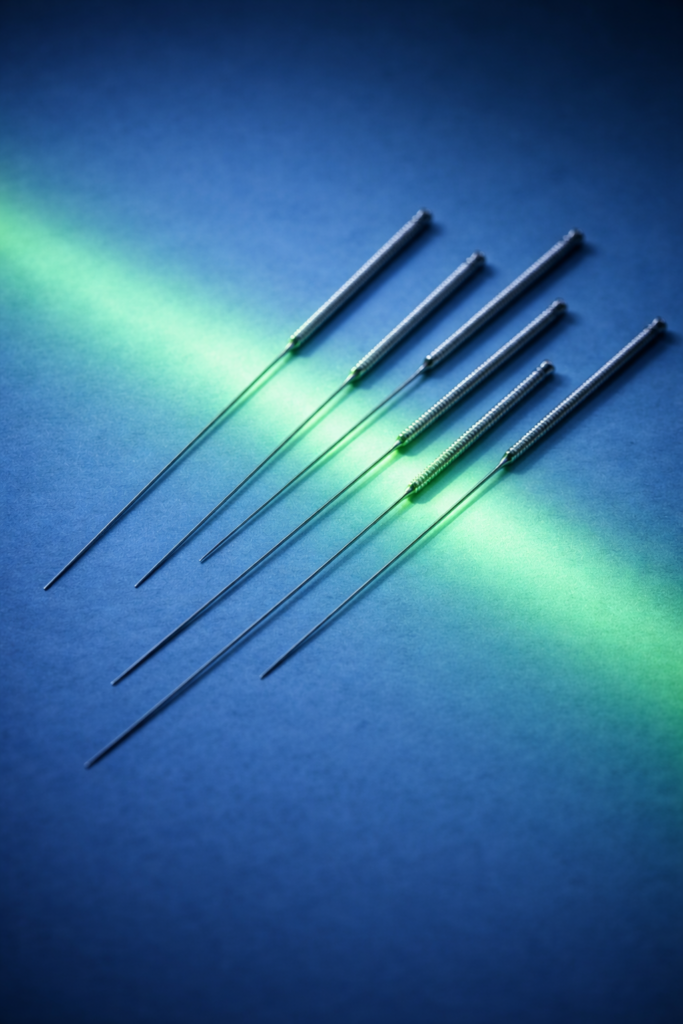
In practice, acupuncture involves inserting sterile, disposable, hair-thin needles into the skin at specific points (acupoints). The needles may be manipulated by hand or stimulated with small electrical currents, a technique known as electroacupuncture. Treatment typically involves multiple sessions over several weeks, often alongside conventional medical care. In traditional Chinese medicine, stimulating acupoints along the meridians is believed to restore the flow of qi and support health.
Western biomedical research does not generally treat qi as a measurable biological entity, but it has investigated whether acupuncture points and meridian pathways correspond to identifiable anatomical or biophysical features. For example, researchers have explored links between acupuncture points/meridians and connective tissue planes (fascia), and have studied whether acupoints show different electrical properties than adjacent tissue.
Separately, NCCIH (formerly called NCCAM) notes that while acupuncture’s mechanisms are not fully understood, researchers have proposed multiple biological pathways. These pathways include activating endorphins (the body’s natural pain-relieving chemicals), calming the nervous system, improving blood flow, reducing inflammation, regulating stress responses, and modulating brain pathways linked to pain and emotional health.
“There are several different lines of investigation,” says Dr. Anderson. “Combining the outcomes of these studies into one cohesive mechanism will be challenging, especially because we don’t yet fully understand how different physiological systems work together in the human body.”
Acupuncture and Arthritis: What the Research Shows
The ACR/Arthritis Foundation guidelines conditionally recommend acupuncture for OA of the knee, hip, or hand, meaning it may be appropriate for some patients, but the evidence of benefits is not strong or consistent enough to recommend it for everyone. Evidence of benefit also varies by joint, with the most extensive research focused on knee osteoarthritis (KOA), more limited evidence for hip OA, and sparse data for hand OA.
While many studies report improvements in pain and function, differences in treatment protocols, comparison groups, and practitioner technique further complicate comparisons across studies, even for KOA, where the evidence base is most extensive.
Here’s what the research shows for each joint:
Knee Osteoarthritis (KOA)
A 2025 bibliometric analysis published in Frontiers in Medicine highlights the steady rise in global research interest in acupuncture for knee osteoarthritis. Reviewing 295 publications across 26 countries, 133 institutions, and 107 journals, the authors concluded that acupuncture is increasingly recognized as an effective treatment option for knee OA, particularly as a complementary therapy.
“There’s an explosion of credible, peer-reviewed medical journal citations — the literature is very robust,” says Woodson Merrell, M.D., assistant professor of medicine at the Icahn School of Medicine at Mount Sinai in New York and a New York State licensed physician acupuncturist (NYS).
“There’s an explosion of credible, peer-reviewed medical journal citations — the literature is very robust.”
Evidence from randomized trials predates this broader research momentum. In 2004, a multicenter randomized controlled trial at the University of Maryland School of Medicine’s Center for Integrative Medicine enrolled 570 adults with knee OA and assigned them to receive true acupuncture, sham acupuncture (a placebo method used in clinical trials to mimic real acupuncture by using non-penetrating needles or needling at incorrect, non-acupoints), or a self-management program, while continuing their usual medical care. It’s been described as the largest and longest phase III acupuncture trial for knee OA at the time.
Stay Informed. Sign up for our newsletters.
Independent, science-based journalism delivered directly to your inbox.
Participants in the true acupuncture group received 23 treatment sessions over 26 weeks. By the end of the study, they experienced an average reduction in knee pain of about 40% and nearly a 40% improvement in physical function compared with their baseline scores. Improvements in the sham acupuncture and education groups were smaller.
Brian M. Berman, M.D., former director of the center and now professor emeritus at the University of Maryland School of Medicine, says the 2004 trial “establishes that acupuncture is an effective complement to conventional arthritis treatment and can be successfully employed as part of a multidisciplinary approach to treating the symptoms of osteoarthritis.”
More recent analyses have drawn on a much larger evidence base. A 2024 systematic review and exploratory network meta-analysis published in BMJ Evidence-Based Medicine pooled 80 randomized trials involving 9,933 participants with KOA. The analysis compared acupuncture with sham acupuncture, NSAIDs, usual care or waiting-list controls, and steroid injections into the joint.
The authors reported that acupuncture may reduce pain and improve physical function across several comparisons, but they rated the overall certainty of the evidence as very low and emphasized that the findings should be interpreted cautiously.
Electroacupuncture and KOA
Within the KOA evidence base, researchers have also evaluated electroacupuncture as a distinct approach. Some evidence suggests it may influence nervous system pain-processing pathways and inflammatory signaling. “It works primarily by affecting changes in the nervous system, which ultimately helps,” says Dr. Merrell.
A meta-analysis in the American Journal of Chinese Medicine reviewed 11 randomized controlled trials involving 695 participants with KOA. The authors found that electroacupuncture, used alongside conventional treatment, was associated with improvements in pain and physical function and carried a low risk of adverse effects.
A 2023 paper in the Journal of Evidence-Based Medicine suggests that manual acupuncture or electroacupuncture delivered over four to eight weeks may reduce pain, stiffness, and dysfunction in KOA. The authors did caveat, however, that larger trials are needed to better assess long-term outcomes.
Hip Osteoarthritis
Although the ACR/Arthritis Foundation has issued a conditional recommendation for acupuncture in hip osteoarthritis, evidence for its effectiveness is limited. A 2018 Cochrane review of six randomized trials (413 participants, four to 13 weeks of acupuncture) found little or no difference in pain or physical function compared with sham acupuncture. The average pain difference was about two points on a 100-point scale, a change unlikely to be noticeable in daily life. One unblinded trial (which means participants knew which treatment they received, a factor that can affect self-reported symptoms such as pain) suggested modest improvements when acupuncture was added to routine primary care. The authors noted, however, that patient expectations likely influenced the results.
A small trial published in Acupuncture in Medicine reported significant improvement with six acupuncture sessions lasting 25 minutes compared with advice and exercise alone, but the study included only 32 participants, limiting the strength of its conclusions.
Hand Osteoarthritis
Hand OA most often develops at the base of the thumb, where the thumb meets the wrist, the joint closest to the fingertip, and the middle joint of the finger. The disease can substantially affect daily function and quality of life, causing pain, swelling, deformity, and loss of grip or dexterity.
“Osteoarthritis of the hand is very frustrating for patients because there’s reduced dexterity in the fingers and thumbs that hinders tasks like buttoning clothes, using keys, or using a cellphone,” says Joseph E. Huffstutter, M.D., a rheumatologist in Hixson, TN.
As a result, standard care for hand osteoarthritis emphasizes other strategies. Current treatment recommendations focus on non-drug approaches such as hand therapy, splinting, and thermal treatments, along with topical or oral NSAIDs. For some patients with advanced disease, “there are effective surgical procedures that help,” says Dr. Huffstutter.
How Strong Is the Evidence for Acupuncture and Arthritis?
Despite a substantial number of clinical trials, the effectiveness of acupuncture for OA remains a subject of debate. The ACR/Arthritis Foundation cites challenges including blinding, the validity of sham controls, sample size, variability in acupuncture protocols, and the influence of patient expectations. Because acupuncture is individualized, sham techniques may trigger physiological or placebo responses, making it difficult to isolate acupuncture’s specific effects when outcomes rely largely on self-reported pain.
But, as Dr. Anderson notes, “even if some uncertainties remain regarding acupuncture’s precise mechanisms, that doesn’t mean it’s without therapeutic value. If someone feels better and functions better, that matters. We accept placebo effects in many areas of medicine, including depression treatment, but acupuncture is scrutinized more than conventional therapies.”
“Even if some uncertainties remain regarding acupuncture’s precise mechanisms, that doesn’t mean it’s without therapeutic value. If someone feels better and functions better, that matters.”
More broadly, evidence gaps are common in medicine. A 2022 report in the Journal of Clinical Epidemiology found that more than nine in 10 of 1,567 health care interventions evaluated in Cochrane Reviews were not supported by high-quality evidence.
“Despite these gaps,” writes Karima Chaabna, Ph.D.,of Weill Cornell Medicine-Qatar (a joint venture between Cornell University in New York and the Qatar Foundation) in a 2025 Medical Acupuncture editorial, “such approaches are utilized because their potential benefits outweigh their limitations, especially when clinical experience and patient outcomes support their effectiveness.”
Even within acupuncture research, results can look different depending on what the modality is compared with and how the control is designed. A National Center for Complementary and Integrative Health–supported meta-analysis found that acupuncture performs better than sham treatment for OA, but the differences are modest. Effects often appear larger when acupuncture is compared with no treatment or usual care, suggesting that nonspecific factors such as expectations, attention, and treatment context contribute to reported improvement.
These constraints help explain why study results can vary and don’t always match what people report in real-world settings. Even so, institutional acceptance has grown. In 2018, The Joint Commission updated its pain assessment and management standards, directing accredited hospitals and programs to offer nonpharmacologic pain management options, including acupuncture. “It’s an amazing endorsement,” says Dr. Merrell. Acupuncture is now increasingly available in hospitals, rehabilitation centers, veterans’ health care facilities, and other conventional settings.
For patients considering acupuncture, the next questions are practical: how to try it safely, what to expect, and what it may cost.
What to Consider Before Trying Acupuncture
Check the practitioner’s training and credentials. Verify the practitioner’s license is active using your state’s online license lookup, and look for board certification through the National Certification Board for Acupuncture and Herbal Medicine (NCBAHM)
Interview the practitioner. Ask what’s involved, how likely it is to help your condition, and what it will cost. Because treatment typically involves multiple sessions, out-of-pocket costs can add up. Dr. Anderson notes that cost is a major reason more people do not try acupuncture or do not continue with treatment. She suggests community acupuncture (group setting, lower fees) or Chinese medicine schools with student clinics, which may offer reduced-cost visits.
Try a short course, then reassess. Many studies use one to two sessions a week for four to six weeks. Consider reassessing after about six sessions, says Dr. Merrell, to decide whether it’s worth continuing. “Think of it like going to physical therapy,” he says. “You often need a series of treatments, particularly for chronic conditions, because the benefits may not happen or be sustainable immediately. They tend to be cumulative.”
Confirm insurance coverage before you start. Coverage depends on your plan, diagnosis, and provider type. Some private insurers cap visits or require prior authorization. Traditional Medicare covers acupuncture only for chronic low back pain, not osteoarthritis, while Medicaid coverage varies by state, and some Medicare Advantage plans include acupuncture as a supplemental benefit.
If you are considering acupuncture, weigh the likely size of benefit, the limits of the evidence, and practical issues like cost and access, then decide whether it fits into your overall OA plan.
DISCLAIMER: MedShadow provides information and resources related to medications, their effects, and potential side effects. However, it is important to note that we are not a substitute for professional medical advice, diagnosis, or treatment. The content on our site is intended for educational and informational purposes only. Individuals dealing with medical conditions or symptoms should seek guidance from a licensed healthcare professional, such as a physician or pharmacist, who can provide personalized medical advice tailored to their specific circumstances.
While we strive to ensure the accuracy and reliability of the information presented on MedShadow, we cannot guarantee its completeness or suitability for any particular individual’s medical needs. Therefore, we strongly encourage users to consult with qualified healthcare professionals regarding any health-related concerns or decisions. By accessing and using MedShadow, you acknowledge and agree that the information provided on the site is not a substitute for professional medical advice and that you should always consult with a qualified healthcare provider for any medical concerns.
Independent, science-based journalism delivered directly to your inbox.
We seek to create a world where there are safer medications for all and where all people are fully informed about their medication benefits and side effects, using our explanatory and investigative journalism to both inform and stimulate public discussion to drive toward solutions.
                    <!-- wp:paragraph -->
<p>Osteoarthritis (OA) is <a href="https://pmc.ncbi.nlm.nih.gov/articles/PMC8225295/">the most common form of arthritis</a>, affecting more than <a href="https://www.arthritis.org/diseases/osteoarthritis">32.5 million adults </a>in the United States, especially after age 45, and more than<a href="https://www.medrxiv.org/content/10.1101/2024.06.30.24309697v1.full"> 600 million</a> people worldwide. It can affect any joint, but most often the knees, hips, and hands, causing pain, stiffness, swelling, and reduced flexibility. OA is a <a href="https://oaaction.unc.edu/policy/osteoarthritis-a-troubling-picture/">leading cause</a> of physical disability in adults. </p>
<!-- /wp:paragraph -->

<!-- wp:paragraph -->
<p><a href="https://www.nia.nih.gov/health/osteoarthritis/osteoarthritis">OA </a>has traditionally been described as a “wear and tear” disorder affecting cartilage, but it is now understood as a degenerative disease that affects the entire joint. Unlike inflammatory forms of arthritis, such as rheumatoid arthritis, which are driven by the immune system, OA is characterized mainly by structural joint changes rather than systemic inflammation. </p>
<!-- /wp:paragraph -->

<!-- wp:paragraph -->
<p>First-line treatment of OA includes exercise and weight management, along with topical or oral nonsteroidal anti-inflammatory drugs (NSAIDs), such as ibuprofen or naproxen, for pain relief. For more severe or localized symptoms, corticosteroid <a href="https://pmc.ncbi.nlm.nih.gov/articles/PMC7931012/#:~:text=Intra-articular%20injection%20can%20primarily%20provide,pain%20and%20function%20%5B12%5D.%20Several">injections </a>into the joint may help, and joint replacement surgery is typically reserved for advanced disease.</p>
<!-- /wp:paragraph -->

<!-- wp:paragraph -->
<p>Alongside these approaches, a growing number of people are turning to acupuncture as a <a href="https://medshadow.org/glossary-of-medical-terms/#:~:text=and%20regulatory%20processes.-,Complementary%20Medicine,-Complementary%20medicine%20refers">complementary treatment</a> to relieve OA pain and improve daily function, particularly when symptoms persist or medications are not well tolerated. According to national survey data summarized in a 2024 update from the National Institute of Health’s National Center for Complementary and Integrative Health (NCCIH), the percentage of U.S. adults reporting acupuncture use more than doubled between 2002 and 2022, rising from <a href="https://www.dovepress.com/the-state-of-21st-century-acupuncture-in-the-united-states-peer-reviewed-fulltext-article-JPR#:~:text=The%20National%20Health%20Interview%20Survey,from%20the%20previous%205%20years.&text=Most%20Americans%20saw%20acupuncturists%20for,complaints%20is%20established%20and%20growing.&text=Data%20from%20the%20most%20recent,2002%20to%2072%25%20in%202022.&text=Overall,%20the%20widespread%20utilization%20of,just%20beginning%20to%20be%20explored.">1.0 percent to 2.2 percent</a>, or approximately <a href="https://content.govdelivery.com/accounts/USNIHNCCIH/bulletins/38b62ca#:~:text=Although%20acupuncture%20is%20not%20as,percent%20used%20it%20for%20pain.">7.3 million adults who used it for </a>pain.</p>
<!-- /wp:paragraph -->

<!-- wp:paragraph -->
<p>“Acupuncture was considered for some time a fringe treatment and not part of legitimate medical care,” says <a href="https://medshadow.org/author/beauanderson/">Belinda (Beau) Anderson, Ph.D.</a>, associate dean and professor at Pace University in the College of Health Professions, associate clinical professor at Albert Einstein College of Medicine in New York, and a MedShadow Health and Medical Advisory panelist. "But that perspective is at least 10 years old. There is now a vast body of quality, scientifically rigorous research being conducted showing its benefits, particularly around pain management. The evidence has evolved, and acupuncture is increasingly viewed as a legitimate intervention worth understanding.”</p>
<!-- /wp:paragraph -->

<!-- wp:heading -->
<h2 class="wp-block-heading">What Is Acupuncture?</h2>
<!-- /wp:heading -->

<!-- wp:paragraph -->
<p>Acupuncture <span style="box-sizing: border-box; margin: 0px; padding: 0px;">is<a href="https://pmc.ncbi.nlm.nih.gov/articles/PMC4471669/" target="_blank"> rooted</a></span><a href="https://pmc.ncbi.nlm.nih.gov/articles/PMC4471669/"> in traditional Chinese medicine</a>, which holds that <em>qi</em>, the body’s vital energy, flows through pathways called meridians. Within this framework, balanced <em>qi </em>is associated with well-being, while blocked or disrupted <em>qi </em>is thought to contribute to pain or illness. </p>
<!-- /wp:paragraph -->

<!-- wp:paragraph -->
<p>In practice, acupuncture involves <a href="https://www.mayoclinic.org/tests-procedures/acupuncture/about/pac-20392763#:~:text=The%20risks%20of%20acupuncture%20are,how%20much%20it%20will%20cost">inserting sterile, disposable, hair-thin needles</a> into the skin at <a href="https://www.hopkinsmedicine.org/health/wellness-and-prevention/acupuncture">specific points </a>(acupoints). The needles may be manipulated by hand or stimulated with small electrical currents, a technique known as <a href="https://www.cancer.gov/publications/dictionaries/cancer-terms/def/electroacupuncture">electroacupuncture</a>. Treatment typically involves multiple sessions over several weeks, often alongside conventional medical care. In traditional Chinese medicine, stimulating acupoints along the meridians is believed to restore the flow of <em>qi</em> and support health.</p>
<!-- /wp:paragraph -->

<!-- wp:image {"id":29783,"width":"378px","height":"auto","aspectRatio":"0.6669930754703784","sizeSlug":"large","linkDestination":"none","align":"left"} -->
<figure class="wp-block-image alignleft size-large is-resized"><img src="https://medshadow.org/wp-content/uploads/2026/04/ChatGPT-Image-Mar-2-2026-at-09_33_55-PM-683x1024.png" alt="" class="wp-image-29783" style="aspect-ratio:0.6669930754703784;width:378px;height:auto"/></figure>
<!-- /wp:image -->

<!-- wp:group {"layout":{"type":"flex","flexWrap":"nowrap"}} -->
<div class="wp-block-group"><!-- wp:paragraph -->
<p>Western biomedical research does not generally treat <em>qi</em> as a measurable biological entity, but it has investigated whether acupuncture points and meridian pathways correspond to identifiable anatomical or biophysical features. For example, researchers have explored links between <a href="https://pubmed.ncbi.nlm.nih.gov/15882468/">acupuncture points/meridians and connective tissue planes (fascia)</a>, and have studied whether acupoints <a href="https://pubmed.ncbi.nlm.nih.gov/18240287/">show different electrical properties</a> than adjacent tissue. </p>
<!-- /wp:paragraph --></div>
<!-- /wp:group -->

<!-- wp:paragraph -->
<p>Separately, NCCIH (formerly called NCCAM) notes that while acupuncture’s mechanisms are not fully understood, researchers have proposed multiple <a href="https://journals.lww.com/painrpts/fulltext/2024/10000/recent_advances_in_acupuncture_for_pain_relief.12.aspx?utm_source=chatgpt.com">biological pathways</a>. These pathways include activating endorphins (the body’s natural pain-relieving chemicals), calming the nervous system, improving blood flow, reducing inflammation, regulating stress responses, and <a href="https://pubmed.ncbi.nlm.nih.gov/10405732/">modulating brain pathways linked to pain</a> and emotional health.</p>
<!-- /wp:paragraph -->

<!-- wp:paragraph -->
<p>“There are several <a href="https://www.frontiersin.org/journals/human-neuroscience/articles/10.3389/fnhum.2026.1704570/full">different lines of investigation</a>,” says Dr. Anderson. “Combining the outcomes of these studies into one cohesive mechanism will be challenging, especially because we don’t yet fully understand how different physiological systems work together in the human body.”  </p>
<!-- /wp:paragraph -->

<!-- wp:heading -->
<h2 class="wp-block-heading">Acupuncture and Arthritis: What the Research Shows</h2>
<!-- /wp:heading -->

<!-- wp:paragraph -->
<p>The ACR/Arthritis Foundation guidelines <a href="https://www.rheumatologyadvisor.com/features/2019-acr-arthritis-foundation-guidelines-for-hand-hip-and-knee-osteoarthritis-management/">conditionally recommend</a> acupuncture for OA of the knee, hip, or hand, meaning it may be appropriate for some patients, but the evidence of benefits is not strong or consistent enough to recommend it for everyone. Evidence of benefit also varies by joint, with the most extensive research focused on knee osteoarthritis (KOA), more limited evidence for hip OA, and sparse data for hand OA. </p>
<!-- /wp:paragraph -->

<!-- wp:paragraph -->
<p>While many studies report improvements in pain and function, differences in treatment protocols, comparison groups, and practitioner technique further complicate comparisons across studies, even for KOA, where the evidence base is most extensive.</p>
<!-- /wp:paragraph -->

<!-- wp:paragraph -->
<p>Here’s what the research shows for each joint:</p>
<!-- /wp:paragraph -->

<!-- wp:heading -->
<h2 class="wp-block-heading">Knee Osteoarthritis (KOA)</h2>
<!-- /wp:heading -->

<!-- wp:paragraph -->
<p>A 2025 bibliometric analysis published in <a href="https://www.frontiersin.org/journals/medicine/articles/10.3389/fmed.2025.1604209/full"><em>Frontiers in Medicine</em></a> highlights the steady rise in global research interest in acupuncture for knee osteoarthritis. Reviewing 295 publications across 26 countries, 133 institutions, and 107 journals, the authors concluded that acupuncture is increasingly recognized as an effective treatment option for knee OA, particularly as a complementary therapy. </p>
<!-- /wp:paragraph -->

<!-- wp:paragraph -->
<p>“There’s an explosion of credible, peer-reviewed medical journal citations — the literature is very robust,” says <a href="https://www.woodsonmerrellmd.com/about-dr-merrell#:~:text=Woodson%20Merrell,%20MD-,Dr.,Professor%20of%20Medicine,%20Icahn%20Mt.">Woodson Merrell, M.D.</a>, assistant professor of medicine at the Icahn School of Medicine at Mount Sinai in New York and a New York State licensed physician acupuncturist (NYS). </p>
<!-- /wp:paragraph -->

<!-- wp:quote -->
<blockquote class="wp-block-quote"><!-- wp:paragraph -->
<p>“There’s an explosion of credible, peer-reviewed medical journal citations — the literature is very robust."</p>
<!-- /wp:paragraph --></blockquote>
<!-- /wp:quote -->

<!-- wp:paragraph -->
<p>Evidence from randomized trials predates this broader research momentum. In 2004, a multicente<a href="https://pubmed.ncbi.nlm.nih.gov/15611487/b">r randomized controlled trial</a> at the University of Maryland School of Medicine’s Center for Integrative Medicine enrolled 570 adults with knee OA and assigned them to receive true acupuncture, <a href="https://www.frontiersin.org/journals/neuroscience/articles/10.3389/fnins.2019.01110/full">sham acupuncture </a>(a placebo method used in clinical trials to mimic real acupuncture by using non-penetrating needles or needling at incorrect, non-acupoints), or a self-management program, while continuing their usual medical care. It’s been described as the<a href="https://www.sciencedaily.com/releases/2004/12/041222230942.htm"> largest and longest phase III acupuncture trial </a>for knee OA at the time.</p>
<!-- /wp:paragraph -->

<!-- wp:paragraph -->
<p>Participants in the true acupuncture group received 23 treatment sessions over 26 weeks. By the end of the study, they experienced an average reduction in knee pain of about 40% and nearly a 40% improvement in physical function compared with their baseline scores. Improvements in the sham acupuncture and education groups were smaller.</p>
<!-- /wp:paragraph -->

<!-- wp:paragraph -->
<p><a href="https://novainstituteforhealth.org/brian-berman-md/">Brian M. Berman, M.D</a>., former director of the center and now professor emeritus at the University of Maryland School of Medicine, says the 2004 trial “establishes that acupuncture is an effective complement to conventional arthritis treatment and can be successfully employed as part of a multidisciplinary approach to treating the symptoms of osteoarthritis.”</p>
<!-- /wp:paragraph -->

<!-- wp:paragraph -->
<p>More recent analyses have drawn on a much larger evidence base. A 2024 systematic review and exploratory network meta-analysis published in <a href="http://pubmed.ncbi.nlm.nih.gov/39486882/"><em>BMJ Evidence-Based Medicine</em></a> pooled 80 randomized trials involving 9,933 participants with KOA. The analysis compared acupuncture with sham acupuncture, NSAIDs, usual care or waiting-list controls, and steroid injections into the joint. </p>
<!-- /wp:paragraph -->

<!-- wp:paragraph -->
<p>The authors reported that acupuncture may reduce pain and improve physical function across several comparisons, but they rated the overall certainty of the evidence as very low and emphasized that the findings should be interpreted cautiously. </p>
<!-- /wp:paragraph -->

<!-- wp:heading {"level":3} -->
<h3 class="wp-block-heading">Electroacupuncture and KOA</h3>
<!-- /wp:heading -->

<!-- wp:paragraph -->
<p>Within the KOA evidence base, researchers have also evaluated electroacupuncture as a distinct approach. Some evidence suggests it may influence <span style="box-sizing: border-box; margin: 0px; padding: 0px;">nervous system</span><a href="https://pmc.ncbi.nlm.nih.gov/articles/PMC12495921/" target="_blank" rel="noreferrer noopener"> pain-processing pathways</a> and inflammatory signaling. “It works primarily by affecting changes in the nervous system, which ultimately helps,” says Dr. Merrell. </p>
<!-- /wp:paragraph -->

<!-- wp:paragraph -->
<p>A meta-analysis in the <a href="https://pubmed.ncbi.nlm.nih.gov/28659033/%23:~:text=Abstract,up%2520to%25205%2520July%25202016."><em>American Journal of Chinese Medicine</em></a> reviewed 11 randomized controlled trials involving 695 participants with KOA. The authors found that electroacupuncture, used alongside conventional treatment, was associated with improvements in pain and physical function and carried a low risk of adverse effects.<br><br>A 2023 paper in the <a href="https://onlinelibrary.wiley.com/doi/10.1111/jebm.12526"><em>Journal of Evidence-Based Medicine</em></a> suggests that manual acupuncture or electroacupuncture delivered over four to eight weeks may reduce pain, stiffness, and dysfunction in KOA. The authors did caveat, however, that larger trials are needed to better assess long-term outcomes.</p>
<!-- /wp:paragraph -->

<!-- wp:heading -->
<h2 class="wp-block-heading">Hip Osteoarthritis </h2>
<!-- /wp:heading -->

<!-- wp:paragraph -->
<p>Although the ACR/Arthritis Foundation has issued a conditional recommendation for acupuncture in hip osteoarthritis, evidence for its effectiveness is limited. <a href="https://www.cochranelibrary.com/cdsr/doi/10.1002/14651858.CD013010/full?highlightAbstract=acupuncture%7Cacupunctur">A 2018 Cochrane review </a>of six randomized trials (413 participants, four to 13 weeks of acupuncture) found little or no difference in pain or physical function compared with sham acupuncture. The average pain difference was about two points on a 100-point scale, a change unlikely to be noticeable in daily life. <a href="https://www.cochranelibrary.com/cdsr/doi/10.1002/14651858.CD013010/full">One unblinded trial</a> (which means participants knew which treatment they received, a factor that can affect self-reported symptoms such as pain) suggested modest improvements when acupuncture was added to routine primary care. The authors noted, however, that patient expectations likely influenced the results. </p>
<!-- /wp:paragraph -->

<!-- wp:image {"id":29786,"width":"385px","height":"auto","aspectRatio":"0.6666666666666666","sizeSlug":"large","linkDestination":"none","align":"right"} -->
<figure class="wp-block-image alignright size-large is-resized"><img src="https://medshadow.org/wp-content/uploads/2026/04/ChatGPT-Image-Mar-2-2026-at-09_36_00-PM-683x1024.png" alt="" class="wp-image-29786" style="aspect-ratio:0.6666666666666666;width:385px;height:auto"/></figure>
<!-- /wp:image -->

<!-- wp:paragraph -->
<p>A small trial published in <a href="https://journals.sagepub.com/doi/10.1136/aim.19.1.19"><em>Acupuncture in Medicine</em></a> reported significant improvement with six acupuncture sessions lasting 25 minutes compared with advice and exercise alone, but the study included only 32 participants, limiting the strength of its conclusions.</p>
<!-- /wp:paragraph -->

<!-- wp:heading -->
<h2 class="wp-block-heading">Hand Osteoarthritis </h2>
<!-- /wp:heading -->

<!-- wp:paragraph -->
<p>Hand OA <a href="https://www.massgeneral.org/orthopaedics/hand/conditions-and-treatments/osteoarthritis-of-the-hand#:~:text=Osteoarthritis%20is%20a%20degenerative%20joint,opening%20jars%20or%20turning%20keys">most often develops</a> at the base of the thumb, where the thumb meets the wrist, the joint closest to the fingertip, and the middle joint of the finger. The disease can substantially affect daily function and quality of life, causing pain, swelling, deformity, and loss of grip or dexterity.</p>
<!-- /wp:paragraph -->

<!-- wp:paragraph -->
<p>“Osteoarthritis of the hand is very frustrating for patients because there’s reduced dexterity in the fingers and thumbs that hinders tasks like buttoning clothes, using keys, or using a cellphone,” says<a href="https://www.arthritisassociateschatt.com/our-providers/j-eugene-huffstutter-md/#:~:text=Huffstutter%20is%20currently%20a%20member,Rheumatology%20Society,%20and%20United%20Rheumatology."> Joseph E. Huffstutter, M.D.</a>, a rheumatologist in Hixson, TN.</p>
<!-- /wp:paragraph -->

<!-- wp:paragraph -->
<p>Rigorous <a href="https://pmc.ncbi.nlm.nih.gov/articles/PMC9901154/">randomized trials of acupuncture for hand OA are scarce.</a> In the United States, research on acupuncture for <a href="https://pmc.ncbi.nlm.nih.gov/articles/PMC12536898/#:~:text=Abstract,accurate%20information%20about%20hand%20OA.">hand OA is especially limited</a> compared with hip and knee OA. </p>
<!-- /wp:paragraph -->

<!-- wp:paragraph -->
<p>As a result, standard care for hand osteoarthritis emphasizes other strategies. Current treatment recommendations focus on <a href="https://pmc.ncbi.nlm.nih.gov/articles/PMC12536898/#:~:text=Abstract,accurate%20information%20about%20hand%20OA.">non-drug approaches such as hand therapy</a>, splinting, and thermal treatments, along with topical or oral NSAIDs. For some patients with advanced disease, “there are effective surgical procedures that help,” says Dr. Huffstutter. </p>
<!-- /wp:paragraph -->

<!-- wp:heading -->
<h2 class="wp-block-heading">How Strong Is the Evidence for Acupuncture and Arthritis?</h2>
<!-- /wp:heading -->

<!-- wp:paragraph -->
<p>Despite a substantial number of clinical trials, the effectiveness of acupuncture for OA remains a subject of debate. The ACR/Arthritis Foundation cites challenges including blinding, the validity of sham controls, sample size, variability in acupuncture protocols, and the influence of patient expectations. Because acupuncture is individualized, sham techniques may trigger physiological or placebo responses, making it difficult to isolate acupuncture’s specific effects when outcomes rely largely on self-reported pain. </p>
<!-- /wp:paragraph -->

<!-- wp:paragraph -->
<p>But, as Dr. Anderson notes, “even if some uncertainties remain regarding acupuncture’s precise mechanisms, that doesn’t mean it’s without therapeutic value. If someone feels better and functions better, that matters. We accept placebo effects in many areas of medicine, including depression treatment, but acupuncture is scrutinized more than conventional therapies.” </p>
<!-- /wp:paragraph -->

<!-- wp:quote -->
<blockquote class="wp-block-quote"><!-- wp:paragraph -->
<p>“Even if some uncertainties remain regarding acupuncture’s precise mechanisms, that doesn’t mean it’s without therapeutic value. If someone feels better and functions better, that matters."</p>
<!-- /wp:paragraph --></blockquote>
<!-- /wp:quote -->

<!-- wp:paragraph -->
<p>More broadly, evidence gaps are common in medicine. A 2022 report in the <a href="https://www.jclinepi.com/article/S0895-4356(22)00100-7/abstract"><em>Journal of Clinical Epidemiology</em></a> found that more than nine in 10 of 1,567 health care interventions evaluated in Cochrane Reviews were not supported by high-quality evidence.</p>
<!-- /wp:paragraph -->

<!-- wp:paragraph -->
<p>“Despite these gaps,” writes Karima Chaabna, Ph.D.,of Weill Cornell Medicine-Qatar (a joint venture between <a href="https://qatar-weill.cornell.edu">Cornell University in New York</a> and the Qatar Foundation) in a 2025 <a href="https://journals.sagepub.com/doi/full/10.1177/19336586251383717"><em>Medical Acupuncture</em></a> editorial, “such approaches are utilized because their potential benefits outweigh their limitations, especially when clinical experience and patient outcomes support their effectiveness.”</p>
<!-- /wp:paragraph -->

<!-- wp:paragraph -->
<p>Even within acupuncture research, results can look different depending on what the modality is compared with and how the control is designed. <a href="https://www.nccih.nih.gov/health/acupuncture-effectiveness-and-safety">A National Center for Complementary and Integrative Health–supported meta-analysis</a> found that acupuncture performs better than sham treatment for OA, but the differences are modest. Effects often appear larger when acupuncture is compared with no treatment or usual care, suggesting that nonspecific factors such as expectations, attention, and treatment context contribute to reported improvement. </p>
<!-- /wp:paragraph -->

<!-- wp:paragraph -->
<p>These constraints help explain why study results can vary and don’t always match what people report in real-world settings. Even so, institutional acceptance has grown. In 2018, <a href="https://www.globenewswire.com/news-release/2017/07/13/1174244/0/en/The-Joint-Commission-Introduces-Revised-Pain-Assessment-and-Management-Standards-for-Accredited-Hospitals-to-Include-Use-of-Non-Pharmacologic-Treatments-and-Strategies.html">The Joint Commission</a> updated its pain assessment and management standards, directing accredited hospitals and programs to offer nonpharmacologic pain management options, including acupuncture. “It’s an amazing endorsement,” says Dr. Merrell. Acupuncture is now <a href="https://www.tandfonline.com/doi/full/10.2147/JPR.S469491#d1e490">increasingly available in hospitals,</a> rehabilitation centers, veterans’ health care facilities, and other conventional settings.<br><br>For patients considering acupuncture, the next questions are practical: how to try it safely, what to expect, and what it may cost. </p>
<!-- /wp:paragraph -->

<!-- wp:heading -->
<h2 class="wp-block-heading">What to Consider Before Trying Acupuncture</h2>
<!-- /wp:heading -->

<!-- wp:list -->
<ul class="wp-block-list"><!-- wp:list-item -->
<li><strong>Check the practitioner’s training and credentials.</strong> Verify the practitioner's license is active using your state’s online license lookup, and look for board certification through the National Certification Board for Acupuncture and Herbal Medicine (NCBAHM)  </li>
<!-- /wp:list-item --></ul>
<!-- /wp:list -->

<!-- wp:list -->
<ul class="wp-block-list"><!-- wp:list-item -->
<li><strong>Interview the practitioner.</strong> Ask what’s involved, how likely it is to help your condition, and what it will cost. Because treatment typically involves multiple sessions, out-of-pocket costs can add up. Dr. Anderson notes that cost is a <a href="https://catalyst.nejm.org/doi/full/10.1056/CAT.25.0331#f4">major reason more people do not try acupuncture or </a>do not continue with treatment. She suggests community acupuncture (group setting, lower fees) or Chinese medicine schools with student clinics, which may offer reduced-cost visits. </li>
<!-- /wp:list-item --></ul>
<!-- /wp:list -->

<!-- wp:list -->
<ul class="wp-block-list"><!-- wp:list-item -->
<li><strong>Try a short course, then reassess.</strong> Many studies use one to two sessions a week for four to six weeks. Consider reassessing after about six sessions, says Dr. Merrell, to decide whether it’s worth continuing. “Think of it like going to physical therapy,” he says. “You often need a series of treatments, particularly for chronic conditions, because the benefits may not happen or be sustainable immediately. They tend to be cumulative.” </li>
<!-- /wp:list-item --></ul>
<!-- /wp:list -->

<!-- wp:list -->
<ul class="wp-block-list"><!-- wp:list-item -->
<li><strong>Confirm insurance coverage before you start.</strong> Coverage depends on your plan, diagnosis, and provider type. Some private insurers cap visits or require prior authorization. <a href="https://www.medicare.gov/coverage/acupuncture#:~:text=.-,How%20often,if%20you%20continue%20getting%20them">Traditional Medicare </a>covers acupuncture only for chronic low back pain, not osteoarthritis, while Medicaid coverage varies by state, and some Medicare Advantage plans include acupuncture as a supplemental benefit.</li>
<!-- /wp:list-item --></ul>
<!-- /wp:list -->

<!-- wp:paragraph -->
<p>If you are considering acupuncture, weigh the likely size of benefit, the limits of the evidence, and practical issues like cost and access, then decide whether it fits into your overall OA plan.</p>
<!-- /wp:paragraph -->



 Shedding Light on the Risks
& Benefits of Medications
Shedding Light on the Risks
& Benefits of Medications