



July 27, 2026
 Shedding Light on the Risks
& Benefits of Medications
Shedding Light on the Risks
& Benefits of Medications 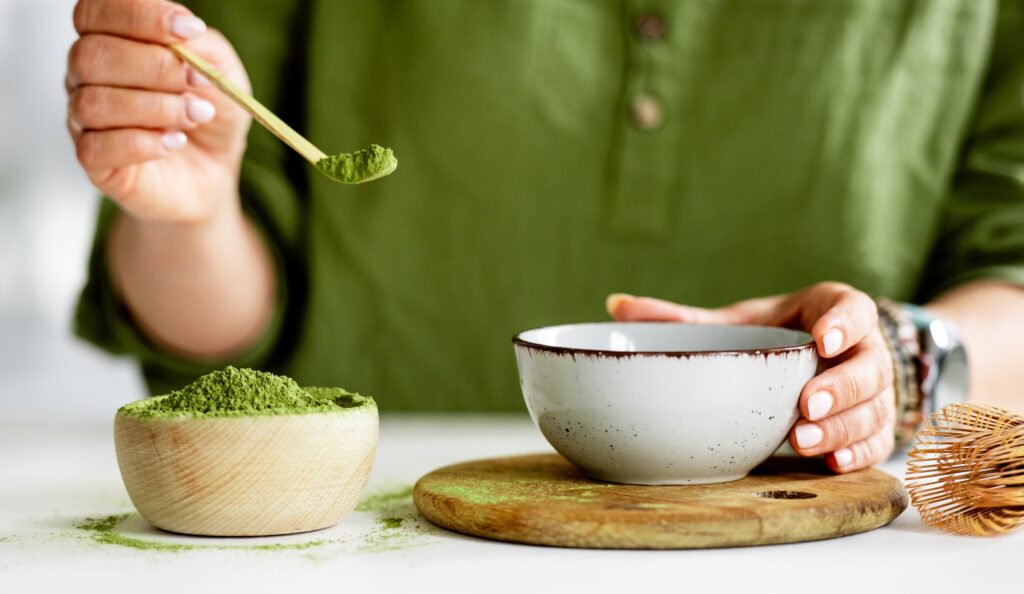
Photo: Shutterstock
After prescription sprays didn’t help and an integrative doctor suggested diet and lifestyle changes, I started exploring what immune-boosting advice was worth following, and what wasn’t
Photo: Shutterstock
[This is part II of my deep dive into integrative medicine. You can read part 1 here]
There’s something you should know about me: I hate being sick. I hate it even more in a post-COVID world, where having the sniffles now comes with an added layer of anxiety about exposing other people. Before COVID, I would tough it out through cold and flu symptoms — coughing and blowing my nose at lunches, meetings, and parties. That’s changed. Friends and co-workers are far more conscious of germs and exposure now, and I can’t blame them. Also, with so many of us able to work from home, there’s little reason to risk spreading illness.
I find that over-the-counter cold remedies don’t do much for me, so I usually wait it out, drinking tea with honey, using a neti pot, and sleeping as much as I can while suffering through a wrenching cough.
So now that you know I hate being sick, imagine my full-body dismay when I came back from traveling in October and suddenly got hit with an intense cold — right before my nephew’s wedding. This is a special nephew, who I raised from the age of 12. This was an important wedding for me.
In an attempt to stop myself from hacking through the ceremony (or worse, being banned from attending!), I went to a local walk-in clinic two weeks before the big event. I was prescribed benzonatate (Tessalon Perles), which calms the cough reflex. That is, it may calm the coughing reflex for most people. It did nothing for me.
At the same time, I was given a prescription for ipratropium bromide nasal spray, which limits mucus production by acting on the glands in the lining of the nasal passages. After taking it, I felt dizzy, my throat was painfully dry, and my food didn’t taste the same. I stopped using it immediately.
(Of note: Ipratropium is also an anticholinergic drug, a class of medications known to cause more side effects as people age. For adults over 65, anticholinergics are flagged in clinical guidelines as drugs that should be used with caution because of those risks.)
With the wedding looming (now only eight days away!), I was still coughing and exhausted, so I went back to the walk-in clinic. This time, I was given albuterol, an inhaled bronchial dilator often prescribed for asthma and COPD, and OTC Mucinex DM.
Thankfully, this combo worked like a miracle. Since I used them simultaneously, I can’t verify which one had what effect on me, but I can tell you that I was told to use the albuterol every four hours, and — right on schedule — every three and a half hours, my cough started emerging again.
While I made it through the wedding symptom-free, this whole experience shifted something in me: While colds seem inevitable, I wanted to believe there was a way to avoid feeling lousy for a month without being so dependent on a drug.
This is what led me to make an appointment with an integrative family medicine physician (something I spoke in depth about in my previous OpEd).
As I explained in the first installment of this series, I’ve seen this new doctor a few times. In this post-wedding appointment, he didn’t examine me – he simply reviewed my health history and we talked. I explained that each year my colds seem to get worse, and that the cough that follows can last four, five, or even more weeks. My goal was to reduce how often I get sick and to stop that miserable cough without having to turn to medication every time.
Because I seemed to have a positive response to albuterol, my new doctor suggested I might be dealing with underlying chronic inflammation (which could make my colds last). He recommended an anti-inflammatory diet and pointed me to Andrew Weil, M.D.’s website for guidance.
Dr. Weil is well known to many people as a longtime proponent of integrative medicine. Trained as a physician at Harvard, he has spent decades advocating for the use of lifestyle approaches, particularly whole-foods–based diets, alongside conventional medical treatment.
Dr. Weil’s anti-inflammation diet is very similar to the Mediterranean diet that I’ve been following for years, so I didn’t have to make many changes. Both diets encourage eating whole foods. Dr. Weil’s approach recommends adding turmeric, ginger, and green tea, eating more fatty fish, and cutting back on wine. It’s also stricter about sugar and white flour.
While I already knew I should probably cut back on red meat and eat more fatty fish, the Weil website also suggests limiting dairy, which makes up a large part of my daily diet. I’d also heard from friends who believed that dairy can worsen upper respiratory symptoms. So I decided to cut it out almost entirely for three weeks as a low-risk experiment to see whether I noticed any difference.
Going dairy-free was a sacrifice. I often have ricotta cheese for breakfast, followed by yogurt or cottage cheese for lunch or as dessert later in the day. I like the high-protein, relatively low-calorie payoff.
I didn’t feel any positive effects from my dairy-free diet. After the three-week experiment, I did some research beyond Weil’s website. I could have — and probably should have — done that first, because I couldn’t find any high-quality studies linking dairy to upper respiratory illness or chronic coughing. So much for the well-meaning amateurs I’d listened to!
I’m back to eating dairy, though it now plays a smaller role in my diet than before. (Reminder to self: do the research via authoritative sources before making lifestyle changes.)
Since cutting out dairy didn’t seem to help, my doctor decided to get more specific around my immune health. I already work out with a trainer twice a week and play tennis a couple of times a week, so simply adding more exercise likely wasn’t the answer. Instead, he asked me to choose three actions from this list: take vitamin D daily; use a neti pot (nasal lavage) every day; drink green tea or gargle with it three times a day, get acupuncture regularly (as general health maintenance), or take fish oil daily. (These were steps he believed would be safe and potentially helpful for me. Of course, other people’s health needs may be very different and call for entirely different approaches.)
Taking vitamin D and fish oil felt easy, so I chose those first. For my third option, I picked green tea. Since I don’t like the taste, I decided to try gargling instead. That turned out to be a mistake. The instructions were to gargle for three minutes, three times a day. After about 10 seconds, I realized I lack whatever skill set is required to gargle. That approach was not going to work for me.
I switched to drinking two cups of green tea a day. Gradually, I found the taste wasn’t so bad, especially after discovering a blend with bits of dried fruit that softened the bitterness I usually notice in green tea.
I’m sure that at my next visit, my integrative doctor will attempt to gently ease me into the next steps for supporting my immune system: using a neti pot regularly and scheduling regular acupuncture. So far, it feels like a small price to pay if it means fewer colds (or at least milder ones).
But that raises the real question: Will all this really help me avoid over-the-counter and prescription cold medicines? I guess I’ll just have to wait and see…

If you’ve experienced side effects or medication issues related to this topic, we want to hear from you.
Submit Your StoryDISCLAIMER: MedShadow provides information and resources related to medications, their effects, and potential side effects. However, it is important to note that we are not a substitute for professional medical advice, diagnosis, or treatment. The content on our site is intended for educational and informational purposes only. Individuals dealing with medical conditions or symptoms should seek guidance from a licensed healthcare professional, such as a physician or pharmacist, who can provide personalized medical advice tailored to their specific circumstances.
While we strive to ensure the accuracy and reliability of the information presented on MedShadow, we cannot guarantee its completeness or suitability for any particular individual’s medical needs. Therefore, we strongly encourage users to consult with qualified healthcare professionals regarding any health-related concerns or decisions. By accessing and using MedShadow, you acknowledge and agree that the information provided on the site is not a substitute for professional medical advice and that you should always consult with a qualified healthcare provider for any medical concerns.


Help fund our fight for improved medication safety and transparency by supporting our independent journalism.
Give NowWe seek to create a world where there are safer medications for all and where all people are fully informed about their medication benefits and side effects, using our explanatory and investigative journalism to both inform and stimulate public discussion to drive toward solutions.
Stream our library on demand, including insights on generic drugs and pain management, straight from experts.
WATCH NOWNo comments yet. Be the first to comment!
