


Menu
 Shedding Light on the Risks
& Benefits of Medications
Shedding Light on the Risks
& Benefits of Medications
Shedding Light on the Risks
& Benefits of Medications Ozempic and Alcohol: Can I Drink While Taking GLP-1 Drugs?
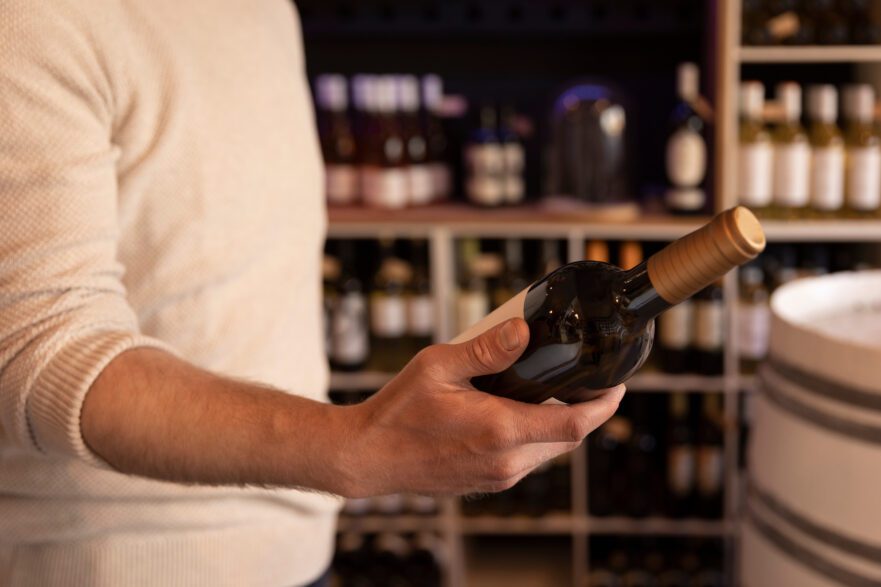
While GLP-1 medications like Ozempic don’t directly interact with alcohol, experts say drinking can intensify side effects and complicate conditions such as diabetes or pancreatitis
September 9, 2025
0 Comments
republish
Medically Reviewed By Gina Jansheski, M.D.
Gina Jansheski, M.D., is a pediatrician with 22 years of practice experience. Dr. Jansheski completed her medical education at the University of Arizona College of Medicine, followed by a pediatric residency and a one-year fellowship in Developmental and Behavioral Pediatrics. She served as the medical director of Tucson Pediatric Hospitalists, providing pediatric hospice and palliative care services.
On this page
Ozempic, Wegovy, Rybelsus. These brand-name medications all contain semaglutide, a glucagon-like peptide-1 (GLP-1) agonist. Collectively, GLP-1 drugs can help treat a wide range of medical conditions, from diabetes to obesity.
According to a 2025 poll from the health policy information organization KFF, about 1 in 8 U.S. adults have taken GLP-1s at some point in their lives. If that includes you, and you find yourself having a drink every now and then, it’s helpful to know that moderate alcohol use has been shown to be safe for most people taking Ozempic and similar drugs.
Still, mixing medications with alcohol always comes with risks.
Ozempic and Alcohol Interaction: What’s the Risk?
Drinking alcohol while taking Ozempic is generally safe, says Marc-Andre Cornier, M.D., director of Endocrinology, Diabetes, and Metabolic Diseases at the Medical University of South Carolina. “There’s no known direct interaction between GLP-1s and alcohol,” he explains.
However, there may be reasons to limit alcohol use if you take Ozempic. Here’s what to watch for:
- Digestive problems affect many people taking GLP-1 drugs. In a study of more than 3,000 people using semaglutide 2.4 mg weekly for weight loss, over 40% reported nausea. In type 2 diabetes studies, up to 20% of people taking Ozempic 1 mg weekly injections experienced nausea. Though digestive issues are usually mild to moderate and improve on their own over time, drinking alcohol can also cause them to worsen. So consider cutting back if you experience these GLP-1 side effects.
- Dehydration can result from vomiting or diarrhea caused by GLP-1s. It’s important to stay hydrated while taking these medications, notes Dr. Cornier, especially if you drink alcohol, which can also dehydrate you.
- Low blood glucose (sugar), or hypoglycemia, is rare with Ozempic and other GLP-1s when taken alone. But if you’re prescribed insulin or other diabetes medications known to lower blood glucose, and/or drink alcohol, your risk goes up. So be sure you know how to recognize and treat hypoglycemia.
- Pancreatitis, or inflammation of the pancreas, is a painful and serious disease. Heavy, long-term alcohol use can lead to pancreatitis. This condition has also been associated with Ozempic and other GLP-1s (though rare). However, recent research has questioned whether the link between these medications and pancreatitis truly exists.
- Weight gain from alcohol use is possible. Alcohol adds calories to your diet, makes you more likely to eat unhealthy foods, and may change the way your body burns fat. So if you’re trying to lose weight with GLP-1s, it’s best to limit the amount of alcohol you drink, says Dr. Cornier.
This guidance also applies to Mounjaro and Zepbound. These medications contain the active ingredient tirzepatide, which works similarly to semaglutide and other GLP-1s.
Can Ozempic Reduce Your Desire to Drink Alcohol?
It’s possible. Semaglutide and tirzepatide may reduce alcohol intake in some adults taking these medications for obesity (without diabetes). But more research is needed before any conclusions can be made. Still, Dr. Cornier notes he sees this with his patients. “They’re telling me they used to drink a glass of wine at night and now they don’t feel like it anymore,” he says.
Semaglutide is also being studied for the treatment of alcohol use disorder (AUD). Anil Makam, M.D., an internal medicine physician at the University of California, San Francisco, notes that GLP-1s may be a future therapeutic option for people with substance use disorders. “There’s a lot of promise for these medications in treating AUD, but we don’t have enough research yet to know for sure,” he says.
Safety Tips for Alcohol Use While on Ozempic
If you’re taking Ozempic, Mounjaro or other GLP-1 drugs, you can drink the occasional glass of wine or cocktail more safely with these tips:
- Know the risks of alcohol. While most alcohol use is generally acceptable for people taking GLP-1s, the World Health Organization stresses that no amount of alcohol is safe for our health. If you do choose to drink alcohol, keep it in the low-to-moderate range. Moderate use is typically defined as one drink or less in a day for women and two drinks or less a day for men.
- Stay hydrated. Since both Ozempic and alcohol can cause dehydration, keeping up your fluid intake is important.
- Monitor your blood glucose levels. If you take a GLP-1 for diabetes, make sure you understand how often to monitor your blood sugar levels, especially if you drink alcohol.

Want to Share Your Story?
If you’ve experienced side effects or medication issues related to this topic, we want to hear from you.
Submit Your Story- American Diabetes Association. (n.d.). Signs, symptoms, and treatment for hypoglycemia (low blood glucose).
- American Diabetes Association. (n.d.). Alcohol and Diabetes.
- American Diabetes Association Professional Practice Committee. (2025). Pharmacologic Approaches to Glycemic Treatment: Standards of Care in Diabetes—2025. Diabetes Care, 48(Suppl 1), S181–S206.
- Ayoub, M., Chela, H., Amin, N., Hunter, R., Anwar, J., Tahan, V., & Daglilar, E. (2025). Pancreatitis risk associated with GLP-1 receptor agonists, considered as a single class, in a comorbidity-free subgroup of type 2 diabetes patients in the United States: A propensity score-matched analysis. Journal of Clinical Medicine, 14(3), 944.
- Benelam B., Wyness L. Hydration and health: a review. Nutrition Bulletin. 2010;35(1):3–25.
- Bozick, R., Donofry, S. D., & Rancaño, K. M. (2025). New weight loss drugs: GLP-1 agonist use and side effects in the United States. RAND.
- Breslow, R. A., Chen, C. M., Graubard, B. I., Jacobovits, T., & Kant, A. K. (2013). Diets of drinkers on drinking and nondrinking days: NHANES 2003–2008. American Journal of Clinical Nutrition, 97(5), 1068–1075.
- Centers for Disease Control and Prevention. (2024). Treatment of low blood sugar (hypoglycemia).
- Hendershot, C. S., Klein, K., et al. (2025). Once-weekly semaglutide in adults with alcohol use disorder: A randomized clinical trial. JAMA Psychiatry, 82(4).
- Klochkov, A., Kudaravalli, P., Lim, Y., & Sun, Y. (2023). Alcoholic pancreatitis. StatPearls.
- Office of Disease Prevention and Health Promotion. (2025). Drink alcohol only in moderation.
- National Institute on Alcohol Abuse and Alcoholism. (n.d.). Hangovers.
- Nielsen, S. J., Kit, B. K., Fakhouri, T., & Ogden, C. L. (2012). Calories consumed from alcoholic beverages by U.S. adults, 2007–2010. National Center for Health Statistics.
- Petrie, G. N., & Mayo, L. M. (2025). GLP-1 receptor agonists for the treatment of alcohol use disorder. Journal of Clinical Investigation, 135(9).
- Quddos, F., Hubshman, Z., Tegge, A., Sane, D., Marti, E., Kablinger, A. S., Gatchalian, K. M., Kelly, A. L., DiFeliceantonio, A. G., & Bickel, W. K. (2023). Semaglutide and tirzepatide reduce alcohol consumption in individuals with obesity. Scientific Reports, 13(1).
- U.S. Food and Drug Administration. (2025). Ozempic (semaglutide) injection [package insert].
- World Health Organization. (2023). No level of alcohol consumption is safe for our health.
- Wharton, S., Calanna, S., Davies, M., Frias, J. P., Goldman, B., Lingvay, I., McGowan, B., Rosenstock, J., Rubino, D. M., Skovgaard, D., Wallenstein, S. O., Wareham, N. J., Wadden, T. A., & Wilding, J. P. H. (2022). Gastrointestinal tolerability of once-weekly semaglutide 2.4 mg in adults with overweight or obesity, and the relationship between gastrointestinal adverse events and weight loss. Diabetes, Obesity and Metabolism, 24(1), 94–105.
- Wilson, D. F., & Matschinsky, F. M. (2020). Ethanol metabolism: The good, the bad, and the ugly. Medical Hypotheses, 140, 109638.
DISCLAIMER: MedShadow provides information and resources related to medications, their effects, and potential side effects. However, it is important to note that we are not a substitute for professional medical advice, diagnosis, or treatment. The content on our site is intended for educational and informational purposes only. Individuals dealing with medical conditions or symptoms should seek guidance from a licensed healthcare professional, such as a physician or pharmacist, who can provide personalized medical advice tailored to their specific circumstances.
While we strive to ensure the accuracy and reliability of the information presented on MedShadow, we cannot guarantee its completeness or suitability for any particular individual’s medical needs. Therefore, we strongly encourage users to consult with qualified healthcare professionals regarding any health-related concerns or decisions. By accessing and using MedShadow, you acknowledge and agree that the information provided on the site is not a substitute for professional medical advice and that you should always consult with a qualified healthcare provider for any medical concerns.
RECOMMENDED:


November 22, 2024
FDA Side Effects Update: GLP-1 Drugs and Breathing Risks
DONATE:
Help fund our fight for improved medication safety and transparency by supporting our independent journalism.
Give NowWe seek to create a world where there are safer medications for all and where all people are fully informed about their medication benefits and side effects, using our explanatory and investigative journalism to both inform and stimulate public discussion to drive toward solutions.
