August 22, 2018
 Shedding Light on the Risks
& Benefits of Medications
Shedding Light on the Risks
& Benefits of Medications 
The Best Way to Treat Heat Rash According to a Doctor
The Best Way to Treat Heat Rash According to a Doctor
Question: It’s summer, and I’m going to be spending a lot of time outdoors. I’m susceptible to heat rash. What is the best treatment for it?
I remember anticipating summer vacation as a kid. We were always busy planning and participating in neighborhood activities — bike rides, hikes, and fishing and camping trips. The neighborhood moms had a ready supply of Band-Aids, Bactine, and antiseptic cream to take care of those expected and inevitable scratches, scrapes, cuts, and insect bites along the way.
But I also remember a couple of occasions when I developed an itchy, stinging rash on my back, abdomen, and upper legs. My mother called it prickly heat or heat rash. It seemed to happen unexpectedly in hot weather. Mowing the lawn in 95-degree weather or traveling in the backseat of a car with clear plastic seat covers and no air conditioning seemed to be some of the causes for me.
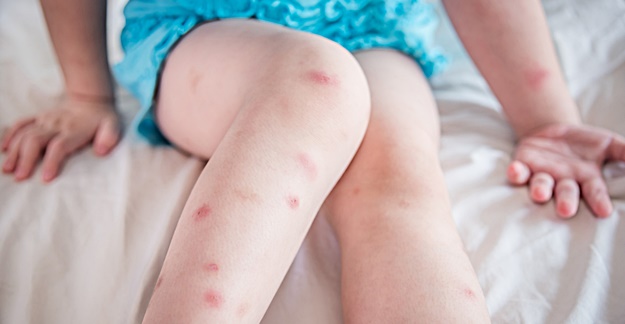
Heat rash is a term used to describe several skin conditions that are brought on by heat exposure or overheating. Also known as prickly heat, sweat rash or miliaria, it can affect anyone and is usually prevalent in hot, humid climates. Heat rash occurs when blocked pores or sweat ducts trap perspiration under the skin, causing inflammation with an itching or stinging sensation. The salty sweat trapped under the skin causes irritation, which can lead to small blisters or red bumps that may become quite inflamed and possibly infected.
Infants tend to be more susceptible to heat rash, possibly due to the fact a newborn’s sweat ducts are not fully developed. Adults who are bedridden or have larger skinfold areas in the groin, under the arm or breasts may also be more susceptible. It’s also not unusual for this type of rash to develop under a fitness tracker worn tightly on the wrist.
In 2014 Fitbit Inc. recalled the Force activity tracker due to thousands of reports of skin irritation caused by the device. The company posted a warning on their site, alerting users to the potential for skin irritation with trackers worn on the wrist and steps that can be taken to help prevent the problem.
New research has determined that a rash resembling prickly heat can be a symptom of COVID-19. Early reports from China and Europe showed that rashes might appear in up to 20% of COVID patients. Further research found that COVID patients exhibit a variety of skin lesions resembling different types of rashes. Most cases of mild heat rash clear up in a few days, but you should seek medical attention if it gets worse or lasts more than a week, or if you have other symptoms at the same time.
The first treatment I recommend is washing the area with cold water and mild soap. Allow the skin to air dry and avoid rubbing with a towel. Try to remain in an air-conditioned environment to allow the skin to cool off. A cool compress like a damp washcloth may be used intermittently for 15 to 20 minutes each hour, but remember to allow the skin to air dry between applications. You want to avoid skin-to-skin contact by placing a clean, dry cotton washcloth or other breathable material under the breasts or between skin folds on the abdomen, underarms, or buttocks.
For mild cases, I recommend using calamine lotion to help control itching. A cool, colloidal oatmeal (ground oatmeal suspended in a liquid, usually water) bath treatment like Aveeno’s seems to help, especially in children. Some people get relief using prickly heat powder or a similar type of powder.
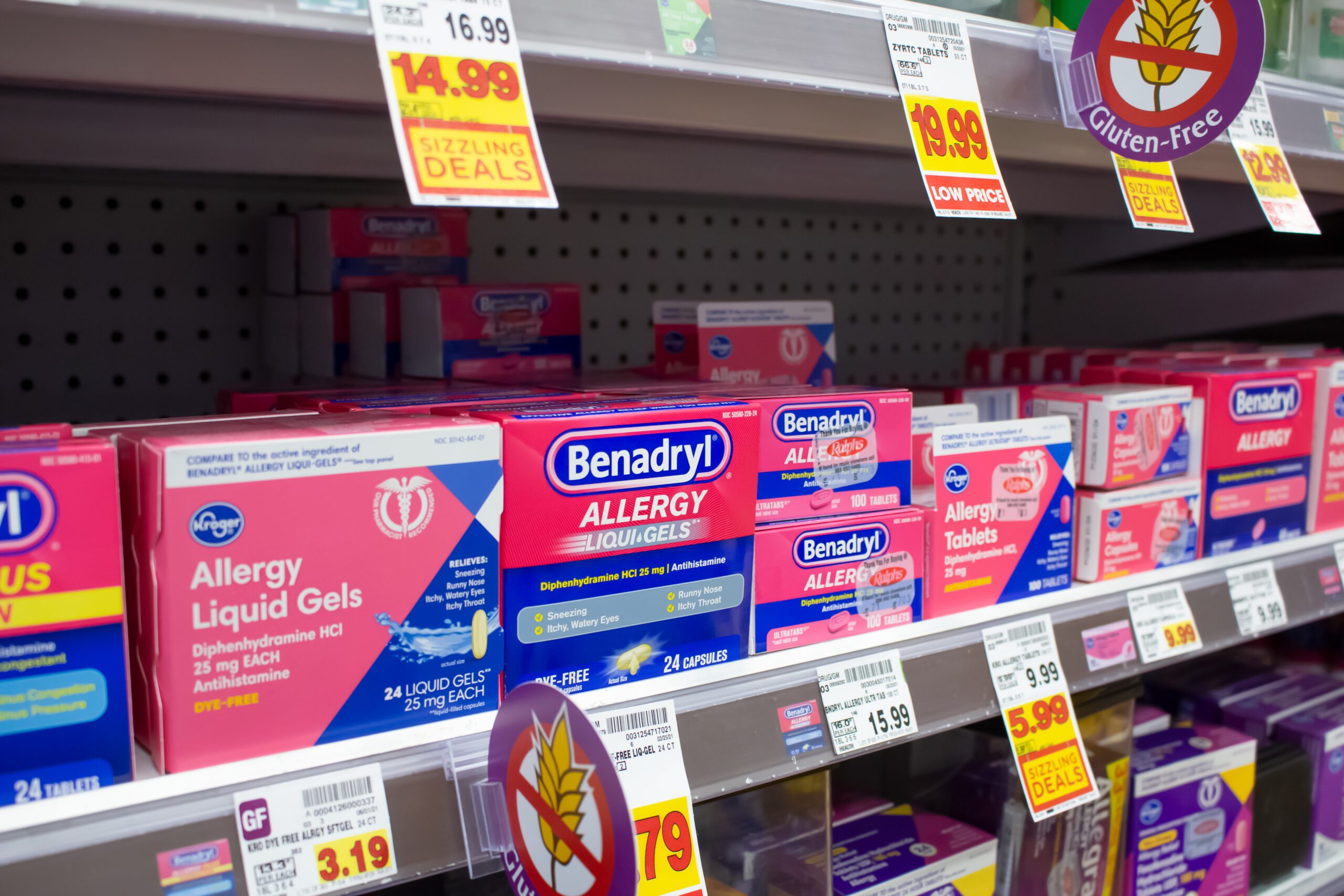
For more severe symptoms, you might need to use over-the-counter topical hydrocortisone cream or mild prescription corticosteroid like triamcinolone cream. Taking an oral antihistamine like Benadryl (diphenhydramine) may help with the itching. As a bonus, it may also help you doze off if the pain and irritation are affecting your sleep.
Although heat rash is unpredictable, heat rash symptoms may be preventable or reduced. You can dress in loose, lightweight cotton clothing that breathes. Avoid wearing synthetic fabrics like acrylic, polyester, or rayon, which hold moisture close to the skin. Drinking plenty of water to remain hydrated helps to keep your body cool, as does spending time in air-conditioned environments. Be creative in finding ways to stay cool in hot weather.

If you’ve experienced side effects or medication issues related to this topic, we want to hear from you.
Submit Your Story
DISCLAIMER: MedShadow provides information and resources related to medications, their effects, and potential side effects. However, it is important to note that we are not a substitute for professional medical advice, diagnosis, or treatment. The content on our site is intended for educational and informational purposes only. Individuals dealing with medical conditions or symptoms should seek guidance from a licensed healthcare professional, such as a physician or pharmacist, who can provide personalized medical advice tailored to their specific circumstances.
While we strive to ensure the accuracy and reliability of the information presented on MedShadow, we cannot guarantee its completeness or suitability for any particular individual’s medical needs. Therefore, we strongly encourage users to consult with qualified healthcare professionals regarding any health-related concerns or decisions. By accessing and using MedShadow, you acknowledge and agree that the information provided on the site is not a substitute for professional medical advice and that you should always consult with a qualified healthcare provider for any medical concerns.

Help fund our fight for improved medication safety and transparency by supporting our independent journalism.
Give NowWe seek to create a world where there are safer medications for all and where all people are fully informed about their medication benefits and side effects, using our explanatory and investigative journalism to both inform and stimulate public discussion to drive toward solutions.
 V.PiskoAugust 6, 2021 4:37 AM
Heat rash is caused by an overgrowth of yeasts and fungus which are normally checked from overpopulating by bacteria.Application of any antibacterial cream will only worsen the symptoms. Laboratories use antibiotic saturated agar media to improve growth of yeasts and fungi in order to identify them.
 Dale'sJuly 7, 2021 11:58 AM
Heat rash is a huge pain! Keep the a/c blowing and stay away from hot surfaces
 LaurieAugust 9, 2020 4:34 PM
The easiest thing to do is use Neosporin to kill any bacteria then apply a good layer of Balmex (diaper rash ointment) for 3 days. It will be gone even if it’s skin on skin. Reapply as needed. I’ve tried everything and this is the only thing that works fast, is soothing and cooling too. Worked the same for my baby’s diaper rash with blisters.
 Diane LewisJuly 3, 2020 3:36 PM
my husband and i just moved from north to south carolina..Hes an auto technician and works in a garage no ac hot humid weather. Tho he never complains and says he needs to adjust to it he’s gotten a case of what I think is heat rash on back and side of his neck…what i read says stay in ac lol what can we do for him being he has to work..thank you.