

Menu
 Shedding Light on the Risks
& Benefits of Medications
Shedding Light on the Risks
& Benefits of Medications
Shedding Light on the Risks
& Benefits of Medications
6 Drugs That Can Cause Kidney Damage
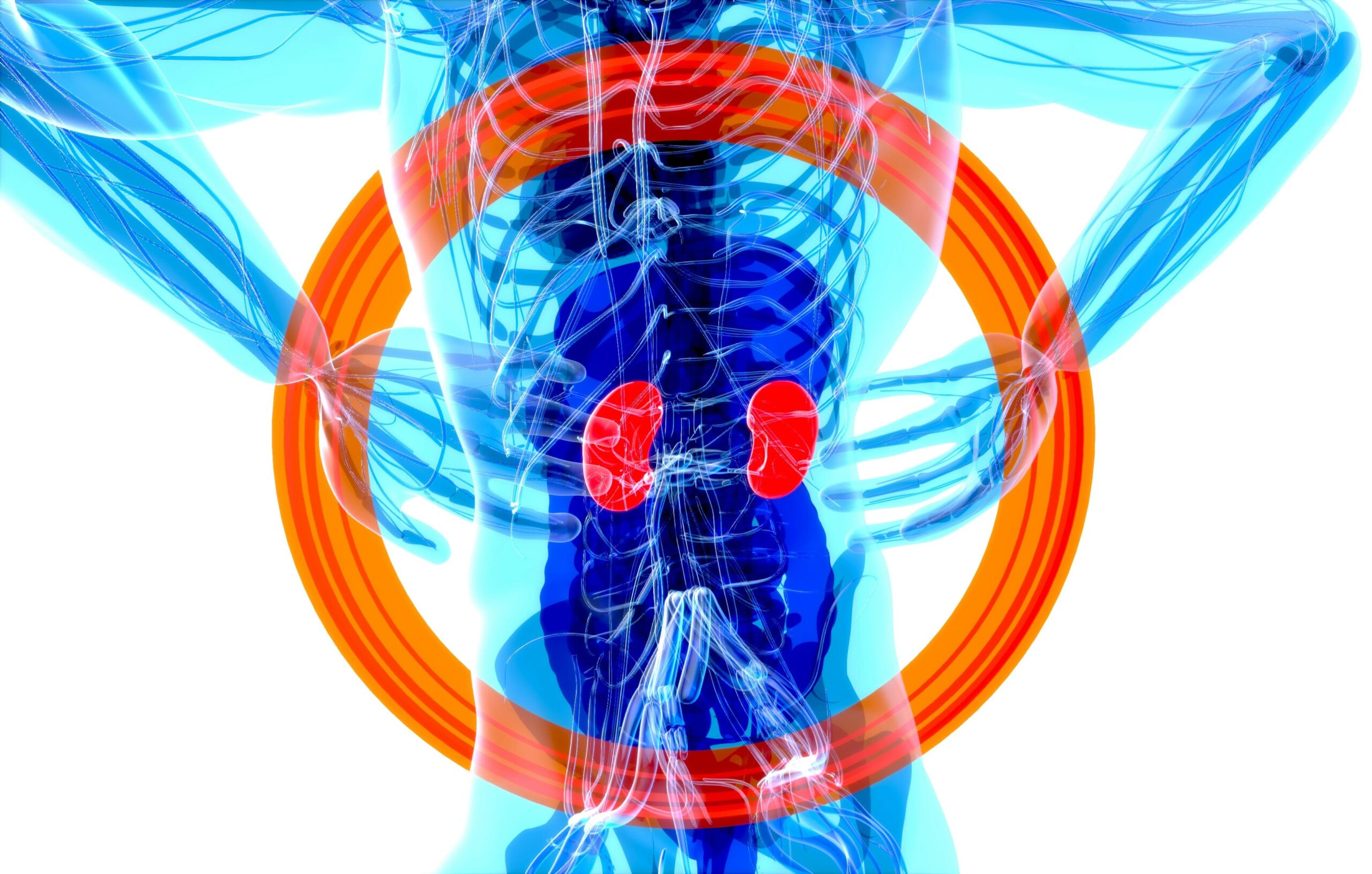
Common OTC and prescription drugs can lead to kidney damage—here’s what you need to know to keep your kidneys safe.
August 7, 2024 (Updated on: January 23, 2026)
0 Comments
Share
on this page:
No matter what kind of medicine you take, whether OTC (over-the-counter) or prescription, it is destined to take a trip through your kidneys. Taking a drug the wrong way or in excessive amounts can damage these vital, bean-shaped organs and lead to serious complications. In the worst-case scenario, it could necessitate a kidney transplant.
“Compared with 30 years ago, patients today are older, have a higher incidence of diabetes and cardiovascular disease, take multiple medications, and are exposed to more diagnostic and therapeutic procedures with the potential to harm kidney function,” Cynthia A. Naughton, PharmD, an associate professor of pharmacy at North Dakota State University, wrote in a 2008 article.1 All of these factors are associated with an elevated risk of kidney damage.
Stay Informed. Sign up for our newsletters.
Independent, science-based journalism delivered directly to your inbox.
Studies have shown an estimated 14-37.5% of adult cases of acute kidney failure were associated with medications.1 The technical term for this scenario is nephrotoxicity, and this complication is growing more common as the population ages, along with the rates of various diseases.2
The kidneys get rid of waste and extra fluid in the body by filtering the blood to produce urine.3 They also keep electrolyte levels balanced and make hormones that influence blood pressure, bone strength and the production of red blood cells. When something interferes with the kidneys, they can’t do their job, so these functions can slow down or stop altogether.
The Dangers of This Damage
Drug-induced kidney problems are often reversible, as long as the offending medication is quickly identified and discontinued. However, you may need to be hospitalized for treatment, depending on the severity of your kidney injury.4,5
Non-Steroidal Anti-Inflammatory Drugs (NSAIDs)
Prescription NSAIDs like ketoprofen and OTC versions, such as Advil (ibuprofen) and Aleve (naproxen), narrow the blood vessels leading to the kidneys.6 Decreased blood flow can injure the kidneys.
Antibiotics
Various classes of antibiotics can also harm the kidneys in different ways. Aminoglycosides such as tobramycin can cause toxicity in renal tubular cells.7 These specific kidney cells play an important role in kidney filtration, which exposes them to high levels of drugs from the bloodstream, making them more sensitive to the toxic effects of those drugs.
Sulfonamides, a group of antimicrobial medications, can produce crystals that do not dissolve in urine, thus blocking the flow of urine. Another antibiotic, vancomycin, can cause kidney swelling and inflammation. For more about antibiotics, see 5 Things You Need to Know About Antibiotics.8
Antiviral Drugs
Antiviral medications such as acyclovir (used for herpes, chickenpox and shingles) may cause kidney swelling and inflammation and can also produce those pesky crystals that won’t dissolve.4
These medications can sometimes cause an immune reaction that leads to inflammation in several parts of the kidney.
Anti Rejection Post-Transplant Medications
Antirejection drugs, including cyclosporine and tacrolimus, can work like NSAIDs, constricting the blood vessels near the urinary organ, which reduces blood flow and negatively affects kidney function.2
HIV Medications
Viread (tenofovir) and Reyataz (atazanavir) and other protease inhibitors can also cause toxicity in the renal tubular cells, which is also a known side effect of other antimicrobials.10, 11
Diuretics
Water pills like hydrochlorothiazide and furosemide, used for high blood pressure and swelling, can cause dehydration, which may also lead to swelling and inflammation of the kidneys.4
Kidney Problems: Symptoms and Diagnosis
Though symptoms and signs of kidney toxicity can vary from person to person, they might include a decreased amount of urine, fatigue, nausea, confusion, shortness of breath and pressure or pain in the chest.12
It is particularly crucial to get professional guidance around managing your medications if you have existing medical conditions, including high blood pressure, diabetes and, of course, kidney disease. If so, it is also important to follow your doctor’s advice about keeping your symptoms under control.
If you are taking meds that might stress your kidney, your healthcare provider can get an idea of your level of kidney function by determining your estimated glomerular filtration rate (GFR).16 This is calculated using your blood creatinine level and is considered the best available test for this purpose because it takes individual factors like age, sex and race into account. It can also be used to adjust your medication dosage based on how well your kidneys are working.
Many medications make their way to your kidneys after you take them, so it’s important to pay attention to any signs that these organs are under stress and mention it to your healthcare provider. Together, you can decide how to manage your treatment to avoid serious, long-term damage wherever possible.
Originally published May 11, 2017, updated by Emma Yasinski on August 7, 2024
- School of Pharmacy. (n.d.). NDSU.
- Naughton, C. A. & North Dakota State University College of Pharmacy, Nursing, and Allied Sciences. (2008). Drug-Induced Nephrotoxicity. American Family Physician, 78(6), 743–750.
- Naughton, C. A. (2008). Drug-Induced Nephrotoxicity. American Family Physician, 78(6), 743–750.
- Your Kidneys & How They Work. (2024, September 11). National Institute of Diabetes and Digestive and Kidney Diseases.
- Cui, Y., Yang, Y., Lei, W., Lang, X., & Chen, J. (2021). The clinicopathological features of drug-induced acute kidney injury—a single-center retrospective analysis. Annals of Translational Medicine, 9(5), 400.
- Roughead, E. E., Kerr, M., Moffat, A., Kassie, G. M., & Pratt, N. (2022). Medicine-Induced Acute Kidney Injury Findings from Spontaneous Reporting Systems, Sequence Symmetry Analysis and a Case–Control Study with a Focus on Medicines Used in Primary Care. Drug Safety, 45(11), 1413–1421.
- Drożdżal, S., Lechowicz, K., Szostak, B., Rosik, J., Kotfis, K., Machoy‐Mokrzyńska, A., Białecka, M., Ciechanowski, K., & Gawrońska‐Szklarz, B. (2021). Kidney damage from nonsteroidal anti‐inflammatory drugs—Myth or truth? Review of selected literature. Pharmacology Research & Perspectives, 9(4).
- Clifford, K. M., Selby, A. R., Reveles, K. R., Teng, C., Hall, R. G., McCarrell, J., & Alvarez, C. A. (2022). The Risk and Clinical Implications of Antibiotic-Associated Acute Kidney Injury: A Review of the Clinical Data for Agents with Signals from the Food and Drug Administration’s Adverse Event Reporting System (FAERS) Database. Antibiotics, 11(10), 1367.
- Azencot, R., Saint-Jacques, C., Haymann, J., Frochot, V., Daudon, M., & Letavernier, E. (2024). Sulfamethoxazole-induced crystal nephropathy: characterization and prognosis in a case series. Scientific Reports, 14(1), 6078.
- Perazella, M. A., & Rosner, M. H. (2022). Drug-Induced Acute Kidney Injury. Clinical Journal of the American Society of Nephrology (CJASN), 17(8), 1220–1233.
- Chadwick, D. R., Barker, F., Smith, C., Perditer, O., Hardy, Y., Owusu, D., Villa, G., Sarfo, F. S., Geretti, A., & Phillips, R. (2024). Prevalence and predictors of long-term progression of chronic kidney disease in people with HIV in Ghana from 2003–2018. BMC Nephrology, 25(1), 241.
- Mtisi, T. J., Ndhlovu, C. E., Maponga, C. C., & Morse, G. D. (2019). Tenofovir-associated kidney disease in Africans: a systematic review. AIDS Research and Therapy, 16(1), 12.
- Kellum, J. A., Romagnani, P., Ashuntantang, G., Ronco, C., Zarbock, A., & Anders, H. (2021). Acute kidney injury. Nature Reviews Disease Primers, 7(1), 52.
- Estimated Glomerular Filtration Rate (eGFR). (n.d.). National Kidney Foundation.
DISCLAIMER: MedShadow provides information and resources related to medications, their effects, and potential side effects. However, it is important to note that we are not a substitute for professional medical advice, diagnosis, or treatment. The content on our site is intended for educational and informational purposes only. Individuals dealing with medical conditions or symptoms should seek guidance from a licensed healthcare professional, such as a physician or pharmacist, who can provide personalized medical advice tailored to their specific circumstances.
While we strive to ensure the accuracy and reliability of the information presented on MedShadow, we cannot guarantee its completeness or suitability for any particular individual’s medical needs. Therefore, we strongly encourage users to consult with qualified healthcare professionals regarding any health-related concerns or decisions. By accessing and using MedShadow, you acknowledge and agree that the information provided on the site is not a substitute for professional medical advice and that you should always consult with a qualified healthcare provider for any medical concerns.
on this page:
RECOMMENDED:


DONATE:
Help fund our fight for improved medication safety and transparency by supporting our independent journalism.
Give NowStay Informed. Sign up for our newsletters.
Independent, science-based journalism delivered directly to your inbox.
About Our Advocacy:
We seek to create a world where there are safer medications for all and where all people are fully informed about their medication benefits and side effects, using our explanatory and investigative journalism to both inform and stimulate public discussion to drive toward solutions.
WEBINARS
Want to hear expert insights about medication safety and other care options? Watch all our past webinars and sign up for upcoming ones.
WATCH Now