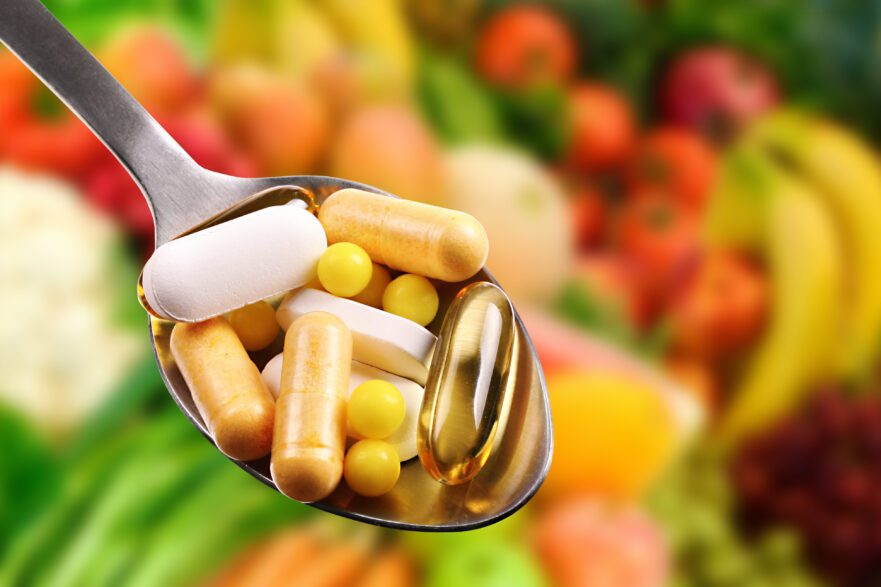
2020 data from the Centers for Disease Control and Prevention (CDC) shows supplements are part of daily life for more than half of U.S. adults. But despite widespread use, these products are not reviewed by the Food and Drug Administration (FDA), even though many people believe they are.
While prescription drugs are rigorously tested, supplements are sold without FDA input. This leaves consumers to sort through the 100,000+ supplements on the market today, many of which are promoted with misleading advertising tactics. This can have consequences for your health and wallet.
Yes, some supplements are backed by evidence, especially when used to address nutritional deficiencies. Even for supplements without strong proof of effectiveness, you and your healthcare provider may decide the potential benefit outweighs the risks. But knowing the difference between how supplements and prescription drugs are regulated and sold, and how to spot a reputable supplement brand, is essential.
Are Supplements FDA-Approved?
No. Supplement companies can put their products on store shelves without being evaluated by the Food and Drug Administration (FDA) for safety or effectiveness, says Heather Viola, D.O., an internal medicine physician and assistant professor of medicine at Mount Sinai in Ansonia, New York.
The current system stems from the Dietary Supplement Health and Education Act (DSHEA) of 1994, which passed after the supplement industry and consumers pushed back against FDA efforts in the 1970s-1990s to regulate supplements. DSHEA placed the responsibility for safety and accurate labeling directly in the hands of supplement companies.
The result? Supplements can now come to market without the FDA’s knowledge at all.
May require manufacturer-sponsored post-marketing studies to gather additional safety data
Labeling oversight by FDA
Certain information, including a “Supplement Facts” label and a statement identifying the product as a supplement, is required. But the FDA doesn’t approve labels before sale.
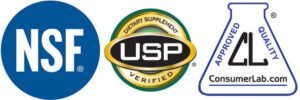
“While no system is perfect,” notes Dr. Viola, “third-party certification tells me the product was at least tested for quality and purity, giving me more confidence when recommending a brand.”
Importantly, though third-party testing can confirm quality, these organizations don’t test for effectiveness,” says Marily Oppezzo, Ph.D., Instructor of Medicine at the Stanford Prevention Research Center and head of the nutrition pillar at Stanford Lifestyle Medicine in Palo Alto, CA. In other words, a third-party seal of approval may mean the label is accurate, but not necessarily that the supplement works.
NSF
USP
ConsumerLab.com
Certify the label is accurate
Yes
Yes
Yes
Checks for contaminants
Yes
Yes
Yes
Ensures proper breakdown in the body
No
Yes
Yes
Evaluates the safety of the product for its intended use
“The perception that natural equals harmless is one of the most dangerous assumptions in supplement use,” says Dr. Viola. Every supplement, even those labeled as “natural,” carries risks.
For supplements without valid research to support their use, “at best, it could be a waste of money, and at worst, it could do something in your body you don’t want it to,” explains Dr. Oppezzo. That’s why it’s wise to check in with your pharmacist, nutritionist, or prescriber before starting a supplement. Here are some supplement concerns to discuss:
They can interact with your medications. Supplements can interact with other prescription and OTC medications and supplements you take. For example, St. John’s wort can affect how well particular medications work, including antidepressants and birth control pills. And fish oil may increase your risk of bleeding when taken with anticoagulants (commonly known as “blood thinners”). Drug interactions are more likely if you take several prescription medications and/or supplements at once.
They can worsen health conditions. Supplements can worsen certain health conditions, such as high blood pressure. If you already have hypertension, for example, it’s best to avoid supplements that might increase it further, such as licorice root.
You may already be getting enough. Foods contain a variety of vitamins, minerals, and nutrients. If you take supplements, especially at high doses, you may be getting too much. And more isn’t always better. For example, getting too much iron can cause nausea, vomiting, and diarrhea. It can also cause more serious problems in extremely high doses.
Some supplement categories are especially risky. Sexual enhancement, weight loss, and bodybuilding supplements have been found to be contaminated with ingredients not listed on the product label, including hidden stimulants or banned substances. “Detox products” also fall into this high-risk group, Dr. Viola notes.
This is where supplements may help fill nutritional gaps. But it’s a mistake to rely on supplements as a replacement for healthy eating. The best approach is to talk with a trusted healthcare professional about your diet, and consider testing for nutrient deficiencies. Then, you can work with your healthcare team to optimize your diet and/or incorporate supplements if necessary.
Outside of addressing dietary deficienciest, supplements have proven benefits in other situations, too. For example, vitamin D and calcium may be recommended for certain people with osteoporosis (weakened bones), and vitamin B12 is often recommended for vegans. But keep in mind that even in these cases, the need for supplements arises from the likelihood that these individuals don’t consume enough of these nutrients through food.
Even in cases where a supplement hasn’t been proven effective, it may be reasonable to take it if the risks are low, Dr. Oppezzo explains. But it’s important to discuss this with a trusted healthcare professional first. And if you’re researching on your own, look for peer-reviewed studies of the supplement in question. A peer-reviewed study is one that’s been checked for quality and accuracy by independent experts.
Your Safer Supplement Shopping Checklist
You’ve talked to your healthcare provider and you’ve agreed the supplement in question is safe to take (or at least low-risk). Now, you’re standing in the grocery store aisle, trying to decide which brand to choose. Here’s a simple checklist to guide your decision:
Check the label. It should contain certain information, including all active and inactive ingredients, and a statement that identifies the product as a dietary supplement.
Look for third-party seals. Certifications from USP, NSF, or ConsumerLab.com increase the odds that a product contains what the label says, without contaminants or additional ingredients, notes Dr. Oppezzo.
Beware of misleading advertising tactics. If the bottle says “natural”or “pharmaceutical grade,” this is marketing, not science, explains Dr. Oppezzo. Phrases like “FDA-approved laboratory” and “contains clinically tested ingredients” are purposefully misleading, since the FDA doesn’t test supplements before they’re sold.
Don’t believe the hype. Dr. Viola warns consumers to look out for outlandish claims, such as “cures cancer” or “instantly burns fat”. Statements like these are illegal.
Be wary of “proprietary blends”. Proprietary blend is a term used by supplement companies to avoid disclosing exact amounts of ingredients contained in the product. This increases the chances you could get too much of an active ingredient.
Buy from trusted sources. Buying directly from a company’s website or at a physical store is usually safer than buying from online marketplaces like Amazon. Online marketplaces may list products that don’t actually contain what they claim, and/or they contain undeclared ingredients. If you do buy from a website like Amazon, buy directly from the brand’s “storefront” versus a third-party seller.
To summarize, supplements may support overall health for some people, but they may not be necessary for everyone. In many cases, the foundations of good health can be met through the basics: eating a range of nutritious foods, getting adequate physical activity, and lowering stress, just to name a few. Still, supplements can help fill nutritional gaps in your diet, or you may choose to try certain products to enhance your quality of life. Whatever you decide to do, weighing the benefits and risks with a trusted healthcare professional is always a great starting place.
DISCLAIMER: MedShadow provides information and resources related to medications, their effects, and potential side effects. However, it is important to note that we are not a substitute for professional medical advice, diagnosis, or treatment. The content on our site is intended for educational and informational purposes only. Individuals dealing with medical conditions or symptoms should seek guidance from a licensed healthcare professional, such as a physician or pharmacist, who can provide personalized medical advice tailored to their specific circumstances.
While we strive to ensure the accuracy and reliability of the information presented on MedShadow, we cannot guarantee its completeness or suitability for any particular individual’s medical needs. Therefore, we strongly encourage users to consult with qualified healthcare professionals regarding any health-related concerns or decisions. By accessing and using MedShadow, you acknowledge and agree that the information provided on the site is not a substitute for professional medical advice and that you should always consult with a qualified healthcare provider for any medical concerns.
Independent, science-based journalism delivered directly to your inbox.
About Our Advocacy:
We seek to create a world where there are safer medications for all and where all people are fully informed about their medication benefits and side effects, using our explanatory and investigative journalism to both inform and stimulate public discussion to drive toward solutions.


 Shedding Light on the Risks
& Benefits of Medications
Shedding Light on the Risks
& Benefits of Medications