
Menu
 Shedding Light on the Risks
& Benefits of Medications
Shedding Light on the Risks
& Benefits of Medications
Shedding Light on the Risks
& Benefits of Medications
INVESTIGATING GENERICS: FDA Records Show Drug Companies Are Skipping Safety Checks

Photo: Shutterstock
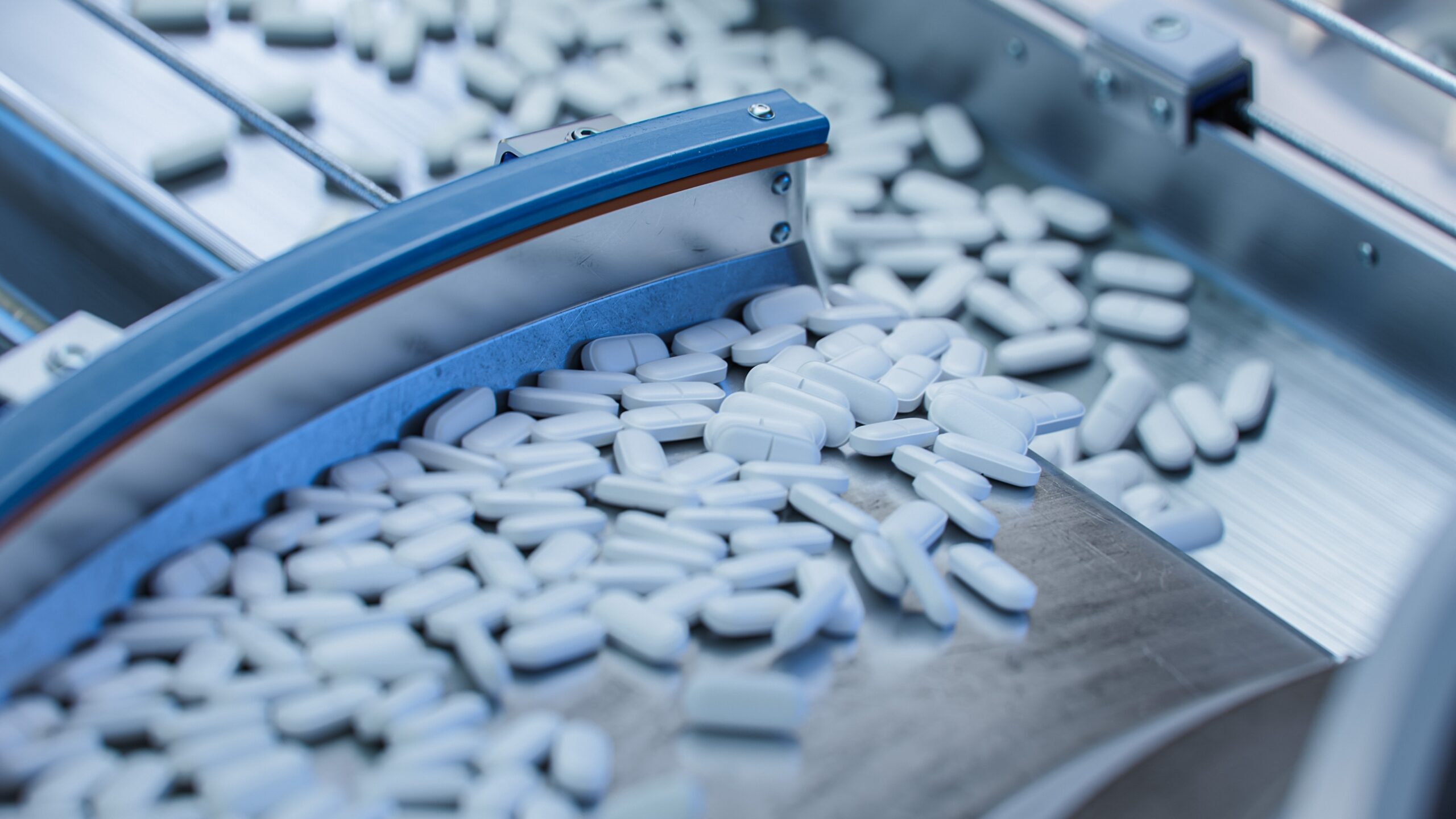
The most common violations cited during FDA inspections involve companies failing to test ingredients, review manufacturing records, or follow basic quality control procedures
March 30, 2026
0 Comments
republish
Photo: Shutterstock
FACT CHECKED
 republish this story
on this page:
Drug manufacturers are required to test the ingredients that go into medications before they reach pharmacy shelves. But FDA inspection records show that in many cases, those basic safety checks are being skipped.
In December 2025, the agency issued a scathing Warning Letter to Seaway Pharmaceuticals, a manufacturer of generic, over-the-counter cold medicines for children and infants. Inspectors found the company had failed to test its ingredients for diethylene glycol or ethylene glycol — toxic contaminants that have been linked to hundreds of deaths worldwide.
A Warning Letter Reveals a Larger Problem
Many liquid medications contain glycerin, an inactive ingredient that improves the taste and texture of some drugs. But diethylene glycol and ethylene glycol have similar properties, and experts say suppliers have a history of substituting or intentionally mislabeling them as glycerin or related ingredients. In other cases, contamination can occur during manufacturing.
Drug manufacturers are required to verify the identity of the ingredients they purchase before using them in medications and review all documentation created during the drug’s manufacture to guarantee quality before release. In Seaway’s case, FDA inspectors found that this verification was not performed.
While the risks of diethylene glycol and ethylene glycol contamination are unique to certain medications, the broader problems FDA inspectors described witnessing inside Seaway’s facility are not rare. In fact, the first citation highlighted — 21 CFR 211.22(d), failure to establish adequate written responsibilities and procedures applicable to the quality control unit and to follow such written procedures — has been the second most common problem cited by the FDA since 2014.
Here’s what that citation, and the closely related, most common citation, 21 CFR 211.192, actually mean for you and the safety of the medications you take.
Failure to Perform Quality and Safety Checks: What the Two Most Common Drug Manufacturing Violations Mean
Between 2014 and 2025, inspectors cited violations of 21 CFR 211.22(d) and 21 CFR 211.192 more than 3,200 times — often together. In 2025, citations for both increased.
“Both of these citations point to insufficient quality assurance oversight,” says Peter Baker, a former FDA inspector who has testified before the Senate Committee on Aging and participated in one of MedShadow’s webinars on drug safety.
Stay Informed. Sign up for our newsletters.
Independent, science-based journalism delivered directly to your inbox.
In practice, that means companies may not be verifying what’s in their ingredients, reviewing manufacturing records, or investigating problems before drugs are released.
When this quality assurance is missed, contaminated or substandard drugs can reach pharmacies and hospitals, with consequences that only become clear after people are harmed.
21 CFR 211.22(d), Failure to Document and Follow Quality Control Unit Responsibilities
This rule requires that the responsibilities of a facility’s quality control unit — a group of employees dedicated to overseeing the quality of a drug manufacturer’s product — be documented in writing and consistently followed. The quality control unit is responsible for ensuring that all medications meet the required safety and quality standards before leaving the facility. To do this, the quality control unit must have the authority to inspect all drug components, develop standards for testing the identity and purity of drug ingredients, and reject any products that do not meet its standards.
In Seaway’s case, the December Warning Letter stated that for the 13 months between April 2024 and May 2025, several batches of drug products were released without adequate testing for strength or other quality measures, including microbial contamination.
21 CFR 211.192, Failure to Properly Review All Documentation
21 CFR 211.192 requires companies to review all records produced during the manufacture of a product, such as documentation that compares the expected amount of product produced by a particular process to the actual amount produced, before the product is released to a purchaser. If any discrepancy is found, the company must complete a full investigation, even if the product has already been shipped. That investigation must also assess whether additional batches of the same drug may have been affected by the same issue.
Although it wasn’t referenced in the Warning Letter, during the same June 2025 inspection, Seaway was cited for failure to investigate such a discrepancy.
3 Other Problems Inspectors Commonly Find
Three additional common citations include:
21 CFR 211.100(a): Failure to establish written procedures for production and process control, which would assure that products have the identity, strength, and quality required, approved by the quality control unit.
21 CFR 211.160 (b): Failure to establish scientifically sound and appropriate specifications, standards, sampling plans, and test procedures to assure that components, drug product containers, closures, in-process materials, labeling, and drug products meet required standards of identity, strength, quality, and purity.
21 CFR 211.113(b): Failure to have or follow written procedures to prevent microbial contamination of sterile products.
All reflect a company’s inability to ensure the safety of its medications.
How to Track Drug Manufacturing Violations Yourself
Current inspection data suggests that relying solely on manufacturers to police themselves leaves critical gaps in oversight.
MedShadow has called for reforms to improve drug quality and safety. One possible solution is to require an independent third party, such as an academic lab, government lab, or private company, to chemically analyze a sample from each batch of drug before it is released to consumers.
If you want to dig into warning letters sent to the facilities that manufacture your medications, you can find a searchable list of warning letters here. You can also explore the more detailed inspection records, citations, and product recalls on the FDA’s Inspections Data Dashboard.
- Research, C. F. D. E. A. (2025, December 1). Seaway Pharma Inc. - 717355 - 12/01/2025. U.S. Food And Drug Administration.
- World Health Organization. (2023, January 23). WHO urges action to protect children from contaminated medicines
- Nallathambi, K., & Cadwallader, A. B. (2024). How should regulators and manufacturers prevent avoidable deaths of children from contaminated cough syrup? The AMA Journal of Ethic, 26(4), E289-294.
- 21 CFR 211.192 -- Production record review. (n.d.).
- FDA dashboards - inspections. (n.d.).
DISCLAIMER: MedShadow provides information and resources related to medications, their effects, and potential side effects. However, it is important to note that we are not a substitute for professional medical advice, diagnosis, or treatment. The content on our site is intended for educational and informational purposes only. Individuals dealing with medical conditions or symptoms should seek guidance from a licensed healthcare professional, such as a physician or pharmacist, who can provide personalized medical advice tailored to their specific circumstances.
While we strive to ensure the accuracy and reliability of the information presented on MedShadow, we cannot guarantee its completeness or suitability for any particular individual’s medical needs. Therefore, we strongly encourage users to consult with qualified healthcare professionals regarding any health-related concerns or decisions. By accessing and using MedShadow, you acknowledge and agree that the information provided on the site is not a substitute for professional medical advice and that you should always consult with a qualified healthcare provider for any medical concerns.
on this page:
RECOMMENDED:

DONATE:
Help fund our fight for improved medication safety and transparency by supporting our independent journalism.
Give NowStay Informed. Sign up for our newsletters.
Independent, science-based journalism delivered directly to your inbox.
We seek to create a world where there are safer medications for all and where all people are fully informed about their medication benefits and side effects, using our explanatory and investigative journalism to both inform and stimulate public discussion to drive toward solutions.
WEBINARS
Learn about your medications and treatment options straight from independent experts.
WATCH
Article HTML
                    <!-- wp:paragraph -->
<p>Drug manufacturers are required to test the ingredients that go into medications before they reach pharmacy shelves. But FDA inspection records show that in many cases, those basic safety checks are being skipped.</p>
<!-- /wp:paragraph -->

<!-- wp:paragraph -->
<p>In December 2025, the agency issued a scathing <a href="https://www.fda.gov/inspections-compliance-enforcement-and-criminal-investigations/warning-letters/seaway-pharma-inc-717355-12012025" target="_blank" rel="noreferrer noopener">Warning Letter</a> to Seaway Pharmaceuticals, a manufacturer of generic, over-the-counter cold medicines for children and infants. Inspectors found the company had failed to test its ingredients for diethylene glycol or ethylene glycol — toxic contaminants that have been linked to <a href="https://www.who.int/news/item/23-01-2023-who-urges-action-to-protect-children-from-contaminated-medicines#:~:text=Over%20the%20past%20four%20months,all%20194%20WHO%20Member%20States.">hundreds of deaths</a> worldwide.</p>
<!-- /wp:paragraph -->

<!-- wp:heading -->
<h2 class="wp-block-heading">A Warning Letter Reveals a Larger Problem</h2>
<!-- /wp:heading -->

<!-- wp:paragraph -->
<p>Many liquid medications contain glycerin, an inactive ingredient that improves the taste and texture of some drugs. But diethylene glycol and ethylene glycol have similar properties, and experts say suppliers have a history of substituting or <a href="https://journalofethics.ama-assn.org/article/how-should-regulators-and-manufacturers-prevent-avoidable-deaths-children-contaminated-cough-syrup/2024-04">intentionally </a>mislabeling them as glycerin or related ingredients. In other cases, contamination can occur during manufacturing.</p>
<!-- /wp:paragraph -->

<!-- wp:paragraph -->
<p>Drug manufacturers are required to verify the identity of the ingredients they purchase before using them in medications and review all documentation created during the drug’s manufacture to guarantee quality before release. In Seaway’s case, FDA inspectors found that this verification was not performed.</p>
<!-- /wp:paragraph -->

<!-- wp:paragraph -->
<p>While the risks of diethylene glycol and ethylene glycol contamination are unique to certain medications, the broader problems FDA inspectors described witnessing inside Seaway’s facility are not rare. In fact, the first citation highlighted — <strong>21 CFR 211.22(d)</strong>, <strong>failure to establish adequate written responsibilities and procedures applicable to the quality control unit and to follow such written procedures — </strong>has been the second most common problem cited by the FDA since 2014.</p>
<!-- /wp:paragraph -->

<!-- wp:paragraph -->
<p>Here’s what that citation, and the closely related, most common citation, <a href="https://www.ecfr.gov/current/title-21/chapter-I/subchapter-C/part-211/subpart-J/section-211.192">21 CFR 211.192</a>, actually mean for you and the safety of the medications you take.</p>
<!-- /wp:paragraph -->

<!-- wp:heading -->
<h2 class="wp-block-heading">Failure to Perform Quality and Safety Checks: What the Two Most Common Drug Manufacturing Violations Mean</h2>
<!-- /wp:heading -->

<!-- wp:paragraph -->
<p>Between 2014 and 2025, inspectors cited violations of 21 CFR 211.22(d) and 21 CFR 211.192 more than 3,200 times — often together. In 2025, citations for both increased.</p>
<!-- /wp:paragraph -->

<!-- wp:paragraph -->
<p>“Both of these citations point to insufficient quality assurance oversight,” says Peter Baker, a former FDA inspector who has testified before the Senate Committee on Aging and participated in one of <a href="https://medshadow.org/webinars/">MedShadow’s webinars on drug safety</a>.</p>
<!-- /wp:paragraph -->

<!-- wp:paragraph -->
<p>In practice, that means companies may not be verifying what’s in their ingredients, reviewing manufacturing records, or investigating problems before drugs are released.</p>
<!-- /wp:paragraph -->

<!-- wp:paragraph -->
<p>When this quality assurance is missed, contaminated or substandard drugs can reach pharmacies and hospitals, with consequences that only become clear after people are harmed.</p>
<!-- /wp:paragraph -->

<!-- wp:heading {"level":3} -->
<h3 class="wp-block-heading">21 CFR 211.22(d), Failure to Document and Follow Quality Control Unit Responsibilities</h3>
<!-- /wp:heading -->

<!-- wp:paragraph -->
<p>This rule requires that the responsibilities of a facility’s quality control unit — a group of employees dedicated to overseeing the quality of a drug manufacturer’s product — be documented in writing and consistently followed. The quality control unit is responsible for ensuring that all medications meet the required safety and quality standards before leaving the facility. To do this, the quality control unit must have the authority to inspect all drug components, develop standards for testing the identity and purity of drug ingredients, and reject any products that do not meet its standards. </p>
<!-- /wp:paragraph -->

<!-- wp:paragraph -->
<p>In Seaway’s case, the December Warning Letter stated that for the 13 months between April 2024 and May 2025, several batches of drug products were released without adequate testing for strength or other quality measures, including microbial contamination.</p>
<!-- /wp:paragraph -->

<!-- wp:heading {"level":3} -->
<h3 class="wp-block-heading">21 CFR 211.192, Failure to Properly Review All Documentation</h3>
<!-- /wp:heading -->

<!-- wp:paragraph -->
<p>21 CFR 211.192 requires companies to review all records produced during the manufacture of a product, such as documentation that compares the expected amount of product produced by a particular process to the actual amount produced, before the product is released to a purchaser. If any discrepancy is found, the company must complete a full investigation, even if the product has already been shipped. That investigation must also assess whether additional batches of the same drug may have been affected by the same issue.</p>
<!-- /wp:paragraph -->

<!-- wp:paragraph -->
<p>Although it wasn’t referenced in the Warning Letter, during the same June 2025 inspection, Seaway was cited for failure to investigate such a discrepancy.</p>
<!-- /wp:paragraph -->

<!-- wp:heading {"level":3} -->
<h3 class="wp-block-heading">3 Other Problems Inspectors Commonly Find</h3>
<!-- /wp:heading -->

<!-- wp:paragraph -->
<p>Three additional common citations include:</p>
<!-- /wp:paragraph -->

<!-- wp:paragraph -->
<p><a href="https://www.ecfr.gov/current/title-21/chapter-I/subchapter-C/part-211/subpart-F/section-211.100#p-211.100(a)">21 CFR 211.100(a)</a>: Failure to establish written procedures for production and process control, which would assure that products have the identity, strength, and quality required, approved by the quality control unit.</p>
<!-- /wp:paragraph -->

<!-- wp:paragraph -->
<p><a href="https://www.ecfr.gov/current/title-21/chapter-I/subchapter-C/part-211/subpart-I/section-211.160#p-211.160(b)">21 CFR 211.160 (b)</a>: Failure to establish scientifically sound and appropriate specifications, standards, sampling plans, and test procedures to assure that components, drug product containers, closures, in-process materials, labeling, and drug products meet required standards of identity, strength, quality, and purity.</p>
<!-- /wp:paragraph -->

<!-- wp:paragraph -->
<p><a href="https://www.ecfr.gov/current/title-21/chapter-I/subchapter-C/part-211/subpart-F/section-211.113" target="_blank" rel="noreferrer noopener">21 CFR 211.113(b)</a>: Failure to have or follow written procedures to prevent microbial contamination of sterile products. </p>
<!-- /wp:paragraph -->

<!-- wp:paragraph -->
<p>All reflect a company’s inability to ensure the safety of its medications.</p>
<!-- /wp:paragraph -->

<!-- wp:html -->
<div class="flourish-embed flourish-chart" data-src="visualisation/27230822"><script src="https://public.flourish.studio/resources/embed.js"></script><noscript><img src="https://public.flourish.studio/visualisation/27230822/thumbnail" width="100%" alt="chart visualization" /></noscript></div>
<!-- /wp:html -->

<!-- wp:heading -->
<h2 class="wp-block-heading">How to Track Drug Manufacturing Violations Yourself </h2>
<!-- /wp:heading -->

<!-- wp:paragraph -->
<p>Current inspection data suggests that relying solely on manufacturers to police themselves leaves critical gaps in oversight.</p>
<!-- /wp:paragraph -->

<!-- wp:paragraph -->
<p>MedShadow has called for reforms to improve drug quality and safety. One possible solution is to require an independent third party, such as an academic lab, government lab, or private company, to chemically analyze a sample from each batch of drug before it is released to consumers. </p>
<!-- /wp:paragraph -->

<!-- wp:paragraph -->
<p>If you want to dig into warning letters sent to the facilities that manufacture your medications, you can find a searchable list of warning letters <a href="https://www.fda.gov/inspections-compliance-enforcement-and-criminal-investigations/compliance-actions-and-activities/warning-letters">here</a>. You can also explore the more detailed inspection records, citations, and product recalls on the FDA’s <a href="https://datadashboard.fda.gov/oii/cd/inspections.htm">Inspections Data Dashboard</a>.</p>
<!-- /wp:paragraph -->