
June 24, 2026
 Shedding Light on the Risks
& Benefits of Medications
Shedding Light on the Risks
& Benefits of Medications 
Photo: Shutterstock
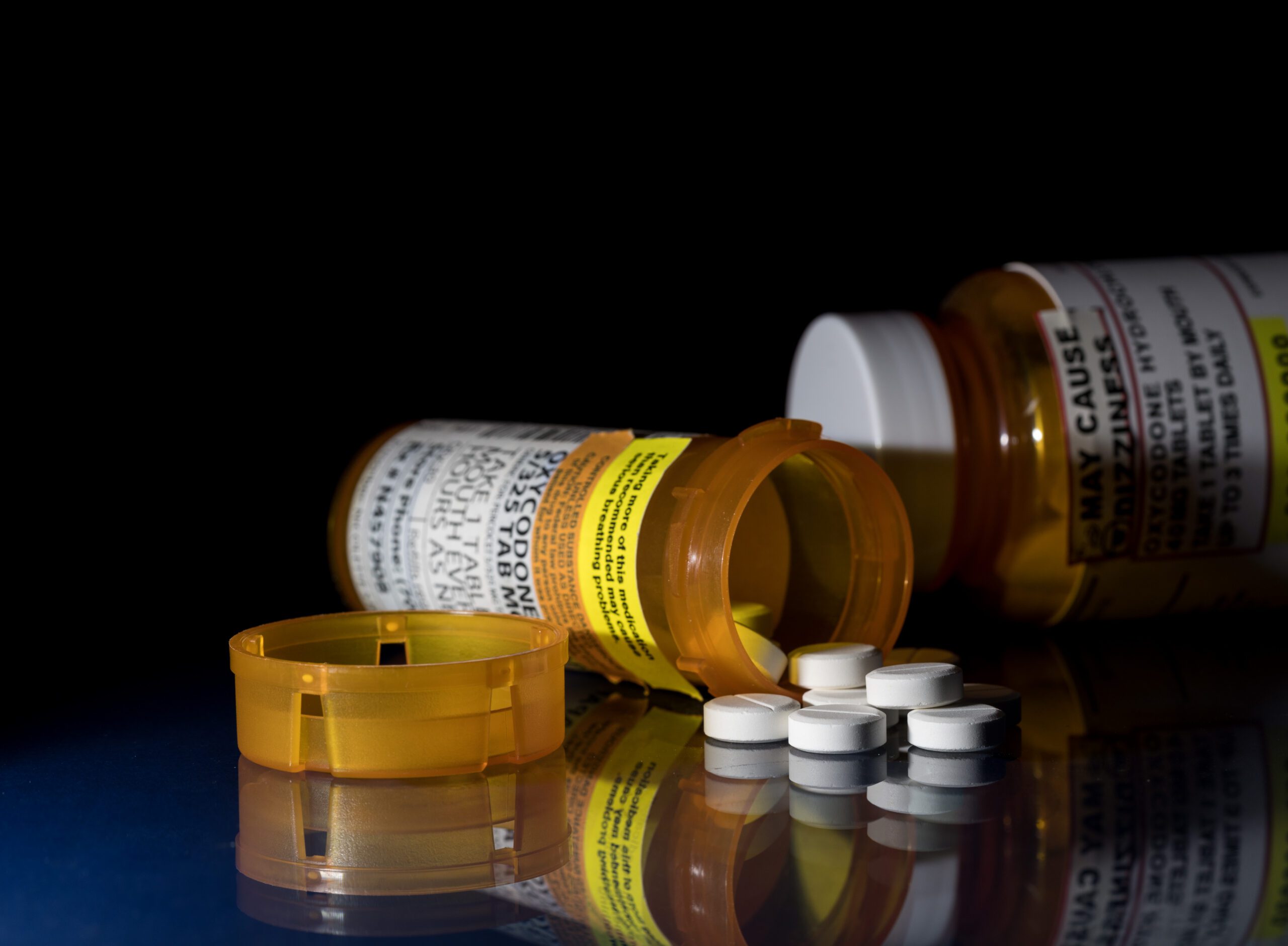
A newly published academic analysis finds widespread quality failures and gaps in recall notices that could affect patient safety
Photo: Shutterstock
|
Getting your Trinity Audio player ready... |
When MedShadow began looking into the quality of opioids made by different manufacturers last year, we expected to find at least some independent testing. We found none.
A search of the medical literature turned up no published studies that chemically analyzed or compared the quality of widely prescribed opioids from one manufacturer to another.
So we built our own dataset. For an article published in November 2025, we reviewed and compiled publicly available FDA recall data to see how often common opioids were listed. We then shared those findings with several physicians who prescribe opioids to treat pain and substance use disorders.
One of the physicians we consulted, Julio Nunes, M.D., a fourth-year psychiatry resident at Yale University and chief resident of outpatient and addiction services at the West Haven Veterans Affairs (VA), was inspired by our work to conduct his own academic analysis of opioid recalls from 2002-2025, which was published today in Pharmacology and Drug Safety.
Dr. Nunes and his team found that opioid recall notices frequently lacked the information needed to determine how much risk patients actually faced.
In their paper, Dr. Nunes and his coauthors write that most opioid safety research has focused on misuse or illegal sales rather than manufacturing quality. “Given the narrow therapeutic index and high clinical risk of opioids, deviations in potency, purity, or delivery could have meaningful clinical implications,” they wrote. Despite those risks, they added, there has been no systematic evaluation of opioid recalls.
“Given the narrow therapeutic index and high clinical risk of opioids, deviations in potency, purity, or delivery could have meaningful clinical implications.”
Using the same Enforcement Reports database that MedShadow examined, Dr. Nunes and his team sorted each recall by severity and cause, relying on the details provided in the notices. They also assessed how complete and informative the notices were in conveying patient risk. Most recalls (66.5%) were categorized as Class II, indicating a risk of temporary harm. But 12.2% were Class I recalls, the most serious category, signaling a risk of severe harm or even death for patients using the medication. The rest are Class III, suggesting harm was unlikely.
Based on the information available in the notices, Dr. Nunes and his team determined that the most common cause for a recall — accounting for 49.5% of all opioid recalls — was quality assurance failures. Most of those recalls pointed to problems at manufacturing facilities, suggesting the manufacturer did not follow the necessary procedures to ensure the safety and efficacy of each batch of medication. Another 14.4% of recalls were tied to mispackaging or mislabeling, 13.7% to incorrect dose or potency, 12.3% to defective products or delivery systems, and 10.1% to contamination.
Such defects can carry real clinical consequences. Recalls involving underdosing, variable potency, or delivery-system failures could leave patients in withdrawal or without adequate pain control, the authors note, outcomes that might be mistaken for nonadherence or tolerance. At the other extreme, higher-than-intended potency could increase the risk of overdose, “particularly when opioids are co-administered with other central nervous system depressants,” the authors continued.
Another key finding, according to Nunes’ team, was that information about the events leading to recalls does not always reach patients or clinicians in a timely way, leaving them at risk. They recommend linking FDA recall notifications to electronic health records so healthcare providers can more easily track recalls, alert patients, and assess risk after exposure to a recalled medication.
To stay on top of recall notices yourself, visit the FDA Enforcement Reports website and subscribe to email alerts for any medications you’re interested in. For more detailed information, you can also check for updates on MedShadow’s FDA Recalls and Warnings series.

If you’ve experienced side effects or medication issues related to this topic, we want to hear from you.
Submit Your StoryDISCLAIMER: MedShadow provides information and resources related to medications, their effects, and potential side effects. However, it is important to note that we are not a substitute for professional medical advice, diagnosis, or treatment. The content on our site is intended for educational and informational purposes only. Individuals dealing with medical conditions or symptoms should seek guidance from a licensed healthcare professional, such as a physician or pharmacist, who can provide personalized medical advice tailored to their specific circumstances.
While we strive to ensure the accuracy and reliability of the information presented on MedShadow, we cannot guarantee its completeness or suitability for any particular individual’s medical needs. Therefore, we strongly encourage users to consult with qualified healthcare professionals regarding any health-related concerns or decisions. By accessing and using MedShadow, you acknowledge and agree that the information provided on the site is not a substitute for professional medical advice and that you should always consult with a qualified healthcare provider for any medical concerns.
Help fund our fight for improved medication safety and transparency by supporting our independent journalism.
Give NowWe seek to create a world where there are safer medications for all and where all people are fully informed about their medication benefits and side effects, using our explanatory and investigative journalism to both inform and stimulate public discussion to drive toward solutions.
Stream our library on demand, including insights on generic drugs and pain management, straight from experts.
WATCH NOW Kristel TjandraFebruary 23, 2026 4:38 PM
The drug recall system is meant to protect the public. However, the decline in foreign and domestic inspections and the FDA’s persistent challenges in maintaining good manufacturing practices mean that faulty drugs do remain in circulation unnoticed. When it comes to opioids, the gap between effective pain relief and toxicity is a matter of milligrams (a few grains of salt!). That leaves almost no room for error.
 Suzanne RobottiFebruary 23, 2026 1:38 PM
I just read this article and I’m incredibly proud that our staff work inspired research that is so important !! Saving lives – great work!