

February 1, 2023
 Shedding Light on the Risks
& Benefits of Medications
Shedding Light on the Risks
& Benefits of Medications 
Marijuana Edibles Can Pose Dangers to Those With Heart Conditions
Marijuana Edibles Can Pose Dangers to Those With Heart Conditions
|
Getting your Trinity Audio player ready... |
That’s a warning from researchers, based on the case of a 70-year-old man with stable heart disease who ate a marijuana edibles, one of the main compounds found in marijuana, because he thought it would help with pain and sleep problems. The lollipop contained 90 mg of THC. For comparison, a typical marijuana joint has around 7 mg, and Marinol (dronabinol), a synthetic form of THC used to ease nausea and stimulate appetite in cancer and AIDS patients, has a starting dose of 2.5 mg.
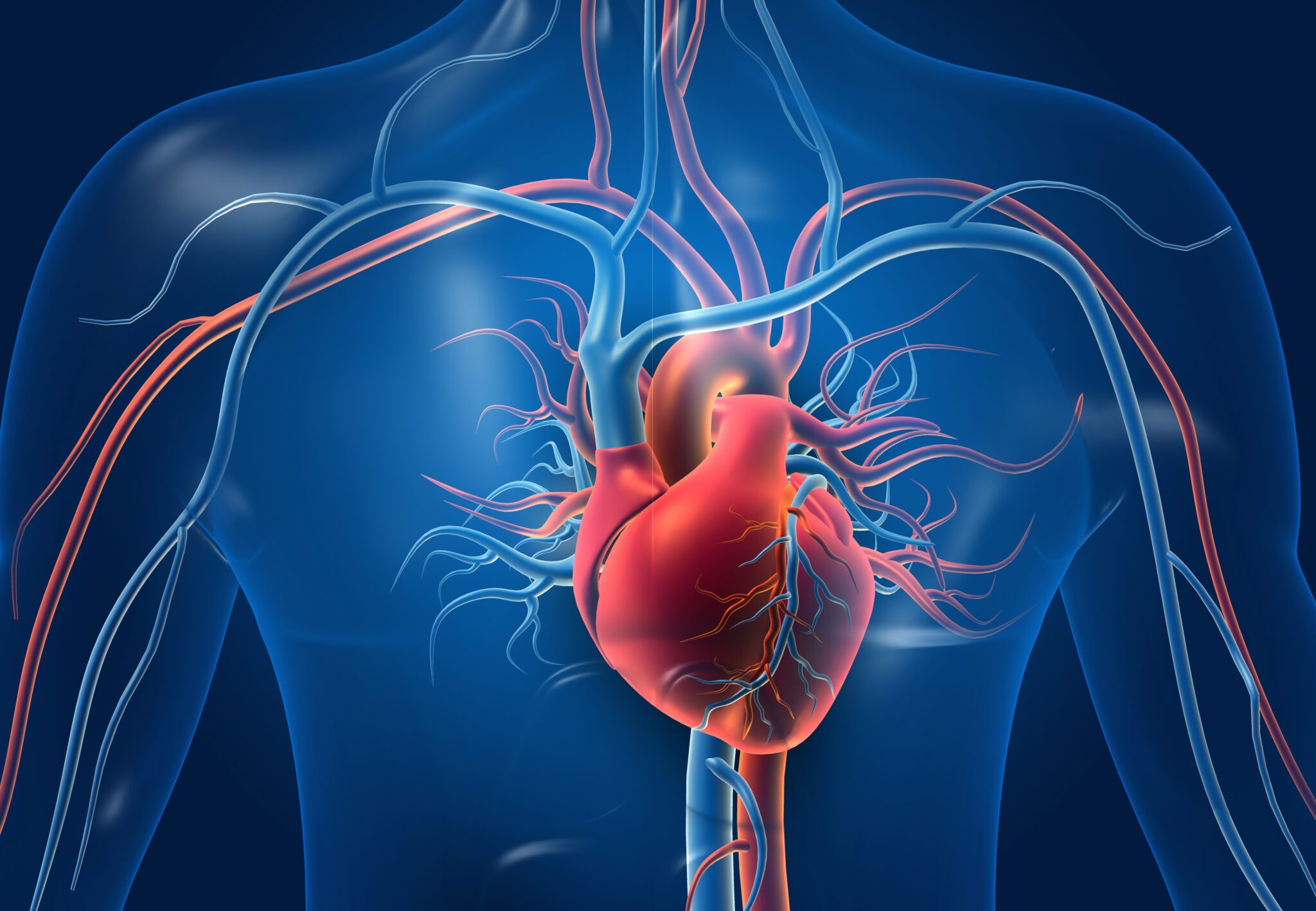
The man experienced severe hallucinations and anxiety, leading him to experience a heart attack, the researchers reported in the Canadian Journal of Cardiology. After the hallucinogenic effects of the THC wore off, the chest pain stopped.
The researchers noted there have been other case reports linking cannabis and cardiovascular events, including stroke, abnormal heartbeat and even sudden death.
“Most previous research on marijuana-induced myocardial ischemia focused mostly on younger patients and did not focus on its different formulations and potencies,” lead author and cardiologist Robert S. Stevenson, MD, of Horizon Health Network, Saint John, New Brunswick, Canada, said in a statement. “As a result of widespread marijuana legalization, healthcare providers need to understand and manage cannabis use and its complications in older patients, particularly in those with cardiovascular disease.”

If you’ve experienced side effects or medication issues related to this topic, we want to hear from you.
Submit Your StoryDISCLAIMER: MedShadow provides information and resources related to medications, their effects, and potential side effects. However, it is important to note that we are not a substitute for professional medical advice, diagnosis, or treatment. The content on our site is intended for educational and informational purposes only. Individuals dealing with medical conditions or symptoms should seek guidance from a licensed healthcare professional, such as a physician or pharmacist, who can provide personalized medical advice tailored to their specific circumstances.
While we strive to ensure the accuracy and reliability of the information presented on MedShadow, we cannot guarantee its completeness or suitability for any particular individual’s medical needs. Therefore, we strongly encourage users to consult with qualified healthcare professionals regarding any health-related concerns or decisions. By accessing and using MedShadow, you acknowledge and agree that the information provided on the site is not a substitute for professional medical advice and that you should always consult with a qualified healthcare provider for any medical concerns.

Help fund our fight for improved medication safety and transparency by supporting our independent journalism.
Give NowWe seek to create a world where there are safer medications for all and where all people are fully informed about their medication benefits and side effects, using our explanatory and investigative journalism to both inform and stimulate public discussion to drive toward solutions.
No comments yet. Be the first to comment!

