[Editor’s Note: Some quotes in this article are available as audio. Look for the gray quote boxes and click the small play button (▶) to listen.]
The holiday season was just beginning. But instead of enjoying it with her friends and family, Abigail Lee spent the end of 2021 in a hospital bed, unsure if she would survive.
A few weeks before Thanksgiving of that year, Lee — then a 20-year-old sophomore at Brigham Young University in Utah — had an eyelid infection. She went to the doctor and was prescribed Bactrim, a common antibiotic used to treat bacterial infections.
Aside from mild discomfort, Lee said she initially felt fine — well enough to run a 10K. But after finishing the antibiotics, she began to feel sicker. Within a week, severe flu-like symptoms set in.
“I had a bad runny nose, a really bad fever, I was just feeling horrible,” she says. “I got tested for COVID, strep, all of those things – they were all negative.”
Then one morning, she woke up in excruciating pain, her face swollen and bright red patches covering the whites of her eyes.
She eventually went to the hospital, where an emergency room doctor suspected serum sickness — an immune reaction that can occur after exposure to certain medications, including antibiotics — and prescribed steroids to help relieve her symptoms.
She also consulted an ophthalmologist, but he didn’t seem concerned.
“Usually, a subconjunctival hemorrhage [or bleeding in the eye] is pretty benign,” she recalled thinking at the time. “So, maybe that’s what was going through his mind.”
After her doctor’s visit, Lee said she rested for another day, but things only got worse. She was vomiting, and her lips and the inside of her mouth became increasingly painful. Lee’s dad, who is a pediatrician, became extremely concerned. He suggested she go to the emergency room immediately.
“When I went to the emergency room, any touch just sent waves of pain through my body,” Lee remembers. “It felt like my entire body was on fire. It was the worst pain I’ve ever felt in my life.”
Lee was quickly diagnosed with Stevens-Johnson syndrome/toxic epidermal necrolysis (SJS/TEN), a severe and potentially fatal skin reaction most often triggered by certain medications (in Lee’s case, doctors believed the antibiotic Bactrim was the cause).
To calm the symptoms and manage the pain, doctors gave her steroids, an immunosuppressant, morphine, and IV fluids.
“Thankfully, the triage staff and emergency room physician knew what it was,” she says.
That’s not the case for many SJS/TEN patients.
SJS/TEN is a severe condition that many clinicians don’t have much experience with, says Elizabeth Phillips, M.D., the director of the Center for Drug Safety and Immunology at Vanderbilt University Medical Center. For many of her patients, SJS/TEN “just came out of the blue,” she says. “They were at a time in their lives where they had no other medical problems. And so it’s a real shock for them.”
SJS/TEN is considered rare — affecting fewer than 200,000 people total in the U.S. — though some believe this may be an underestimate due to a lack of mandatory reporting. Despite its severity, there is currently no consensus on how to treat SJS/TEN beyond minimizing tissue damage, and the reasons such severe reactions like Lee’s occur remain unclear. But growing understanding among patient advocacy groups, physicians, and researchers may help make recovery more manageable.
From Mild Symptoms to a Medical Emergency
SJS was first described in 1922 by surgeon Albert Mason Stevens and pediatrician Frank Chambliss Johnson after they observed two children with a peculiar combination of severe skin eruptions and fever.
“The condition was so unusual and so entirely unlike anything previously observed, that pains were taken to get as many expert opinions as possible from men of wide clinical experience,” they wrote in the American Journal of Diseases of Children (now the Journal of the American Medical Association Pediatrics).
Three decades later, dermatologist Alan Lyell described what he believed was a separate condition, which he called toxic epidermal necrolysis (TEN), marked by widespread skin cell death. It wasn’t until 1993 that SJS and TEN were recognized as overlapping conditions based on patients’ experiences.
Today, SJS/TEN is considered a spectrum of the same life-threatening skin disease: At the moderate end is SJS, which affects less than 10% of the body surface, while at the more severe end is TEN, affecting more than 30%. But beyond definitions, recent evidence suggests that involvement of 10% of the body surface area may be “the arbiter of outcome,” says Robert Micheletti, M.D., a dermatologist at Penn Medicine. For patients with 10% or more of their body surface area affected, the mortality rate is around 40%.
“That made my heart drop,” says Lee, who recalled seeing the statistics while lying in a hospital bed. Close to 30% of her body surface area was compromised. “I thought I was gonna die.”
“That made my heart drop,” says Lee, who recalled seeing the statistics while lying in a hospital bed. Close to 30% of her body surface area was compromised. “I thought I was gonna die.”
At the outset, SJS/TEN may resemble a common allergic reaction. Patients often experience flu-like symptoms — such as body aches and fatigue — followed by a skin rash. Others may develop a sore throat or fever. Because these symptoms are nonspecific, the condition is often mistaken for a less severe skin reaction, allergy, or infection.
Misdiagnosis is “a big problem” in SJS/TEN, says Bruce Carleton, Pharm.D., head of the translational therapeutics division at the University of British Columbia. This confusion can often delay appropriate care during a critical period.
Unlike an allergic reaction to a drug — such as a measles-like rash from penicillin — which usually resolves once the medication is stopped, SJS/TEN doesn’t resolve at once. Initial seemingly benign flu-like symptoms can quickly progress into something resembling a severe burn — like being thrown into an open flame: large areas of skin begin to peel away, and fluid-filled blisters and rashes spread across the body.
The skin serves as the body’s first line of defense, protecting against pathogens. When that barrier breaks down, complications can escalate quickly, says Dr. Micheletti. Sepsis — a life-threatening response to infection — is the leading cause of death in patients with SJS/TEN, as the loss of the skin barrier allows pathogens to enter the bloodstream, putting the immune system on overdrive.
The Challenge of Pinpointing a Trigger
Identifying and discontinuing the culprit medication is a key step in managing the symptoms of SJS/TEN, but, in practice, this isn’t always straightforward. In a small retrospective analysis of 49 SJS/TEN cases treated between 2001 and 2018 at Brigham and Women’s Hospital and Massachusetts General Hospital, physicians correctly identified the causative medication in only nine patients.
Part of the challenge is that a wide range of commonly used medications have been linked to SJS/TEN. These include sulfonamide, or “sulfa,” antibiotics, such as Bactrim (sulfamethoxazole/trimethoprim); beta-lactam and fluoroquinolone antibiotics; allopurinol and other anti-gout medications; anti-seizure drugs such as carbamazepine, lamotrigine, and phenytoin; and certain non-steroidal anti-inflammatory medications.
However, because severe reactions can be delayed— sometimes months after initial exposure — recently taken medications are often wrongly blamed, Dr. Carleton says.
In 2013, the FDA warned that Tylenol, or acetaminophen, might cause rare but serious skin reactions, including SJS/TEN. But according to Dr. Carleton, Tylenol is an uncommon cause of SJS/TEN, and many of these cases are often misattributed. When flu-like symptoms first appear, people often take medications such as Tylenol or ibuprofen. “Then the rash develops, and they say, ‘Ah! It was the Tylenol,’ but if you go back far enough, you realize the symptoms started earlier than that,” he says.
Medications are the primary trigger of SJS/TEN, but infections — including those caused by mycoplasma or viruses — can also lead to the condition. Infection-triggered SJS is rare and tends to be milder, with less extensive skin loss, says Dr. Micheletti.
Still, not all underlying causes can be identified. “There are some cases where we have no idea what the trigger is, unfortunately,” he continues.
A Known Genetic Risk That Often Goes Unscreened
Despite decades of research, scientists still don’t fully understand why certain drugs trigger hypersensitive reactions in a small subset of people. Some answers, however, may be written in our DNA.
“We think that something like SJS is genetically determined,” says Dr. Phillips.
The Weekly Wrap-Up
Independent reporting on drug recalls, medication safety and integrative health, including supplements. No pharma funding.
Researchers have identified several genetic biomarkers associated with SJS/TEN. People with certain human leukocyte antigen (HLA) genes are more likely to develop the disease. These genes encode proteins that are essential in helping the immune system distinguish between the body’s own cells and foreign substances.
This misdirected reaction appears more likely when specific HLA gene variants interact with certain drugs. For example, the HLA-B*5801 allele (or gene variant) is strongly associated with allopurinol-induced SJS/TEN, and the HLA-A*3101 allele with carbamazepine-induced SJS/TEN.
This helps explain why a seemingly unrelated group of medications can trigger the same extreme reaction. Although they are designed to treat different conditions, many of the major culprits of SJS/TEN share a common chemical feature: aromatic amines, ring structures that bind carbon and nitrogen atoms. These compounds are typical of drugs developed in the early 20th century and are still widely used today, Dr. Phillips says.
Small-molecule drugs — like the ones listed above — don’t directly trigger an immune response. Instead, they may bind to other proteins in the body that then mistakenly signal a particular HLA molecule of the presence of a foreign invasion, prompting an immune reaction, Dr. Phillips adds.
With a knowledge of someone’s genetic makeup, healthcare providers could theoretically find out whether a drug is likely to cause SJS/TEN reaction, Dr. Carleton says. But such universal screening hasn’t been implemented in the US and Canada.
Because several HLA variants and drug combinations are strongly associated with SJS/TEN, people who carry certain genetic variants may face a higher risk of developing the condition. “We’re talking about odds ratios of at least threefold all the way up to 2,504 times the risk,” says Dr. Carleton. “These are much, much stronger, and more robust associations than something [like high cholesterol and heart diseases] that we spend billions a year managing.”
Many Asian countries, such as Taiwan, Singapore, and Hong Kong, have already implemented widespread screening for the HLA-B*1502 gene variant, which, when combined with certain anti-seizure drugs (such as carbamazepine and phenytoin), is strongly linked to SJS/TEN in certain East and Southeast Asian populations. Other risk alleles have also been identified in Portuguese and other European populations, as well as Indian populations.
As it becomes increasingly common for people to have mixed ancestries, “we just should test everyone,” Dr. Carleton says.
Dr. Carleton, who runs a lab at the University of British Columbia that develops SJS/TEN genetic testing, says he’s been offering that testing — which is currently not available commercially — for free to help patients understand their risk, but “it’s certainly not enough,” he says. “We’re not capturing all cases. We’re not preventing all cases, and so there’s still a lot more work that needs to be done.”
One limitation of genetic testing is that although people who develop Stevens-Johnson syndrome or toxic epidermal necrolysis are more likely to carry certain high-risk HLA variants than people who tolerate the medication, most people with those variants still may not develop SJS/TEN.
“If you carry a risk gene for one of these drugs, say HLA-B* 5801 allele and allopurinol, there’s only about a 3% chance that you will develop a severe reaction — even though you have the risk gene,” notes Dr. Phillips. This likelihood, known as the positive predictive value of the test, can also vary across ethnic populations.
On the other hand, people who do not carry the risk allele are highly unlikely to develop the reaction.
“So, it doesn’t mean that a test is not going to be impactful. It just needs to be implemented in a way that is understandable to physicians and done in panels that give comprehensive information, not just bits and pieces,” adds Dr. Phillips.
Still, SJS/TEN can sometimes occur in people who do not carry any of the currently known genetic risk alleles.
The First Signs Were in Her Eyes
For Julie McCawley, the director of SJS Kids Support, a nonprofit organization dedicated to supporting SJS kids and their families, the unpredictability of SJS/TEN became deeply personal.
After developing SJS/TEN twice, McCawley underwent genetic testing and was found not to carry any of the currently known genetic markers associated with the disease.
McCawley experienced her first episode after taking Phenobarbital, an anticonvulsant prescribed for pediatric epilepsy, when she was just 11 months old.
“I’m very lucky that I don’t actually remember having Stevens-Johnson Syndrome,” she says
But for her mother, Jean McCawley, it was an unforgettable experience.
Julie had taken the anticonvulsant for two weeks before she developed a fever. “My mom had actually taken me to a photographer to have my picture taken because I was going to be turning a year old,” she says. During the photoshoot, her right eye kept shutting because of the light. “They thought that I was winking. And it turns out that that was one of my first symptoms: My eye started to be sensitive to light.”
Two days later, when Julie arrived at the hospital, her eyes had swollen shut, and she had developed a blistering rash, along with sores in her mouth and ears.
Frustratingly, doctors misdiagnosed Julie with a range of conditions, including chickenpox, strep throat, viral exanthem, pink eye, and ear infections.
“She went almost a week before anybody even looked at her eyes,” Jean recalls. “And that caused tremendous damage.”
“She went almost a week before anybody even looked at her eyes,” Jean recalls. “And that caused tremendous damage.”
The mishandling cost Julie her sight — she is blind in her right eye and has limited vision in her left.
The doctors failed to connect her symptoms to the medication she had been prescribed. Even as her condition deteriorated, they continued to administer the anticonvulsant via intravenous injection.
“[It was] like pouring gasoline on a fire,” Jean says.
By the time Julie was correctly diagnosed four days after she was admitted — thanks to a nurse who suspected SJS — the disease had progressed to TEN, its most severe form. Eighty percent of Julie’s body was affected.
“If it wasn’t for her [the nurse] and my mom advocating for me and fighting, I really don’t think I would be here,” Julie says.
Julie spent almost a month in the hospital’s burn unit, where she was treated in a tub room for debridement — a careful procedure done in a specialized room to remove dead tissues from a wound.
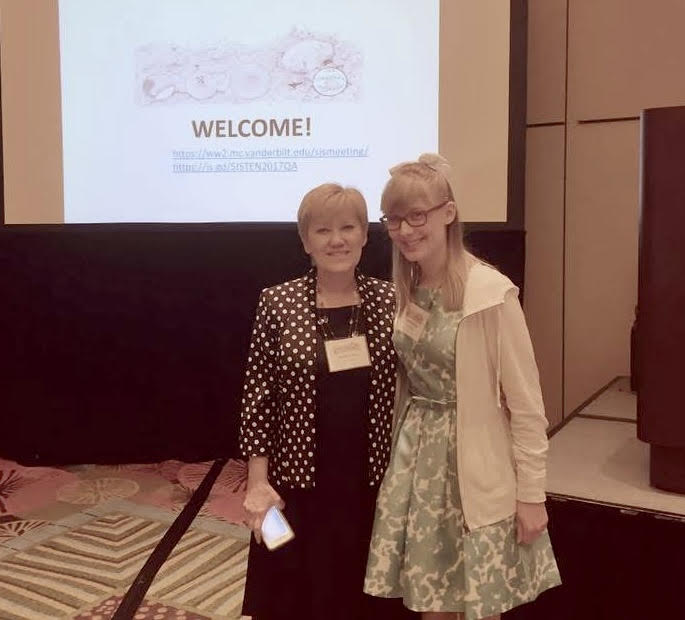
Jean and Julie McCawley
She received very limited pain management during her stay — two doses of morphine and some Tylenol, Jean says. For her wounds, doctors applied wound dressing and antibacterial bandages.
Doctors eventually treated her eyes with ointments, glass rods swept beneath her eyelids to break up adhesions, and a lid speculum used to gently force her eyes open.
When Julie was discharged, the battle was far from over. Blisters in her mouth spread to her throat, making it difficult to drink.
The struggle lasted for more than a year. “My mom had to take care of me around the clock,” Julie says. “And after that, it was just years and years of fighting the long-term side effects — dry eye syndrome, photophobia [sensitivity to light], and numerous surgeries and doctor appointments.”
The condition returned with full force when she was 19. This time, after a full course of penicillin.
“I had so many allergies to so many different medications, they [the doctors] believed that was the safest [antibiotic] because I had taken it safely in the past. But it was a very high dose, higher than I’d ever taken, that ended up causing it,” Julie says.
Unlike before, she recognized the symptoms early and received timely care.
A Narrow Window to Protect Vision
Julie’s story shows how critical timing is in preventing the long-term effects of SJS/TEN, particularly regarding permanent eye damage.
“Not initiating the care that’s needed can result in permanent — not just visual problems — but severe, chronic pain and discomfort of the eyes for the patients for the rest of their lives,” says Darren G. Gregory, M.D., an ophthalmologist at the University of Colorado Anschutz, who has been caring for SJS/TEN patients for more than 25 years.
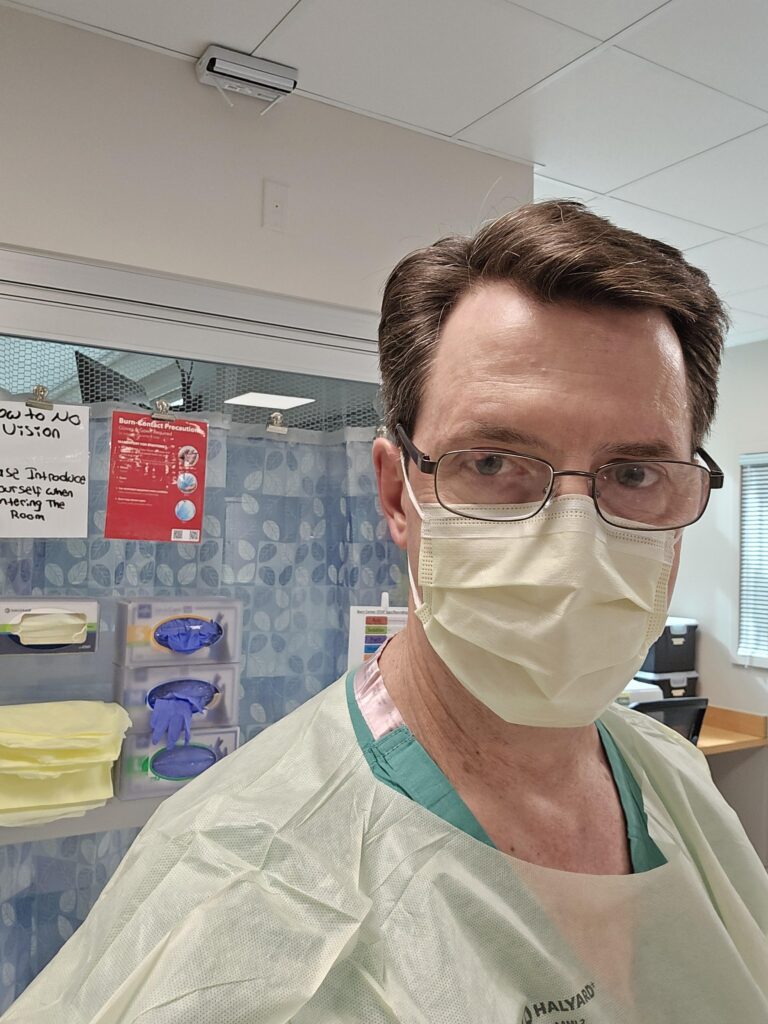
Dr. Darren Gregory, expert in amniotic membrane grafting technique for SJS patients at CU Anschutz
When SJS/TEN patients are admitted to the hospital, they are often treated in burn units because the skin damage can resemble severe burns. Many are also intubated to help stabilize their overall condition, leaving their eyes closed and easy to overlook. As a result, clinicians unfamiliar with the disease may miss early signs of eye involvement.
Compounding the issue, burn units and intensive care units, “[are] not the usual environment that ophthalmologists work in. So it’s a little bit out of the realm of what most ophthalmologists do,” adds Dr. Gregory.
Dr. Gregory is a leading expert in amniotic membrane grafting for patients with SJS/TEN, a technique used in the first few days after symptoms appear and can help preserve vision. The amniotic membrane acts like a protective layer placed over the eye to prevent permanent damage.
In patients with SJS/TEN, the inner surface of the eyelids can become dry and rough due to scarring. The damaged tissue may also fuse, causing ongoing irritation to the eye.
“An average person blinks probably at least 10 or even 20,000 times a day, and you just have sandpaper rubbing the surface of the eyeball all day, every day,” Dr. Gregory says.
For the procedure to be effective, it must be performed within the first 5 to 7 days of illness. Beyond two weeks, the amniotic membrane doesn’t really help much to prevent scarring, notes Dr. Gregory. At that point, “the boulder has already been pushed over the edge of the cliff.”
Dr. Gregory says he first encountered an SJS/TEN patient in the early 2000s while completing his subspecialty training in corneal surgery. Although amniotic membrane grafting had been available in the U.S. since the 1990s, it had not been described in the medical literature for SJS/TEN. But he had heard it could help in acute eye injuries, so he decided to try it.
Now seeing an average of five to 10 patients a year, Dr. Gregory says the procedure prevented severe scarring and vision loss in nine out of 10 of his earliest cases.
This shows that the long-term, catastrophic eye problems of SJS are largely preventable, he says. “It’s important that eye doctors are aware of the option of amniotic membrane [grafting] and understand that it needs to be done urgently.”
The Lasting Toll of SJS/TEN
“If you talk to a patient who’s had Stevens-Johnson Syndrome five to 10 years ago, or even longer than that, in many cases, they continue to refer to the Syndrome in the present tense,” says Dr. Micheletti.
In addition to the eyes and the outer layer of the skin, SJS also affects mucous membranes — the moist, soft tissue linings of body cavities such as the respiratory, digestive, and urogenital tracts.
SJS survivor Abigail Lee
“The mucous membranes are less apparent and [smaller], but they should be examined,” says Dr. Carleton, who stresses the importance of gynecological care in women with SJS/TEN. Injuries affecting the vulva and vagina occur in up to 70% of women with the condition and can lead to severe complications. In some cases, the labia may fuse together, causing painful urinary problems or blocking menstrual blood flow. “Once the scarring occurs, it can be much more difficult to manage and deal with pain later,” he says.
Julie, now 33, still lives with the ocular effects of the disease. “I have constant eye problems and see a cornea specialist pretty regularly,” she says. She hopes that others with SJS/TEN have a different experience.
After Julie’s first incident with SJS/TEN, her mother Jean founded the Stevens-Johnson Syndrome Foundation. The organization has been supporting individuals and their families who deal with the disease for three decades, including compiling a fact sheet and a list of medical professionals well-versed in its treatment.
“I used to get calls in the middle of the night. I don’t even know how many people — thousands of people around the world are suffering,” Jean says. Unfortunately, for some individuals, the right clinical interventions never came.
“I used to get calls in the middle of the night. I don’t even know how many people — thousands of people around the world are suffering,” Jean says. Unfortunately, for some individuals, the right clinical interventions never came.
“It is frustrating, especially when they [the medical community] say it’s rare,” Jean says. While that might be statistically true across the population,“It’s not rare to the families that have seen it… It’s not rare to the ones that die.”
Dr. Phillips currently leads the SJS/TEN Survivor Study, a nationwide effort to better understand patients’ experiences and improve long-term care.
In a recent study, Dr. Phillips interviewed 29 survivors to identify the challenges they face after leaving the hospital. A lack of guidance on what caused the disease and how to manage it after discharge is a major source of frustration for many patients, she says. Additionally, patients often have to travel hundreds of miles to reach specialty centers where they can receive appropriate care, she adds.
After her horrifying experience with SJS/TEN, Abigail Lee was more determined than ever to pursue medical school. Inspired by the works done by Dr. Phillips and her team, Lee decided to attend the Vanderbilt University School of Medicine.
I think [SJS], although it’s so hard, heartbreaking, and so painful, gives you an increased empathy for the suffering of others,” she says. “I have this deep, immediate connection to patients who are hospitalized in extreme pain.”
Last year, four years after her diagnosis, she was finally able to run a 10K again. “I’m really happy about it, even though I’m a slow runner,” Lee said, smiling.
As for her advice for those dealing with the disease, “I hesitate to say that it’ll work out for good, because it might not. It’s really difficult, but there are ways that you will be able to live and recover afterward.”
Want to Share Your Story?
If you’ve experienced side effects or medication issues related to this topic, we want to hear from you.
DISCLAIMER: MedShadow provides information and resources related to medications, their effects, and potential side effects. However, it is important to note that we are not a substitute for professional medical advice, diagnosis, or treatment. The content on our site is intended for educational and informational purposes only. Individuals dealing with medical conditions or symptoms should seek guidance from a licensed healthcare professional, such as a physician or pharmacist, who can provide personalized medical advice tailored to their specific circumstances.
While we strive to ensure the accuracy and reliability of the information presented on MedShadow, we cannot guarantee its completeness or suitability for any particular individual’s medical needs. Therefore, we strongly encourage users to consult with qualified healthcare professionals regarding any health-related concerns or decisions. By accessing and using MedShadow, you acknowledge and agree that the information provided on the site is not a substitute for professional medical advice and that you should always consult with a qualified healthcare provider for any medical concerns.
We seek to create a world where there are safer medications for all and where all people are fully informed about their medication benefits and side effects, using our explanatory and investigative journalism to both inform and stimulate public discussion to drive toward solutions.
MedShadow.org is dedicated to empowering people with our evidence-based journalism about the safest ways to take over-the-counter (OTC) and prescription (Rx) medications.
We also seek to stimulate public discussion about potential improvements to drug research, manufacturing and distribution processes. and also to encourage the improvement of processes to ensure that we are all better protected.
As a result, we encourage other nonprofit newsrooms, mission-aligned outlets, and advocacy organizations to republish our original content under the following conditions:
You May Republish Our Articles for Free If:
1. We Are Credited Fully and Clearly
You must include the byline and credit MedShadow.org as the original publisher. Please include a link to the original article at the top or bottom of the piece. Use the following attribution:
This article was originally published by MedShadow, a nonprofit foundation that focuses on the safest ways to take over-the-counter and prescription medications.
2. Our Content Isn’t Edited Without Permission
You may make small changes for clarity, such as adjusting headlines, subheadings, or transitions, but you may not change the core meaning, tone, or intent of the article. For substantive edits, email us at republish@medshadow.org for review and approval.
3. You Do Not Sell Or Use Our Content Commercially
Our work is free to share, but it may not be sold, monetized, or repurposed for commercial gain. You may not republish our articles behind a paywall or in publications whose primary purpose is advertising or product promotion. You may not place drug or supplement advertising adjacent to our story.
4. Photos, Graphics, and Multimedia Are Not Used Without Permission
Only the text of the article is available for republication. Images, graphics, and videos may not be reused without explicit written permission, unless they are clearly marked as Creative Commons licensed. Contact us if you’d like to request reuse of a visual asset.
You May Not:
Use our content to promote a product, service, or political candidate
Republish only part of an article or create derivative works without permission
Add affiliate links, advertising overlays, or lead generators
Translate the article without written permission
Contact Us
If you’re unsure whether your intended use falls within these guidelines, or would like to discuss a formal syndication or licensing arrangement, please email: republish@medshadow.org
We want our journalism to reach as many people as possible, especially those making critical decisions about medications and health.
For website editors
Copy the article HTML
Copy the article body, including its formatting and links, then paste it into your publishing system. Add the byline and required credit described in these guidelines.
Preview article HTML
<!-- wp:paragraph -->
<p><em>[Editor's Note: Some quotes in this article are available as audio. Look for the gray quote boxes and click the small play button (▶) to listen.]</em></p>
<!-- /wp:paragraph -->

<!-- wp:paragraph -->
<p>The holiday season was just beginning. But instead of enjoying it with her friends and family, Abigail Lee spent the end of 2021 in a hospital bed, unsure if she would survive.</p>
<!-- /wp:paragraph -->

<!-- wp:paragraph -->
<p>A few weeks before Thanksgiving of that year, Lee — then a 20-year-old sophomore at Brigham Young University in Utah — had an eyelid infection. She went to the doctor and was prescribed Bactrim, a common antibiotic used to treat bacterial infections.</p>
<!-- /wp:paragraph -->

<!-- wp:paragraph -->
<p>Aside from mild discomfort, Lee said she initially felt fine — well enough to run a 10K. But after finishing the antibiotics, she began to feel sicker. Within a week, severe flu-like symptoms set in.</p>
<!-- /wp:paragraph -->

<!-- wp:paragraph -->
<p>“I had a bad runny nose, a really bad fever, I was just feeling horrible,” she says. “I got tested for COVID, strep, all of those things – they were all negative.”</p>
<!-- /wp:paragraph -->

<!-- wp:paragraph -->
<p>Then one morning, she woke up in excruciating pain, her face swollen and bright red patches covering the whites of her eyes.</p>
<!-- /wp:paragraph -->

<!-- wp:paragraph -->
<p>She eventually went to the hospital, where an emergency room doctor suspected serum sickness — an immune reaction that can occur after exposure to certain medications, including antibiotics — and prescribed steroids to help relieve her symptoms.</p>
<!-- /wp:paragraph -->

<!-- wp:paragraph -->
<p>She also consulted an ophthalmologist, but he didn’t seem concerned.</p>
<!-- /wp:paragraph -->

<!-- wp:paragraph -->
<p>“Usually, a subconjunctival hemorrhage [or bleeding in the eye] is pretty benign,” she recalled thinking at the time. “So, maybe that's what was going through his mind.”</p>
<!-- /wp:paragraph -->

<!-- wp:paragraph -->
<p>After her doctor's visit, Lee said she rested for another day, but things only got worse. She was vomiting, and her lips and the inside of her mouth became increasingly painful. Lee’s dad, who is a pediatrician, became extremely concerned. He suggested she go to the emergency room immediately. </p>
<!-- /wp:paragraph -->

<!-- wp:html -->
<span class="soundcite" data-url="https://medshadow.org/wp-content/uploads/2026/06/Abigail-Lee_Worst-Pain.mp3" data-start="0" data-end="11000" data-plays="1">“When I went to the emergency room, any touch just sent waves of pain through my body,” Lee remembers. “It felt like my entire body was on fire. It was the worst pain I've ever felt in my life.”

</span><p>
<!-- /wp:html -->

<!-- wp:paragraph -->
<p>Lee was quickly diagnosed with <a href="https://jamanetwork.com/journals/jamadermatology/fullarticle/2664616#177126459">Stevens-Johnson syndrome/toxic epidermal necrolysis (SJS/TEN)</a>, a severe and potentially fatal skin reaction most often triggered by certain medications (in Lee’s case, doctors believed the antibiotic Bactrim was the cause).</p>
<!-- /wp:paragraph -->

<!-- wp:paragraph -->
<p>To calm the symptoms and manage the pain, doctors gave her steroids, an immunosuppressant, morphine, and IV fluids.  </p>
<!-- /wp:paragraph -->

<!-- wp:paragraph -->
<p>“Thankfully, the triage staff and emergency room physician knew what it was,” she says. </p>
<!-- /wp:paragraph -->

<!-- wp:paragraph -->
<p>That’s not the case for many SJS/TEN patients.</p>
<!-- /wp:paragraph -->

<!-- wp:paragraph -->
<p>SJS/TEN is a severe condition that many clinicians don’t have much experience with, says <a href="https://medsites.vumc.org/centerfordrugsafetyandimmunology/person/elizabeth-j-phillips">Elizabeth Phillips, M.D.</a>, the director of the Center for Drug Safety and Immunology at Vanderbilt University Medical Center. For many of her patients, SJS/TEN “just came out of the blue,” she says. “They were at a time in their lives where they had no other medical problems. And so it’s a real shock for them.”</p>
<!-- /wp:paragraph -->

<!-- wp:paragraph -->
<p>SJS/TEN is considered rare — <a href="https://rarediseases.info.nih.gov/diseases/7700/stevens-johnson-syndrome">affecting fewer than 200,000 people</a> total in the U.S. — though some believe this may be an underestimate due to a lack of mandatory reporting. Despite its severity, there is <a href="https://www.vumc.org/burn/sites/default/files/public_files/Protocols/SJSTEN-Guidelines-2025-07.pdf">currently no consensus</a> on how to treat SJS/TEN beyond minimizing tissue damage, and the reasons such severe reactions like Lee’s occur remain unclear. But growing understanding among patient advocacy groups, physicians, and researchers may help make recovery more manageable.</p>
<!-- /wp:paragraph -->

<!-- wp:heading -->
<h2 class="wp-block-heading">From Mild Symptoms to a Medical Emergency</h2>
<!-- /wp:heading -->

<!-- wp:paragraph -->
<p>SJS was<a href="https://jamanetwork.com/journals/jamapediatrics/article-abstract/1173827"> first described</a> in 1922 by surgeon Albert Mason Stevens and pediatrician Frank Chambliss Johnson after they observed two children with a peculiar combination of severe skin eruptions and fever. </p>
<!-- /wp:paragraph -->

<!-- wp:paragraph -->
<p>“The condition was so unusual and so entirely unlike anything previously observed, that pains were taken to get as many expert opinions as possible from men of wide clinical experience,” they wrote in <em>the American Journal of Diseases of Children</em> (now the <em>Journal of the American Medical Association Pediatrics</em>). </p>
<!-- /wp:paragraph -->

<!-- wp:paragraph -->
<p>Three decades later, dermatologist Alan Lyell <a href="https://doi.org/10.1111/j.1365-2133.1956.tb12766.x">described</a> what he believed was a separate condition, which he called toxic epidermal necrolysis (TEN), marked by widespread skin cell death. It wasn’t until 1993 that SJS and TEN were recognized as <a href="https://pubmed.ncbi.nlm.nih.gov/8420497/">overlapping conditions</a> based on patients’ experiences. </p>
<!-- /wp:paragraph -->

<!-- wp:paragraph -->
<p>Today, SJS/TEN is considered a spectrum of the same life-threatening skin disease: At the moderate end is SJS, which affects less than 10% of the body surface, while at the more severe end is TEN, affecting more than 30%. But beyond definitions, <a href="https://pubmed.ncbi.nlm.nih.gov/33046331/">recent evidence</a> suggests that involvement of 10% of the body surface area may be “the arbiter of outcome,” says <a href="https://www.pennmedicine.org/providers/robert-micheletti">Robert Micheletti, M.D.</a>, a dermatologist at Penn Medicine. For patients with 10% or more of their body surface area affected, the mortality rate is around 40%. </p>
<!-- /wp:paragraph -->

<!-- wp:html -->
<p>“That made my heart drop,” says Lee, who recalled seeing the statistics while lying in a hospital bed. Close to 30% of her body surface area was compromised. “I thought I was gonna die.”</span>
<!-- /wp:html -->

<!-- wp:quote -->
<blockquote class="wp-block-quote"><!-- wp:paragraph -->
<p>“That made my heart drop,” says Lee, who recalled seeing the statistics while lying in a hospital bed. Close to 30% of her body surface area was compromised. “I thought I was gonna die.”</p>
<!-- /wp:paragraph --></blockquote>
<!-- /wp:quote -->

<!-- wp:paragraph -->
<p>At the outset, <a href="https://doi.org/10.1093/bjd/ljae321">SJS/TEN</a> may resemble a common allergic reaction. Patients often experience flu-like symptoms — such as body aches and fatigue — followed by a skin rash. Others may develop a sore throat or fever. Because these symptoms are nonspecific, the condition is often mistaken for a less severe skin reaction, allergy, or infection. </p>
<!-- /wp:paragraph -->

<!-- wp:paragraph -->
<p>Misdiagnosis is “a big problem” in SJS/TEN, says <a href="https://www.bcchr.ca/bcarleton">Bruce Carleton, Pharm.D.</a>, head of the translational therapeutics division at the University of British Columbia. This confusion can often delay appropriate care during a critical period. </p>
<!-- /wp:paragraph -->

<!-- wp:paragraph -->
<p>Unlike an allergic reaction to a drug — such as a measles-like rash from penicillin — which usually resolves once the medication is stopped, SJS/TEN doesn’t resolve at once. Initial seemingly benign flu-like symptoms can quickly progress into something resembling a severe burn — like being thrown into an open flame: large areas of skin begin to peel away, and fluid-filled blisters and rashes spread across the body. </p>
<!-- /wp:paragraph -->

<!-- wp:paragraph -->
<p>The skin serves as the body’s first line of defense, protecting against pathogens. When that barrier breaks down, complications can escalate quickly, says Dr. Micheletti. Sepsis — a life-threatening response to infection — is <a href="https://doi.org/10.1016/j.jdermsci.2020.09.009">the leading cause of death</a> in patients with SJS/TEN, as the loss of the skin barrier allows pathogens to enter the bloodstream, putting the immune system on overdrive.</p>
<!-- /wp:paragraph -->

<!-- wp:heading -->
<h2 class="wp-block-heading">The Challenge of Pinpointing a Trigger</h2>
<!-- /wp:heading -->

<!-- wp:paragraph -->
<p>Identifying and discontinuing the culprit medication is a key step in managing the symptoms of SJS/TEN, but, in practice, this isn’t always straightforward. In a small retrospective analysis of 49 SJS/TEN cases treated between 2001 and 2018 at Brigham and Women's Hospital and Massachusetts General Hospital, physicians correctly identified the causative medication <a href="https://www.jidonline.org/article/S0022-202X(20)30665-5/fulltext">in only nine patients</a>.</p>
<!-- /wp:paragraph -->

<!-- wp:paragraph -->
<p>Part of the challenge is that a wide range of commonly used medications <a href="https://jamanetwork.com/journals/jamadermatology/fullarticle/2801093">have been linked</a> to SJS/TEN. These include sulfonamide, or “sulfa,” antibiotics, such as Bactrim (sulfamethoxazole/trimethoprim); beta-lactam and fluoroquinolone antibiotics; allopurinol and other anti-gout medications; anti-seizure drugs such as carbamazepine, lamotrigine, and phenytoin; and certain non-steroidal anti-inflammatory medications. </p>
<!-- /wp:paragraph -->

<!-- wp:paragraph -->
<p>However, because severe reactions can be <a href="https://pmc.ncbi.nlm.nih.gov/articles/PMC11511757/">delayed</a>— sometimes <a href="https://pubmed.ncbi.nlm.nih.gov/28515564/">months</a> after initial exposure — recently taken medications are often wrongly blamed, Dr. Carleton says. </p>
<!-- /wp:paragraph -->

<!-- wp:paragraph -->
<p>In 2013, <a href="https://www.cnn.com/2013/08/01/health/fda-acetaminophen-skin-warning#:~:text=According%20to%20the%20FDA%2C%20the,skin%20known%20as%20the%20epidermis.">the FDA warned that Tylenol</a>, or acetaminophen, might cause rare but serious skin reactions, including SJS/TEN. But according to Dr. Carleton, Tylenol is an uncommon cause of SJS/TEN, and many of these cases are often misattributed. When flu-like symptoms first appear, people often take medications such as Tylenol or ibuprofen. “Then the rash develops, and they say, ‘Ah! It was the Tylenol,’ but if you go back far enough, you realize the symptoms started earlier than that,” he says.</p>
<!-- /wp:paragraph -->

<!-- wp:paragraph -->
<p>Medications are the primary trigger of SJS/TEN, but infections — including those caused by mycoplasma or viruses — can also lead to the condition. Infection-triggered SJS is rare and tends to be milder, with less extensive skin loss, says Dr. Micheletti.</p>
<!-- /wp:paragraph -->

<!-- wp:paragraph -->
<p>Still, not all underlying causes can be identified. “There are some cases where we have no idea what the trigger is, unfortunately,” he continues.</p>
<!-- /wp:paragraph -->

<!-- wp:heading -->
<h2 class="wp-block-heading">A Known Genetic Risk That Often Goes Unscreened</h2>
<!-- /wp:heading -->

<!-- wp:paragraph -->
<p>Despite decades of research, scientists still don’t fully understand why certain drugs trigger hypersensitive reactions in a small subset of people. Some answers, however, may be written in our DNA.</p>
<!-- /wp:paragraph -->

<!-- wp:paragraph -->
<p>“We think that something like SJS is genetically determined,” says Dr. Phillips. </p>
<!-- /wp:paragraph -->

<!-- wp:paragraph -->
<p>Researchers have identified several genetic biomarkers associated with SJS/TEN. People with certain human leukocyte antigen (HLA) genes are more likely to develop the disease. These genes encode proteins that are essential in helping the immune system distinguish between the body’s own cells and foreign substances.</p>
<!-- /wp:paragraph -->

<!-- wp:paragraph -->
<p>This misdirected reaction appears more likely when specific HLA gene variants interact with certain drugs. For example, the <a href="https://pubmed.ncbi.nlm.nih.gov/15743917/">HLA-B*5801 allele</a> (or gene variant) is strongly associated with allopurinol-induced SJS/TEN, and the <a href="https://pubmed.ncbi.nlm.nih.gov/21428769/">HLA-A*3101 allele</a> with carbamazepine-induced SJS/TEN.</p>
<!-- /wp:paragraph -->

<!-- wp:paragraph -->
<p>This helps explain why a seemingly unrelated group of medications can trigger the same extreme reaction. Although they are designed to treat different conditions, many of the major culprits of SJS/TEN share a common chemical feature: aromatic amines, ring structures that bind carbon and nitrogen atoms. These compounds are typical of drugs developed in the early 20th century and are still widely used today, Dr. Phillips says.</p>
<!-- /wp:paragraph -->

<!-- wp:paragraph -->
<p>Small-molecule drugs — like the ones listed above — don’t directly trigger an immune response. Instead, they may bind to other proteins in the body that then mistakenly signal a particular HLA molecule of the presence of a foreign invasion, prompting an immune reaction, Dr. Phillips adds.</p>
<!-- /wp:paragraph -->

<!-- wp:paragraph -->
<p>With a knowledge of someone’s genetic makeup, healthcare providers could theoretically find out whether a drug is likely to cause SJS/TEN reaction, Dr. Carleton says. But such universal screening hasn’t been implemented in the US and Canada.</p>
<!-- /wp:paragraph -->

<!-- wp:paragraph -->
<p>Because several HLA variants and drug combinations are strongly associated with SJS/TEN, people who carry certain genetic variants may face a higher risk of developing the condition. “We're talking about odds ratios of at least threefold all the way up to <a href="https://pubmed.ncbi.nlm.nih.gov/29793265/">2,504 times</a> the risk,” says Dr. Carleton. “These are much, much stronger, and more robust associations than something [like high cholesterol and heart diseases] that we spend billions a year managing.” </p>
<!-- /wp:paragraph -->

<!-- wp:paragraph -->
<p>Many Asian countries, such as Taiwan, Singapore, and Hong Kong, have already implemented <a href="https://doi.org/10.3389/fgene.2020.607532">widespread screening</a> for the HLA-B*1502 gene variant, which, when combined with certain anti-seizure drugs (such as carbamazepine and phenytoin), is strongly linked to SJS/TEN in certain East and Southeast Asian populations. Other risk alleles have also been identified in <a href="https://pubmed.ncbi.nlm.nih.gov/23600531/">Portuguese</a> and other <a href="https://doi.org/10.1002/cpt.1175">European</a> populations,  as well as <a href="https://www.frontiersin.org/journals/genetics/articles/10.3389/fgene.2022.912478/full">Indian</a> populations. </p>
<!-- /wp:paragraph -->

<!-- wp:paragraph -->
<p>As it becomes increasingly common for people to have mixed ancestries, “we just should test everyone,” Dr. Carleton says. </p>
<!-- /wp:paragraph -->

<!-- wp:paragraph -->
<p>Dr. Carleton, who runs a lab at the University of British Columbia that develops SJS/TEN genetic testing, says he’s been offering that testing — which is currently not available commercially — for free to help patients understand their risk, but “it’s certainly not enough,” he says. “We’re not capturing all cases. We’re not preventing all cases, and so there’s still a lot more work that needs to be done.” </p>
<!-- /wp:paragraph -->

<!-- wp:paragraph -->
<p>One limitation of genetic testing is that although people who develop Stevens-Johnson syndrome or toxic epidermal necrolysis are more likely to carry certain high-risk HLA variants than people who tolerate the medication, most people with those variants <a href="https://doi.org/10.1016/j.alit.2025.05.002">still may not develop SJS/TEN</a>.</p>
<!-- /wp:paragraph -->

<!-- wp:paragraph -->
<p>“If you carry a risk gene for one of these drugs, say HLA-B* 5801 allele and allopurinol, there’s only about a 3% chance that you will develop a severe reaction — even though you have the risk gene,” notes Dr. Phillips. This likelihood, known as the positive predictive value of the test, can also vary across ethnic populations.</p>
<!-- /wp:paragraph -->

<!-- wp:paragraph -->
<p>On the other hand, people who do not carry the risk allele are highly unlikely to develop the reaction.</p>
<!-- /wp:paragraph -->

<!-- wp:paragraph -->
<p>“So, it doesn't mean that a test is not going to be impactful. It just needs to be implemented in a way that is understandable to physicians and done in panels that give comprehensive information, not just bits and pieces,” adds Dr. Phillips.</p>
<!-- /wp:paragraph -->

<!-- wp:paragraph -->
<p>Still, SJS/TEN can sometimes occur in people <a href="https://pmc.ncbi.nlm.nih.gov/articles/PMC10600400/">who do not carry</a> any of the currently known genetic risk alleles.</p>
<!-- /wp:paragraph -->

<!-- wp:heading -->
<h2 class="wp-block-heading">The First Signs Were in Her Eyes</h2>
<!-- /wp:heading -->

<!-- wp:paragraph -->
<p>For Julie McCawley, the director of <a href="https://sjskidsupport.org/#home">SJS Kids Support</a>, a nonprofit organization dedicated to supporting SJS kids and their families, the unpredictability of SJS/TEN became deeply personal.</p>
<!-- /wp:paragraph -->

<!-- wp:paragraph -->
<p>After developing SJS/TEN <em>twice</em>, McCawley underwent genetic testing and was found not to carry any of the currently known genetic markers associated with the disease.</p>
<!-- /wp:paragraph -->

<!-- wp:paragraph -->
<p>McCawley experienced her first episode after taking Phenobarbital, an anticonvulsant prescribed for pediatric epilepsy, when she was just 11 months old.</p>
<!-- /wp:paragraph -->

<!-- wp:html -->
<p><span class="soundcite" data-url="https://medshadow.org/wp-content/uploads/2026/06/Julie-McCawley_Not-Remembering.mp3" data-start="0" data-end="5000" data-plays="1">“I'm very lucky that I don't actually remember having Stevens-Johnson Syndrome,” she says</span>
<!-- /wp:html -->

<!-- wp:paragraph -->
<p>But for her mother, Jean McCawley, it was an unforgettable experience. </p>
<!-- /wp:paragraph -->

<!-- wp:paragraph -->
<p>Julie had taken the anticonvulsant for two weeks before she developed a fever. “My mom had actually taken me to a photographer to have my picture taken because I was going to be turning a year old,” she says. During the photoshoot, her right eye kept shutting because of the light. “They thought that I was winking. And it turns out that that was one of my first symptoms: My eye started to be sensitive to light.” </p>
<!-- /wp:paragraph -->

<!-- wp:paragraph -->
<p>Two days later, when Julie arrived at the hospital, her eyes had swollen shut, and she had developed a blistering rash, along with sores in her mouth and ears.</p>
<!-- /wp:paragraph -->

<!-- wp:paragraph -->
<p>Frustratingly, doctors misdiagnosed Julie with a range of conditions, including chickenpox, strep throat, viral exanthem, pink eye, and ear infections.</p>
<!-- /wp:paragraph -->

<!-- wp:paragraph -->
<p>“She went almost a week before anybody even looked at her eyes,” Jean recalls. “And that caused tremendous damage.”</p>
<!-- /wp:paragraph -->

<!-- wp:quote -->
<blockquote class="wp-block-quote"><!-- wp:paragraph -->
<p>“She went almost a week before anybody even looked at her eyes,” Jean recalls. “And that caused tremendous damage.”</p>
<!-- /wp:paragraph --></blockquote>
<!-- /wp:quote -->

<!-- wp:paragraph -->
<p>The mishandling cost Julie her sight — she is blind in her right eye and has limited vision in her left.</p>
<!-- /wp:paragraph -->

<!-- wp:paragraph -->
<p>The doctors failed to connect her symptoms to the medication she had been prescribed. Even as her condition deteriorated, they continued to administer the anticonvulsant via intravenous injection. </p>
<!-- /wp:paragraph -->

<!-- wp:paragraph -->
<p>“[It was] like pouring gasoline on a fire,” Jean says. </p>
<!-- /wp:paragraph -->

<!-- wp:paragraph -->
<p>By the time Julie was correctly diagnosed four days after she was admitted — thanks to a nurse who suspected SJS — the disease had progressed to TEN, its most severe form. Eighty percent of Julie’s body was affected.</p>
<!-- /wp:paragraph -->

<!-- wp:html -->
<p><span class="soundcite" data-url="https://medshadow.org/wp-content/uploads/2026/06/Julie-McCawley_Nurse.mp3" data-start="15000" data-end="21000" data-plays="1">“If it wasn't for her [the nurse] and my mom advocating for me and fighting, I really don't think I would be here,” Julie says.</span>
<!-- /wp:html -->

<!-- wp:paragraph -->
<p>Julie spent almost a month in the hospital’s burn unit, where she was treated in a tub room for debridement — a careful procedure done in a specialized room to remove dead tissues from a wound. </p>
<!-- /wp:paragraph -->

<!-- wp:image {"id":30540,"width":"464px","height":"auto","sizeSlug":"full","linkDestination":"none","align":"right"} -->
<figure class="wp-block-image alignright size-full is-resized"><img src="https://medshadow.org/wp-content/uploads/2026/06/Jean-and-Julie-at-a-conference.jpg" alt="" class="wp-image-30540" style="width:464px;height:auto"/><figcaption class="wp-element-caption">Jean and Julie McCawley</figcaption></figure>
<!-- /wp:image -->

<!-- wp:paragraph -->
<p>She received very limited pain management during her stay — two doses of morphine and some Tylenol, Jean says. For her wounds, doctors applied wound dressing and antibacterial bandages. </p>
<!-- /wp:paragraph -->

<!-- wp:paragraph -->
<p>Doctors eventually treated her eyes with ointments, glass rods swept beneath her eyelids to break up adhesions, and a lid speculum used to gently force her eyes open.</p>
<!-- /wp:paragraph -->

<!-- wp:paragraph -->
<p>When Julie was discharged, the battle was far from over. Blisters in her mouth spread to her throat, making it difficult to drink.</p>
<!-- /wp:paragraph -->

<!-- wp:paragraph -->
<p>The struggle lasted for more than a year. “My mom had to take care of me around the clock,” Julie says. “And after that, it was just years and years of fighting the long-term side effects — dry eye syndrome, photophobia [sensitivity to light], and numerous surgeries and doctor appointments.” </p>
<!-- /wp:paragraph -->

<!-- wp:paragraph -->
<p>The condition returned with full force when she was 19. This time, after a full course of penicillin. </p>
<!-- /wp:paragraph -->

<!-- wp:paragraph -->
<p>“I had so many allergies to so many different medications, they [the doctors] believed that was the safest [antibiotic] because I had taken it safely in the past. But it was a very high dose, higher than I’d ever taken, that ended up causing it,” Julie says. </p>
<!-- /wp:paragraph -->

<!-- wp:paragraph -->
<p>Unlike before, she recognized the symptoms early and received timely care.</p>
<!-- /wp:paragraph -->

<!-- wp:heading {"level":3} -->
<h3 class="wp-block-heading">A Narrow Window to Protect Vision</h3>
<!-- /wp:heading -->

<!-- wp:paragraph -->
<p>Julie’s story shows how critical timing is in preventing the long-term effects of SJS/TEN, particularly regarding permanent eye damage.</p>
<!-- /wp:paragraph -->

<!-- wp:paragraph -->
<p>“Not initiating the care that's needed can result in permanent — not just visual problems — but severe, chronic pain and discomfort of the eyes for the patients for the rest of their lives,” says <a href="https://www.uchealth.org/provider/darren-gregory-md/">Darren G. Gregory, M.D</a>., an ophthalmologist at the University of Colorado Anschutz, who has been caring for SJS/TEN patients for more than 25 years. </p>
<!-- /wp:paragraph -->

<!-- wp:image {"id":30542,"width":"326px","height":"auto","aspectRatio":"0.7500050252266377","sizeSlug":"large","linkDestination":"none","align":"left"} -->
<figure class="wp-block-image alignleft size-large is-resized"><img src="https://medshadow.org/wp-content/uploads/2026/06/Gregory-Burn-Unit-768x1024.jpg" alt="" class="wp-image-30542" style="aspect-ratio:0.7500050252266377;width:326px;height:auto"/><figcaption class="wp-element-caption">Dr. Darren Gregory, expert in amniotic membrane grafting technique for SJS patients at CU Anschutz</figcaption></figure>
<!-- /wp:image -->

<!-- wp:paragraph -->
<p>When SJS/TEN patients are admitted to the hospital, they are often treated in burn units because the skin damage can resemble severe burns. Many are also intubated to help stabilize their overall condition, leaving their eyes closed and easy to overlook. As a result, clinicians unfamiliar with the disease may miss early signs of eye involvement.</p>
<!-- /wp:paragraph -->

<!-- wp:paragraph -->
<p>Compounding the issue, burn units and intensive care units, “[are] not the usual environment that ophthalmologists work in. So it's a little bit out of the realm of what most ophthalmologists do,” adds Dr. Gregory. </p>
<!-- /wp:paragraph -->

<!-- wp:paragraph -->
<p>Dr. Gregory is a leading expert in <a href="https://linkinghub.elsevier.com/retrieve/pii/S0161-6420(11)00080-7">amniotic membrane grafting</a> for patients with SJS/TEN, a technique used in the first few days after symptoms appear and can help preserve vision. The amniotic membrane acts like a protective layer placed over the eye to prevent permanent damage.</p>
<!-- /wp:paragraph -->

<!-- wp:paragraph -->
<p>In patients with SJS/TEN, the inner surface of the eyelids can become dry and rough due to scarring. The damaged tissue may also fuse, causing ongoing irritation to the eye.</p>
<!-- /wp:paragraph -->

<!-- wp:paragraph -->
<p>“An average person blinks probably at least 10 or even 20,000 times a day, and you just have sandpaper rubbing the surface of the eyeball all day, every day,” Dr. Gregory says. </p>
<!-- /wp:paragraph -->

<!-- wp:paragraph -->
<p>For the procedure to be effective, it must be performed within the first 5 to 7 days of illness. Beyond two weeks, the amniotic membrane doesn't really help much to prevent scarring, notes Dr. Gregory. At that point, “the boulder has already been pushed over the edge of the cliff.” </p>
<!-- /wp:paragraph -->

<!-- wp:paragraph -->
<p>Dr. Gregory says he first encountered an SJS/TEN patient in the early 2000s while completing his subspecialty training in corneal surgery. Although amniotic membrane grafting had been available in the U.S. since the 1990s, it had not been described in the medical literature for SJS/TEN. But he had heard it could help in acute eye injuries, so he decided to try it.</p>
<!-- /wp:paragraph -->

<!-- wp:paragraph -->
<p>Now seeing an average of five to 10 patients a year, Dr. Gregory says the procedure <a href="https://www.aaojournal.org/article/S0161-6420(11)00080-7/abstract">prevented severe scarring and vision loss</a> in nine out of 10 of his earliest cases.</p>
<!-- /wp:paragraph -->

<!-- wp:paragraph -->
<p>This shows that the long-term, catastrophic eye problems of SJS are largely preventable, he says. “It's important that eye doctors are aware of the option of amniotic membrane [grafting] and understand that it needs to be done urgently.”</p>
<!-- /wp:paragraph -->

<!-- wp:heading -->
<h2 class="wp-block-heading">The Lasting Toll of SJS/TEN</h2>
<!-- /wp:heading -->

<!-- wp:paragraph -->
<p>“If you talk to a patient who's had Stevens-Johnson Syndrome five to 10 years ago, or even longer than that, in many cases, they continue to refer to the Syndrome in the present tense,” says Dr. Micheletti. </p>
<!-- /wp:paragraph -->

<!-- wp:paragraph -->
<p>In addition to the eyes and the outer layer of the skin, SJS also affects mucous membranes — the moist, soft tissue linings of body cavities such as the respiratory, digestive, and urogenital tracts.</p>
<!-- /wp:paragraph -->

<!-- wp:image {"id":30585,"width":"355px","height":"auto","aspectRatio":"0.7500092274757317","sizeSlug":"large","linkDestination":"none","align":"right"} -->
<figure class="wp-block-image alignright size-large is-resized"><img src="https://medshadow.org/wp-content/uploads/2026/06/Abigail_White-Coat-Photo--768x1024.jpg" alt="" class="wp-image-30585" style="aspect-ratio:0.7500092274757317;width:355px;height:auto"/><figcaption class="wp-element-caption">SJS survivor Abigail Lee</figcaption></figure>
<!-- /wp:image -->

<!-- wp:paragraph -->
<p>“The mucous membranes are less apparent and [smaller], but they should be examined,” says Dr. Carleton, who stresses the importance of gynecological care in women with SJS/TEN. Injuries affecting the vulva and vagina occur <a href="https://pmc.ncbi.nlm.nih.gov/articles/PMC8942816/">in up to 70% of women</a> with the condition and can lead to severe complications. In some cases, the labia may fuse together, causing painful urinary problems or blocking menstrual blood flow. “Once the scarring occurs, it can be much more difficult to manage and deal with pain later,” he says.</p>
<!-- /wp:paragraph -->

<!-- wp:paragraph -->
<p>Julie, now 33, still lives with the ocular effects of the disease. “I have constant eye problems and see a cornea specialist pretty regularly,” she says. She hopes that others with SJS/TEN have a different experience.</p>
<!-- /wp:paragraph -->

<!-- wp:paragraph -->
<p>After Julie’s first incident with SJS/TEN, her mother Jean founded the <a href="https://sjsupport.org/">Stevens-Johnson Syndrome Foundation</a>. The organization has been supporting individuals and their families who deal with the disease for three decades, including compiling a <a href="https://sjsupport.org/?page_id=2551">fact sheet</a> and a list of medical professionals well-versed in its treatment. </p>
<!-- /wp:paragraph -->

<!-- wp:paragraph -->
<p>“I used to get calls in the middle of the night. I don't even know how many people — thousands of people around the world are suffering,” Jean says. Unfortunately, for some individuals, the right clinical interventions never came. </p>
<!-- /wp:paragraph -->

<!-- wp:quote -->
<blockquote class="wp-block-quote"><!-- wp:paragraph -->
<p>“I used to get calls in the middle of the night. I don't even know how many people — thousands of people around the world are suffering,” Jean says. Unfortunately, for some individuals, the right clinical interventions never came. </p>
<!-- /wp:paragraph --></blockquote>
<!-- /wp:quote -->

<!-- wp:paragraph -->
<p>“It is frustrating, especially when they [the medical community] say it’s rare,” Jean says. While that might be statistically true across the population,“It's not rare to the families that have seen it… It's not rare to the ones that die.”</p>
<!-- /wp:paragraph -->

<!-- wp:paragraph -->
<p>Dr. Phillips currently leads the <a href="https://medsites.vumc.org/centerfordrugsafetyandimmunology/cdsi-sjsten-survivors-study">SJS/TEN Survivor Study</a>, a nationwide effort to better understand patients’ experiences and improve long-term care. </p>
<!-- /wp:paragraph -->

<!-- wp:paragraph -->
<p>In a recent <a href="https://jamanetwork.com/journals/jamadermatology/fullarticle/2841453">study</a>, Dr. Phillips interviewed 29 survivors to identify the challenges they face after leaving the hospital. A lack of guidance on what caused the disease and how to manage it after discharge is a major source of frustration for many patients, she says. Additionally, patients often have to travel hundreds of miles to reach specialty centers where they can receive appropriate care, she adds.</p>
<!-- /wp:paragraph -->

<!-- wp:paragraph -->
<p>After her horrifying experience with SJS/TEN, Abigail Lee was more determined than ever to pursue medical school. Inspired by the works done by Dr. Phillips and her team, Lee decided to attend the Vanderbilt University School of Medicine.</p>
<!-- /wp:paragraph -->

<!-- wp:html -->
<p><span class="soundcite" data-url="https://medshadow.org/wp-content/uploads/2026/06/Abigail-Lee_View-of-Life.mp3" data-start="0" data-end="13000" data-plays="1">I think [SJS], although it's so hard, heartbreaking, and so painful, gives you an increased empathy for the suffering of others,” she says. “I have this deep, immediate connection to patients who are hospitalized in extreme pain.”</p>
<!-- /wp:html -->

<!-- wp:paragraph -->
<p>Last year, four years after her diagnosis, she was finally able to run a 10K again. “I'm really happy about it, even though I'm a slow runner,” Lee said, smiling.</p>
<!-- /wp:paragraph -->

<!-- wp:paragraph -->
<p>As for her advice for those dealing with the disease, “I hesitate to say that it'll work out for good, because it might not. It's really difficult, but there are ways that you will be able to live and recover afterward.”</p>
<!-- /wp:paragraph -->
What is unbiased drug-safety journalism worth to you?
We think it’s invaluable — and hope you agree. Our work is made possible by donations from readers like you.
What is Unbiased Drug-Safety Journalism Worth to You?
We think it’s invaluable — and hope you agree. Our journalism is made possible by donations from readers like you.
As a nonprofit, we don’t take a dime from pharmaceutical or supplement companies. That means we can report on the benefits, risks, and alternatives to prescription and over-the-counter drugs free from corporate pressure or influence.



 Shedding Light on the Risks
& Benefits of Medications
Shedding Light on the Risks
& Benefits of Medications

 republish this story