


Menu
 Shedding Light on the Risks
& Benefits of Medications
Shedding Light on the Risks
& Benefits of Medications
Shedding Light on the Risks
& Benefits of Medications INVESTIGATING GENERICS: Researchers Warn U.S. Can’t Guarantee Safety of Generic Drugs
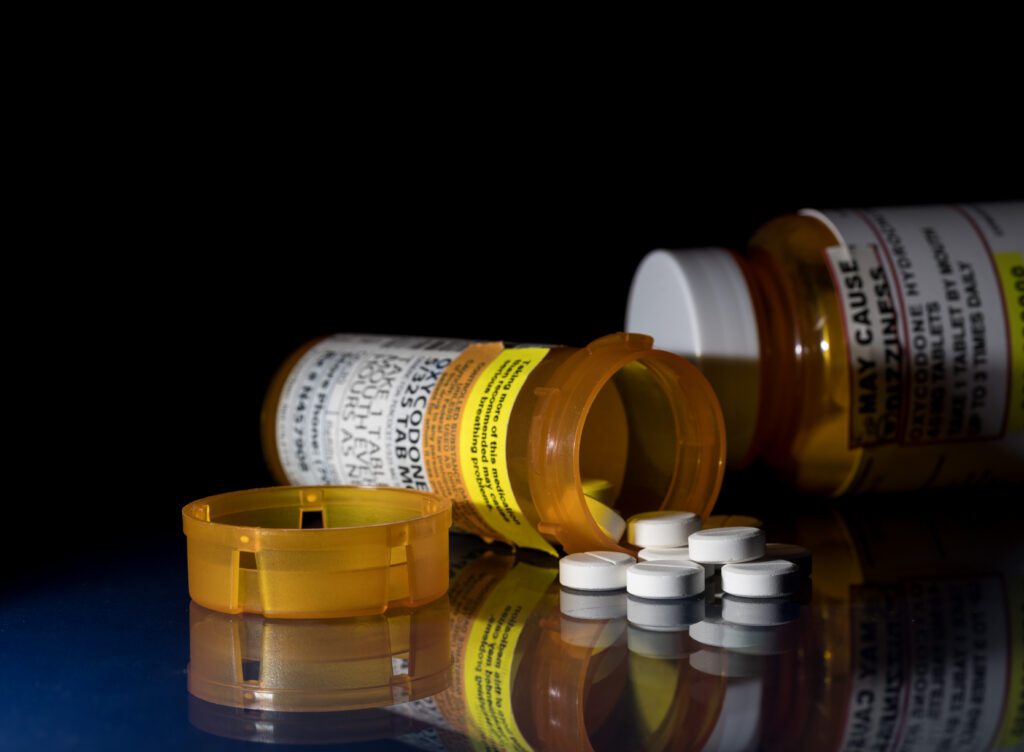
Photo: Shutterstock
In a new paper in the New England Journal of Medicine, two medical experts argue that the FDA’s inspection-based system is failing to catch quality problems and propose five reforms aimed at overhauling the generic drug market
May 19, 2026
0 Comments
republishPhoto: Shutterstock
On this page
Getting your Trinity Audio player ready...
Even as generic drugs have saved Americans trillions of dollars since 1984, two prominent researchers argue the U.S still cannot fully guarantee the safety of its drug supply.
In a March 2026 paper published in the New England Journal of Medicine, Kevin Schulman, M.D., a health economist and health services researcher at Stanford University, and Arthur L Kellermann, M.D., a physician and epidemiologist, warned that weaknesses in oversight, manufacturing transparency, and market incentives continue to leave Americans vulnerable to quality and safety failures. The authors outlined five reforms they say could strengthen regulation and improve the integrity of the generic drug supply chain.
The article opens with a stark warning: From generic drugs contaminated with cancer-causing impurities to a substandard anti-rejection medication linked to organ failure, a series of high-profile quality issues has exposed vulnerabilities in the U.S. drug supply. These vulnerabilities, they say, have led to more than 200 drug shortages nationwide.
To solve the problem, Dr. Schulman and Dr. Kellermann suggest a five-pronged strategy:
First, they advocate for being upfront with the public, taking issue with the fact that the Food and Drug Administration (FDA) continues to publicly maintain that generic drugs are equivalent to their brand-name counterparts, despite lacking the routine product testing needed to consistently verify that claim. “The FDA should stop claiming that all generic drugs sold in the United States are equally safe and effective. It cannot verify this claim without product testing,” the authors wrote.
Second, the authors recommend that independent laboratories routinely test drugs already on the market. While the FDA primarily monitors manufacturing quality through factory inspections, the agency does not routinely sample and chemically analyze medications sold in U.S. pharmacies — or even consistently test products during inspections — a practice that is more common in the European Union. The authors argue that independent laboratories could help close that oversight gap by regularly testing medications for quality, consistency, and contamination.
Their third proposal calls on federal agencies and large purchasers to base drug purchasing decisions not solely on price, but also on quality data generated through independent testing.
The fourth step is transparency. Information regarding quality and safety, they argue, must be made available to healthcare systems, wholesalers, and consumers and presented in an easily understood way.
Finally, Dr. Schulman and Dr. Kellermann argue that the U.S. must work to reshore the manufacturing of essential medications and ingredients. Bringing more production back to domestic facilities, they say, will make those factories easier to inspect, monitor, and regulate.
MedShadow’s reporting has repeatedly documented shortcomings in the FDA’s current oversight strategy, which relies heavily on periodic inspections of drug manufacturing facilities to assess compliance with manufacturing standards and safeguard drug quality. The agency has struggled to meet its own inspection goals, leaving thousands of manufacturing facilities without oversight for years at a time, while rarely conducting routine chemical testing on the medications Americans take every day.
Our reporting has also highlighted mounting quality-control concerns across the global drug manufacturing system, including contamination risks, data integrity failures, and repeated lapses in production standards.

Want to Share Your Story?
If you’ve experienced side effects or medication issues related to this topic, we want to hear from you.
Submit Your StoryDISCLAIMER: MedShadow provides information and resources related to medications, their effects, and potential side effects. However, it is important to note that we are not a substitute for professional medical advice, diagnosis, or treatment. The content on our site is intended for educational and informational purposes only. Individuals dealing with medical conditions or symptoms should seek guidance from a licensed healthcare professional, such as a physician or pharmacist, who can provide personalized medical advice tailored to their specific circumstances.
While we strive to ensure the accuracy and reliability of the information presented on MedShadow, we cannot guarantee its completeness or suitability for any particular individual’s medical needs. Therefore, we strongly encourage users to consult with qualified healthcare professionals regarding any health-related concerns or decisions. By accessing and using MedShadow, you acknowledge and agree that the information provided on the site is not a substitute for professional medical advice and that you should always consult with a qualified healthcare provider for any medical concerns.
RECOMMENDED:

DONATE:
Help fund our fight for improved medication safety and transparency by supporting our independent journalism.
Give NowWe seek to create a world where there are safer medications for all and where all people are fully informed about their medication benefits and side effects, using our explanatory and investigative journalism to both inform and stimulate public discussion to drive toward solutions.
