


Menu
 Shedding Light on the Risks
& Benefits of Medications
Shedding Light on the Risks
& Benefits of Medications
Shedding Light on the Risks
& Benefits of Medications Diabetes Drug Class Linked to Bile Duct and Gallbladder Disease
Diabetes Drug Class Linked to Bile Duct and Gallbladder Disease
August 15, 2016
0 Comments
republishDiabetes Drug Class Linked to Bile Duct and Gallbladder Disease
On this page
|
Getting your Trinity Audio player ready... |
Type 2 Diabetes Drugs
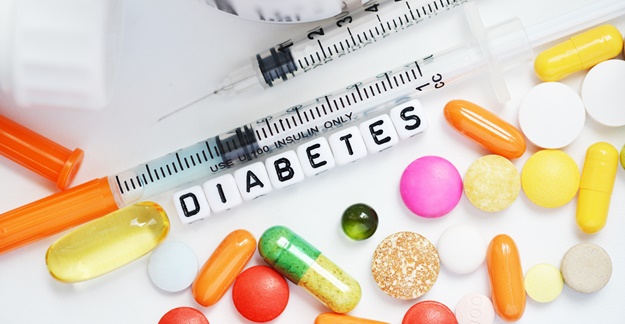
A popular class of drugs used to treat type 2 diabetes may increase the risk of bile duct and gallbladder disease.
The class, GLP-1 (glucagon-like peptide 1) receptor agonists, is given via an injection and includes Byetta (exenatide), Victoza (liraglutide) and Trulicity (dulaglutide).
Health records of more than 1.5 million patients with type 2 diabetes in the United States, the United Kingdom and Canada who were taking an antidiabetic medication were examined in the study, which was published in JAMA Internal Medicine.
GLP-1s were shown to cause a 79% increased risk of developing symptoms associated with bile duct and gallbladder disease compared to those not on any diabetes drug. Put another way, about 3 more patients per 1,000 exhibited symptoms compared to those not taking the medication. The most common adverse effect seen in this population were gallstones.
Another class of diabetes drugs, DPP-4 (dipeptidyl peptidase 4) inhibitors, which are given as a pill and act in a similar way as GLP-1s, did not have the increased risk of bile duct and gallbladder disease. DPP-4s on the market include Januvia (sitagliptin), Onglyza (saxagliptin) and Tradjenta (linagliptin).
However, both GLP-1s and DPP-4s were not associated with an increased risk of acute pancreatitis.
“It’s important that clinicians and patients alike be well informed about possible adverse effects,” Laurent Azoulay, PhD, a senior investigator at the Lady Davis Institute at the Jewish General Hospital in Montreal and the study’s lead author, said in a statement. “As a result of the gallbladder finding, it would be prudent for doctors to warn their patients to seek treatment if they experience symptoms, such as pain in their right side.”

Want to Share Your Story?
If you’ve experienced side effects or medication issues related to this topic, we want to hear from you.
Submit Your StoryDISCLAIMER: MedShadow provides information and resources related to medications, their effects, and potential side effects. However, it is important to note that we are not a substitute for professional medical advice, diagnosis, or treatment. The content on our site is intended for educational and informational purposes only. Individuals dealing with medical conditions or symptoms should seek guidance from a licensed healthcare professional, such as a physician or pharmacist, who can provide personalized medical advice tailored to their specific circumstances.
While we strive to ensure the accuracy and reliability of the information presented on MedShadow, we cannot guarantee its completeness or suitability for any particular individual’s medical needs. Therefore, we strongly encourage users to consult with qualified healthcare professionals regarding any health-related concerns or decisions. By accessing and using MedShadow, you acknowledge and agree that the information provided on the site is not a substitute for professional medical advice and that you should always consult with a qualified healthcare provider for any medical concerns.
RECOMMENDED:

February 8, 2022

October 7, 2019
What Are the Side Effects of Abilify?
DONATE:
Help fund our fight for improved medication safety and transparency by supporting our independent journalism.
Give NowWe seek to create a world where there are safer medications for all and where all people are fully informed about their medication benefits and side effects, using our explanatory and investigative journalism to both inform and stimulate public discussion to drive toward solutions.
WEBINARS
Stream our library on demand, including insights on generic drugs and pain management, straight from experts.
WATCH NOW