Celebrating 13 Years of Nonprofit Independence
Emma Yasinski

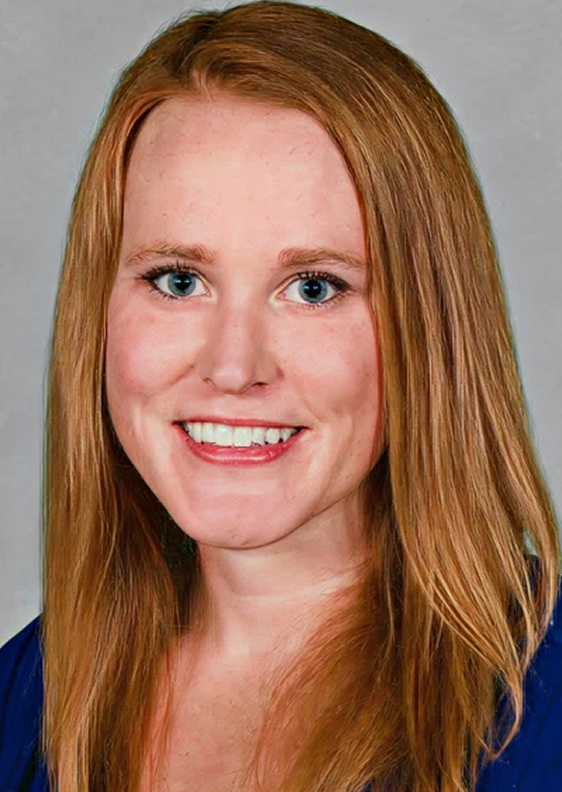
Emma Yasinski Senior Investigative Reporter

Emma Yasinski is an award-winning science and medical journalist. At MedShadow, she investigates drug manufacturing oversight, quality assurance, and the underreported side effects of medications. Yasinski holds a bachelor’s degree in neuroscience from Lafayette College and a master’s degree in science and medical journalism from Boston University. She’s also completed fellowships with the Association of Healthcare Journalism on the Centers for Disease Control and Prevention and reporting on efficacy studies. Most recently, she sharpened her investigative skills through a course at The Poynter Institute.

In addition to her reporting, Yasinski creates short, informative videos for MedShadow’s social media that have reached hundreds of thousands of viewers.

Writing about health for a variety of audiences, her work has appeared in outlets such as the New York Times, American Society of Hematology Clinical News, Smithsonian Magazine, The Atlantic, and more.

Yasinski’s interest in the way clinical trials are designed, conducted, and the information from them is disseminated began early. As a child, she was fortunate enough, she feels, to be a participant in a clinical trial in which a small device was inserted into her heart to cover an atrial septal defect which was causing it to grow unevenly and — over time — would likely have led to symptoms like shortness of breath and heart failure. The surgery was successful, and today she lives a largely healthy and normal life. However, as one of the first recipients of the treatment, she may be the first to discover any long-term effects— positive or negative. Additionally, the results of the trial were never published. While there has been improvement since then, many trials continue to go unpublished today, leaving people without critical insights into the medications they take.

KEEP READ MY ARTICLES
More from this writer:

Eye Health

Tyrvaya … A Nasal Spray for Dry Eyes?

The Food and Drug Administration (FDA) approved Tyrvaya, a new nasal spray designed to treat dry eye disease, in October 2021. A major benefit of the new drug is that it won’t require patients to…

Dec 14, 2021
Other Treatments

Surprising Side Effects of Essential Oils

October 25, 2021 update: The CDC found a deadly bacterium, Burkholderia pseudomallei, which causes the disease melioidosis in a lavender essential oil spray called “Better Homes & Gardens Lavender & Chamomile Essential Oil Infused Aromatherapy…

Aug 17, 2021
cannabis

Can Cannabis or CBD Mess With My Meds?

Legal or illegal, marijuana, cannabidiol (CBD) and related products are readily available to most people. These days, many patients are trying out the drugs, supplements, creams and edibles to treat diseases or symptoms like pain,…

Apr 1, 2021
vaccines

Arm Pain After COVID-19 Vaccine Is Common

March 4 update: Allergy researchers at Mass General Hospital created a registry for healthcare professionals to report immediate and delayed reactions to COVID-19 vaccinations. On March 3, the researchers published a letter in the New…

Mar 4, 2021
Steroids

Corticosteroids

, also known as glucocorticoids or steroids, aren’t the same as the anabolic steroids athletes misuse. Corticosteroids are used to treat a variety of inflammatory diseases like asthma, allergies, rashes, rheumatoid arthritis, lupus, and inflammatory…

May 14, 2020
Cold & Flu

Tough Out a Cold or Medicate It? Good Question

A major issue with many OTC cold remedies is that they can swap cold symptoms with unwelcome (and possibly dangerous) side effects. Wander into the cold-and-flu aisle at your local drugstore and you’ll be joining…

Nov 19, 2015

What is unbiased drug-safety journalism worth to you?

We think it’s invaluable — and hope you agree. Our work is made possible by donations from readers like you.

What is Unbiased Drug-Safety Journalism Worth to You?

We think it’s invaluable — and hope you agree. Our journalism is made possible by donations from readers like you.

As a nonprofit, we don’t take a dime from pharmaceutical or supplement companies. That means we can report on the benefits, risks, and alternatives to prescription and over-the-counter drugs free from corporate pressure or influence.