


November 12, 2020
 Shedding Light on the Risks
& Benefits of Medications
Shedding Light on the Risks
& Benefits of Medications 
Acid Reflux Drugs PPIs Use Raises Stomach Cancer Risk
Acid Reflux Drugs PPIs Use Raises Stomach Cancer Risk
Long-term use of a class of drugs popularly used to control acid reflux and heartburn can significantly increase one’s risk of developing stomach cancer. Researchers looked at more than 60,000 adults who had taken a combination of a proton-pump inhibitor (PPIs) and two antibiotics to kill H. pylori bacteria for 7 days. Eliminating that bacteria from the gut can significantly lower a person’s risk of developing stomach cancer. However, many people continue to take a PPI regularly after the bacteria has been eliminated, often for years.
The patients were then monitored for an average of 7.5 years. The researchers compared those who were taking PPIs with another drug class used to decrease acid production in the gut, H2 receptor antagonists (H2 blockers).
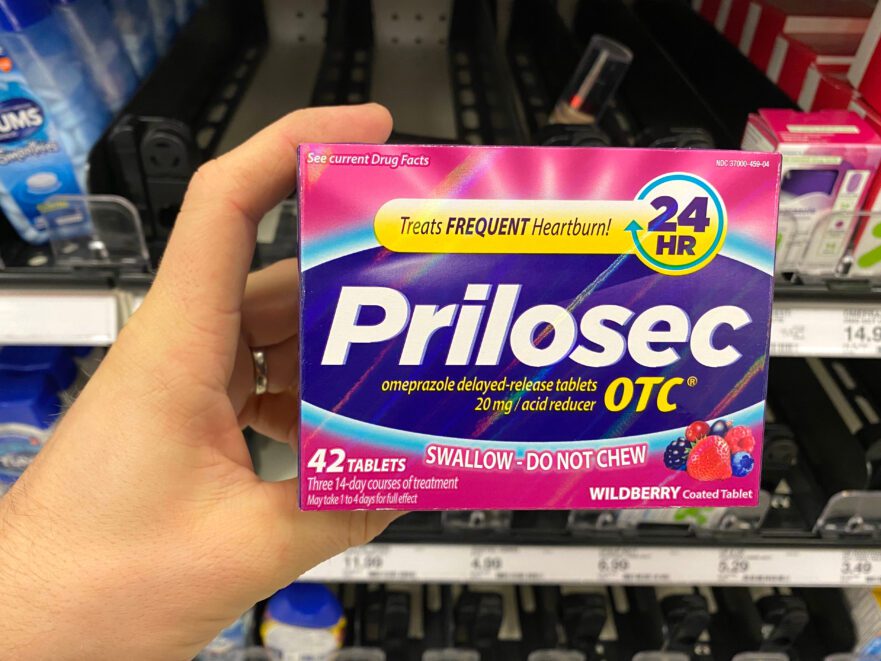
PPIs and H2 blockers are widely available over the counter. Common PPIs include Nexium (esomeprazole), Prevacid (lansoprazole) and Prilosec (omeprazole). Popular H2 blockers include Pepcid (famotidine), Tagamet (cimetidine) and Zantac (ranitidine).
Those on PPIs had a 2.4 times higher risk of developing stomach cancer, the researchers reported in the journal Gut. However, taking an H2 blocker was not linked to a higher risk.
The risk also increased the more frequently a PPI was used. Daily use was associated with a 4.5 times higher risk of developing stomach cancer compared with weekly use. Also, the longer a PPI was used, the greater the risk.
After more than a year of use, the risk of stomach cancer increased 5-fold; 6-fold after 2 or more years; and more than 8-fold after at least 3 years.
Other research has indicated long-term use of PPIs can lead to other side effects, including pneumonia, heart attack and bone fracture. The study’s authors say that doctors should exercise caution when telling patients to take a PPI for a long period of time.

If you’ve experienced side effects or medication issues related to this topic, we want to hear from you.
Submit Your StoryDISCLAIMER: MedShadow provides information and resources related to medications, their effects, and potential side effects. However, it is important to note that we are not a substitute for professional medical advice, diagnosis, or treatment. The content on our site is intended for educational and informational purposes only. Individuals dealing with medical conditions or symptoms should seek guidance from a licensed healthcare professional, such as a physician or pharmacist, who can provide personalized medical advice tailored to their specific circumstances.
While we strive to ensure the accuracy and reliability of the information presented on MedShadow, we cannot guarantee its completeness or suitability for any particular individual’s medical needs. Therefore, we strongly encourage users to consult with qualified healthcare professionals regarding any health-related concerns or decisions. By accessing and using MedShadow, you acknowledge and agree that the information provided on the site is not a substitute for professional medical advice and that you should always consult with a qualified healthcare provider for any medical concerns.

Help fund our fight for improved medication safety and transparency by supporting our independent journalism.
Give NowWe seek to create a world where there are safer medications for all and where all people are fully informed about their medication benefits and side effects, using our explanatory and investigative journalism to both inform and stimulate public discussion to drive toward solutions.
No comments yet. Be the first to comment!
