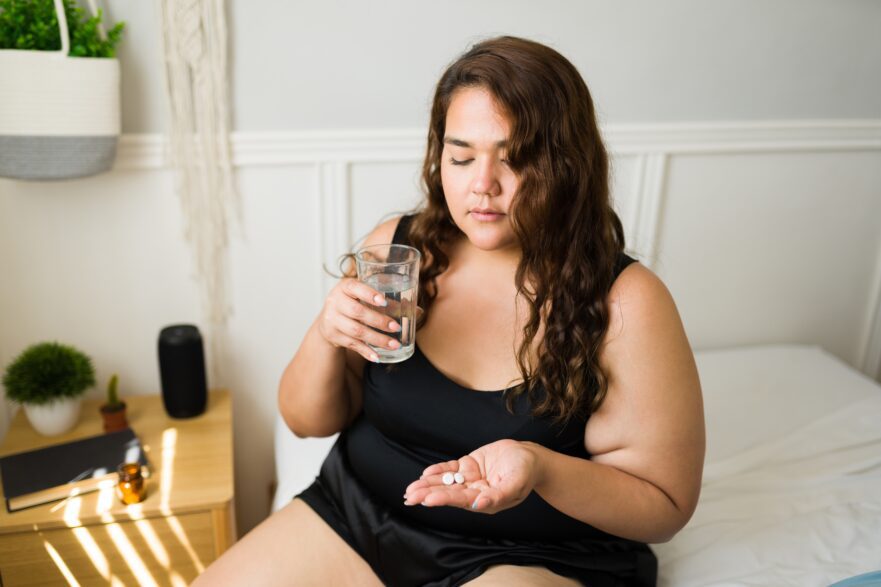


Sexual dysfunction has been a known side effect of SSRIs for some time, but the length of that dysfunction is often much longer than many realize

Stacey Harder, an author in Melbourne, Australia, has struggled with anxiety related to early traumas for most of her life. Eventually, she decided it was time to speak with her doctor about the condition and consider starting medication. Antidepressant medications, such as SSRIs (selective serotonin reuptake inhibitors) and SNRIs (serotonin-norepinephrine reuptake inhibitors), are commonly prescribed for anxiety, and her doctor suggested that she try taking one.
Along with lifestyle changes such as regular therapy, yoga, and writing, Harder started taking an SSRI. She checked in with her doctor weekly to discuss how she felt and if any new side effects emerged. One of the side effects that surfaced was sexual dysfunction — Harder says she lost the ability to orgasm.
“It wasn’t that my libido had disappeared or that I didn’t want to be intimate with my partner. It was just that when we were being intimate, I just couldn’t get across the finish line. And it was very frustrating,” she says. “It was affecting my relationship.”
She’s not alone. For years, advocates and researchers have been drawing attention to sexual dysfunction associated with antidepressants, which, for some, may even continue long after they stop taking the drug.
There is some debate about exactly how antidepressants work to help people with depression, but it’s known that they typically increase levels of a chemical in the brain called serotonin. While researchers have recently begun questioning whether people with depression actually have lower levels of serotonin than their counterparts without depression, evidence from clinical trials does suggest that antidepressants help many people with depression (particularly those with the most severe symptoms) along with anxiety, post-traumatic stress disorder (PTSD), and other conditions.
SSRIs are considered a frontline treatment for depression, but like most medications, they come with complicated side effects — including sexual dysfunction.
Some common side effects of antidepressants include:
While many people are aware that sexual dysfunction can be a key side effect of antidepressant use, fewer may be aware that, in some cases, this condition can last long after someone stops taking their medication—and can, in rare cases, be irreversible. This condition is called post-SSRI sexual dysfunction (PSSD).
Sexual dysfunction, which can be caused by a wide range of medications including antidepressants, is a broad term that covers various issues preventing an individual from experiencing satisfaction during sexual activity. This can include problems such as:
Independent reporting on drug recalls, medication safety and integrative health, including supplements. No pharma funding.
What differentiates PSSD from general sexual dysfunction caused by antidepressants is that the symptoms of PSSD continue after antidepressants have been stopped, and in rare cases, may continue indefinitely.
While there is some overlap between the symptoms of general sexual dysfunction and PSSD, there are some noted differences — which are essential for patients and physicians to understand so the condition can be caught earlier rather than later.
Symptoms of PSSD include:
While the sexual side effects of antidepressants are generally recognized, there are likely many people who never discuss them with their doctor prior to a prescription—which means they certainly are not aware of the fact that these sexual issues could continue long after they taper off.
One small study from 2021 notes that out of 239 people living with PSSD, only 12% said they were counseled by their doctor about the sexual side effects from SSRI use. What’s more, over 80% of respondents reported that the impact on their quality of life was very negative.
In 2018, RxISK.org filed a citizen petition with the European Medicines Agency, Health Canada and the FDA, urging them to update warnings on SSRIs and SNRIs—such as Paxil, Prozac, and Effexor—to include the risk of persistent sexual dysfunction even after discontinuation and to send “Dear Health Care Provider Letters” that educate prescribers about the fact that these side effects can persist and offer guidelines to discuss the risk with patients.
Led by Dr. David Healy, the petition was signed by 22 scientists and healthcare professionals.
After the petition was filed, drug regulatory agencies in both Europe and Canada acted, making sure to put out warnings about the risk of sexual side effects after antidepressant cessation.
The FDA, however, never responded. Because of its inaction, Public Citizen, a nonprofit consumer advocacy organization, filed a lawsuit against the FDA hopes of forcing a response. The case is not yet resolved.
While concerning, the risk of PSSD appears rare: According to one 2023 study (frustratingly only focused on men), four out of 100,000 people may be affected. On the other hand, a lack of widespread recognition of this condition among both patients and doctors most likely makes it difficult for people to recognize that the symptoms they’re going through are actually caused by their medication—which may mean the number of cases is higher and simply underreported.
Despite this worrying side effect, SSRIs remain a crucial part of depression treatment for many people. This is why paying attention to how you feel after you start taking them is critical. Pay attention to any new thoughts, feelings, and/or habits that emerge. Consider using MedShadow’s symptom tracker to keep tabs on any changes that might coincide with your use of the medications so you can discuss them with your physician.
If you or someone you love is taking an SSRI or SNRI or considering it, here are some questions to ask your doctor:
If you believe you may be dealing with post-SSRI sexual dysfunction, this condition is nothing to be embarassed about. If you’re feeling squeamish about talking about it with your doctor, consider the fact that it’s a real side effect, rather than a personal inadequacy. Starting the conversation about your symptoms can be the first step in a successful journey towards regaining an important part of your life.
Additional reporting for this article was done by Heather Cottrell
If you’ve experienced side effects or medication issues related to this topic, we want to hear from you.
Submit Your StoryDISCLAIMER: MedShadow provides information and resources related to medications, their effects, and potential side effects. However, it is important to note that we are not a substitute for professional medical advice, diagnosis, or treatment. The content on our site is intended for educational and informational purposes only. Individuals dealing with medical conditions or symptoms should seek guidance from a licensed healthcare professional, such as a physician or pharmacist, who can provide personalized medical advice tailored to their specific circumstances.
While we strive to ensure the accuracy and reliability of the information presented on MedShadow, we cannot guarantee its completeness or suitability for any particular individual’s medical needs. Therefore, we strongly encourage users to consult with qualified healthcare professionals regarding any health-related concerns or decisions. By accessing and using MedShadow, you acknowledge and agree that the information provided on the site is not a substitute for professional medical advice and that you should always consult with a qualified healthcare provider for any medical concerns.
Help fund our fight for improved medication safety and transparency by supporting our independent journalism.
Give NowWe seek to create a world where there are safer medications for all and where all people are fully informed about their medication benefits and side effects, using our explanatory and investigative journalism to both inform and stimulate public discussion to drive toward solutions.
Stream our library on demand, including insights on generic drugs and pain management, straight from experts.
WATCH NOWMedShadow.org is dedicated to empowering people with our evidence-based journalism about the safest ways to take over-the-counter (OTC) and prescription (Rx) medications.
We also seek to stimulate public discussion about potential improvements to drug research, manufacturing and distribution processes. and also to encourage the improvement of processes to ensure that we are all better protected.
As a result, we encourage other nonprofit newsrooms, mission-aligned outlets, and advocacy organizations to republish our original content under the following conditions:
1. We Are Credited Fully and Clearly
You must include the byline and credit MedShadow.org as the original publisher. Please include a link to the original article at the top or bottom of the piece. Use the following attribution:
This article was originally published by MedShadow, a nonprofit foundation that focuses on the safest ways to take over-the-counter and prescription medications.
2. Our Content Isn’t Edited Without Permission
You may make small changes for clarity, such as adjusting headlines, subheadings, or transitions, but you may not change the core meaning, tone, or intent of the article. For substantive edits, email us at republish@medshadow.org for review and approval.
3. You Do Not Sell Or Use Our Content Commercially
Our work is free to share, but it may not be sold, monetized, or repurposed for commercial gain. You may not republish our articles behind a paywall or in publications whose primary purpose is advertising or product promotion. You may not place drug or supplement advertising adjacent to our story.
4. Photos, Graphics, and Multimedia Are Not Used Without Permission
Only the text of the article is available for republication. Images, graphics, and videos may not be reused without explicit written permission, unless they are clearly marked as Creative Commons licensed. Contact us if you’d like to request reuse of a visual asset.
If you’re unsure whether your intended use falls within these guidelines, or would like to discuss a formal syndication or licensing arrangement, please email: republish@medshadow.org
We want our journalism to reach as many people as possible, especially those making critical decisions about medications and health.
For website editors
Copy the article body, including its formatting and links, then paste it into your publishing system. Add the byline and required credit described in these guidelines.
<!-- wp:paragraph -->
<p>Stacey Harder, an author in Melbourne, Australia, has struggled with anxiety related to early traumas for most of her life. Eventually, she decided it was time to speak with her doctor about the condition and consider starting medication. Antidepressant medications, such as SSRIs (selective serotonin reuptake inhibitors) and SNRIs (serotonin-norepinephrine reuptake inhibitors), are commonly prescribed for anxiety, and her doctor suggested that she try taking one.</p>
<!-- /wp:paragraph -->
<!-- wp:paragraph -->
<p>Along with lifestyle changes such as regular therapy, yoga, and writing, Harder started taking an SSRI. She checked in with her doctor weekly to discuss how she felt and if any new side effects emerged. One of the side effects that surfaced was sexual dysfunction — Harder says she lost the ability to orgasm.</p>
<!-- /wp:paragraph -->
<!-- wp:paragraph -->
<p>“It wasn’t that my libido had disappeared or that I didn’t want to be intimate with my partner. It was just that when we were being intimate, I just couldn’t get across the finish line. And it was very frustrating,” she says. “It was affecting my relationship.”</p>
<!-- /wp:paragraph -->
<!-- wp:paragraph -->
<p>She’s not alone. For years, advocates and researchers have been drawing attention to sexual dysfunction associated with antidepressants, which, for some, may even continue long after they stop taking the drug.</p>
<!-- /wp:paragraph -->
<!-- wp:heading -->
<h2 class="wp-block-heading">Understanding Antidepressants</h2>
<!-- /wp:heading -->
<!-- wp:paragraph -->
<p>There is some debate about exactly how antidepressants work to help people with depression, but it’s known that they typically increase levels of a chemical in the brain called serotonin. While researchers have recently <a href="https://www.nature.com/articles/s41380-022-01661-0" target="_blank" rel="noreferrer noopener">begun questioning</a> whether people with depression actually have lower levels of serotonin than their counterparts without depression, evidence from clinical trials does suggest that antidepressants <a href="https://www.ncbi.nlm.nih.gov/books/NBK538182/" target="_blank" rel="noreferrer noopener">help many people with depression</a> (particularly those with <a href="https://pubmed.ncbi.nlm.nih.gov/20051569/" target="_blank" rel="noreferrer noopener">the most severe symptoms</a>) along with anxiety, post-traumatic stress disorder (PTSD), and other conditions.</p>
<!-- /wp:paragraph -->
<!-- wp:paragraph -->
<p>SSRIs are considered a frontline treatment for depression, but like most medications, they come with complicated side effects — including sexual dysfunction.</p>
<!-- /wp:paragraph -->
<!-- wp:heading {"level":3} -->
<h3 class="wp-block-heading">Common Side Effects of Antidepressants</h3>
<!-- /wp:heading -->
<!-- wp:paragraph -->
<p>Some <a href="https://www.ncbi.nlm.nih.gov/books/NBK538182/" target="_blank" rel="noreferrer noopener">common side effects of antidepressants</a> include:</p>
<!-- /wp:paragraph -->
<!-- wp:list -->
<ul class="wp-block-list"><!-- wp:list-item -->
<li>Drowsiness</li>
<!-- /wp:list-item -->
<!-- wp:list-item -->
<li>Weight gain</li>
<!-- /wp:list-item -->
<!-- wp:list-item -->
<li>Insomnia</li>
<!-- /wp:list-item -->
<!-- wp:list-item -->
<li>Anxiety</li>
<!-- /wp:list-item -->
<!-- wp:list-item -->
<li>Dizziness</li>
<!-- /wp:list-item -->
<!-- wp:list-item -->
<li>Headache</li>
<!-- /wp:list-item -->
<!-- wp:list-item -->
<li>Dry mouth</li>
<!-- /wp:list-item -->
<!-- wp:list-item -->
<li>Blurred vision</li>
<!-- /wp:list-item -->
<!-- wp:list-item -->
<li>Nausea</li>
<!-- /wp:list-item -->
<!-- wp:list-item -->
<li>Rash</li>
<!-- /wp:list-item -->
<!-- wp:list-item -->
<li>Tremor</li>
<!-- /wp:list-item --></ul>
<!-- /wp:list -->
<!-- wp:paragraph -->
<p>While many people are aware that <a href="https://www.ncbi.nlm.nih.gov/pmc/articles/PMC10122283/" target="_blank" rel="noreferrer noopener">sexual dysfunction</a> can be a key side effect of antidepressant use, fewer may be aware that, in some cases, this condition can last long after someone stops taking their medication—and can, in rare cases, <a href="https://annals-general-psychiatry.biomedcentral.com/articles/10.1186/s12991-023-00447-0" target="_blank" rel="noreferrer noopener">be irreversible</a>. This condition is called post-SSRI sexual dysfunction (PSSD).</p>
<!-- /wp:paragraph -->
<!-- wp:heading -->
<h2 class="wp-block-heading">General Sexual Dysfunction Vs Post-SSRI Sexual Dysfunction (PSSD)</h2>
<!-- /wp:heading -->
<!-- wp:paragraph -->
<p><a href="https://bestpractice.bmj.com/topics/en-us/352" target="_blank" rel="noreferrer noopener">Sexual</a> <a href="https://www.ncbi.nlm.nih.gov/books/NBK562253/" target="_blank" rel="noreferrer noopener">dysfunction</a>, which can be caused by a wide range of medications including antidepressants, is a broad term that covers various issues preventing an individual from experiencing satisfaction during sexual activity. This can include problems such as:</p>
<!-- /wp:paragraph -->
<!-- wp:list -->
<ul class="wp-block-list"><!-- wp:list-item -->
<li><strong>Low libido</strong>: A reduced interest in sexual activity</li>
<!-- /wp:list-item -->
<!-- wp:list-item -->
<li><strong>Arousal difficulties</strong>: Trouble becoming or staying aroused, which might involve insufficient vaginal lubrication in women or difficulty achieving or maintaining an erection in men</li>
<!-- /wp:list-item -->
<!-- wp:list-item -->
<li><strong>Orgasmic disorders</strong>: Difficulty reaching orgasm or experiencing delayed or absent orgasms</li>
<!-- /wp:list-item -->
<!-- wp:list-item -->
<li><strong>Pain during sex</strong>: Experiencing discomfort or pain during sexual activity</li>
<!-- /wp:list-item --></ul>
<!-- /wp:list -->
<!-- wp:paragraph -->
<p>What differentiates PSSD from general sexual dysfunction caused by antidepressants is that the symptoms of PSSD continue after antidepressants have been stopped, and in rare cases, may continue <a href="https://www.ncbi.nlm.nih.gov/pmc/articles/PMC10122283/" target="_blank" rel="noreferrer noopener">indefinitely</a>.</p>
<!-- /wp:paragraph -->
<!-- wp:paragraph -->
<p>While there is some overlap between the symptoms of general sexual dysfunction and PSSD, there are some noted differences — which are essential for patients and physicians to understand so the condition can be caught earlier rather than later.</p>
<!-- /wp:paragraph -->
<!-- wp:paragraph -->
<p>Symptoms of PSSD <a href="https://www.sciencedirect.com/science/article/abs/pii/S2050052121000603" target="_blank" rel="noreferrer noopener">include</a>:</p>
<!-- /wp:paragraph -->
<!-- wp:list -->
<ul class="wp-block-list"><!-- wp:list-item -->
<li><strong>Genital anesthesia</strong> (loss of sensation in the genital area, which can be described as numbness or reduced sensitivity)</li>
<!-- /wp:list-item -->
<!-- wp:list-item -->
<li><strong>Erectile dysfunction</strong></li>
<!-- /wp:list-item -->
<!-- wp:list-item -->
<li><strong>Orgasmic/ejaculatory anhedonia</strong> (the inability to experience pleasure or satisfaction during orgasm or ejaculation</li>
<!-- /wp:list-item --></ul>
<!-- /wp:list -->
<!-- wp:paragraph -->
<p>While the sexual side effects of antidepressants are generally recognized, there are likely many people who never discuss them with their doctor prior to a prescription—which means they certainly are not aware of the fact that these sexual issues could continue long after they taper off.</p>
<!-- /wp:paragraph -->
<!-- wp:paragraph -->
<p>One <a href="https://content.iospress.com/articles/international-journal-of-risk-and-safety-in-medicine/jrs210039" target="_blank" rel="noreferrer noopener">small study</a> from 2021 notes that out of 239 people living with PSSD, only 12% said they were counseled by their doctor about the sexual side effects from SSRI use. What’s more, over 80% of respondents reported that the impact on their quality of life was very negative.</p>
<!-- /wp:paragraph -->
<!-- wp:heading {"level":3} -->
<h3 class="wp-block-heading">Persistent Sexual Dysfunction: A Petition to Raise Awareness</h3>
<!-- /wp:heading -->
<!-- wp:paragraph -->
<p>In 2018, RxISK.org filed a <a href="https://rxisk.org/wp-content/uploads/2018/06/JRS745-1.pdf" target="_blank" rel="noreferrer noopener">citizen petition</a> with the European Medicines Agency, Health Canada and the FDA, urging them to update warnings on SSRIs and SNRIs—such as Paxil, Prozac, and Effexor—to include the risk of persistent sexual dysfunction even after discontinuation and to send “Dear Health Care Provider Letters” that educate prescribers about the fact that these side effects can persist and offer guidelines to discuss the risk with patients.</p>
<!-- /wp:paragraph -->
<!-- wp:paragraph -->
<p>Led by <a href="https://davidhealy.org/" target="_blank" rel="noreferrer noopener">Dr. David Healy</a>, the petition was signed by 22 scientists and healthcare professionals.</p>
<!-- /wp:paragraph -->
<!-- wp:paragraph -->
<p>After the petition was filed, drug regulatory agencies in both <a href="https://www.ncbi.nlm.nih.gov/pmc/articles/PMC8061302/#:~:text=In%20June%202019%2C%20the%20European,does%20not%20develop%20these%20problems." target="_blank" rel="noreferrer noopener">Europe</a> and <a href="https://dhpp.hpfb-dgpsa.ca/review-documents/resource/SSR00254" target="_blank" rel="noreferrer noopener">Canada</a> acted, making sure to put out warnings about the risk of sexual side effects after antidepressant cessation.</p>
<!-- /wp:paragraph -->
<!-- wp:paragraph -->
<p>The FDA, however, never responded. Because of its inaction, Public Citizen, a nonprofit consumer advocacy organization, <a href="https://www.citizen.org/news/fda-sued-over-inaction-on-citizen-petition/" target="_blank" rel="noreferrer noopener">filed a lawsuit</a> against the FDA hopes of forcing a response. The case is not yet resolved.</p>
<!-- /wp:paragraph -->
<!-- wp:heading -->
<h2 class="wp-block-heading">Protecting Yourself From PSSD: Questions to Ask Your Doctor</h2>
<!-- /wp:heading -->
<!-- wp:paragraph -->
<p>While concerning, the risk of PSSD appears rare: According to one 2023 study (frustratingly only focused on men), <a href="https://www.ncbi.nlm.nih.gov/pmc/articles/PMC10122283/" target="_blank" rel="noreferrer noopener">four out of 100,000 people</a> may be affected. On the other hand, a <a href="https://www.cambridge.org/core/journals/epidemiology-and-psychiatric-sciences/article/postssri-sexual-dysfunction-barriers-to-quantifying-incidence-and-prevalence/EF502A763704810C127E2561CFB52FD2#" target="_blank" rel="noreferrer noopener">lack of widespread recognition</a> of this condition among both patients and doctors most likely makes it difficult for people to recognize that the symptoms they’re going through are actually caused by their medication—which may mean the number of cases is higher and simply underreported.</p>
<!-- /wp:paragraph -->
<!-- wp:paragraph -->
<p>Despite this worrying side effect, SSRIs remain a crucial part of depression treatment for many people. This is why paying attention to how you feel after you start taking them is critical. Pay attention to any new thoughts, feelings, and/or habits that emerge. Consider using <a href="https://medshadow1stg.wpenginepowered.com/download/symptom-tracker-downloadable/" target="_blank" rel="noreferrer noopener">MedShadow’s symptom tracker</a> to keep tabs on any changes that might coincide with your use of the medications so you can discuss them with your physician.</p>
<!-- /wp:paragraph -->
<!-- wp:paragraph -->
<p>If you or someone you love is taking an SSRI or SNRI or considering it, here are some questions to ask your doctor:</p>
<!-- /wp:paragraph -->
<!-- wp:list -->
<ul class="wp-block-list"><!-- wp:list-item -->
<li>What are the most common side effects of this medication?</li>
<!-- /wp:list-item -->
<!-- wp:list-item -->
<li>Why did you choose this particular medication for me? How do other patients like me do on it?</li>
<!-- /wp:list-item -->
<!-- wp:list-item -->
<li>What are the most severe side effects of this drug? Are there symptoms that should prompt me to call you or visit the emergency room, even if they are rare?</li>
<!-- /wp:list-item -->
<!-- wp:list-item -->
<li>How long should I expect to take this drug? How will we know when it’s time for me to stop?</li>
<!-- /wp:list-item -->
<!-- wp:list-item -->
<li>How long does it take to taper off of this drug if we decide I don’t need it anymore?</li>
<!-- /wp:list-item -->
<!-- wp:list-item -->
<li>How often do patients report sexual dysfunction?</li>
<!-- /wp:list-item -->
<!-- wp:list-item -->
<li>If I do experience sexual dysfunction, what can I do about it? How likely is it to last indefinitely?</li>
<!-- /wp:list-item --></ul>
<!-- /wp:list -->
<!-- wp:paragraph -->
<p>If you believe you may be dealing with post-SSRI sexual dysfunction, this condition is nothing to be embarassed about. If you’re feeling squeamish about talking about it with your doctor, consider the fact that it’s a real side effect, rather than a personal inadequacy. Starting the conversation about your symptoms can be the first step in a successful journey towards regaining an important part of your life.</p>
<!-- /wp:paragraph -->
<!-- wp:paragraph -->
<p><em>Additional reporting for this article was done by Heather Cottrell</em></p>
<!-- /wp:paragraph -->We think it’s invaluable — and hope you agree. Our work is made possible by donations from readers like you.
We think it’s invaluable — and hope you agree. Our journalism is made possible by donations from readers like you.
As a nonprofit, we don’t take a dime from pharmaceutical or supplement companies. That means we can report on the benefits, risks, and alternatives to prescription and over-the-counter drugs free from corporate pressure or influence.
No comments yet. Be the first to comment!

We've noticed that you're interested in this topic. Would you read a dedicated newsletter about it?