


Menu
 Shedding Light on the Risks
& Benefits of Medications
Shedding Light on the Risks
& Benefits of Medications
Shedding Light on the Risks
& Benefits of Medications Anxiety Is a Surprisingly Common Side Effect of Many Medicines

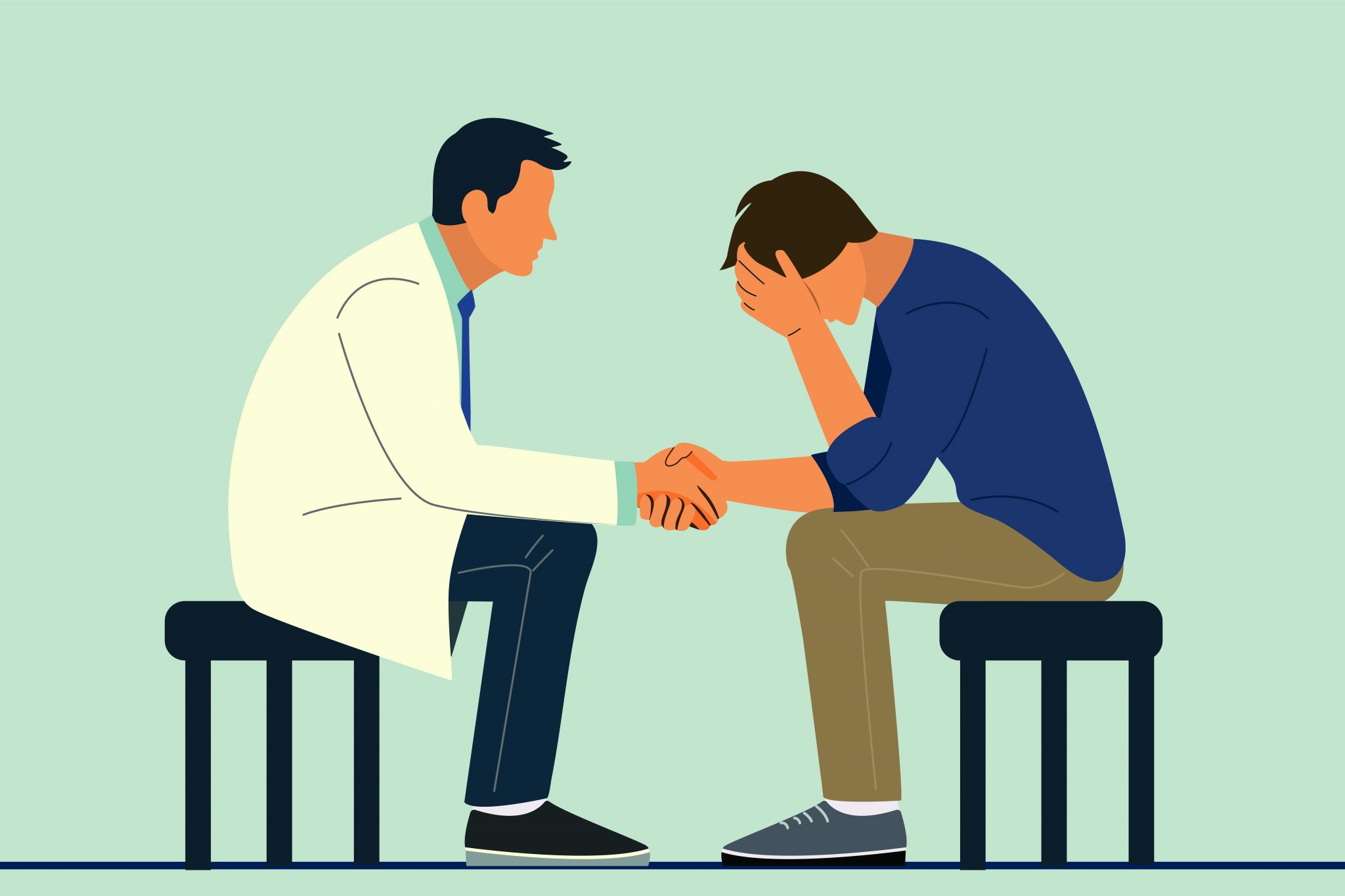
Illustration: Shutterstock/Orla
January 11, 2021
1 Comments
republishIllustration: Shutterstock/Orla
on this page:
Feeling anxious? Check your medicine cabinet.
There are millions of reasons why you might be feeling more anxious than usual, from big life changes to small triggers, dehydration to medical conditions — not to mention COVID-19 and the current political upheaval. If you’ve recently started experiencing anxiety that’s disrupting your life, it could also be a side effect of a medicine you take. Many drugs — even those that seemingly have nothing to do with the brain — list anxiety as a possible side effect.
Each drug affects every person differently and can interact with other drugs, supplements, conditions or even food to produce side effects, including symptoms of anxiety. If you think drugs may be causing your anxiety, be sure to talk to your healthcare provider about how to manage it or whether it’s time to taper off, switch or stop the medication. Nearly every medicine has an alternative drug that might affect you less. Even better, incorporate frequent exercise and healthy, whole-food eating habits and you may be able to use fewer drugs.
Anxiety as a Side Effect of Medicine
While the list, below, is not exhaustive, it covers some of the main drugs prescribed for common afflictions.
Acne Medicine
Accutane may no longer be on the market, but its generic counterpart, isotretinoin, still is. The drug was linked to a variety of psychiatric side effects, including anxiety. However, having acne can also lead to anxiety.
Antibiotics
“I nicknamed myself Frankenwoman,” one woman wrote for MedShadow, explaining how she suffered from a host of conditions after taking the antibiotic Levaquin. The drug caused dramatic side effects like tendon ruptures, along with psychiatric ones like anxiety. While Levaquin is a particularly powerful antibiotic associated with serious side effects, many antibiotics can interfere with our gut microbiota, which is known to impact our brain function through the gut-brain axis.
B12
It’s important to get enough vitamin B12 in your diet to keep your immune system strong. If food isn’t providing it and you take a B12 supplement, you may experience anxiety.
Bronchodilators
Used to treat asthma and COPD (chronic obstructive pulmonary disease), some bronchodilators like albuterol can cause nervousness and rapid heart rate.
Caffeinated Medicines
Many drugs that treat pain, migraines and respiratory issues contain caffeine, which increases heart rate and can make you feel anxious. Check the ingredients on your drug’s label. Some examples are Excedrin and Midol Complete.
Corticosteroids
Corticosteroids can cause mood changes, which may be severe in some patients. See: Prednisone: The Steroid That Can Make You Feel Crazy
Diuretics
Drugs that increase urination can cause dehydration, which may lead to feelings of anxiety. This includes medications designed to reduce swelling and fluid retention, such as furosemide (Lasix) and hydrochlorothiazide (Microzide), as well as drugs used to treat diabetes — canagliflozin (Invokana) and empagliflozin (Jardiance).
Mefloquine (Lariam)
Mefloquine is an antimalarial drug, often prescribed as a prophylaxis before traveling to a place where malaria is endemic. It can cause anxiety and nervousness, among other symptoms. In 2013, The FDA applied a black box warning to its label due to a serious risk of psychiatric and neurological side effects. The FDA updated the information on the label to warn that neurologic side effects may persist or become permanent.
Opioids
A 2020 study in JAMA Psychiatry suggested that opioid use can increase the risk of both anxiety and major depression.
Ritalin
Ritalin and other stimulants that treat ADHD (attention deficit hyperactivity disorder) can cause anxiety and rapid heartbeat.

Want to Share Your Story?
If you’ve experienced side effects or medication issues related to this topic, we want to hear from you.
Submit Your Story- PharmD, J. C. (2019, May 31). What are the side effects and risks of Ritalin?
- Liu, S. Y., Wang, Y. R., Lin, X., Zhang, X., & Xie, L. (2022). Association of anxiety and depressive symptoms with COVID-19 infection: A systematic review and meta-analysis. JAMA Psychiatry, 79(7), 692-701.
- U.S. Food and Drug Administration. (2014). Guidance for industry: Changes to an approved NDA or ANDA (FDA publication No. 86285). U.S. Food and Drug Administration.
- Drugs.com. (n.d.). Caffeine. Drugs.com
- Albuterol side effects: Can I avoid them? (n.d.). Mayo Clinic.
- Vitamin B-12. (n.d.). Mayo Clinic.
- Turner, T. (2024, October 2). Cipro Side Effects | Fluoroquinolone Antibiotics. Drugwatch.com.
- Singer, S., Tkachenko, E., Sharma, P., Barbieri, J. S., & Mostaghimi, A. (2019). Psychiatric Adverse Events in Patients Taking Isotretinoin as Reported in a Food and Drug Administration Database From 1997 to 2017. JAMA Dermatology, 155(10), 1162.
DISCLAIMER: MedShadow provides information and resources related to medications, their effects, and potential side effects. However, it is important to note that we are not a substitute for professional medical advice, diagnosis, or treatment. The content on our site is intended for educational and informational purposes only. Individuals dealing with medical conditions or symptoms should seek guidance from a licensed healthcare professional, such as a physician or pharmacist, who can provide personalized medical advice tailored to their specific circumstances.
While we strive to ensure the accuracy and reliability of the information presented on MedShadow, we cannot guarantee its completeness or suitability for any particular individual’s medical needs. Therefore, we strongly encourage users to consult with qualified healthcare professionals regarding any health-related concerns or decisions. By accessing and using MedShadow, you acknowledge and agree that the information provided on the site is not a substitute for professional medical advice and that you should always consult with a qualified healthcare provider for any medical concerns.
on this page:
RECOMMENDED:

DONATE:
Help fund our fight for improved medication safety and transparency by supporting our independent journalism.
Give NowWe seek to create a world where there are safer medications for all and where all people are fully informed about their medication benefits and side effects, using our explanatory and investigative journalism to both inform and stimulate public discussion to drive toward solutions.
WEBINARS
Stream our library on demand, including insights on generic drugs and pain management, straight from experts.
WATCH NOW
