
Copyright (c) 2024 Drazen Zigic/Shutterstock
From turmeric and antioxidants to nutritional supplements, researchers are exploring natural ways to support tuberculosis treatment. But what does the science actually show?

Copyright (c) 2024 Drazen Zigic/Shutterstock
If you have tuberculosis (TB), you may be wondering what treatments exist beyond what doctors have already told you.
For now, completing a full course of standard antibiotic treatment remains the only way to cure tuberculosis (TB). Standard drug regimens can cure more than 95% of drug-susceptible TB cases, as long as individuals complete the entire course of treatment.
That said, increasing evidence is showing that natural remedies— including certain foods, herbs, plant extracts, and lifestyle-based treatments— may provide support alongside antibiotics.
Many of these remedies have shown promise in helping support the immune response and kill TB bacteria, but most of the research behind them is still in early stages, and more testing in humans is needed. Most importantly, none can replace your antibiotics.
Here’s what to know about natural treatments for TB, plus what to ask your doctor about them.
Tuberculosis (TB) is a serious infection caused primarily by the bacterium Mycobacterium tuberculosis (Mtb). It’s contagious and passed through the air from an infected person to others. It’s no longer a major public health issue in the U.S., but still one of the world’s leading causes of death from a single infectious agent..
People usually get TB in their lungs, but it can also spread to other places in the body, like the spine, brain, or kidneys. It’s especially dangerous for people with weaker immune systems, like those with an HIV infection, and it can be fatal if it progresses without treatment.
In fact, people with HIV are approximately 19 times more likely to get TB than those without HIV, and TB is the top cause of death among people with HIV around the world.
Other factors can also increase your risk of getting TB. You may be more likely to get it if you:
The symptoms you might get with TB depend on what part of your body is infected. General symptoms include:
If you have TB in your lungs or airway, you might experience:
If you have TB in other parts of your body, you might have one or more of these symptoms, depending on the location:
Active and latent TB are the primary states associated with TB. People with active TB are sick and can spread the disease, though they don’t always present symptoms during the primary stage of infection.
Latent TB is when you’re carrying the bacteria in your body, but you don’t have symptoms and you’re not contagious. The Mtb bacteria can stay dormant for years. People with latent TB can develop active TB if they don’t get treatment.
The treatment and management of TB are complicated and depend on the person, the type of TB they have, and where in the body the TB infection occurs. One person might need treatment for longer than 6 months, while for another that would be overkill.
In 2025, four major health organizations including the CDC and the Infectious Diseases Society of America published updated recommendations for treating TB.
Now, the current recommended treatment for active TB is delivered in two phases:
Sticking to your TB treatment is essential to curing the disease. When people stop treatment early or don’t stick to the treatment schedule, they risk the infection coming back and potentially developing drug-resistant TB.
When TB is drug resistant, that means at least one of the most effective TB treatments can’t kill it. This happens when a TB infection that has been treated with drugs survives and mutates, becoming resistant to those drugs.
This can happen when doctors prescribe a TB drug at the wrong dose or for the wrong length of time, or when patients don’t complete their full treatment as prescribed. If you have TB, not taking antibiotics or stopping them too early can lead to infecting other people around you, even if you feel better before your treatment is finished.
People can also get drug-resistant TB from being in contact with other people who have it.
A person with drug-resistant TB often needs to take alternative therapies for longer, often 18–21 months, and has a greater risk of treatment failure.
Here’s what to know about evidence-based supportive therapies for TB.
Doctors sometimes use other therapies to support the standard TB drug treatment, such as:
Emerging evidence shows other therapies have potential for helping with TB, though these may need more research and aren’t part of mainstream medical treatment for TB:
Natural treatments can’t replace standard antibiotic treatment for TB.
However, researchers are identifying many promising natural compounds that may be used alongside antibiotics to help people recover from TB.
It’s important to note that taking these or other natural treatments may interact with standard antibiotics, and even if natural treatments work for some people, they won’t necessarily work for you.
If you have TB and you want to try natural treatments, make sure to ask your doctor and follow their recommendations.
Having a TB infection can lead to malnutrition, as can taking certain TB drugs. In turn, malnutrition can weaken your immune system, making it harder to get better.
Eating plenty of whole foods from different food groups is the healthiest, safest way to get the nutrients you need. Your doctor may recommend you take a certain vitamin or mineral supplement if you have a deficiency.
There’s no evidence that taking more than the recommended daily intake of micronutrients can help treat TB. In fact, taking more than the recommended amount of certain micronutrients can cause health problems, and the World Health Organization (WHO) only recommends supplementing with a micronutrient to treat TB if there is evidence of a deficiency, or “clear evidence to show a positive impact on a given condition compared with any undesirable effects.”
Previously, the evidence supporting the positive impact of certain micronutrients proved inconclusive, but more substantial studies have been published in recent years.
For example, one meta-analysis of 16 randomized-controlled trials and a total of 4,398 people with active pulmonary TB found that taking zinc orally for at least 4 weeks increased muscle mass, and taking zinc in combination with vitamin A improved functional health.
In the same meta-analysis, those who took vitamin D had no TB bacteria in their sputum (the mucus you cough up) sooner after starting treatment than those who didn’t.
If you have TB, ask your doctor to help you get assessed for micronutrient deficiencies to see where you might need support.
Antioxidants are compounds that plants and animals produce naturally. They come from diverse sources including chrysanthemum, licorice, carrot, black pepper, a type of marine fungus, and many more.
Certain antioxidants show promise for improving outcomes in people with TB. Early studies show they may act as natural immune boosters that could improve TB patients’ ability to fight the infection. Some may even kill TB bacteria directly. However, more research is needed before we know whether it’s safe or effective for people to take them. So far, most antioxidants have been tested in the lab, not in people.
A few antioxidants are extracted from medicinal plants that people have used for centuries in traditional Chinese medicine. These include the compounds berberine and andrographolide. However, these also need further research to assess whether they’re safe and effective in people with TB.
N-Acetyl Cysteine (NAC) is one potential antioxidant for TB that’s already widely available as a supplement.
One systematic review of many different clinical trials and studies on NAC found that taking it shortened treatment time in people with TB. Taking NAC raised people’s levels of the compound glutathione, a compound that neutralizes free radicals, which cause inflammation.
If you’re curious about using antioxidants to help boost your immune system, speak with your doctor. And remember that supplements should only be used as an adjunct therapy alongside your drug treatment for TB.
Of course, you can also get antioxidants in your diet naturally by eating lots of fruits, vegetables, and other foods that are rich in them.
Meeting your basic nutrition needs every day is fundamental for treating TB. Undernutrition, which includes being underweight and nutrient deficient, can have serious impacts on your health, including weakened immunity, which can make TB worse.
The good news is that many everyday whole foods are rich in antioxidants and other nutrients that support your immune system and overall health, and can help you fight TB.
You can meet your daily recommended dose of most nutrients just by consuming whole foods and including a variety of plants in your diet.
Certain nutrients from foods have been studied specifically for support in the treatment of TB. If you want to take any of these compounds, like curcumin, in supplement form, speak with your doctor first.
Curcumin is an active compound found naturally in the yellow spice turmeric. People have used turmeric to treat maladies for centuries. Not much research supports the effectiveness of curcumin specifically in TB, but studies in mice and in vitro have shown that it inhibits the growth of TB bacteria and reduces treatment time in mice.
Turmeric is safe to take at recommended doses, but at high doses or when it’s modified to make curcumin more bioavailable, it can harm the liver.
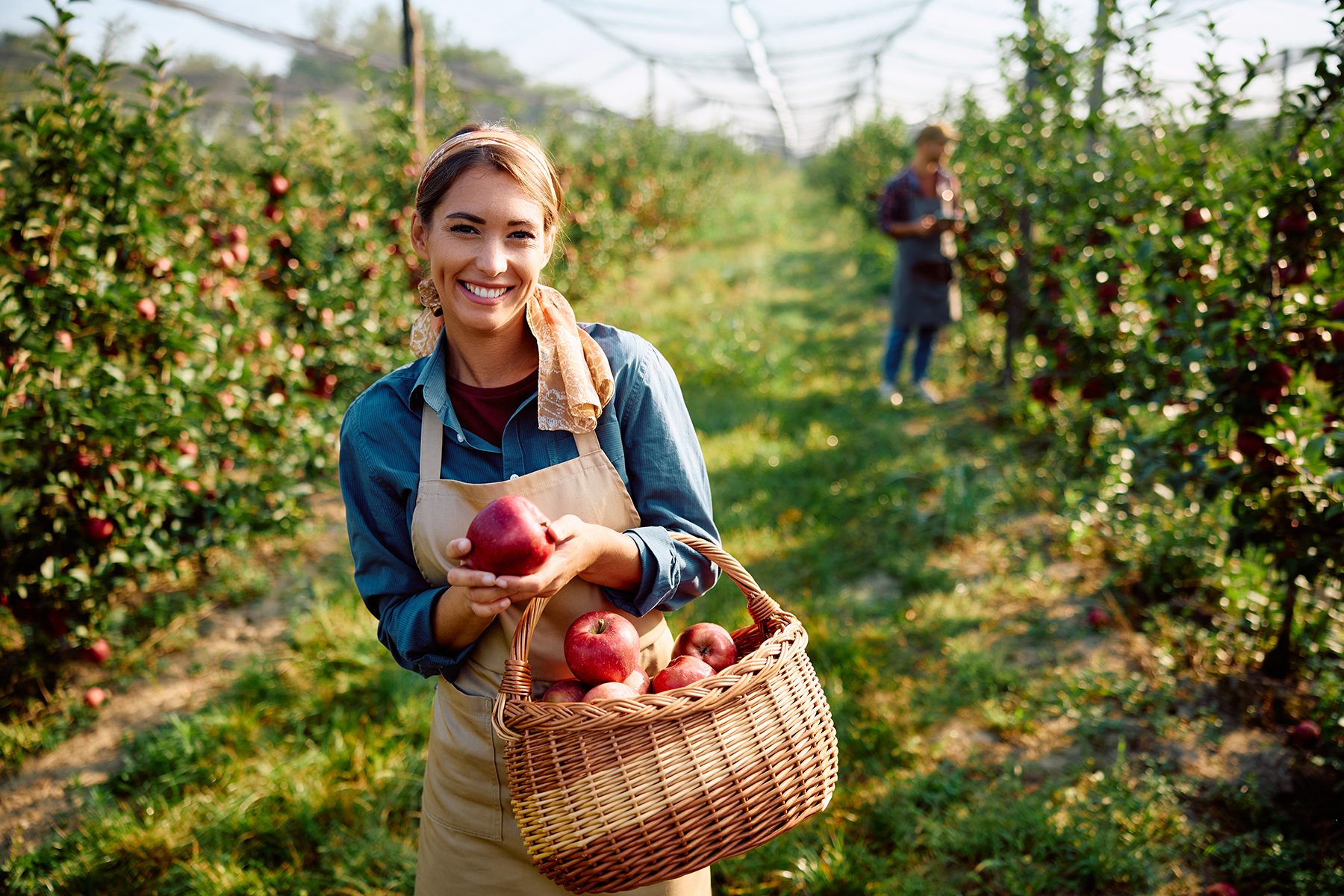
Phloretin is a dietary flavone (a type of antioxidant) found in apples. In vitro research found that it safely reduced lung cell inflammation and inhibited the growth of several TB strains.
You can find this antioxidant in many fruits and vegetables, including berries, tea, capers, grapes, pomegranates, and apples.
In vitro studies found that quercetin inhibited various TB strains, and studies in mice found that it dramatically reduced the number of lesions in TB-infected tissues.
These are a subgroup of antioxidants that are polyphenols. You can get them by eating many different kinds of plants, including apricots, pomegranates, cherries, and chickpeas.
In vitro research found that the extract of a plant high in tannins, Globularia alypum L., exhibited anti-TB activity, though the researchers noted that other compounds in the extract may have contributed.
In vitro studies have found that resveratrol extracts from rhubarb roots had a powerful effect against the bacteria that cause TB and may also enhance the immune response.
These types of tea come from the plant Camellia sinensis, and are rich in antioxidants.
An observational study followed 63,257 older Chinese people for an average of 16.8 years and found that drinking more green or black tea was linked with a lower risk of getting TB. The more tea people drank, the lower their risk was, on average.
This substance produced by honeybees is used in natural medicine and known to contain antioxidants.
One in vitro study found that propolis extracts enhanced the activity of antibiotics against 12 of 17 bacterial strains, including several TB strains.
Studies in mice have shown garlic extract helps kill TB bacteria and boost the immune response to help it fight the infection. The results are promising, but much more research in humans is needed.
Research in mice and in vitro has shown that probiotics residing in and on a healthy human can help fight TB bacteria and boost the immune system.
One study in 47 patients with TB showed that taking the probiotic Lactobacillus casei at a high dose of 2 × 1,010 colony-forming units per day led to significant decreases in inflammatory compounds.
TB can be life-altering. Getting around can be hard, and even small tasks, like tying your shoes, may leave you feeling out of breath. Here are a few things you can do to promote your overall quality of life.
Breathing exercises can help with rehabilitation in people with TB in their lungs. These can include pursed-lip breathing, diaphragmatic breathing, and coughing techniques.
One small study of 26 people with TB found that breathing exercises performed 3 times a week for 4 weeks reduced fatigue.
Aerobic exercise and strength training for the upper and lower extremities may also help people with TB or those recovering from a prior infection, but training should be tailored to the individual person’s needs.
Getting treatment for mental health issues can also help support your well-being with TB.
People with the condition are at greater risk of mental health issues than people without the disease, according to the WHO. Nearly one out of every 2 people with TB gets depression, for example. People with TB are also more likely to experience anxiety.
The disease affects mental health and vice versa — it’s a two-way relationship. Mental health can also decline with other conditions that are often co-occurring with TB, like alcohol use, HIV-TB co-infection, and diabetes mellitus.
Proven interventions that help improve mental health in people with TB include:
Before you try any natural treatments alongside standard TB medications, make sure to speak with your doctor. ”Alternative” treatments can sometimes interfere with TB medications, making them less effective or increasing the risk of drug-resistant TB.
Avoid drinking alcohol. Drinking it while you’re taking drugs for TB can damage your liver.
Always take medications as prescribed, and speak with your doctor before starting any new supplements, natural remedies, or over-the-counter medications.
There are many potential drug interactions that can happen with standard TB drugs. For example, the common TB antibiotic rifampin interacts with at least 89 other drugs, including common corticosteroids like prednisone, contraceptives, cancer therapies, anticoagulants, and more.
Call your doctor right away if you experience any of these more serious symptoms or medication side effects:
If you have TB, your doctor should be monitoring your condition and treatment with regular visits.
If you’re interested in trying natural remedies alongside your drug treatment, here are some questions to consider asking at your next appointment:
When you’re asking your doctor about natural treatments for TB, always make sure to show them a list of all the medications you’re taking. This should include over-the-counter medications, birth control, vitamins, and supplements, as well as any prescription medications.
DISCLAIMER: MedShadow provides information and resources related to medications, their effects, and potential side effects. However, it is important to note that we are not a substitute for professional medical advice, diagnosis, or treatment. The content on our site is intended for educational and informational purposes only. Individuals dealing with medical conditions or symptoms should seek guidance from a licensed healthcare professional, such as a physician or pharmacist, who can provide personalized medical advice tailored to their specific circumstances.
While we strive to ensure the accuracy and reliability of the information presented on MedShadow, we cannot guarantee its completeness or suitability for any particular individual’s medical needs. Therefore, we strongly encourage users to consult with qualified healthcare professionals regarding any health-related concerns or decisions. By accessing and using MedShadow, you acknowledge and agree that the information provided on the site is not a substitute for professional medical advice and that you should always consult with a qualified healthcare provider for any medical concerns.
Help fund our fight for improved medication safety and transparency by supporting our independent journalism.
Give NowWe seek to create a world where there are safer medications for all and where all people are fully informed about their medication benefits and side effects, using our explanatory and investigative journalism to both inform and stimulate public discussion to drive toward solutions.
MedShadow.org is dedicated to empowering people with our evidence-based journalism about the safest ways to take over-the-counter (OTC) and prescription (Rx) medications.
We also seek to stimulate public discussion about potential improvements to drug research, manufacturing and distribution processes. and also to encourage the improvement of processes to ensure that we are all better protected.
As a result, we encourage other nonprofit newsrooms, mission-aligned outlets, and advocacy organizations to republish our original content under the following conditions:
1. We Are Credited Fully and Clearly
You must include the byline and credit MedShadow.org as the original publisher. Please include a link to the original article at the top or bottom of the piece. Use the following attribution:
This article was originally published by MedShadow, a nonprofit foundation that focuses on the safest ways to take over-the-counter and prescription medications.
2. Our Content Isn’t Edited Without Permission
You may make small changes for clarity, such as adjusting headlines, subheadings, or transitions, but you may not change the core meaning, tone, or intent of the article. For substantive edits, email us at republish@medshadow.org for review and approval.
3. You Do Not Sell Or Use Our Content Commercially
Our work is free to share, but it may not be sold, monetized, or repurposed for commercial gain. You may not republish our articles behind a paywall or in publications whose primary purpose is advertising or product promotion. You may not place drug or supplement advertising adjacent to our story.
4. Photos, Graphics, and Multimedia Are Not Used Without Permission
Only the text of the article is available for republication. Images, graphics, and videos may not be reused without explicit written permission, unless they are clearly marked as Creative Commons licensed. Contact us if you’d like to request reuse of a visual asset.
If you’re unsure whether your intended use falls within these guidelines, or would like to discuss a formal syndication or licensing arrangement, please email: republish@medshadow.org
We want our journalism to reach as many people as possible, especially those making critical decisions about medications and health.
For website editors
Copy the article body, including its formatting and links, then paste it into your publishing system. Add the byline and required credit described in these guidelines.
<!-- wp:paragraph -->
<p>If you have tuberculosis (TB), you may be wondering what treatments exist beyond what doctors have already told you.</p>
<!-- /wp:paragraph -->
<!-- wp:paragraph -->
<p>For now, completing a full course of standard antibiotic treatment remains the only way to cure tuberculosis (TB). Standard drug regimens <a href="https://www.ncbi.nlm.nih.gov/books/NBK441916/">can cure more than 95%</a> of drug-susceptible TB cases, as long as individuals complete the entire course of treatment.</p>
<!-- /wp:paragraph -->
<!-- wp:paragraph -->
<p>That said, increasing evidence is showing that natural remedies— including certain foods, herbs, plant extracts, and lifestyle-based treatments— may provide support alongside antibiotics. </p>
<!-- /wp:paragraph -->
<!-- wp:paragraph -->
<p>Many of these remedies have shown promise in helping support the immune response and kill TB bacteria, but most of the research behind them is still in early stages, and more testing in humans is needed. Most importantly, none can replace your antibiotics.</p>
<!-- /wp:paragraph -->
<!-- wp:paragraph -->
<p>Here’s what to know about natural treatments for TB, plus what to ask your doctor about them.</p>
<!-- /wp:paragraph -->
<!-- wp:heading -->
<h2 class="wp-block-heading">What Is TB?</h2>
<!-- /wp:heading -->
<!-- wp:paragraph -->
<p>Tuberculosis (TB) is a serious infection <a href="https://www.niaid.nih.gov/diseases-conditions/tuberculosis">caused</a> primarily by the bacterium <em>Mycobacterium tuberculosis</em> (Mtb). It’s contagious and passed through the air from an infected person to others. It’s no longer a major public health issue in the U.S., but still one of the world’s leading causes of death from a single infectious agent..</p>
<!-- /wp:paragraph -->
<!-- wp:paragraph -->
<p>People usually get TB in their lungs, but it <a href="https://www.niaid.nih.gov/diseases-conditions/tuberculosis">can also spread</a> to other places in the body, like the spine, brain, or kidneys. It’s especially dangerous for people with weaker immune systems, like those with an HIV infection, and it can be fatal if it progresses without treatment.</p>
<!-- /wp:paragraph -->
<!-- wp:paragraph -->
<p>In fact, people with HIV are approximately <a href="https://www.ncbi.nlm.nih.gov/books/NBK441916/">19 times more likely</a> to get TB than those without HIV, and TB is the top cause of death among people with HIV around the world.</p>
<!-- /wp:paragraph -->
<!-- wp:paragraph -->
<p>Other factors <a href="https://www.ncbi.nlm.nih.gov/books/NBK441916/">can also increase</a> your risk of getting TB. You may <a href="https://www.cdc.gov/tb/risk-factors/index.html">be more likely to get it</a> if you:</p>
<!-- /wp:paragraph -->
<!-- wp:list -->
<ul class="wp-block-list"><!-- wp:list-item -->
<li>Use alcohol, tobacco, or other recreational drugs</li>
<!-- /wp:list-item -->
<!-- wp:list-item -->
<li>Have diabetes, malnutrition, or severe kidney disease</li>
<!-- /wp:list-item -->
<!-- wp:list-item -->
<li>Have had an organ transplant</li>
<!-- /wp:list-item -->
<!-- wp:list-item -->
<li>Spend time or used to spend time in places where TB is more common, like hospitals, nursing homes, homeless shelters, prisons, or countries where it’s more common</li>
<!-- /wp:list-item -->
<!-- wp:list-item -->
<li>Live or lived with someone who has TB</li>
<!-- /wp:list-item --></ul>
<!-- /wp:list -->
<!-- wp:heading {"level":3} -->
<h3 class="wp-block-heading">Symptoms of TB</h3>
<!-- /wp:heading -->
<!-- wp:paragraph -->
<p>The symptoms you might get with TB depend on what part of your body is infected. General symptoms <a href="https://www.cdc.gov/tb/signs-symptoms/index.html">include</a>:<br></p>
<!-- /wp:paragraph -->
<!-- wp:list -->
<ul class="wp-block-list"><!-- wp:list-item -->
<li>Fever</li>
<!-- /wp:list-item -->
<!-- wp:list-item -->
<li>Night sweats</li>
<!-- /wp:list-item -->
<!-- wp:list-item -->
<li>Chills</li>
<!-- /wp:list-item -->
<!-- wp:list-item -->
<li>Weight loss</li>
<!-- /wp:list-item -->
<!-- wp:list-item -->
<li>Fatigue</li>
<!-- /wp:list-item -->
<!-- wp:list-item -->
<li>Loss of appetite</li>
<!-- /wp:list-item --></ul>
<!-- /wp:list -->
<!-- wp:paragraph -->
<p>If you have TB in your lungs or airway, you <a href="https://www.cdc.gov/tb/signs-symptoms/index.html">might experience</a>:<br></p>
<!-- /wp:paragraph -->
<!-- wp:list -->
<ul class="wp-block-list"><!-- wp:list-item -->
<li>A cough lasting more than 3 weeks and feels “deep” in your lungs</li>
<!-- /wp:list-item -->
<!-- wp:list-item -->
<li>Coughing up blood or phlegm</li>
<!-- /wp:list-item -->
<!-- wp:list-item -->
<li>Pain in your chest</li>
<!-- /wp:list-item -->
<!-- wp:list-item -->
<li>Hoarseness</li>
<!-- /wp:list-item --></ul>
<!-- /wp:list -->
<!-- wp:paragraph -->
<p>If you have TB in other parts of your body, you might have one or more of <a href="https://www.cdc.gov/tb/signs-symptoms/index.html">these symptoms</a>, depending on the location:<br></p>
<!-- /wp:paragraph -->
<!-- wp:list -->
<ul class="wp-block-list"><!-- wp:list-item -->
<li><strong>Kidney:</strong> Blood in your urine</li>
<!-- /wp:list-item -->
<!-- wp:list-item -->
<li><strong>Lymph nodes:</strong> Dark red or purple swelling under the skin</li>
<!-- /wp:list-item -->
<!-- wp:list-item -->
<li><strong>Brain:</strong> Headache, confusion</li>
<!-- /wp:list-item -->
<!-- wp:list-item -->
<li><strong>Spine:</strong> Back pain</li>
<!-- /wp:list-item --></ul>
<!-- /wp:list -->
<!-- wp:heading {"level":3} -->
<h3 class="wp-block-heading">Types of TB</h3>
<!-- /wp:heading -->
<!-- wp:paragraph -->
<p>Active and latent TB are the primary states associated with TB. People with active TB <a href="https://www.niaid.nih.gov/diseases-conditions/tuberculosis">are sick</a> and can spread the disease, though they don’t always present symptoms during the primary stage of infection.</p>
<!-- /wp:paragraph -->
<!-- wp:paragraph -->
<p>Latent TB is when you’re carrying the bacteria in your body, but you don’t have symptoms and you’re not contagious. The <em>Mtb</em> bacteria <a href="https://www.ncbi.nlm.nih.gov/books/NBK441916/">can stay dormant</a> for years. People with latent TB <a href="https://www.cdc.gov/tb/signs-symptoms/index.html">can develop</a> active TB if they don’t get treatment.</p>
<!-- /wp:paragraph -->
<!-- wp:heading -->
<h2 class="wp-block-heading">First-Line Treatments</h2>
<!-- /wp:heading -->
<!-- wp:paragraph -->
<p>The treatment and management of TB <a href="https://www.ncbi.nlm.nih.gov/books/NBK441916/">are complicated</a> and depend on the person, the type of TB they have, and where in the body the TB infection occurs. One person might need treatment for longer than 6 months, while for another that would be overkill.</p>
<!-- /wp:paragraph -->
<!-- wp:paragraph -->
<p>In 2025, four major health organizations including the CDC and the Infectious Diseases Society of America <a href="https://pmc.ncbi.nlm.nih.gov/articles/PMC11755361/#tbl1">published updated recommendations</a> for treating TB.</p>
<!-- /wp:paragraph -->
<!-- wp:paragraph -->
<p>Now, the current recommended treatment for active TB is delivered in two phases:</p>
<!-- /wp:paragraph -->
<!-- wp:list {"ordered":true} -->
<ol class="wp-block-list"><!-- wp:list-item -->
<li><strong>Initial intensive phase (8 weeks):</strong> The patient takes a combination of 4 antibiotic drugs — isoniazid, rifapentine, pyrazinamide, and moxifloxacin — every day to kill rapidly replicating bacteria. </li>
<!-- /wp:list-item -->
<!-- wp:list-item -->
<li><strong>Continuation phase (9 weeks):</strong> The patient takes 3 antibiotic drugs — isoniazid, rifapentine, and moxifloxacin — every day to kill slowly replicating and dormant bacteria. </li>
<!-- /wp:list-item --></ol>
<!-- /wp:list -->
<!-- wp:paragraph -->
<p>Sticking to your TB treatment is <a href="https://www.ncbi.nlm.nih.gov/books/NBK441916/">essential to curing</a> the disease. When people stop treatment early or don’t stick to the treatment schedule, they risk the infection coming back and potentially developing drug-resistant TB. </p>
<!-- /wp:paragraph -->
<!-- wp:heading {"level":3} -->
<h3 class="wp-block-heading">Drug-Resistant TB</h3>
<!-- /wp:heading -->
<!-- wp:paragraph -->
<p>When TB is drug resistant, that means <a href="https://www.cdc.gov/tb/about/drug-resistant.html">at least one</a> of the most effective TB treatments can’t kill it. This happens when a TB infection that has been treated with drugs survives and mutates, becoming resistant to those drugs.</p>
<!-- /wp:paragraph -->
<!-- wp:paragraph -->
<p>This can happen when doctors prescribe a TB drug at the wrong dose or for the wrong length of time, or when patients don’t complete their full treatment as prescribed. If you have TB, not taking antibiotics or stopping them too early can lead to infecting other people around you, <a href="https://www.cdc.gov/tb/treatment/index.html">even if you feel better</a> before your treatment is finished.</p>
<!-- /wp:paragraph -->
<!-- wp:paragraph -->
<p>People can also get drug-resistant TB from <a href="https://www.cdc.gov/tb/about/drug-resistant.html">being in contact</a> with other people who have it.</p>
<!-- /wp:paragraph -->
<!-- wp:paragraph -->
<p>A person with drug-resistant TB <a href="https://www.ncbi.nlm.nih.gov/books/NBK441916/">often needs to take</a> alternative therapies for longer, often 18–21 months, and has a greater risk of treatment failure.</p>
<!-- /wp:paragraph -->
<!-- wp:heading -->
<h2 class="wp-block-heading">Evidence-based supportive therapies</h2>
<!-- /wp:heading -->
<!-- wp:paragraph -->
<p>Here’s what to know about evidence-based supportive therapies for TB.</p>
<!-- /wp:paragraph -->
<!-- wp:heading {"level":3} -->
<h3 class="wp-block-heading">What doctors use now</h3>
<!-- /wp:heading -->
<!-- wp:paragraph -->
<p>Doctors sometimes use other therapies to support the standard TB drug treatment, such as:</p>
<!-- /wp:paragraph -->
<!-- wp:list -->
<ul class="wp-block-list"><!-- wp:list-item -->
<li><strong>Corticosteroids:</strong> <a href="https://www.mdpi.com/2075-1729/10/11/262">Research has shown</a> they reduce inflammatory markers IL-6 and TNF-α in some types of TB with greater inflammation.</li>
<!-- /wp:list-item -->
<!-- wp:list-item -->
<li><strong>Nutritional support:</strong> Standard drug therapy for TB <a href="https://www.mdpi.com/2072-6643/17/11/1878">can negatively affect</a> a person’s ability to fight the infection. Different drugs can lead to different nutrient deficiencies. For example, rifampin can increase the risk of vitamin D deficiency and, in rare cases, vitamin K deficiency.</li>
<!-- /wp:list-item -->
<!-- wp:list-item -->
<li><strong>Surgery:</strong> Doctors occasionally use surgery to remove infected tissue in complicated cases of TB, such as in the <a href="https://www.mdpi.com/2414-6366/8/8/393">chest</a>, <a href="https://www.mdpi.com/2077-0383/13/16/4894">abdomen</a>, or <a href="https://link.springer.com/article/10.1007/s43390-023-00785-9">spine</a>.</li>
<!-- /wp:list-item -->
<!-- wp:list-item -->
<li><strong>Managing other health conditions:</strong> Diabetes, malnutrition, substance use disorder, tobacco use, HIV, and chronic lung disease <a href="https://www.who.int/activities/addressing-tb-comorbidities-and-health-related-risk-factors">can all make TB outcomes worse</a>. Reciprocally, having TB can aggravate these conditions. Managing these conditions is an important part of TB treatment.</li>
<!-- /wp:list-item --></ul>
<!-- /wp:list -->
<!-- wp:heading {"level":3} -->
<h3 class="wp-block-heading">Emerging supportive therapies</h3>
<!-- /wp:heading -->
<!-- wp:paragraph -->
<p><a href="https://www.mdpi.com/2036-7449/13/3/74">Emerging evidence shows</a> other therapies have potential for helping with TB, though these may need more research and aren’t part of mainstream medical treatment for TB:</p>
<!-- /wp:paragraph -->
<!-- wp:list -->
<ul class="wp-block-list"><!-- wp:list-item -->
<li><strong>Aspirin:</strong> Some research has shown that when people with TB took aspirin alongside antibiotic therapy, they had better disease outcomes than when they took the antibiotics alone.</li>
<!-- /wp:list-item -->
<!-- wp:list-item -->
<li><strong>Statins:</strong> Doctors commonly prescribe these drugs to help lower cholesterol, but findings suggest they may also enhance the effectiveness of antibiotic therapy. <strong>Metformin:</strong> People with type 2 diabetes often take this drug to manage their blood sugar levels. Strong evidence in humans also suggests it may boost the effects of antibiotics used to treat TB and improve disease outcomes.</li>
<!-- /wp:list-item -->
<!-- wp:list-item -->
<li><strong>Everolimus:</strong> This immunosuppressant drug is thought to boost autophagy, the immune system’s natural process for removing dead cells and debris, and eliminating TB bacteria in the process. However, it has mixed results and can make TB worse in some cases.</li>
<!-- /wp:list-item --></ul>
<!-- /wp:list -->
<!-- wp:heading -->
<h2 class="wp-block-heading">Can home remedies or “natural” therapies help? </h2>
<!-- /wp:heading -->
<!-- wp:paragraph -->
<p>Natural treatments can’t replace standard antibiotic treatment for TB.</p>
<!-- /wp:paragraph -->
<!-- wp:paragraph -->
<p>However, <a href="https://www.mdpi.com/1420-3049/25/13/3011">researchers are identifying many promising natural compounds</a> that may be used alongside antibiotics to help people recover from TB.</p>
<!-- /wp:paragraph -->
<!-- wp:paragraph -->
<p>It’s important to note that taking these or other natural treatments may interact with standard antibiotics, and even if natural treatments work for some people, they won’t necessarily work for you.</p>
<!-- /wp:paragraph -->
<!-- wp:paragraph -->
<p>If you have TB and you want to try natural treatments, make sure to ask your doctor and follow their recommendations.</p>
<!-- /wp:paragraph -->
<!-- wp:heading -->
<h2 class="wp-block-heading">Micronutrients</h2>
<!-- /wp:heading -->
<!-- wp:paragraph -->
<p>Having a TB infection <a href="https://www.mdpi.com/2072-6643/17/11/1878#Nutritional_Management_of_Tuberculosis_Patients">can lead</a> to malnutrition, as can taking certain TB drugs. In turn, malnutrition can weaken your immune system, making it harder to get better. </p>
<!-- /wp:paragraph -->
<!-- wp:paragraph -->
<p>Eating plenty of whole foods from different food groups is the healthiest, <a href="https://tbksp.who.int/en/node/3179">safest way</a> to get the nutrients you need. Your doctor may recommend you take a certain vitamin or mineral supplement if you have a deficiency.</p>
<!-- /wp:paragraph -->
<!-- wp:paragraph -->
<p>There’s <a href="https://pmc.ncbi.nlm.nih.gov/articles/PMC4981643/">no evidence</a> that taking more than the recommended daily intake of micronutrients can help treat TB. In fact, taking more than the recommended amount of certain micronutrients can cause health problems, and the <a href="https://tbksp.who.int/en/node/3179">World Health Organization</a> (WHO) only recommends supplementing with a micronutrient to treat TB if there is evidence of a deficiency, or “clear evidence to show a positive impact on a given condition compared with any undesirable effects.” </p>
<!-- /wp:paragraph -->
<!-- wp:paragraph -->
<p>Previously, the evidence supporting the positive impact of certain micronutrients proved inconclusive, but more substantial studies have been published in recent years. </p>
<!-- /wp:paragraph -->
<!-- wp:paragraph -->
<p>For example, <a href="https://www.sciencedirect.com/science/article/abs/pii/S0965229919312555">one meta-analysis</a> of 16 randomized-controlled trials and a total of 4,398 people with active pulmonary TB found that taking zinc orally for at least 4 weeks increased muscle mass, and taking zinc in combination with vitamin A improved functional health.</p>
<!-- /wp:paragraph -->
<!-- wp:paragraph -->
<p>In the same meta-analysis, <a href="https://www.sciencedirect.com/science/article/abs/pii/S0965229919312555">those who took vitamin D</a> had no TB bacteria in their sputum (the mucus you cough up) sooner after starting treatment than those who didn’t.</p>
<!-- /wp:paragraph -->
<!-- wp:paragraph -->
<p>If you have TB, ask your doctor to help you get assessed for micronutrient deficiencies to see where you might need support.</p>
<!-- /wp:paragraph -->
<!-- wp:heading {"level":3} -->
<h3 class="wp-block-heading">Antioxidants</h3>
<!-- /wp:heading -->
<!-- wp:paragraph -->
<p>Antioxidants are compounds that plants and animals produce naturally. They come from <a href="https://www.sciencedirect.com/science/article/pii/S0753332223018851">diverse sources including</a> chrysanthemum, licorice, carrot, black pepper, a type of marine fungus, and many more.</p>
<!-- /wp:paragraph -->
<!-- wp:paragraph -->
<p>Certain antioxidants show promise for improving outcomes in people with TB. Early studies show they may act as natural immune boosters that <a href="https://www.sciencedirect.com/science/article/pii/S0753332223018851">could improve</a> TB patients’ ability to fight the infection. Some may even kill TB bacteria directly. However, more research is needed before we know whether it’s safe or effective for people to take them. So far, most antioxidants have been tested in the lab, not in people. </p>
<!-- /wp:paragraph -->
<!-- wp:paragraph -->
<p>A few antioxidants are <a href="https://www.sciencedirect.com/science/article/pii/S0753332223018851">extracted from medicinal plants</a> that people have used for centuries in traditional Chinese medicine. These include the compounds berberine and andrographolide. However, these also need further research to assess whether they’re safe and effective in people with TB.</p>
<!-- /wp:paragraph -->
<!-- wp:paragraph -->
<p>N-Acetyl Cysteine (NAC) is one potential antioxidant for TB that’s already widely available as a supplement.</p>
<!-- /wp:paragraph -->
<!-- wp:paragraph -->
<p><a href="https://www.mdpi.com/2076-3921/11/11/2298">One systematic review</a> of many different clinical trials and studies on NAC found that taking it shortened treatment time in people with TB. Taking NAC raised people’s levels of the compound glutathione, a compound that neutralizes free radicals, which cause inflammation.</p>
<!-- /wp:paragraph -->
<!-- wp:paragraph -->
<p>If you’re curious about using antioxidants to help boost your immune system, speak with your doctor. And remember that supplements should only be used as an adjunct therapy alongside your drug treatment for TB. </p>
<!-- /wp:paragraph -->
<!-- wp:paragraph -->
<p>Of course, you can also get antioxidants in your diet naturally by eating lots of fruits, vegetables, and other foods that are rich in them.</p>
<!-- /wp:paragraph -->
<!-- wp:heading -->
<h2 class="wp-block-heading">Foods & herbs</h2>
<!-- /wp:heading -->
<!-- wp:paragraph -->
<p>Meeting your basic nutrition needs every day is fundamental for treating TB. Undernutrition, which includes being underweight and nutrient deficient, can have serious impacts on your health, <a href="https://www.ncbi.nlm.nih.gov/books/NBK189860/">including weakened immunity</a>, which can make TB worse.</p>
<!-- /wp:paragraph -->
<!-- wp:paragraph -->
<p>The good news is that many everyday whole foods are rich in antioxidants and other nutrients that support your immune system and overall health, and can help you fight TB.</p>
<!-- /wp:paragraph -->
<!-- wp:paragraph -->
<p>You can meet your daily recommended dose of most nutrients just by consuming whole foods and including a variety of plants in your diet.</p>
<!-- /wp:paragraph -->
<!-- wp:paragraph -->
<p>Certain nutrients from foods have been studied specifically for support in the treatment of TB. If you want to take any of these compounds, like curcumin, in supplement form, speak with your doctor first.</p>
<!-- /wp:paragraph -->
<!-- wp:heading {"level":3} -->
<h3 class="wp-block-heading">Curcumin in turmeric</h3>
<!-- /wp:heading -->
<!-- wp:paragraph -->
<p>Curcumin is an active compound found naturally in the yellow spice turmeric. People have used turmeric to treat maladies for centuries. Not much research supports the effectiveness of curcumin specifically in TB, but <a href="https://www.mdpi.com/1420-3049/25/13/3011">studies in mice and in vitro have</a> shown that it inhibits the growth of TB bacteria and reduces treatment time in mice.</p>
<!-- /wp:paragraph -->
<!-- wp:paragraph -->
<p>Turmeric is safe to take at recommended doses, but at high doses or when it’s modified to make curcumin more bioavailable, it <a href="https://www.nccih.nih.gov/health/turmeric">can harm the liver</a>.</p>
<!-- /wp:paragraph -->
<!-- wp:heading {"level":3} -->
<h3 class="wp-block-heading">Phloretin in apple</h3>
<!-- /wp:heading -->
<!-- wp:paragraph -->
<p>Phloretin is a dietary flavone (a type of antioxidant) found in apples. <a href="https://www.mdpi.com/1420-3049/25/13/3011">In vitro research found</a> that it safely reduced lung cell inflammation and inhibited the growth of several TB strains.</p>
<!-- /wp:paragraph -->
<!-- wp:heading {"level":3} -->
<h3 class="wp-block-heading">Quercetin in berries, tea, capers, & more</h3>
<!-- /wp:heading -->
<!-- wp:paragraph -->
<p>You can find this antioxidant in many fruits and vegetables, including berries, tea, capers, grapes, pomegranates, and apples.</p>
<!-- /wp:paragraph -->
<!-- wp:paragraph -->
<p><a href="https://www.mdpi.com/1420-3049/25/13/3011">In vitro studies</a> found that quercetin inhibited various TB strains, and studies in mice found that it dramatically reduced the number of lesions in TB-infected tissues.</p>
<!-- /wp:paragraph -->
<!-- wp:heading {"level":3} -->
<h3 class="wp-block-heading">Tannins in barley, strawberries, plums, & more</h3>
<!-- /wp:heading -->
<!-- wp:paragraph -->
<p>These are a subgroup of antioxidants that are polyphenols. You can get them by eating many different kinds of plants, including apricots, pomegranates, cherries, and chickpeas.</p>
<!-- /wp:paragraph -->
<!-- wp:paragraph -->
<p><a href="https://www.mdpi.com/1420-3049/25/13/3011">In vitro research</a> found that the extract of a plant high in tannins, <em>Globularia alypum L</em>., exhibited anti-TB activity, though the researchers noted that other compounds in the extract may have contributed.</p>
<!-- /wp:paragraph -->
<!-- wp:heading {"level":3} -->
<h3 class="wp-block-heading">Resveratrol in peanuts, cranberries, & wine</h3>
<!-- /wp:heading -->
<!-- wp:paragraph -->
<p><a href="https://www.mdpi.com/1420-3049/25/13/3011">In vitro studies</a> have found that resveratrol extracts from rhubarb roots had a powerful effect against the bacteria that cause TB and may also enhance the immune response.</p>
<!-- /wp:paragraph -->
<!-- wp:heading {"level":3} -->
<h3 class="wp-block-heading">Black & green tea</h3>
<!-- /wp:heading -->
<!-- wp:paragraph -->
<p>These types of tea come from the plant <em>Camellia sinensis</em>, and are rich in antioxidants.</p>
<!-- /wp:paragraph -->
<!-- wp:paragraph -->
<p><a href="https://www.mdpi.com/2072-6643/9/6/544">An observational study</a> followed 63,257 older Chinese people for an average of 16.8 years and found that drinking more green or black tea was linked with a lower risk of getting TB. The more tea people drank, the lower their risk was, on average.</p>
<!-- /wp:paragraph -->
<!-- wp:heading {"level":3} -->
<h3 class="wp-block-heading">Bee Propolis</h3>
<!-- /wp:heading -->
<!-- wp:paragraph -->
<p>This substance produced by honeybees is used in natural medicine and known to contain antioxidants.</p>
<!-- /wp:paragraph -->
<!-- wp:paragraph -->
<p><a href="https://www.mdpi.com/1420-3049/25/13/3011">One in vitro study</a> found that propolis extracts enhanced the activity of antibiotics against 12 of 17 bacterial strains, including several TB strains.</p>
<!-- /wp:paragraph -->
<!-- wp:heading {"level":3} -->
<h3 class="wp-block-heading">Garlic</h3>
<!-- /wp:heading -->
<!-- wp:paragraph -->
<p><a href="https://www.sciencedirect.com/science/article/abs/pii/S037887411831763X">Studies in mice</a> have shown garlic extract helps kill TB bacteria and boost the immune response to help it fight the infection. The results are promising, but much more research in humans is needed.</p>
<!-- /wp:paragraph -->
<!-- wp:heading {"level":3} -->
<h3 class="wp-block-heading">Probiotics</h3>
<!-- /wp:heading -->
<!-- wp:paragraph -->
<p><a href="https://www.mdpi.com/2079-6382/11/10/1431">Research in mice and in vitro</a> has shown that probiotics residing in and on a healthy human can help fight TB bacteria and boost the immune system.</p>
<!-- /wp:paragraph -->
<!-- wp:paragraph -->
<p><a href="https://search.informit.org/doi/abs/10.3316/informit.407460147910635">One study in 47 patients with TB</a> showed that taking the probiotic <em>Lactobacillus casei</em> at a high dose of 2 × 1,010 colony-forming units per day led to significant decreases in inflammatory compounds.</p>
<!-- /wp:paragraph -->
<!-- wp:heading -->
<h2 class="wp-block-heading">Lifestyle Measures</h2>
<!-- /wp:heading -->
<!-- wp:paragraph -->
<p>TB can be life-altering. Getting around can be hard, and even small tasks, like tying your shoes, may leave you feeling out of breath. Here are a few things you can do to promote your overall quality of life.</p>
<!-- /wp:paragraph -->
<!-- wp:heading {"level":3} -->
<h3 class="wp-block-heading">Breathing Exercises</h3>
<!-- /wp:heading -->
<!-- wp:paragraph -->
<p>Breathing exercises can help with rehabilitation in people with TB in their lungs. These <a href="https://pmc.ncbi.nlm.nih.gov/articles/PMC11639563/">can include</a> pursed-lip breathing, diaphragmatic breathing, and coughing techniques.</p>
<!-- /wp:paragraph -->
<!-- wp:paragraph -->
<p><a href="https://pmc.ncbi.nlm.nih.gov/articles/PMC11639563/">One small study</a> of 26 people with TB found that breathing exercises performed 3 times a week for 4 weeks reduced fatigue.</p>
<!-- /wp:paragraph -->
<!-- wp:heading {"level":3} -->
<h3 class="wp-block-heading">Exercise</h3>
<!-- /wp:heading -->
<!-- wp:paragraph -->
<p>Aerobic exercise and strength training for the upper and lower extremities may also help people with TB or those recovering from a prior infection, but training <a href="https://www.mdpi.com/2392-7674/6/1/3">should be tailored</a> to the individual person’s needs.</p>
<!-- /wp:paragraph -->
<!-- wp:heading -->
<h2 class="wp-block-heading">Mental Health & Stress Management</h2>
<!-- /wp:heading -->
<!-- wp:paragraph -->
<p>Getting treatment for mental health issues can also help support your well-being with TB.</p>
<!-- /wp:paragraph -->
<!-- wp:paragraph -->
<p>People with the condition are at greater risk of mental health issues than people without the disease, according to the <a href="https://www.who.int/activities/addressing-tb-comorbidities-and-health-related-risk-factors">WHO</a>. Nearly <a href="https://www.sciencedirect.com/science/article/abs/pii/S0019570724001641">one out of every 2 people</a> with TB gets depression, for example. People with TB <a href="https://www.frontiersin.org/journals/public-health/articles/10.3389/fpubh.2022.855515/full">are also more likely</a> to experience anxiety.</p>
<!-- /wp:paragraph -->
<!-- wp:paragraph -->
<p>The disease affects mental health and vice versa — it’s a two-way relationship. Mental health <a href="https://www.sciencedirect.com/science/article/abs/pii/S037887411831763X">can also</a> decline with other conditions that are often co-occurring with TB, like alcohol use, HIV-TB co-infection, and diabetes mellitus.</p>
<!-- /wp:paragraph -->
<!-- wp:paragraph -->
<p>Proven interventions that help improve mental health in people with TB <a href="https://www.frontiersin.org/journals/public-health/articles/10.3389/fpubh.2022.855515/full">include</a>:</p>
<!-- /wp:paragraph -->
<!-- wp:list -->
<ul class="wp-block-list"><!-- wp:list-item -->
<li><strong>Sharing your diagnosis with trusted people:</strong> Many people with TB feel stigma around telling others they have the disease, but chances are sharing your diagnosis will help you feel better and closer to your loved ones. <a href="https://www.frontiersin.org/journals/public-health/articles/10.3389/fpubh.2022.855515/full">One study</a> in Peru showed that people who disclosed their TB diagnosis to their families were welcomed and cared for.</li>
<!-- /wp:list-item -->
<!-- wp:list-item -->
<li><strong>Seeking social support:</strong> Surrounding yourself with family and loved ones can help you cope practically and emotionally with the condition.</li>
<!-- /wp:list-item -->
<!-- wp:list-item -->
<li><strong>Getting therapy:</strong> Studies have shown better health outcomes in people with TB who received counseling, therapy, or who worked with a psychologist.</li>
<!-- /wp:list-item -->
<!-- wp:list-item -->
<li><strong>Taking medication for mental health:</strong> This may be the right choice in some people with TB. Speak with your doctor if you’d like to find out whether it might be for you. It’s very important to get their go-ahead to make sure there aren’t any drug interactions or other safety concerns.</li>
<!-- /wp:list-item --></ul>
<!-- /wp:list -->
<!-- wp:heading -->
<h2 class="wp-block-heading">What can interact with TB meds? </h2>
<!-- /wp:heading -->
<!-- wp:paragraph -->
<p>Before you try any natural treatments alongside standard TB medications, make sure to speak with your doctor. "Alternative" treatments can sometimes interfere with TB medications, making them less effective or increasing the risk of drug-resistant TB.</p>
<!-- /wp:paragraph -->
<!-- wp:paragraph -->
<p>Avoid drinking alcohol. Drinking it while you’re taking drugs for TB <a href="https://www.cdc.gov/tb/treatment/index.html">can damage your liver.</a></p>
<!-- /wp:paragraph -->
<!-- wp:paragraph -->
<p>Always take medications as prescribed, and speak with your doctor before starting any new supplements, natural remedies, or over-the-counter medications.</p>
<!-- /wp:paragraph -->
<!-- wp:paragraph -->
<p>There are many potential drug interactions that can happen with standard TB drugs. For example, the common TB antibiotic <a href="https://pmc.ncbi.nlm.nih.gov/articles/PMC8663953/">rifampin interacts with at least 89</a> other drugs, including common corticosteroids like prednisone, contraceptives, cancer therapies, anticoagulants, and more.</p>
<!-- /wp:paragraph -->
<!-- wp:heading -->
<h2 class="wp-block-heading">When to Seek Immediate Care</h2>
<!-- /wp:heading -->
<!-- wp:paragraph -->
<p>Call your doctor right away <a href="https://www.cdc.gov/tb/treatment/index.html">if you experience</a> any of these more serious symptoms or medication side effects:</p>
<!-- /wp:paragraph -->
<!-- wp:list -->
<ul class="wp-block-list"><!-- wp:list-item -->
<li>Signs of liver injury, including yellow eyes or skin, pain in your abdomen, nausea and vomiting</li>
<!-- /wp:list-item -->
<!-- wp:list-item -->
<li>Flu-like symptoms</li>
<!-- /wp:list-item -->
<!-- wp:list-item -->
<li>Loss of appetite</li>
<!-- /wp:list-item -->
<!-- wp:list-item -->
<li>Dizziness and lightheadedness</li>
<!-- /wp:list-item -->
<!-- wp:list-item -->
<li>Numb or tingling hands or feet</li>
<!-- /wp:list-item --></ul>
<!-- /wp:list -->
<!-- wp:heading -->
<h2 class="wp-block-heading">How to discuss “natural” remedies with your doctor </h2>
<!-- /wp:heading -->
<!-- wp:paragraph -->
<p>If you have TB, your doctor should be <a href="https://www.cdc.gov/tb/treatment/index.html">monitoring your condition</a> and treatment with regular visits.</p>
<!-- /wp:paragraph -->
<!-- wp:paragraph -->
<p>If you’re interested in trying natural remedies alongside your drug treatment, here are some questions to consider asking at your next appointment:</p>
<!-- /wp:paragraph -->
<!-- wp:list -->
<ul class="wp-block-list"><!-- wp:list-item -->
<li>Should I take vitamins or supplements? If so, which ones?</li>
<!-- /wp:list-item -->
<!-- wp:list-item -->
<li>I’m thinking about trying [X treatment]. Is it safe for me?</li>
<!-- /wp:list-item -->
<!-- wp:list-item -->
<li>What does the research actually show about [X treatment] for TB?</li>
<!-- /wp:list-item -->
<!-- wp:list-item -->
<li>Which natural approaches actually have scientific evidence behind them?</li>
<!-- /wp:list-item -->
<!-- wp:list-item -->
<li>Are there any herbs or supplements that could interact with my TB medications?</li>
<!-- /wp:list-item --></ul>
<!-- /wp:list -->
<!-- wp:paragraph -->
<p>When you’re asking your doctor about natural treatments for TB, <a href="https://www.cdc.gov/tb/treatment/index.html">always make sure</a> to show them a list of all the medications you’re taking. This should include over-the-counter medications, birth control, vitamins, and supplements, as well as any prescription medications.</p>
<!-- /wp:paragraph -->
<!-- wp:paragraph -->
<p></p>
<!-- /wp:paragraph -->We think it’s invaluable — and hope you agree. Our work is made possible by donations from readers like you.
We think it’s invaluable — and hope you agree. Our journalism is made possible by donations from readers like you.
As a nonprofit, we don’t take a dime from pharmaceutical or supplement companies. That means we can report on the benefits, risks, and alternatives to prescription and over-the-counter drugs free from corporate pressure or influence.
We've noticed that you're interested in this topic. Would you read a dedicated newsletter about it?