

Menu
 Shedding Light on the Risks
& Benefits of Medications
Shedding Light on the Risks
& Benefits of Medications
Shedding Light on the Risks
& Benefits of Medications How Much of a Cancer Drug Is Too Much? Patients, Researchers Challenge FDA-Approved Dosages
Taylor Glascock for KFF Health News
Could some cancer patients get the same benefit from less medication? Researchers are challenging standard doses that can bring serious side effects and staggering costs.
August 27, 2026
0 Comments
republishTaylor Glascock for KFF Health News
on this page:
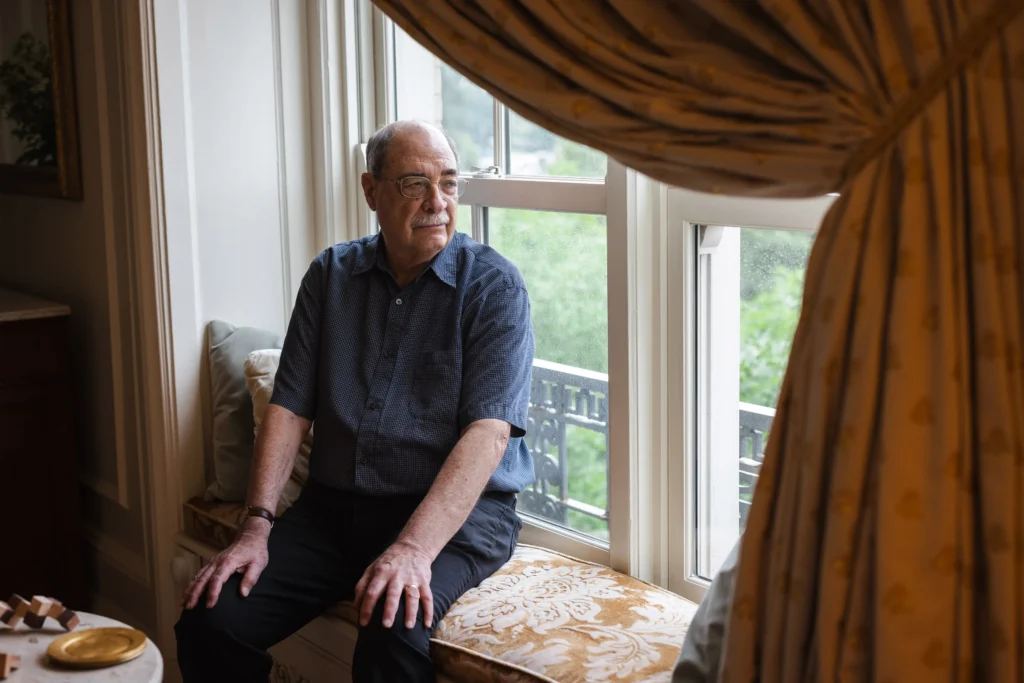
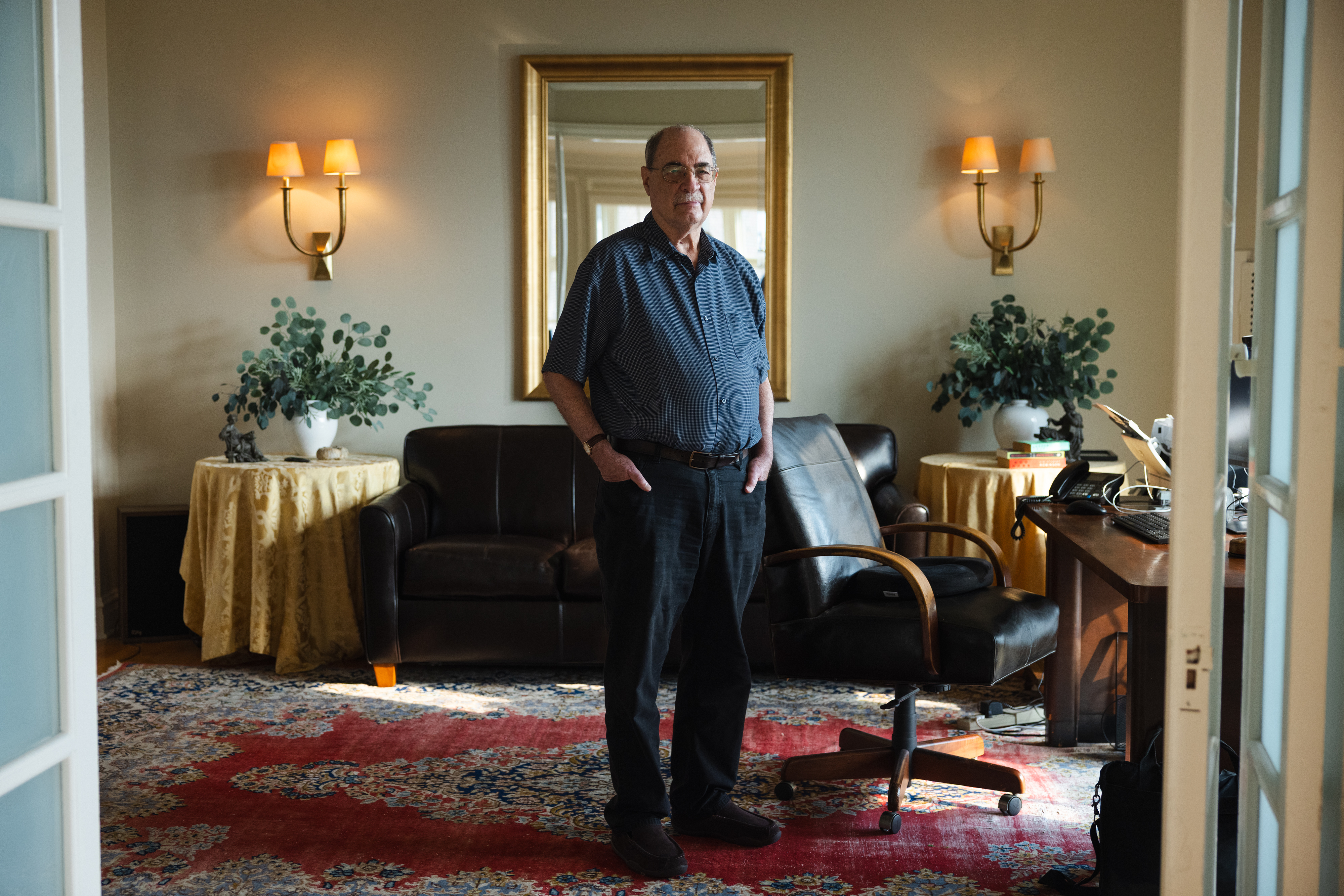
Northwestern University economist Chuck Manski studies decision-making amid uncertainty. That prepared him better than many other cancer patients to decide whether to stay on an immunotherapy treatment that was making him very ill.
For six months in 2022, Manski received monthly infusions of nivolumab to fight advanced melanoma. The drug ruined his thyroid gland, he said, requiring him to go on a special medication for the rest of his life, and caused severe dryness in his eyes, lips, and mouth. The FDA’s protocol for the drug called for an entire year of treatment, but Manski said his oncologist couldn’t explain why. It’s FDA-approved, “so that’s what we use,” she said.
By that point, Manski showed no cancer signs or symptoms, and after reading a lot of medical journal articles, he concluded that the intense side effects probably meant the treatment had done about all it could do.
“She couldn’t tell me a year was the optimal dose. Nobody could,” he said in a June interview from Spain, where he received an award for his economics work. “So I made my own diagnosis. I took myself off.”
Manski’s decision was in line with what doctors in Canada, Israel, Sweden, and other countries were already doing: giving lower doses of nivolumab, sold under the brand name Opdivo, and of a similar drug, pembrolizumab (Keytruda), or giving them for shorter periods or over longer intervals than the FDA recommended. In India, oncologists found that as little as one-twelfth of the labeled dosage of nivolumab had a powerful impact on several cancers.
“There is incredible uncertainty in drug dosing,” Manski said.
His experience impelled him to join an informal yet determined community of researchers, doctors, and patients pushing for extra studies to help patients and doctors find the right dosage for an array of cancer drugs. They point to evidence suggesting that taking smaller doses of some cancer drugs, or remaining on them for shorter periods, could save billions of dollars and prevent some of the worst side effects.
In a recent KFF survey, 43% of U.S. adults said they had skipped their medication in the past year because of cost. A Vanderbilt University study of Medicare enrollees released in 2022 found that 30% of cancer drug prescriptions went unfilled at the pharmacy.
But dose-optimization studies rarely occur after the early stages of a drug’s development, or once it’s on the market. By then, few parties in the U.S. healthcare system — beyond patients — have a stake in learning that a lower dosage could work as well while causing less harm.
Pharmaceutical companies have shown little interest in dialing back recommended dosages. Once they set the price for a drug, the more sales, the more profit. One study that examined 29 expensive cancer drugs estimated that if minimum necessary dosages had been used in 2024, the U.S. healthcare system could have saved roughly $31 billion.
“Decisions aren’t always made with the best needs of the patients in mind. The bottom line is another reason,” said Matthew Goetz, a breast cancer researcher at the Mayo Clinic Comprehensive Cancer Center.
Merck last year sold nearly $32 billion worth of pembrolizumab, a drug that’s FDA-approved for more than 40 cancer conditions. It accounted for almost half of Merck’s drug sales. Bristol Myers Squibb, meanwhile, brought in $10 billion from nivolumab, which works similarly to pembrolizumab in tweaking the immune system. Three important but often toxic breast cancer drugs — Ibrance, Verzenio, and Kisqali — boosted revenue at Pfizer, Eli Lilly, and Novartis by $4.1 billion, $5.7 billion, and $4.8 billion, respectively.
Pembrolizumab is usually prescribed at a fixed dosage; nivolumab is sometimes prescribed at a fixed dosage, sometimes based on the patient’s weight. If the patient is dosed less than what’s on the label, drugmakers generally get less money. And they aren’t the only ones who lose out.
Through a federal program known as 340B, created in 1992 to subsidize the treatment of low-income patients, hospitals that treat a certain percentage of low-income patients can buy drugs at a steep discount, while charging insurers or patients more. For Medicare patients, doctors are paid an additional 6% of the drug’s average price for each infusion.
From 2010 to 2024, cancer drug revenue to doctors and hospitals increased from about $9 billion to nearly $36 billion, according to research by Aaron Mitchell of the Memorial Sloan Kettering Cancer Center. About half those profits came from immunotherapy drugs like pembrolizumab and nivolumab.
“Pembrolizumab is the lifeblood of American hospitals,” said Mark Ratain, a professor of medicine and chief hospital pharmacologist at University of Chicago Medicine. “That’s why you don’t see hospitals in this country running to do trials that test lower doses.”
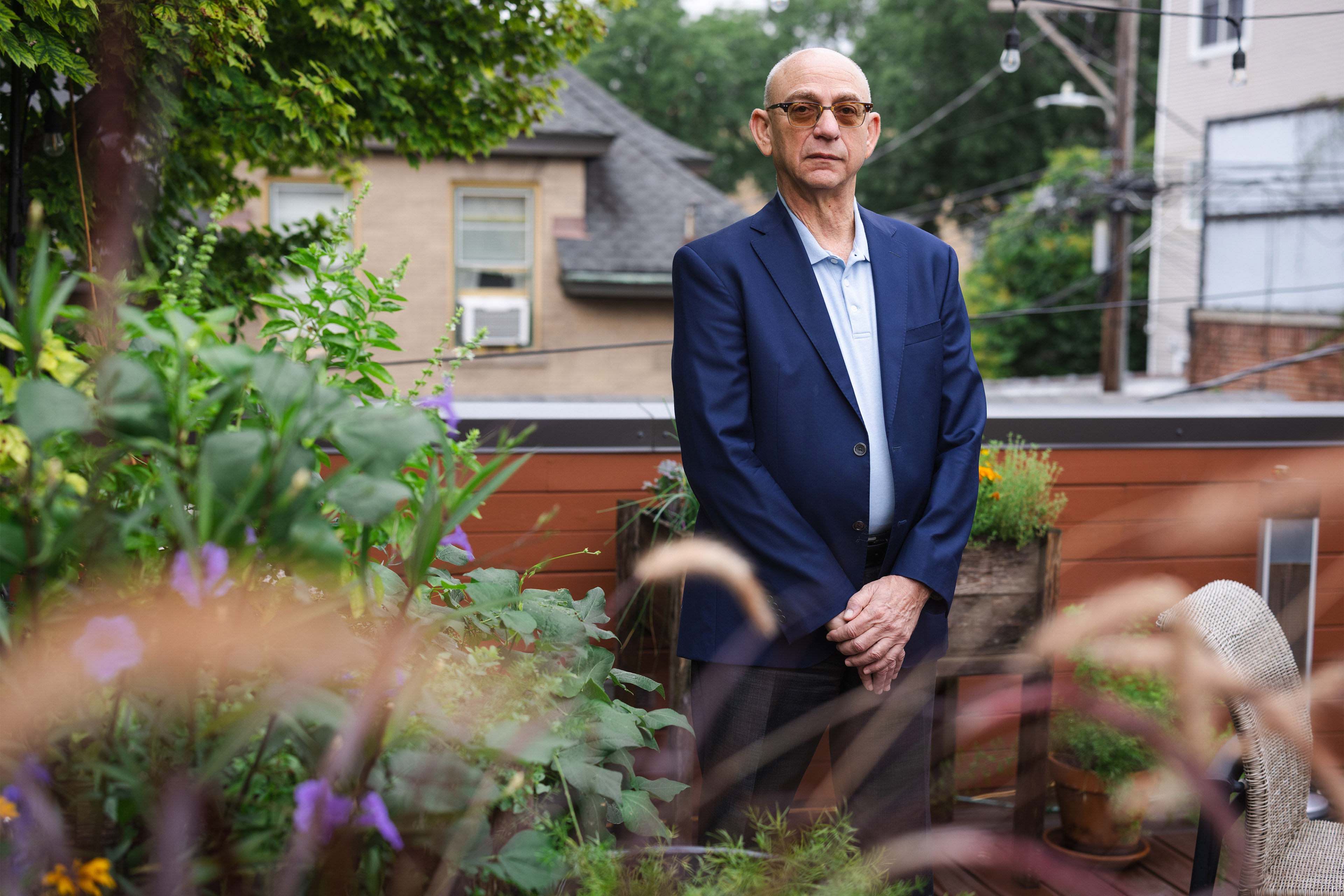
Merck spokesperson Julie Cunningham said the drug’s dosage recommendations were based on extensive testing. “In a life-threatening and challenging disease such as cancer, it is critical that the dosing for a cancer therapy is established through well-designed clinical trials,” she said. “Changes in dose or duration that have not been similarly studied may potentially compromise the therapeutic effect.”
Still, some oncologists start their patients off slowly on any of a variety of cancer drugs, although there may be concerns about lawsuits by a patient or their survivors over a prescription of lower-than-labeled dosages.
Kathy Miller, a professor of oncology at the Indiana University School of Medicine, routinely starts metastatic breast cancer patients with 400 milligrams of Kisqali daily for three weeks (with one week off), rather than the 600 milligrams recommended on the label. Sometimes patients ask for the standard dosage.
“I have to tell them, ‘I don’t want to kill you,’” she said.
Insurers routinely challenge her lower-dosage prescriptions, Miller said, presumably because price rebates from the drug company are set to the standard dosage. To avoid endless phone battles with insurers, she prescribes 600 milligrams but tells her patients to take only two of the 200-mg pills and save the third for the next cycle.
Follow the Cures — And the Money
On May 31, at the annual meeting of the American Society of Clinical Oncology, or ASCO, at Chicago’s McCormick Place convention center, most of the audience of 8,000 rose in a prolonged standing ovation for the experimental drug daraxonrasib. Patients with pancreatic cancer who took the drug, according to the study presented that day, lived nearly twice as long — a median of 13 months — as those receiving chemotherapy.
The next day, in a slightly smaller hall, Amol Patel, a medical oncologist from New Delhi, discussed studies in various cancers in which 20- or 40-mg doses of nivolumab biweekly — one-sixth or one-twelfth the recommended dosage — gave Indian patients several months to a year longer survival than patients who underwent chemotherapy, and with fewer side effects.
Fewer than 100 people attended Patel’s talk.
The ingenious development of daraxonrasib was big news, since pancreatic cancer has been a death sentence until now. But from a global perspective, the news out of India might be just as important.
At the ASCO meeting, “the focus is always on the shiny new drug,” said Daniel Goldstein, an oncologist and drug policy researcher at the Rabin Medical Center in Israel who has fought for a decade, with some success, to lower pembrolizumab dosages in hospitals there and in other countries. “It can be quite lonely to be us,” he said, adding that he’s seen increasing appreciation of his work.
The data from India offered a glimpse of what could be. However, the studies Patel referred to compared ultralow-dosage immunotherapy to older chemo drugs; none compared ultralow doses against standard nivolumab or pembrolizumab treatments. In India, this would be a sterile exercise, because full-dose treatments are beyond the reach of any but the very wealthy, said Vanita Noronha, an oncologist at Tata Memorial Hospital in Mumbai.
Bristol Myers Squibb, or BMS, has a program to make its drugs available in lower-income countries. But the company hasn’t been involved in the lower-dose nivolumab trials and, in a statement to KFF Health News, said the evidence suggested that nivolumab at a lower dosage or shorter duration harmed patients.
While not all U.S. oncologists agree with BMS’ assertion, the Indian data is, to most, a mere curiosity. “Can we really give 20 milligrams as opposed to 240?” asked Jessica Bauman of the Fox Chase Cancer Center in Philadelphia. “The only way we know for sure is a randomized study between the low dose and the highest.”
And such trials are unlikely to occur. That means only poorer countries are going to host “this groundbreaking research,” said Ratain, who is also a cancer doctor at the University of Chicago Medical Center. “The Indians may have better immunotherapy than we do.”
Clinicians in Europe, where maximizing healthcare dollars has long been a priority, have taken a middle course, studying lower, but not ultralow, doses of immunotherapy.
Pulmonologist Michel van den Heuvel at Utrecht University is leading a study comparing the standard nivolumab dosage for lung cancer patients with one that is as much as 50% lower. He also considered giving the low doses half as frequently, but that would have raised ethical concerns and led to a more cumbersome research protocol, van den Heuvel said.
In the United States, researchers led by a group at the Dana-Farber Cancer Institute are taking another tack: evaluating whether patients who’ve done well on 27 weeks of pembrolizumab can stop taking it, rather than doing the additional six months per FDA protocol.
At the Veterans Health Administration, which has more leeway in testing money-saving medical procedures, doctors saved $1.5 million, about 10% of the previous pembrolizumab cost, over two years at three Veterans Affairs hospitals where they implemented a pilot program to dose patients less frequently, said Garth Strohbehn, a University of Michigan oncologist who also works at the VA.
It saves money and requires fewer visits for veterans who often live hours from the hospital, he said. “It also helps other patients because it opens more slots for infusion.”
Julie Gralow, ASCO’s executive vice president and chief medical officer, has made testing dosage a priority. She’s working with scientists in India on an ambitious clinical trial to compare standard nivolumab with four lower dosage levels.
She’s also leading an $11 million trial, supported by the federally funded Patient-Centered Outcomes Research Institute, to see whether breast cancer patients can be effectively started on lower doses of the drugs Kisqali and Ibrance, which, along with Verzenio, are in a class of key breast cancer drugs known as CDK4/6 inhibitors.
“We want to maintain efficacy. But we also want patients to have excellent quality of life,” she said. Especially for patients with advanced cancers, where absolute cure is unlikely, “it’s our job to make sure we’re not compromising quality of life with higher doses that are unnecessary.”
In 2021, at Ratain’s urging, Richard Pazdur, who led the FDA’s cancer drug division for many years, launched Project Optimus, intended to get companies to conduct dosing studies that are more precise before launching the large clinical trials they use to obtain FDA approval for new drugs.
The agency issued nonbinding guidelines for dosing studies in 2024 and has incorporated Project Optimus principles into the approval process for new cancer drugs, said Health and Human Services spokesperson Emily Hilliard. For example, two dosing regimens were evaluated for each of four lung cancer drugs (fam-trastuzumab deruxtecan, tarlatamab, zongertinib, sunvozertinib), and the lower dose with fewer toxicities was approved in each case, she said.
The FDA usually can’t compel a drugmaker to conduct dose-ranging studies after a drug’s approval, Hilliard noted. And by law the agency does not influence drug pricing, she said.
Future drugs should have better dosage information, Bauman said, but “newer drugs will probably be just as expensive at lower doses.”
Financial Toxicity
Verzenio’s side effects made Allegra Warfield feel so sick, tired, and bewildered, she said, that she considered suicide. She switched to Kisqali, which was tolerable until last September, when coverage of the drug stopped despite her monthly premium payment of $6,000. The cash price for Kisqali was at least $16,000 a month.
After fighting her insurer for three months, Warfield, 42, sold her house and belongings in Palm Desert, California, and moved with her fiancé to Durham, North Carolina, where they’d found what they considered a reasonable insurance plan.
The cancer, the side effects, and the unpayable bills were bad enough. The lack of good answers for her treatment made everything worse, she said.
“I was left to research these medications on Facebook and Reddit. The only people talking about the daily reality of these drugs were other patients,” she said. “But I wanted the studies. I wanted practical guidance.”
Stories like these launched a new life mission for Kelly Shanahan, who was an OB-GYN in South Lake Tahoe, California, until side effects from a breast cancer drug caused her to lose sensation in her hands. Unable to practice medicine, Shanahan became a patient advocate who works with a group called the Patient-Centered Dosing Initiative. In 2021, Shanahan developed profound fatigue (“worse than caring for a newborn baby while being on call in my solo practice”) within a few weeks of going on Ibrance. Lowering the dosage caused her worst symptoms to lift, she said.
After gathering countless anecdotes, her group has approached drug companies seeking data — so far with little success — that might indicate what percentage of patients have needed dosage reductions, and how they fare on lower doses.
“If going down two dose levels cuts effectiveness by 50%, patients need to know that while making decisions. If it doesn’t, they need to know that,” Shanahan said — even if it means “the companies won’t make as much money.”
Shanahan suggested the data could be found in clinical trials and postmarket studies. But if drug companies won’t provide the necessary studies, Manski said, governments should.
“The knowledge to be gained is a common good,” he said.
KFF Health News is a national newsroom that produces in-depth journalism about health issues and is one of the core operating programs at KFF—an independent source of health policy research, polling, and journalism. Learn more about KFF.
This article first appeared on KFF Health News and is republished here under a Creative Commons Attribution-NonCommercial-NoDerivatives 4.0 International License.
DISCLAIMER: MedShadow provides information and resources related to medications, their effects, and potential side effects. However, it is important to note that we are not a substitute for professional medical advice, diagnosis, or treatment. The content on our site is intended for educational and informational purposes only. Individuals dealing with medical conditions or symptoms should seek guidance from a licensed healthcare professional, such as a physician or pharmacist, who can provide personalized medical advice tailored to their specific circumstances.
While we strive to ensure the accuracy and reliability of the information presented on MedShadow, we cannot guarantee its completeness or suitability for any particular individual’s medical needs. Therefore, we strongly encourage users to consult with qualified healthcare professionals regarding any health-related concerns or decisions. By accessing and using MedShadow, you acknowledge and agree that the information provided on the site is not a substitute for professional medical advice and that you should always consult with a qualified healthcare provider for any medical concerns.
on this page:
RECOMMENDED:


DONATE:
Help fund our fight for improved medication safety and transparency by supporting our independent journalism.
Give NowWe seek to create a world where there are safer medications for all and where all people are fully informed about their medication benefits and side effects, using our explanatory and investigative journalism to both inform and stimulate public discussion to drive toward solutions.
WEBINARS
Stream our library on demand, including insights on generic drugs and pain management, straight from experts.
WATCH NOW