Scientists have identified genetic variants that make certain medications far more toxic for some people. The challenge is getting that information into the exam room
Your genes can affect how your body handles medications. Certain genetic variants can cause a drug to build up to dangerous levels, prevent it from working properly, or increase the risk of serious side effects.
Some of these risks can be identified before treatment. Pharmacogenetic testing can help clinicians adjust a dose or choose a different medication for patients with certain high-risk variants.
Testing still isn’t routine. Cost, insurance coverage, turnaround time, and uncertainty about when to order testing have slowed its adoption.
You can ask for it. Before starting a new medication — particularly one known to have gene-related toxicity — ask whether pharmacogenetic testing could help guide treatment.
When her mother began chemotherapy for anal cancer in 2014, Seattle resident Karen Merritt knew to expect side effects. The oncologist had warned her to expect nausea, lethargy, and redness on the hands and feet from the drug 5-fluorouracil (5-FU). So when Merritt’s mom, Linda Anderson, age 73, said she felt really lousy after her first dose of chemo, everyone chalked it up to the cancer-killing medication.
As time passed, however, the side effects didn’t improve. If anything, Anderson got worse. Painful sores that had begun to form in her mouth were now spreading across her body. Sipping water felt like swallowing razor blades. Then Anderson developed pneumonia.
After being admitted to the hospital several days after her first dose of chemo, doctors immediately suspected the potential cause and began performing tests to confirm. 5-FU was known to be toxic — its entire function was to kill the rapidly dividing cells in a tumor. But the body also has enzymes to break down fluoropyrimidines such as 5-FU (and a sister drug called capecitabine) to keep it from lingering and killing too many of the body’s normal, healthy cells. In Anderson, however, that didn’t seem to be happening.
Tests showed her infection-fighting white blood cells had been completely wiped out. Her liver was showing signs of damage, too. Two days after she was admitted to the hospital and 12 days after her first and only dose of 5-FU, Anderson fell into a coma.
She never woke up. Eleven days later, she died.
On Anderson’s death certificate, the cause of death was listed as cardiac arrest, along with sepsis and pulmonary infection. At the bottom of the certificate, however, listed as a contributing factor, was the phrase “toxicity to 5-FU.”
Knowing what she knows now, Merritt says she would have pushed for that to be at the top of the list.
Merrit’s endless Google searches revealed the reason capecitabine was so toxic in Anderson: she carried a genetic variation that inactivated a gene called DPYD, which makes the DPD enzyme that breaks down capecitabine and 5-FU. The drug can also be harmful even in individuals with some DPD activity, says Daniel Hertz, PharmD, Ph.D., an associate professor of clinical pharmacy at the University of Michigan.
Approximately 2 to 8% of Americans carry at least one of these variants, which can make certain commonly used chemotherapy drugs deadly. A 2020 study estimates that around 700 to 1400 Americans die annually from fluoropyrimidine toxicity. Merritt later learned that a simple genetic test can identify people like her mother who require a reduced dose of these medications or shouldn’t receive them at all.
Because the link between DPYD variants and toxicity is so strong — and the consequences can be so severe — DPYD testing is one of the most clinically important examples of pharmacogenetic testing, notes Dr. Hertz.
The FDA’s black box decision is part of a growing awareness of the links between genetics and drug toxicity. Although most of the work has been done around cancer drugs — those tend to have the lowest margin between therapeutic dose and overt toxicity — researchers have also documented genetics affecting the toxicity and safety of a range of drugs from blood thinners to mood stabilizers. Simple genetic tests can readily identify people carrying these potentially deadly genetic variants, but they are not widely used outside of certain academic and specialty medical centers.
Why aren’t these tests used more often? Not all insurers cover pharmacogenetic testing, and not all clinicians know when to order it. Physicians are also under pressure to begin chemotherapy quickly after a cancer diagnosis, while some genetic tests can take days or weeks to return. And because no single test can identify every potential drug toxicity, clinicians must decide which patients are most likely to benefit. Although specialists will be responsible for ordering some of these genetic tests, much of the responsibility for testing is likely to fall on primary care, and keeping up with which medications warrant testing is no small task.
“It’s very challenging for primary care,” says pharmacist Sara Rogers, PharmD, a clinician scientist at Texas A&M University, co-founder and President of the American Society of Pharmacovigilance, and a member of MedShadow’s Health and Medical Advisory Panel.
What results is a system where pharmacogenetic testing for drug toxicity happens infrequently and inconsistently — if it happens at all.
When a Standard Dose Isn’t Standard
For most of us, the average healthcare process goes something like this: a doctor prescribes us new medication, we fill the script, we swallow the pill, and it begins to work its magic. Or so we think.
The reality is that the pill itself doesn’t do all the work. Once inside the body, medication embarks on a complex journey: it’s absorbed, metabolized, and chemically transformed before it can bind to its intended target. Eventually, it is broken down and cleared from the body. Each step depends on a host of proteins — such as enzymes, transporters, and receptors — made according to blueprints carried in our DNA. Small inherited differences in these genes can subtly, sometimes dramatically, change how a pill becomes a medicine.
One person’s liver may dismantle a drug so rapidly that little intact medication is left to reach its target. Someone else may process a compound so slowly that it builds up to dangerous, toxic levels. Others may carry genetic variations in the drug’s intended target that alter how well the medication binds and, consequently, its effectiveness. In other words, the same ‘standard’ dose can be highly toxic in one person, completely ineffective in another, and just right in a third.
The Weekly Wrap-Up
Independent reporting on drug recalls, medication safety and integrative health, including supplements. No pharma funding.
“Drugs are metabolized just like lactose,” explains Mark Fleury, policy principal for the Cancer Action Network, the advocacy arm of the American Cancer Society. Many people stop producing the lactase enzyme that breaks down milk sugars after weaning. Without lactase, consuming milk products can cause gastrointestinal discomfort. People without enzymes to break down certain pharmaceuticals can face analogous problems.
If you’re missing the enzyme, the drug sticks around longer and can reach harmful levels. Conversely, some people clear drugs so quickly they never reach therapeutic levels, Dr. Fleury says. This idea isn’t new. Researchers and physicians have long known of the tremendous human variability in drug response. What is more recent is science’s understanding of the specific genetic variations that can drive toxicity in specific drugs, and just how common some of them are.
The commonality of such adverse drug reactions actually sparked Dr, Rogers’ interest in pharmacogenetics in the first place.
“I hadn’t been aware that it was such a pervasive issue,” she says.
Take abacavir, an antiretroviral medication used to treat HIV. About 5 to 8% of people of European descent and up to 4% of those with other ancestries carry mutations that cause hypersensitivity reactions. Thanks to an FDA black box warning introduced in July 2008, pharmacogenetic testing has become routine to prevent severe reactions such as multi-organ failure and death.
For the blood thinner warfarin, certain genetic mutations in a cluster of liver enzymes alter the drug’s metabolism or sensitivity in some people. A mutation requires careful dosage adjustment or, when possible, a switch to another anticoagulant.
And these genetic variants aren’t rare. One study in Clinical Pharmacology and Therapeutics estimates that 91% of individuals carry at least one genetic variant that alters how well a drug works and/or its toxicity.
At her clinic in College Station, Texas, Dr. Rogers says that a large part of her job is matching the potential toxicities a patient reports to a specific medication. With some individuals taking upwards of 20 prescriptions, the process of elimination can be lengthy and arduous. Sometimes the answer is a drug interaction or being prescribed the wrong dose. Other times, the fix is simple, such as taking a medication with food or at a different time of day. Not infrequently, however, the problem could be written in a person’s DNA.
“Genetics isn’t the whole answer. It’s another piece of evidence that helps explain why one patient reacts differently than another,” Dr. Rogers says.
When the system works right, prescribers request pharmacogenetic testing before a person begins taking certain medications. If testing isn’t possible, they start with a very low dose, increase it gradually, and educate patients about the symptoms that could signal a dangerous reaction
Too often, however, that doesn’t happen.
The biggest challenge hasn’t been figuring out that these gene-drug interactions exist. Researchers have already done this for hundreds of medications and developed clinical guidelines for adjusting doses or avoiding a drug completely. The harder task has been ensuring that the right information reaches the right clinician at the right time.
And that requires a change to medical practice itself, not just the discovery of a new gene.
St. Jude and the Argument for Routine Pharmacogenetic Testing
Fifteen years ago, the oncologists at St. Jude Children’s Research Hospital in Memphis, Tennessee, recognized they had a problem. Some of the drugs intended to save the lives of the very sick cancer patients in their care were actually causing their deaths. The culprit wasn’t the drugs themselves. It was an inherited genetic variant that prevented some children from safely breaking them down.
For decades, the mainstay of treatment for childhood acute lymphoblastic leukemia has been two drugs known as thiopurines. They are remarkably effective at killing rapidly dividing cancer cells — but only if the body can safely process them. A protein called thiopurine methyltransferase (TPMT) can neutralize these drugs after they’ve done their job. Some inherit genetic variants that leave them with less TPMT activity, which can allow the drugs to accumulate to dangerous levels. A very small percentage produce little or no functional TPMT at all, putting them at risk of severe — and potentially fatal — toxicity unless their treatment is dramatically adjusted.
Identifying these children and ensuring they are not killed by the medications prescribed to save their lives is a long-time goal of pharmacist Kelly Caudle, PharmD, Ph.D. As the Clinical Pharmacogenetics Implementation Consortium Director at St. Jude, she helps to manage the hospital’s large pharmacogenomics program. While they began with TPMT testing in the mid-2000s, St. Jude now performs pharmacogenomic testing for all children they treat, identifying an array of genetic variants linked to drug toxicity.
Photo: Peter Hemmel
“To date, we’ve genotyped over 7000, maybe over 8000 patients. We’ve found that 94% of our patients have what we consider a high-risk result for at least one of those genes,” Dr. Caudle says. “This program not only helps them while they’re at St. Jude and helps us reduce toxicity, but this can also help them later on in life because they can take this information with them.”
The program at St. Jude, initiated by Dr. Caudle’s predecessor, shows that pharmacogenomic testing can become part of routine care rather than a rare specialty test. The test results for every child seen at St. Jude are stored in the electronic health record, so oncologists receive automatic prescribing guidance when ordering a high-risk medication. The large program at St. Jude shows that it’s possible to stand up a large-scale drug toxicity testing program, but expanding it to other hospitals has proven challenging, as Michigan’s Hertz well knows.
When he talked to clinicians and hospitals about implementing DPD testing, “they essentially said, ‘we don’t know how we would do it. We don’t know all the evidence. We don’t have the logistics in place. We’re not sure if the cost is worthwhile. We don’t think this is a big problem.’ But really, as long as the FDA and the guidelines didn’t say to do it, most places were not going to do it,” says Dr. Hertz.
Pharmacogenetic testing might make good medical sense, but it doesn’t automatically generate a large revenue stream, which can make it more challenging for administrators to see the need and the benefits. Nor do insurers always pay for these tests. They will in cases where it’s mandated — such as with DPD testing and fluoropyrimidines — but not always in others. Clinicians also have long lists of competing demands, which can make it challenging to prioritize testing in all cases, according to Mark Ratain, M.D., an oncologist at the University of Chicago.
“For the average oncologist, patients come in and they go to the assembly line, and physicians don’t have the pharmacological insight to discuss these decisions for patients,” Dr. Ratain says.
Nor, he says, does testing guarantee that a drug won’t be toxic.
But It Can’t Catch Every Risk
After I was diagnosed with high-risk appendix cancer last year, I was prescribed capecitabine along with oxaliplatin infusions. My clinic did perform DPD testing before I began taking the medication, and I was not flagged as having any concerns. But the drug still led to temporary liver damage, and I had to stop taking it for several weeks and could only resume at a reduced dose. Could I carry a yet-to-be-discovered DPD variant? Perhaps. But even ‘normal’ test results don’t guarantee that medication won’t be toxic.
The bulk of genetic sequencing has been performed on individuals of white, European ancestry. Individuals of other backgrounds are far more likely to carry genetic variants that have yet to be characterized. Medications can also be toxic for other reasons.
The test quality hasn’t always been good, either. When the DPD genetic test first came out in 2006, “The lab tests weren’t good, the turnaround on the test wasn’t good, and so oncologists would say, I can’t test. I’ve got to start treatment,” Merritt says.
Over the years, however, test quality and turnaround time have improved to the point that DPD results can be returned even before other basic laboratory tests.
The Future of Prescribing
The question, Caudle says, is no longer whether genes influence how certain medications work. The question is when that knowledge is strong enough — and practical enough — to become part of routine care.
That answer will vary from one drug to the next. Medications such as fluoropyrimidines, abacavir, and thiopurines have strong enough evidence for experts to argue that pharmacogenetic testing should be routine. Indeed, the FDA’s new black box warning for capecitabine requires this testing. For other medications, researchers are still trying to determine whether pharmacogenetic testing improves patient outcomes (how well a drug manages their disease and the severity of side effects) or whether it adds unnecessary complexity.
For patients, however, the message is simpler. Before starting a medication, ask your prescriber about pharmacogenomic testing to help guide treatment and identify potential toxicities. The answer may be that no test exists for your drug, but increasingly, that answer is yes.
As the science continues to mature, discussing genetics could become as routine as talking about side effects, drug interactions, and finding the right dose.
Disclosures
The American Cancer Society Cancer Action Network (ACS CAN) is the advocacy affiliate of the American Cancer Society. The American Cancer Society discloses financial support from pharmaceutical companies and other corporate donors.
DISCLAIMER: MedShadow provides information and resources related to medications, their effects, and potential side effects. However, it is important to note that we are not a substitute for professional medical advice, diagnosis, or treatment. The content on our site is intended for educational and informational purposes only. Individuals dealing with medical conditions or symptoms should seek guidance from a licensed healthcare professional, such as a physician or pharmacist, who can provide personalized medical advice tailored to their specific circumstances.
While we strive to ensure the accuracy and reliability of the information presented on MedShadow, we cannot guarantee its completeness or suitability for any particular individual’s medical needs. Therefore, we strongly encourage users to consult with qualified healthcare professionals regarding any health-related concerns or decisions. By accessing and using MedShadow, you acknowledge and agree that the information provided on the site is not a substitute for professional medical advice and that you should always consult with a qualified healthcare provider for any medical concerns.
We seek to create a world where there are safer medications for all and where all people are fully informed about their medication benefits and side effects, using our explanatory and investigative journalism to both inform and stimulate public discussion to drive toward solutions.
MedShadow.org is dedicated to empowering people with our evidence-based journalism about the safest ways to take over-the-counter (OTC) and prescription (Rx) medications.
We also seek to stimulate public discussion about potential improvements to drug research, manufacturing and distribution processes. and also to encourage the improvement of processes to ensure that we are all better protected.
As a result, we encourage other nonprofit newsrooms, mission-aligned outlets, and advocacy organizations to republish our original content under the following conditions:
You May Republish Our Articles for Free If:
1. We Are Credited Fully and Clearly
You must include the byline and credit MedShadow.org as the original publisher. Please include a link to the original article at the top or bottom of the piece. Use the following attribution:
This article was originally published by MedShadow, a nonprofit foundation that focuses on the safest ways to take over-the-counter and prescription medications.
2. Our Content Isn’t Edited Without Permission
You may make small changes for clarity, such as adjusting headlines, subheadings, or transitions, but you may not change the core meaning, tone, or intent of the article. For substantive edits, email us at republish@medshadow.org for review and approval.
3. You Do Not Sell Or Use Our Content Commercially
Our work is free to share, but it may not be sold, monetized, or repurposed for commercial gain. You may not republish our articles behind a paywall or in publications whose primary purpose is advertising or product promotion. You may not place drug or supplement advertising adjacent to our story.
4. Photos, Graphics, and Multimedia Are Not Used Without Permission
Only the text of the article is available for republication. Images, graphics, and videos may not be reused without explicit written permission, unless they are clearly marked as Creative Commons licensed. Contact us if you’d like to request reuse of a visual asset.
You May Not:
Use our content to promote a product, service, or political candidate
Republish only part of an article or create derivative works without permission
Add affiliate links, advertising overlays, or lead generators
Translate the article without written permission
Contact Us
If you’re unsure whether your intended use falls within these guidelines, or would like to discuss a formal syndication or licensing arrangement, please email: republish@medshadow.org
We want our journalism to reach as many people as possible, especially those making critical decisions about medications and health.
For website editors
Copy the article HTML
Copy the article body, including its formatting and links, then paste it into your publishing system. Add the byline and required credit described in these guidelines.
Preview article HTML
<!-- wp:paragraph -->
<p>When her mother began chemotherapy for anal cancer in 2014, Seattle resident Karen Merritt knew to expect side effects. The oncologist had warned her to expect nausea, lethargy, and redness on the hands and feet from the drug 5-fluorouracil (5-FU). So when Merritt’s mom, Linda Anderson, age 73, said she felt really lousy after her first dose of chemo, everyone chalked it up to the cancer-killing medication. </p>
<!-- /wp:paragraph -->

<!-- wp:paragraph -->
<p>As time passed, however, the side effects didn’t improve. If anything, Anderson got worse. Painful sores that had begun to form in her mouth were now spreading across her body. Sipping water felt like swallowing razor blades. Then Anderson developed pneumonia.</p>
<!-- /wp:paragraph -->

<!-- wp:paragraph -->
<p>After being admitted to the hospital several days after her first dose of chemo, doctors immediately suspected the potential cause and began performing tests to confirm. 5-FU was known to be toxic — its entire function was to kill the rapidly dividing cells in a tumor. But the body also has enzymes to break down fluoropyrimidines such as 5-FU (and a sister drug called capecitabine) to keep it from lingering and killing too many of the body’s normal, healthy cells. In Anderson, however, that didn’t seem to be happening. </p>
<!-- /wp:paragraph -->

<!-- wp:paragraph -->
<p>Tests showed her infection-fighting white blood cells had been completely wiped out. Her liver was showing signs of damage, too. Two days after she was admitted to the hospital and 12 days after her first and only dose of 5-FU, Anderson fell into a coma. </p>
<!-- /wp:paragraph -->

<!-- wp:paragraph -->
<p>She never woke up. Eleven days later, she died.</p>
<!-- /wp:paragraph -->

<!-- wp:paragraph -->
<p>On Anderson’s death certificate, the cause of death was listed as cardiac arrest, along with sepsis and pulmonary infection. At the bottom of the certificate, however, listed as a contributing factor, was the phrase “toxicity to 5-FU.”</p>
<!-- /wp:paragraph -->

<!-- wp:paragraph -->
<p>Knowing what she knows now, Merritt says she would have pushed for that to be at the top of the list.</p>
<!-- /wp:paragraph -->

<!-- wp:paragraph -->
<p>Merrit’s endless Google searches revealed the reason capecitabine was so toxic in Anderson: she carried a genetic variation that inactivated a <a href="https://arupconsult.com/ati/dihydropyrimidine-dehydrogenase">gene called DPYD</a>, which makes the DPD enzyme that breaks down capecitabine and 5-FU. The drug can also be harmful even in individuals with some DPD activity, says <a href="https://pharmacy.umich.edu/people/hertz-daniel/">Daniel Hertz</a>, PharmD, Ph.D., an associate professor of clinical pharmacy at the University of Michigan. </p>
<!-- /wp:paragraph -->

<!-- wp:paragraph -->
<p><a href="https://pmc.ncbi.nlm.nih.gov/articles/PMC8649021/">Approximately 2 to 8% of Americans</a> carry at least one of these variants, which can make certain commonly used chemotherapy drugs deadly. <a href="https://pmc.ncbi.nlm.nih.gov/articles/PMC8462561/">A 2020 study estimates that</a> around 700 to 1400 Americans die annually from fluoropyrimidine toxicity. Merritt later learned that a simple genetic test can identify people like her mother who require a reduced dose of these medications or shouldn’t receive them at all. </p>
<!-- /wp:paragraph -->

<!-- wp:paragraph -->
<p>Because the link between DPYD variants and toxicity is so strong — and the consequences can be so severe — DPYD testing is one of the most clinically important examples of pharmacogenetic testing, notes Dr. Hertz. </p>
<!-- /wp:paragraph -->

<!-- wp:paragraph -->
<p>In October 2025, advocacy work by Merritt and others at the <a href="https://test4dpd.org/">Advocates for Universal DPD/DPYD Testing</a> helped spur the U.S. Food and Drug Administration (FDA) <a href="https://www.fda.gov/drugs/resources-information-approved-drugs/safety-labeling-update-capecitabine-and-fluorouracil-5-fu-risks-associated-dihydropyrimidine">to place a black box warning advising DPYD genetic testing</a> for everyone prescribed capecitabine and 5-FU unless immediate treatment is necessary. </p>
<!-- /wp:paragraph -->

<!-- wp:heading {"level":3} -->
<h3 class="wp-block-heading">The Growing Burden on Primary Care</h3>
<!-- /wp:heading -->

<!-- wp:paragraph -->
<p>The FDA’s black box decision is part of a growing awareness of the links between genetics and drug toxicity. Although most of the work has been done around cancer drugs — those tend to have the lowest margin between therapeutic dose and overt toxicity — researchers have also documented genetics affecting the toxicity and safety of a range of drugs from blood thinners to mood stabilizers. Simple genetic tests can readily identify people carrying these potentially deadly genetic variants, but they are not widely used outside of certain academic and specialty medical centers.</p>
<!-- /wp:paragraph -->

<!-- wp:paragraph -->
<p>Why aren't these tests used more often? Not all insurers cover pharmacogenetic testing, and not all clinicians know when to order it. Physicians are also under pressure to begin chemotherapy quickly after a cancer diagnosis, while some genetic tests can take days or weeks to return. And because no single test can identify every potential drug toxicity, clinicians must decide which patients are most likely to benefit. Although specialists will be responsible for ordering some of these genetic tests, much of the responsibility for testing is likely to fall on primary care, and keeping up with which medications warrant testing is no small task.</p>
<!-- /wp:paragraph -->

<!-- wp:paragraph -->
<p>“It’s very challenging for primary care,” says pharmacist Sara Rogers, PharmD, a clinician scientist at Texas A&M University, co-founder and President of the American Society of Pharmacovigilance, and a member of <a href="https://medshadow.org/author/sararogers/">MedShadow’s Health and Medical Advisory Panel</a>.</p>
<!-- /wp:paragraph -->

<!-- wp:paragraph -->
<p>What results is a system where pharmacogenetic testing for drug toxicity happens infrequently and inconsistently — if it happens at all.<br></p>
<!-- /wp:paragraph -->

<!-- wp:heading -->
<h2 class="wp-block-heading">When a Standard Dose Isn't Standard</h2>
<!-- /wp:heading -->

<!-- wp:paragraph -->
<p>For most of us, the average healthcare process goes something like this: a doctor prescribes us new medication, we fill the script, we swallow the pill, and it begins to work its magic. Or so we think.</p>
<!-- /wp:paragraph -->

<!-- wp:paragraph -->
<p>The reality is that the pill itself doesn’t do all the work. Once inside the body, medication embarks on a complex journey: it’s absorbed, metabolized, and chemically transformed before it can bind to its intended target. Eventually, it is broken down and cleared from the body. Each step depends on a host of proteins — such as enzymes, transporters, and receptors — made according to blueprints carried in our DNA. Small inherited differences in these genes can subtly, sometimes dramatically, change how a pill becomes a medicine. </p>
<!-- /wp:paragraph -->

<!-- wp:paragraph -->
<p>One person’s liver may dismantle a drug so rapidly that little intact medication is left to reach its target. Someone else may process a compound so slowly that it builds up to dangerous, toxic levels. Others may carry genetic variations in the drug’s intended target that alter how well the medication binds and, consequently, its effectiveness. In other words, the same ‘standard’ dose can be highly toxic in one person, completely ineffective in another, and just right in a third.</p>
<!-- /wp:paragraph -->

<!-- wp:paragraph -->
<p>“Drugs are metabolized just like lactose,” explains <a href="https://www.linkedin.com/in/mark-fleury-7ab1479/">Mark Fleury</a>, policy principal for the Cancer Action Network, the advocacy arm of the American Cancer Society. Many people stop producing the lactase enzyme that breaks down milk sugars after weaning. Without lactase, consuming milk products can cause gastrointestinal discomfort. People without enzymes to break down certain pharmaceuticals can face analogous problems.</p>
<!-- /wp:paragraph -->

<!-- wp:paragraph -->
<p>If you're missing the enzyme, the drug sticks around longer and can reach harmful levels. Conversely, some people clear drugs so quickly they never reach therapeutic levels, Dr. Fleury says. This idea isn’t new. Researchers and physicians have long known of the tremendous human variability in drug response. What is more recent is science’s understanding of the specific genetic variations that can drive toxicity in specific drugs, and just how common some of them are. </p>
<!-- /wp:paragraph -->

<!-- wp:paragraph -->
<p>The commonality of such adverse drug reactions actually sparked Dr, Rogers' interest in pharmacogenetics in the first place. </p>
<!-- /wp:paragraph -->

<!-- wp:paragraph -->
<p>“I hadn't been aware that it was such a pervasive issue,” she says.</p>
<!-- /wp:paragraph -->

<!-- wp:paragraph -->
<p>Take abacavir, an antiretroviral medication used to treat HIV. About 5 to 8% of people of European descent and up to 4% of those with other ancestries carry <a href="https://arupconsult.com/ati/hla-b5701-abacavir-sensitivity">mutations that cause hypersensitivity reactions</a>. Thanks to an FDA black box warning introduced <a href="https://pmc.ncbi.nlm.nih.gov/articles/PMC3000684/">in July 2008</a>, pharmacogenetic testing has become routine to prevent severe reactions such as multi-organ failure and death. </p>
<!-- /wp:paragraph -->

<!-- wp:paragraph -->
<p>For the blood thinner warfarin, <a href="https://arupconsult.com/ati/warfarin-sensitivity-genotyping">certain genetic mutations</a> in a cluster of liver enzymes alter the drug's metabolism or sensitivity in some people. A mutation requires careful dosage adjustment or, when possible, a switch to another anticoagulant. </p>
<!-- /wp:paragraph -->

<!-- wp:paragraph -->
<p>Carbamazepine, a mood stabilizer and anti-seizure medication used to treat bipolar disorder and epilepsy, <a href="https://www.nhs.uk/medicines/carbamazepine/side-effects-of-carbamazepine/">can cause severe skin reactions</a> such as <a href="https://medshadow.org/drug-updates-recalls/drug-safety/stevens-johnson-syndrome-symptoms-causes-treatment/">Stevens-Johnson Syndrome</a> in a small subset of patients.</p>
<!-- /wp:paragraph -->

<!-- wp:paragraph -->
<p>And these genetic variants aren’t rare. <a href="https://pubmed.ncbi.nlm.nih.gov/24253661/">One study in <em>Clinical Pharmacology and Therapeutics</em></a> estimates that 91% of individuals carry at least one genetic variant that alters how well a drug works and/or its toxicity. </p>
<!-- /wp:paragraph -->

<!-- wp:paragraph -->
<p>At her clinic in College Station, Texas, Dr. Rogers says that a large part of her job is matching the potential toxicities a patient reports to a specific medication. With some individuals taking upwards of 20 prescriptions, the process of elimination can be lengthy and arduous. Sometimes the answer is a drug interaction or being prescribed the wrong dose. Other times, the fix is simple, such as taking a medication with food or at a different time of day. Not infrequently, however, the problem could be written in a person’s DNA.</p>
<!-- /wp:paragraph -->

<!-- wp:paragraph -->
<p>“Genetics isn't the whole answer. It's another piece of evidence that helps explain why one patient reacts differently than another,” Dr. Rogers says.</p>
<!-- /wp:paragraph -->

<!-- wp:paragraph -->
<p>When the system works right, prescribers request pharmacogenetic testing before a person begins taking certain medications. If testing isn’t possible, they start with a very low dose, increase it gradually, and educate patients about the symptoms that could signal a dangerous reaction</p>
<!-- /wp:paragraph -->

<!-- wp:paragraph -->
<p>Too often, however, that doesn't happen.</p>
<!-- /wp:paragraph -->

<!-- wp:paragraph -->
<p>The biggest challenge hasn’t been figuring out that these gene-drug interactions exist. Researchers have already done this for hundreds of medications and developed clinical guidelines for adjusting doses or avoiding a drug completely. The harder task has been ensuring that the right information reaches the right clinician at the right time. </p>
<!-- /wp:paragraph -->

<!-- wp:paragraph -->
<p>And that requires a change to medical practice itself, not just the discovery of a new gene.</p>
<!-- /wp:paragraph -->

<!-- wp:heading -->
<h2 class="wp-block-heading">St. Jude and the Argument for Routine Pharmacogenetic Testing</h2>
<!-- /wp:heading -->

<!-- wp:paragraph -->
<p>Fifteen years ago, the oncologists at St. Jude Children’s Research Hospital in Memphis, Tennessee, recognized <a href="https://pmc.ncbi.nlm.nih.gov/articles/PMC9748527/">they had a problem</a>. Some of the drugs intended to save the lives of the very sick cancer patients in their care were actually causing their deaths. The culprit wasn't the drugs themselves. It was an inherited genetic variant that prevented some children from safely breaking them down.</p>
<!-- /wp:paragraph -->

<!-- wp:paragraph -->
<p>For decades, the mainstay of treatment for childhood acute lymphoblastic leukemia has been two drugs known as thiopurines. They are remarkably effective at killing rapidly dividing cancer cells — but <a href="https://www.acco.org/genetics-and-anti-leukemia-therapy-the-tpmt-story/">only if the body can safely process them</a>. A protein called thiopurine methyltransferase (TPMT) can neutralize these drugs after they’ve done their job. Some inherit genetic variants that leave them with less TPMT activity, which can allow the drugs to accumulate to dangerous levels. A very small percentage produce little or no functional TPMT at all, putting them at risk of severe — and potentially fatal — toxicity unless their treatment is dramatically adjusted.</p>
<!-- /wp:paragraph -->

<!-- wp:paragraph -->
<p>Identifying these children and ensuring they are not killed by the medications prescribed to save their lives is a long-time goal of pharmacist <a href="https://www.stjude.org/people/c/kelly-caudle.html">Kelly Caudle</a>, PharmD, Ph.D. As the Clinical Pharmacogenetics Implementation Consortium Director at St. Jude, she helps to manage the hospital’s large pharmacogenomics program. While they began with TPMT testing in the mid-2000s, St. Jude now performs pharmacogenomic testing for all children they treat, identifying an array of genetic variants linked to drug toxicity.</p>
<!-- /wp:paragraph -->

<!-- wp:image {"id":34840,"sizeSlug":"large","linkDestination":"none"} -->
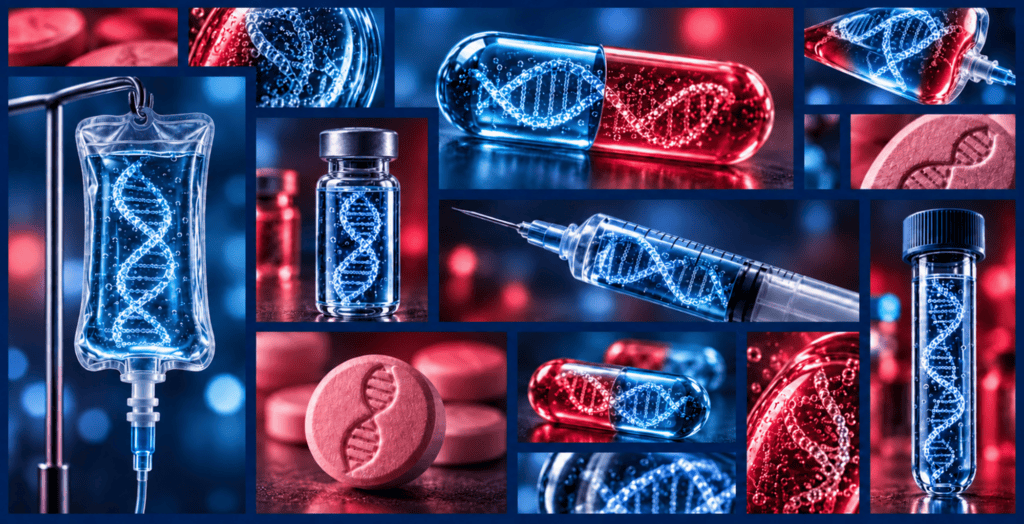
<figure class="wp-block-image size-large"><img src="https://medshadow.org/wp-content/uploads/2026/09/dna-medicine-grid-2000px-v3-1024x524.png" alt="" class="wp-image-34840"/><figcaption class="wp-element-caption">Photo: Peter Hemmel</figcaption></figure>
<!-- /wp:image -->

<!-- wp:paragraph -->
<p>“To date, we've genotyped over 7000, maybe over 8000 patients. We’ve found that 94% of our patients have what we consider a high-risk result for at least one of those genes,” Dr. Caudle says. “This program not only helps them while they’re at St. Jude and helps us reduce toxicity, but this can also help them later on in life because they can take this information with them.”</p>
<!-- /wp:paragraph -->

<!-- wp:paragraph -->
<p>The program at St. Jude, initiated by Dr. Caudle’s predecessor, shows that pharmacogenomic testing can become part of routine care rather than a rare specialty test. The test results for every child seen at St. Jude are stored in the electronic health record, so oncologists receive automatic prescribing guidance when ordering a high-risk medication. The large program at St. Jude shows that it’s possible to stand up a large-scale drug toxicity testing program, but expanding it to other hospitals has proven challenging, as Michigan’s Hertz well knows.</p>
<!-- /wp:paragraph -->

<!-- wp:paragraph -->
<p>When he talked to clinicians and hospitals about implementing DPD testing, “they essentially said, ‘we don't know how we would do it. We don't know all the evidence. We don't have the logistics in place. We're not sure if the cost is worthwhile. We don't think this is a big problem.’ But really, as long as the FDA and the guidelines didn't say to do it, most places were not going to do it,” says Dr. Hertz.</p>
<!-- /wp:paragraph -->

<!-- wp:paragraph -->
<p>Pharmacogenetic testing might make good medical sense, but it doesn’t automatically generate a large revenue stream, which can make it more challenging for administrators to see the need and the benefits. Nor do insurers always pay for these tests. They will in cases where it’s mandated — such as with DPD testing and fluoropyrimidines — but not always in others. Clinicians also have long lists of competing demands, which can make it challenging to prioritize testing in all cases, according to <a href="https://www.uchicagomedicine.org/find-a-physician/physician/mark-j-ratain">Mark Ratain</a>, M.D., an oncologist at the University of Chicago.</p>
<!-- /wp:paragraph -->

<!-- wp:paragraph -->
<p>“For the average oncologist, patients come in and they go to the assembly line, and physicians don't have the pharmacological insight to discuss these decisions for patients,” Dr. Ratain says.</p>
<!-- /wp:paragraph -->

<!-- wp:paragraph -->
<p>Nor, he says, does testing guarantee that a drug won’t be toxic. </p>
<!-- /wp:paragraph -->

<!-- wp:heading {"level":3} -->
<h3 class="wp-block-heading">But It Can’t Catch Every Risk</h3>
<!-- /wp:heading -->

<!-- wp:paragraph -->
<p>After I was diagnosed with high-risk appendix cancer last year, I was prescribed capecitabine along with oxaliplatin infusions. My clinic did perform DPD testing before I began taking the medication, and I was not flagged as having any concerns. But the drug still led to temporary liver damage, and I had to stop taking it for several weeks and could only resume at a reduced dose. Could I carry a yet-to-be-discovered DPD variant? Perhaps. But even ‘normal’ test results don’t guarantee that medication won’t be toxic. </p>
<!-- /wp:paragraph -->

<!-- wp:paragraph -->
<p>The bulk of genetic sequencing has been performed on individuals of white, European ancestry. Individuals of other backgrounds are far more likely to carry genetic variants that have yet to be characterized. Medications can also be toxic for other reasons.</p>
<!-- /wp:paragraph -->

<!-- wp:paragraph -->
<p>The test quality hasn’t always been good, either. When the DPD genetic test first came out in 2006, “The lab tests weren't good, the turnaround on the test wasn't good, and so oncologists would say, I can't test. I’ve got to start treatment,” Merritt says. </p>
<!-- /wp:paragraph -->

<!-- wp:paragraph -->
<p>Over the years, however, test quality and turnaround time have improved to the point that DPD results can be returned even before other basic laboratory tests.</p>
<!-- /wp:paragraph -->

<!-- wp:heading -->
<h2 class="wp-block-heading">The Future of Prescribing</h2>
<!-- /wp:heading -->

<!-- wp:paragraph -->
<p>The question, Caudle says, is no longer whether genes influence how certain medications work. The question is when that knowledge is strong enough — and practical enough — to become part of routine care.</p>
<!-- /wp:paragraph -->

<!-- wp:paragraph -->
<p>That answer will vary from one drug to the next. Medications such as fluoropyrimidines, abacavir, and thiopurines have strong enough evidence for experts to argue that pharmacogenetic testing should be routine. Indeed, the FDA's new black box warning for capecitabine requires this testing. For other medications, researchers are still trying to determine whether pharmacogenetic testing improves patient outcomes (how well a drug manages their disease and the severity of side effects) or whether it adds unnecessary complexity.</p>
<!-- /wp:paragraph -->

<!-- wp:paragraph -->
<p>For patients, however, the message is simpler. Before starting a medication, ask your prescriber about pharmacogenomic testing to help guide treatment and identify potential toxicities. The answer may be that no test exists for your drug, but increasingly, that answer is yes. </p>
<!-- /wp:paragraph -->

<!-- wp:paragraph -->
<p>As the science continues to mature, discussing genetics could become as routine as talking about side effects, drug interactions, and finding the right dose.</p>
<!-- /wp:paragraph -->

<!-- wp:heading -->
<h2 class="wp-block-heading">Disclosures</h2>
<!-- /wp:heading -->

<!-- wp:paragraph -->
<p>The American Cancer Society Cancer Action Network (ACS CAN) is the advocacy affiliate of the American Cancer Society. The American Cancer Society <a href="https://www.cancer.org/about-us/our-partners.html">discloses financial support</a> from pharmaceutical companies and other corporate donors.</p>
<!-- /wp:paragraph -->
What is unbiased drug-safety journalism worth to you?
We think it’s invaluable — and hope you agree. Our work is made possible by donations from readers like you.
What is Unbiased Drug-Safety Journalism Worth to You?
We think it’s invaluable — and hope you agree. Our journalism is made possible by donations from readers like you.
As a nonprofit, we don’t take a dime from pharmaceutical or supplement companies. That means we can report on the benefits, risks, and alternatives to prescription and over-the-counter drugs free from corporate pressure or influence.



 Shedding Light on the Risks
& Benefits of Medications
Shedding Light on the Risks
& Benefits of Medications