



Menu
 Shedding Light on the Risks
& Benefits of Medications
Shedding Light on the Risks
& Benefits of Medications
Shedding Light on the Risks
& Benefits of Medications 5 Common Drug Risk Classes for Seniors to Avoid

5 Common Drug Risk Classes for Seniors to Avoid
September 20, 2016
0 Comments
republish5 Common Drug Risk Classes for Seniors to Avoid
On this page
More than 30 medications and drug risk classes are potentially inappropriate for seniors given that their risks outweigh their benefits.
A few years ago, I wrote about my friend’s mother, an energetic 90-year-old who had suddenly started falling and was speaking of being done with life. The mother had started on a prescription for Ativan, a tranquilizer, a couple of months before because she was anxious about an upcoming family trip. Ativan (lorazepam) is generally well tolerated, but it’s not good for seniors. It increases their risk of falling and many have feelings of depression while on the drug.
The Weekly Wrap-Up
Independent reporting on drug recalls, medication safety and integrative health, including supplements. No pharma funding.
I didn’t know that until I discovered the Beers Criteria. Put together by the American Geriatrics Society, it is the standard list of common medicines that are potentially inappropriate medicines for seniors.
Common Drug Risks Should Be Tossed From a Senior’s Medicine Cabinet
Seniors have an increased sensitivity to certain medicines — often drugs they’ve used for decades without a problem. These drugs may be so common that they are part of our everyday language, like Xanax, Benadryl, Advil, Motrin and Tylenol PM. However, many should be purged from a senior’s medicine cabinet.
Why does this happen? Seniors’ internal systems slow down as they age. Drugs stay longer in the body, building up to toxic levels more easily, and putting more strain on the stomach, liver and kidneys. They can tax the heart and confuse the brain.
Beers Criteria identified 34 medications and drug classes (pdf) that are potentially inappropriate for older people. Here are 5 groups of drugs to avoid:
1. NSAIDs
(non-steroidal inflammatory drugs) such as ibuprofen (Advil, Motrin), naproxen (Aleve) and aspirin can increase risk of stomach ulcers, blood pressure, heart failure and affect kidneys.
2. Antihistamines
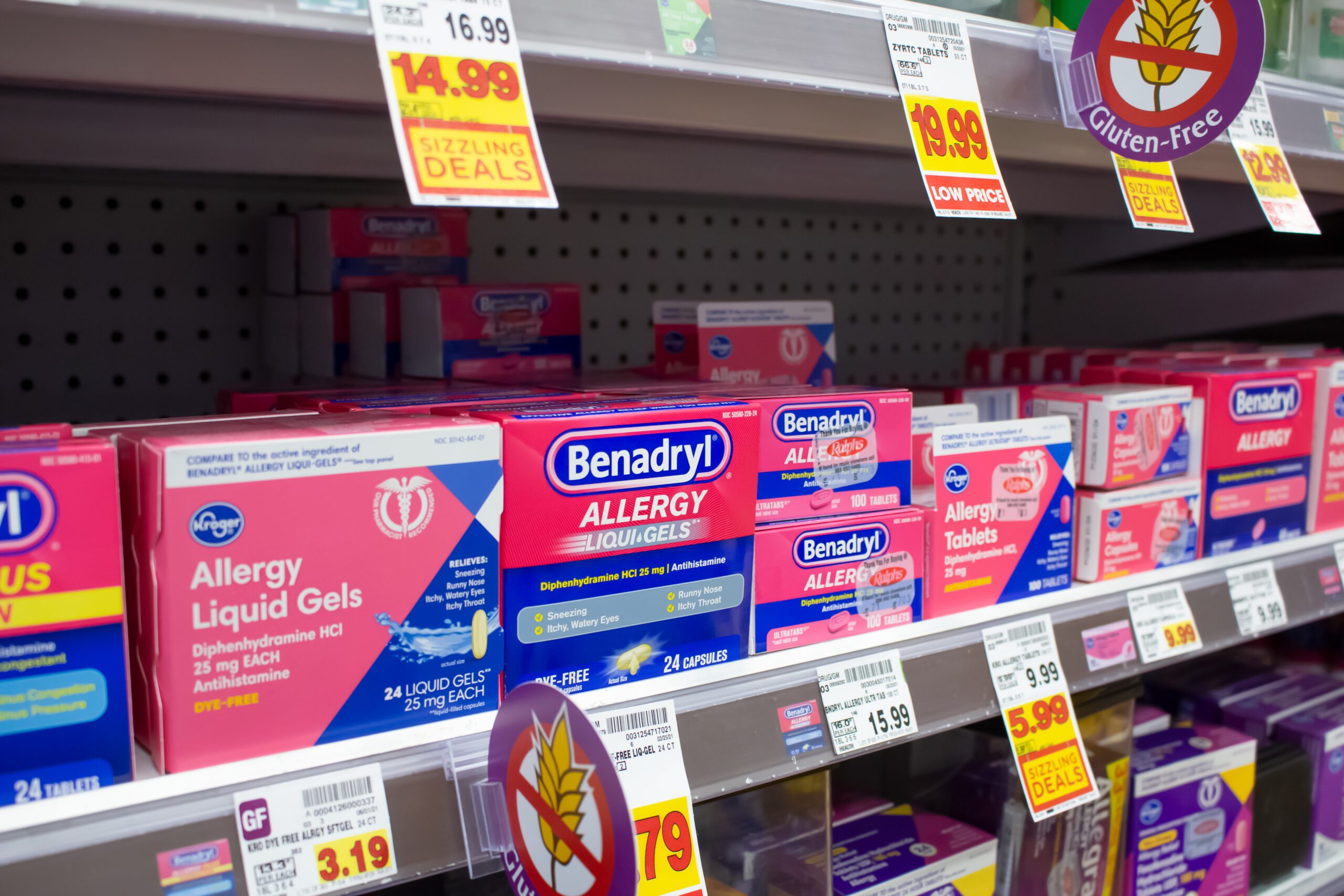
(Benadryl) can cause confusion, blurred vision, constipation, dry mouth and trouble urinating
3. Sleeping aids
such as Tylenol PM and Unisom that contain diphenhydramine can cause confusion, falls and last much longer than expected. Prescription sleeping drugs like Lunesta (eszopiclone), Sonata (zaleplon) and Ambien (zolpidem) are all to be avoided because the limited benefits don’t outweigh the risks. They are almost only meant to be taken for a short period of time (a couple of weeks at the most).
4. Benzodiazepines
such as Ativan, Xanax (alprazolam) and Valium (diazepam) because they increase the risk for falls and mental decline. They can also lead to confusion and last longer than expected.
4. Opioids
should be avoided in seniors with a history of falls or fractures.
The good news is that there are plenty of alternatives to the drugs listed in the Beers Criteria.
About my friend’s mother: She stopped the Ativan and, after waiting a week or more for it to clear her system, her depression lifted. With the depression gone, she could address the issues creating her anxiety and went on the trip. She’s fine now at 93 and grumbles about her daily Vitamin D pill, the only medicine she takes.
Pay attention to what drugs you take if you’re a senior or if you care for one. Check with the Beers Criteria and make sure that your doctor does too.

Want to Share Your Story?
If you’ve experienced side effects or medication issues related to this topic, we want to hear from you.
Submit Your Story- For Older People, Medications Are Common; Updated AGS Beers Criteria® Aims to Make Sure They’re Appropriate, Too. (2019, January 31). American Geriatrics Society.
- Medications & Older Adults. (n.d.). HealthInAging.org.
- Learn More: Alternatives for Medications Listed in the AGS Beers Criteria® for Potentially Inappropriate Medication Use in Older Adults. (n.d.). HealthInAging.org.
- Learn More: Ten Medications Older Adults Should Avoid or Use with Caution. (n.d.). HealthInAging.org.
DISCLAIMER: MedShadow provides information and resources related to medications, their effects, and potential side effects. However, it is important to note that we are not a substitute for professional medical advice, diagnosis, or treatment. The content on our site is intended for educational and informational purposes only. Individuals dealing with medical conditions or symptoms should seek guidance from a licensed healthcare professional, such as a physician or pharmacist, who can provide personalized medical advice tailored to their specific circumstances.
While we strive to ensure the accuracy and reliability of the information presented on MedShadow, we cannot guarantee its completeness or suitability for any particular individual’s medical needs. Therefore, we strongly encourage users to consult with qualified healthcare professionals regarding any health-related concerns or decisions. By accessing and using MedShadow, you acknowledge and agree that the information provided on the site is not a substitute for professional medical advice and that you should always consult with a qualified healthcare provider for any medical concerns.
RECOMMENDED:

DONATE:
Help fund our fight for improved medication safety and transparency by supporting our independent journalism.
Give NowWe seek to create a world where there are safer medications for all and where all people are fully informed about their medication benefits and side effects, using our explanatory and investigative journalism to both inform and stimulate public discussion to drive toward solutions.
WEBINARS
Stream our library on demand, including insights on generic drugs and pain management, straight from experts.
WATCH NOW