


Menu
 Shedding Light on the Risks
& Benefits of Medications
Shedding Light on the Risks
& Benefits of Medications
Shedding Light on the Risks
& Benefits of Medications ‘Do Your Own Research’ Has Been Hijacked
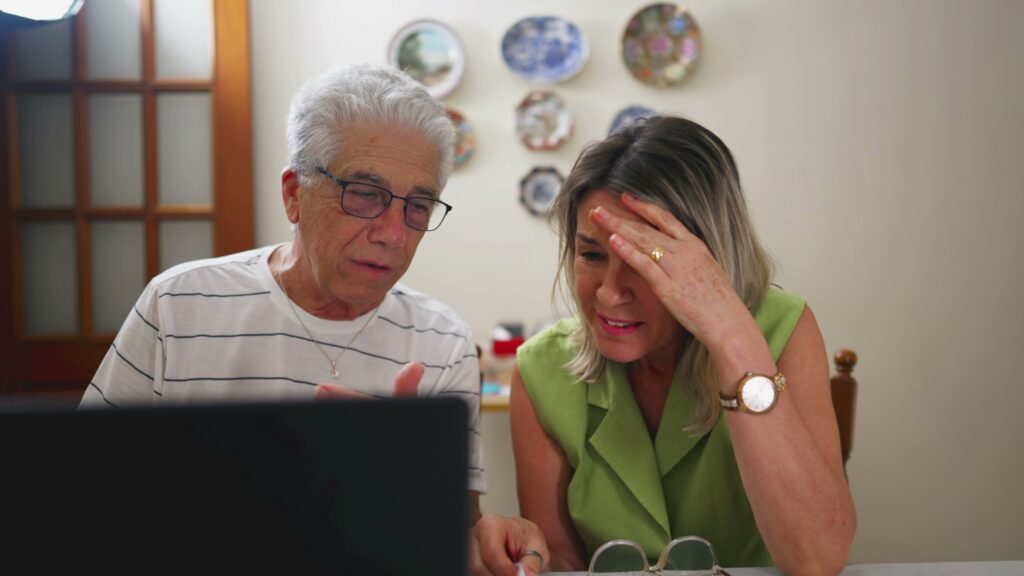
In medicine, “do your own research” sounds empowering, but too often, it becomes a shortcut to misinformation, fear, and false certainty
April 1, 2026
0 Comments
republish
FACT CHECKED
opinion
 republish this story
On this page
Robert Kennedy, Jr., the U.S. Health and Human Services Secretary, has encouraged parents to “do your own research” before vaccinating their children. In a live interview, he stated that there should be “shared decision making” between doctors and patients. When asked about vaccination safety, Kennedy said, “I would say that we live in a democracy, and part of the responsibility of being a parent is to do your own research. You research the baby stroller, you research the foods that they’re getting, and you need to research the medicines that they’re taking as well.”
The phrase “do your own research” has been used for years in various high-stakes, highly emotional medical controversies, from polio to measles, from COVID “cures” to vaccination policy. While the phrase sounds sensible and even benign, the reality is that it is often used to inject skepticism about scientific institutions, favoring instead personal experiences and sometimes outlandish assertions because “Hey, they might be true.”
As the founder of MedShadow, I fully support the spirit of “doing your own research,” but I am deeply concerned that this phrase has been hijacked, distorted, and even poisoned. I’m here to say I want this phrase back! “Doing your own research” can indeed be illuminating and empowering, but only if that research is done right.
At MedShadow, we show people how to do their own research effectively. We start with our reporting, which unpacks the details and context behind the science — who funded certain studies, the scientists’ credentials, clinical trial sizes, and how long a drug has been on the market. Our investigative reporters and editors examine the facts, nuance, and context. We do 360-degree reporting with a wide variety of researchers and doctors, and we challenge ourselves to listen with open minds and check our own biases. In our articles, we also coach people on the practical realities of our current healthcare system and how it affects their health, such as tracking side effects they may experience and preparing to ask their doctors specific, productive questions.
We do all this because we sincerely aim to give our readers as much information as possible. We know our readers crave both verification of facts and information about complementary healing options. We want to help them make educated decisions about their own health and the benefits and risks of any treatments. What’s more, we don’t accept money or advertising from pharmaceutical or supplement companies, so our content is free from influence and can genuinely hold these industries accountable.
Everyone has the right and responsibility to make health decisions for themselves and their loved ones, but doing your own research shouldn’t mean cherry-picking the information that lines up with your biases. Doing it effectively means that the results you gather and examine are comprehensive, thoughtfully vetted, and understood in full context. It’s a rigorous process, and it’s what the MedShadow team is devoted to doing on your behalf.
Want to Share Your Story?
If you’ve experienced side effects or medication issues related to this topic, we want to hear from you.
Submit Your Story- Lewis, R., PhD, & Lewis, R., PhD. (2024, November 25). The dangers of “Do your own research” and “Believe in science.” DNA Science.
- Stolberg, S. G., & Jewett, C. (2025, April 30). Kennedy advises new parents to ‘Do your own research’ on vaccines. The New York Times.
DISCLAIMER: MedShadow provides information and resources related to medications, their effects, and potential side effects. However, it is important to note that we are not a substitute for professional medical advice, diagnosis, or treatment. The content on our site is intended for educational and informational purposes only. Individuals dealing with medical conditions or symptoms should seek guidance from a licensed healthcare professional, such as a physician or pharmacist, who can provide personalized medical advice tailored to their specific circumstances.
While we strive to ensure the accuracy and reliability of the information presented on MedShadow, we cannot guarantee its completeness or suitability for any particular individual’s medical needs. Therefore, we strongly encourage users to consult with qualified healthcare professionals regarding any health-related concerns or decisions. By accessing and using MedShadow, you acknowledge and agree that the information provided on the site is not a substitute for professional medical advice and that you should always consult with a qualified healthcare provider for any medical concerns.
RECOMMENDED:
May 17, 2024
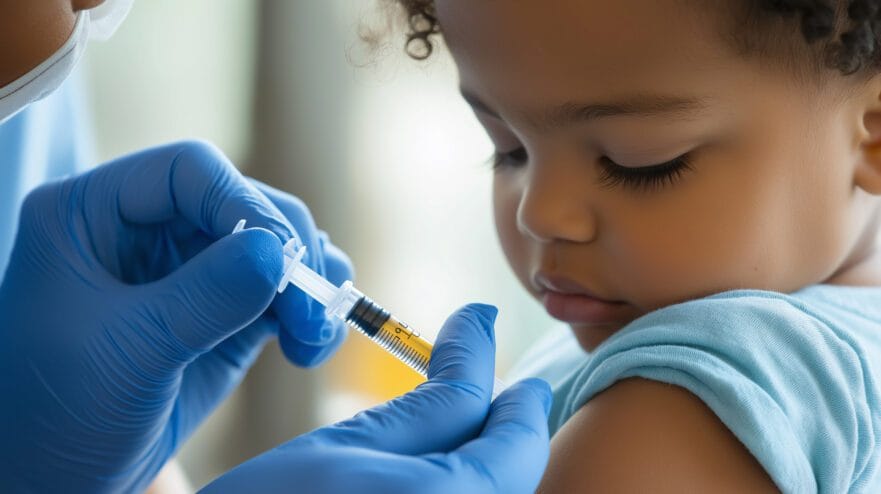
COVID-19 Vaccine Side Effect Tracker
DONATE:
Help fund our fight for improved medication safety and transparency by supporting our independent journalism.
Give NowWe seek to create a world where there are safer medications for all and where all people are fully informed about their medication benefits and side effects, using our explanatory and investigative journalism to both inform and stimulate public discussion to drive toward solutions.
