
Get the latest FDA updates on medication recalls, manufacturing violations, and quality concerns that could affect your prescriptions

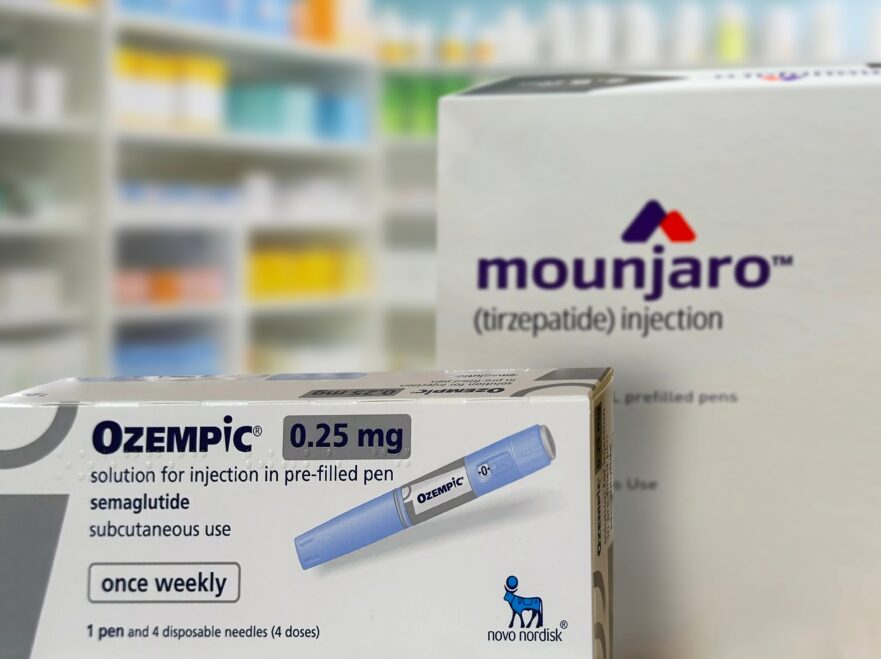
Welcome to the FDA Recalls and Warnings Update, a series dedicated to keeping you informed about the latest medication recalls, manufacturing violations, and quality concerns affecting your prescriptions. In this installment, we’re highlighting three recalls for compounded semaglutide and tirzepatide and one recall for the GLP-1 brand-name drug Wegovy (tirzepatide). Semaglutide is the active ingredient in Ozempic (for type 2 diabetes) and Wegovy (for weight loss). Tirzepatide is the active ingredient in Mounjaro (for type 2 diabetes) and Zepbound (for weight loss).
This installment also features two FDA warning letters directed at GLP-1 compounding pharmacies because of violations at their manufacturing facilities.
Compounding pharmacies prepare drugs tailored to the specific needs of individual patients or, in the case of outsourcing pharmacies, supply medications during a drug shortage. Although compounded drugs are not FDA approved, the pharmacies that make them must be licensed.
The pharmacies in the Drug Recalls section of this installment are “503A compounding pharmacies.” They are licensed by state boards of pharmacies but are not subject to FDA inspections or “current good manufacturing practice” (cGMP) standards. Instead, they must follow U.S. Pharmacopeia (USP) compounding quality standards. 503A pharmacies prepare custom prescriptions tailored to the needs of individual patients.
The pharmacies in the Facility Inspections Warning Letters section are FDA-registered “503B outsourcing facilities.” They operate under stricter oversight, must follow “current good manufacturing process” (cGMP), and use ingredients sourced from FDA-registered suppliers. These pharmacies are allowed to make large batches of drugs for distribution to healthcare facilities.
Pharmacies making or distributing compounded GLP-1s use active pharmaceutical ingredients (APIs) that often are not evaluated or inspected by the FDA. Many of these API manufacturers are based overseas.
Due to rising reports of fraudulent, tainted, or unsafe shipments of semaglutide and tirzepatide entering the U.S., the FDA has created a ‘green list’ of API manufacturers whose facilities meet its safety standards. APIs not on that list may be detained at the border under new import alert rules.
All of the recalls in this installment have been assigned a “Class II” level by the FDA (see below for definitions of types of recalls).
This report is prepared using the most recent information posted in the FDA’s Enforcement Reports Database (for recalls), Warning Letters Database (for warning letters), and Drug Imports Alerts Database (for drug importers subject to import bans). Not all new entries to the databases are included in this report. Selected entries are chosen based on the type of product and the potential safety impact of the recall or warning.
Recall announcements and warnings are simplified to improve clarity and accessibility. In some cases, additional sources such as company statements, FDA press releases, and industry publications may provide further details. The primary sources for this report include:
The Food and Drug Administration (FDA) categorizes product recalls in its Enforcement Report database based on the level of health risk, labeling them as Class I, II, III, or “not yet classified.”
While the database includes drugs, food, cosmetics, medical devices, biologics, tobacco, and veterinary products, this report only covers selected drug recalls.
Drug manufacturers, supplement companies, and medical device makers may receive a Warning Letter from the FDA if they commit serious violations of federal regulations. This letter comes from an overseeing FDA office, such as the Center for Drug Evaluation and Research. Common violations include poor manufacturing practices, false product claims, selling misbranded items, or marketing unapproved products. The letter gives the recipient a chance to correct the issues and requires a response, usually within 15 days.
FDA Import Alerts notify field staff and the public when the agency has enough evidence to detain products without physical examination (DWPE) due to suspected violations of FDA laws, including violations of “current good manufacturing practices for finished pharmaceuticals” or unapproved new drugs. The violations lists are arranged by type of violation, then by country and then by the importing company. In some cases, Import Alerts may be linked to Warning Letters for issues like manufacturing violations.
Company: Aequita Pharmacy (licensed compounding pharmacy)
Location: Kirkland, Washington
Scope: Over 2,000 multi-dose vials of injectable GLP-1 semaglutide/cyanocobalamin and tirzepatide/niacinamide combination products not yet expired. Strengths of the recalled semaglutide products range from .22 mg to 2.67 mg. Strengths of the recalled tirzepatide products range from 2.2 mg to 16.6 mg.
Drug Description: Treats type 2 diabetes and obesity; these formulations contain added vitamins
Recall Reason: A lack of processing controls. Lack of oversight in the compounding facility could impact medication sterility, dosage accuracy, and stability.
Essential Extras: Cyanocobalamin (Vitamin B12) and niacinamide (Vitamin B3) are sometimes added by compounding pharmacies to semaglutide or tirzepatide formulations. Some claim these vitamins help reduce side effects. Just as importantly, the addition of extra ingredients creates a formulation that differs from the branded products, which compounders may use as a legal justification to avoid producing an outright copy of a brand-name drug.
Recall Initiation Date: July 18, 2025
Link: FDA Enforcement Report
Company: Boothwyn Pharmacy, LLC (licensed compounding pharmacy)
Location: Kennett Square, Pennsylvania
Scope: Semaglutide, 2.5 mg/mL injection: .8 mL (186 vials), 2 mL (642 vials), 4 mL (648 vials)
Drug Description: Treats type 2 diabetes and obesity
Recall Reason: Subpotent drugs (which means they less than the specified amount of active ingredient)
Recall Initiation Date: July 9, 2025
Link: FDA Enforcement Report
Company: Thrive Health and Wellness, LLC, dba Thrive Health Solutions (Colorado)
Location: Englewood, Colorado
Scope: Semaglutide: 5 mg/mL (164 pre-filled syringes); Semaglutide/Cyanocobalamin: 5mg/1mg/mL, (28 pre-filled syringes); Tirzepatide/Cyanocobalamin: 15mg/0.5mg/0.5mL (242 pre-filled syringes), 15mg/1mg/mL (216 pre-filled syringes); Tirzepatide: 20mg/mL (826 pre-filled syringes); smaller quantities of other concentrations also recalled.
Drug Description: Treats type 2 diabetes and obesity; these formulations contain added vitamins
Recall Reason: Lack of assurance of sterility
Essential Extras: Thrive Health Solutions is a “whole body health clinic” (or medical spa), focused on weight loss and aesthetics. In a statement regarding the availability of compounded semaglutide and tirzepatide products, Thrive says it uses “FDA-licensed compounding pharmacy partners.” Cyanocobalamin (Vitamin B12) and niacinamide (Vitamin B3) are sometimes added by compounding pharmacies to semaglutide or tirzepatide formulations. Some claim these vitamins help reduce side effects. Just as importantly, the addition of extra ingredients creates a formulation that differs from the branded products, which compounders may use as a legal justification to avoid producing an outright copy of a brand-name drug.
Recall Initiation Date: May 21, 2025
Link: FDA Enforcement Report
Company: Cardinal Health (drug distributor)
Company Location: Dublin, Ohio
Manufacturing Location: Novo Nordisk, Bagsvaerd, Denmark
Scope: 2.4 mg/0.75 mL, 4 Single-Dose Prefilled Pens per Carton (48 cartons)
Drug Description: Weight loss treatment
Recall Reason: Product was not stored under labeled storage temperature requirements due to a shipping error involving a Cardinal Health distribution center. The product was removed from refrigerated storage for an extended period of time.
Recall Initiation Date: April 9, 2025
Link: FDA Enforcement Report
Type: Compounding pharmacy and FDA-registered outsourcing facility
FDA Department issuing Warning: Center for Drug Evaluation and Research (CDER)
Warning Letter Date: January 15, 2025
Facility Location: Exton, Pennsylvania
Inspection Dates: July 15, 2024, to August 2, 2024; Inspection report (Form FDA 483) sent August 2, 2024
FDA Warning: Drug products failed to meet the requirements of approved outsourcing facilities under Section 503B of the Federal Food, Drug, and Cosmetic Act (FD&C Act): Current good manufacturing practice (cGMP) violations resulted in adulterated drug products. Inspectors found compounded drug products used bulk drug substance from a source that is not an FDA-registered establishment. Product labels did not include the required information. Procedures for reporting adverse events were inadequate. Products intended or expected to be sterile were prepared, packed, or held under unsanitary conditions.
Types of Products Made: Compounded pharmaceutical products including vancomycin, semaglutide and tirzepatide.
Essential Extras: More than 15,000 vials of ProRx’s compounded semaglutide and tirzepatide products were recalled in August 2024 due to a lack of assurance of sterility.
Link: FDA Warning Letter
Read the warning letter for a complete description of violations.
Type: Compounding pharmacy and FDA-registered outsourcing facility
Warning Letter Date: April 8, 2025
FDA Department issuing Warning: Center for Drug Evaluation and Research (CDER)
Facility Location: Phoenix, Arizona
Inspection Dates: September 24, 2024, to October 10, 2024; Inspection report (Form FDA 483) sent October 10, 2024
FDA Warning: Drug products failed to meet the requirements of approved outsourcing facilities under Section 503B of the Federal Food, Drug, and Cosmetic Act (FD&C Act). Drug products, such as Semaglutide Injection and Tirzepatide Injection, did not include necessary statements on the labels. Violations of current good manufacturing practice (cGMP) resulted in adulterated products. Products intended or expected to be sterile were prepared, packed, or held under unsanitary conditions.
Essential Extras: Tailstorm initiated a voluntary recall of the drug bevacizumab in November 2024 due to concerns over sterility.
Types of Products Made: Pre-filled sterile injectable products and repackaged products, including single-dose liquid injectable vials
Link: FDA Warning Letter
Read the warning letter for a complete description of violations.
If you’ve experienced side effects or medication issues related to this topic, we want to hear from you.
Submit Your StoryDISCLAIMER: MedShadow provides information and resources related to medications, their effects, and potential side effects. However, it is important to note that we are not a substitute for professional medical advice, diagnosis, or treatment. The content on our site is intended for educational and informational purposes only. Individuals dealing with medical conditions or symptoms should seek guidance from a licensed healthcare professional, such as a physician or pharmacist, who can provide personalized medical advice tailored to their specific circumstances.
While we strive to ensure the accuracy and reliability of the information presented on MedShadow, we cannot guarantee its completeness or suitability for any particular individual’s medical needs. Therefore, we strongly encourage users to consult with qualified healthcare professionals regarding any health-related concerns or decisions. By accessing and using MedShadow, you acknowledge and agree that the information provided on the site is not a substitute for professional medical advice and that you should always consult with a qualified healthcare provider for any medical concerns.
Help fund our fight for improved medication safety and transparency by supporting our independent journalism.
Give NowIndependent, science-based health journalism. Free every Friday. No pharma funding.
We seek to create a world where there are safer medications for all and where all people are fully informed about their medication benefits and side effects, using our explanatory and investigative journalism to both inform and stimulate public discussion to drive toward solutions.
Stream our library on demand, including insights on generic drugs and pain management, straight from experts.
WATCH NOWMedShadow.org is dedicated to empowering people with our evidence-based journalism about the safest ways to take over-the-counter (OTC) and prescription (Rx) medications.
We also seek to stimulate public discussion about potential improvements to drug research, manufacturing and distribution processes. and also to encourage the improvement of processes to ensure that we are all better protected.
As a result, we encourage other nonprofit newsrooms, mission-aligned outlets, and advocacy organizations to republish our original content under the following conditions:
1. We Are Credited Fully and Clearly
You must include the byline and credit MedShadow.org as the original publisher. Please include a link to the original article at the top or bottom of the piece. Use the following attribution:
This article was originally published by MedShadow, a nonprofit foundation that focuses on the safest ways to take over-the-counter and prescription medications.
2. Our Content Isn’t Edited Without Permission
You may make small changes for clarity, such as adjusting headlines, subheadings, or transitions, but you may not change the core meaning, tone, or intent of the article. For substantive edits, email us at republish@medshadow.org for review and approval.
3. You Do Not Sell Or Use Our Content Commercially
Our work is free to share, but it may not be sold, monetized, or repurposed for commercial gain. You may not republish our articles behind a paywall or in publications whose primary purpose is advertising or product promotion. You may not place drug or supplement advertising adjacent to our story.
4. Photos, Graphics, and Multimedia Are Not Used Without Permission
Only the text of the article is available for republication. Images, graphics, and videos may not be reused without explicit written permission, unless they are clearly marked as Creative Commons licensed. Contact us if you’d like to request reuse of a visual asset.
If you’re unsure whether your intended use falls within these guidelines, or would like to discuss a formal syndication or licensing arrangement, please email: republish@medshadow.org
We want our journalism to reach as many people as possible, especially those making critical decisions about medications and health.
For website editors
Copy the article body, including its formatting and links, then paste it into your publishing system. Add the byline and required credit described in these guidelines.
<!-- wp:paragraph -->
<p>Welcome to the FDA Recalls and Warnings Update, a series dedicated to keeping you informed about the latest medication recalls, manufacturing violations, and quality concerns affecting your prescriptions. In this installment, we’re highlighting three recalls for compounded semaglutide and tirzepatide and one recall for the GLP-1 brand-name drug Wegovy (tirzepatide). Semaglutide is the active ingredient in <a href="https://medshadow.org/real-people-ozempic-side-effect-stories/" target="_blank" rel="noreferrer noopener">Ozempic</a> (for type 2 diabetes) and Wegovy (for weight loss). Tirzepatide is the active ingredient in Mounjaro (for type 2 diabetes) and Zepbound (for weight loss).</p>
<!-- /wp:paragraph -->
<!-- wp:paragraph -->
<p>This installment also features two FDA warning letters directed at GLP-1 compounding pharmacies because of violations at their manufacturing facilities.</p>
<!-- /wp:paragraph -->
<!-- wp:heading -->
<h2 class="wp-block-heading">What You Need to Know About Compounding Pharmacies</h2>
<!-- /wp:heading -->
<!-- wp:paragraph -->
<p>Compounding pharmacies prepare drugs tailored to the specific needs of individual patients or, in the case of outsourcing pharmacies, supply medications during a drug shortage. Although compounded drugs are not FDA approved, the pharmacies that make them must be licensed.</p>
<!-- /wp:paragraph -->
<!-- wp:paragraph -->
<p>The pharmacies in the Drug Recalls section of this installment are “503A compounding pharmacies.” They are licensed by state boards of pharmacies but are not subject to FDA inspections or “current good manufacturing practice” (cGMP) standards. Instead, they must follow U.S. Pharmacopeia (<a href="https://www.usp.org/compounding/legal-considerations" target="_blank" rel="noreferrer noopener">USP) compounding quality standards</a>. 503A pharmacies prepare custom prescriptions tailored to the needs of individual patients.</p>
<!-- /wp:paragraph -->
<!-- wp:paragraph -->
<p>The pharmacies in the Facility Inspections Warning Letters section are FDA-registered “503B outsourcing facilities.” They operate under stricter oversight, must follow “current good manufacturing process” (cGMP), and use ingredients sourced from FDA-registered suppliers. These pharmacies are allowed to make large batches of drugs for distribution to healthcare facilities.</p>
<!-- /wp:paragraph -->
<!-- wp:paragraph -->
<p>Pharmacies making or distributing compounded GLP-1s use active pharmaceutical ingredients (APIs) that often are not evaluated or inspected by the FDA. Many of these API manufacturers are based overseas.</p>
<!-- /wp:paragraph -->
<!-- wp:paragraph -->
<p>Due to rising reports of fraudulent, tainted, or unsafe shipments of semaglutide and tirzepatide entering the U.S., the FDA has created a ‘<a href="https://www.fda.gov/news-events/press-announcements/fda-launches-green-list-protect-americans-illegal-imported-glp-1-drug-ingredients" target="_blank" rel="noreferrer noopener">green list</a>’ of API manufacturers whose facilities meet its safety standards. APIs not on that list may be detained at the border under new import alert rules.</p>
<!-- /wp:paragraph -->
<!-- wp:paragraph -->
<p>All of the recalls in this installment have been assigned a “Class II” level by the FDA (see below for definitions of types of recalls).</p>
<!-- /wp:paragraph -->
<!-- wp:lightweight-accordion/lightweight-accordion {"title":"How to Read This Report"} -->
<!-- wp:paragraph -->
<p>This report is prepared using the most recent information posted in the<a href="https://www.accessdata.fda.gov/scripts/ires/index.cfm" target="_blank" rel="noreferrer noopener"> FDA’s Enforcement Reports Database</a> (for recalls), <a href="https://www.fda.gov/inspections-compliance-enforcement-and-criminal-investigations/compliance-actions-and-activities/warning-letters" target="_blank" rel="noreferrer noopener">Warning Letters Database</a> (for warning letters), and<a href="https://www.fda.gov/industry/actions-enforcement/import-alerts" target="_blank" rel="noreferrer noopener"> Drug Imports Alerts Database</a> (for drug importers subject to import bans). Not all new entries to the databases are included in this report. Selected entries are chosen based on the type of product and the potential safety impact of the recall or warning.</p>
<!-- /wp:paragraph -->
<!-- wp:paragraph -->
<p>Recall announcements and warnings are simplified to improve clarity and accessibility. In some cases, additional sources such as company statements, FDA press releases, and industry publications may provide further details. The primary sources for this report include:</p>
<!-- /wp:paragraph -->
<!-- wp:heading {"level":3} -->
<h3 class="wp-block-heading">Recalls (Enforcement Reports Database)</h3>
<!-- /wp:heading -->
<!-- wp:paragraph -->
<p>The Food and Drug Administration (FDA) categorizes product recalls in its Enforcement Report database based on the level of health risk, labeling them as Class I, II, III, or “not yet classified.”</p>
<!-- /wp:paragraph -->
<!-- wp:paragraph -->
<p>While the database includes drugs, food, cosmetics, medical devices, biologics, tobacco, and veterinary products, this report only covers selected drug recalls.</p>
<!-- /wp:paragraph -->
<!-- wp:list -->
<ul class="wp-block-list"><!-- wp:list-item -->
<li>Class I recalls are the most serious. In these situations, there is “reasonable probability that the use of or exposure to a product will cause serious adverse health consequences or death.”</li>
<!-- /wp:list-item -->
<!-- wp:list-item -->
<li>Class II recalls are for drugs that may cause temporary or medically reversible adverse health consequences or where use of the product is unlikely to result in serious adverse health consequences.</li>
<!-- /wp:list-item -->
<!-- wp:list-item -->
<li>Class III recalls are the least serious. Use of the product is not likely to cause adverse health consequences.</li>
<!-- /wp:list-item --></ul>
<!-- /wp:list -->
<!-- wp:heading {"level":3} -->
<h3 class="wp-block-heading">Warning Letters (Warning Letters Database)</h3>
<!-- /wp:heading -->
<!-- wp:paragraph -->
<p>Drug manufacturers, supplement companies, and medical device makers may receive a Warning Letter from the FDA if they commit serious violations of federal regulations. This letter comes from an overseeing FDA office, such as the Center for Drug Evaluation and Research. Common violations include poor manufacturing practices, false product claims, selling misbranded items, or marketing unapproved products. The letter gives the recipient a chance to correct the issues and requires a response, usually within 15 days.</p>
<!-- /wp:paragraph -->
<!-- wp:heading {"level":3} -->
<h3 class="wp-block-heading">Drug Imports Alerts Database</h3>
<!-- /wp:heading -->
<!-- wp:paragraph -->
<p>FDA Import Alerts notify field staff and the public when the agency has enough evidence to detain products without physical examination (DWPE) due to suspected violations of <a href="https://www.ecfr.gov/current/title-21/chapter-I/subchapter-C/part-211" target="_blank" rel="noreferrer noopener">FDA laws</a>, including violations of “current good manufacturing practices for finished pharmaceuticals” or <a href="https://www.ecfr.gov/current/title-21/chapter-I/subchapter-A/part-99" target="_blank" rel="noreferrer noopener">unapproved new drugs</a>. The violations lists are arranged by type of violation, then by country and then by the importing company. In some cases, Import Alerts may be linked to Warning Letters for issues like manufacturing violations.</p>
<!-- /wp:paragraph -->
<!-- /wp:lightweight-accordion/lightweight-accordion -->
<!-- wp:heading -->
<h2 class="wp-block-heading">Drug Recalls</h2>
<!-- /wp:heading -->
<!-- wp:heading {"level":3} -->
<h3 class="wp-block-heading">Semaglutide/Cyanocobalamin and Tirzepatide/Niacinamide</h3>
<!-- /wp:heading -->
<!-- wp:paragraph -->
<p><strong>Company</strong>: Aequita Pharmacy (licensed compounding pharmacy)<br><strong>Location</strong>: Kirkland, Washington<br><strong>Scope</strong>: Over 2,000 multi-dose vials of injectable GLP-1 semaglutide/cyanocobalamin and tirzepatide/niacinamide combination products not yet expired. Strengths of the recalled semaglutide products range from .22 mg to 2.67 mg. Strengths of the recalled tirzepatide products range from 2.2 mg to 16.6 mg.<br><strong>Drug Description</strong>: Treats type 2 diabetes and obesity; these formulations contain added vitamins<br><strong>Recall Reason</strong>: A lack of processing controls. Lack of oversight in the compounding facility could impact medication sterility, dosage accuracy, and stability.<br><strong>Essential Extras</strong>: Cyanocobalamin (Vitamin B12) and niacinamide (Vitamin B3) are sometimes added by compounding pharmacies to semaglutide or tirzepatide formulations. Some claim these vitamins help reduce side effects. Just as importantly, the addition of extra ingredients creates a formulation that differs from the branded products, which compounders may use as a legal justification to avoid producing an outright copy of a brand-name drug.<br><strong>Recall Initiation Date</strong>: July 18, 2025<br><strong>Link</strong>: <a href="https://www.accessdata.fda.gov/scripts/ires/index.cfm?Event=97292" target="_blank" rel="noreferrer noopener">FDA Enforcement Report</a></p>
<!-- /wp:paragraph -->
<!-- wp:heading {"level":3} -->
<h3 class="wp-block-heading">Semaglutide</h3>
<!-- /wp:heading -->
<!-- wp:paragraph -->
<p><strong>Company</strong>: Boothwyn Pharmacy, LLC (licensed compounding pharmacy)<br><strong>Location</strong>: Kennett Square, Pennsylvania<br><strong>Scope</strong>: Semaglutide, 2.5 mg/mL injection: .8 mL (186 vials), 2 mL (642 vials), 4 mL (648 vials)<br><strong>Drug Description</strong>: Treats type 2 diabetes and obesity<br><strong>Recall Reason</strong>: Subpotent drugs (which means they less than the specified amount of active ingredient)<br><strong>Recall Initiation Date:</strong> July 9, 2025<br><strong>Link</strong>: <a href="https://www.accessdata.fda.gov/scripts/ires/index.cfm?Event=97202" target="_blank" rel="noreferrer noopener">FDA Enforcement Report</a></p>
<!-- /wp:paragraph -->
<!-- wp:heading {"level":3} -->
<h3 class="wp-block-heading">Semaglutide, Semaglutide/Cyanocobalamin, Tirzepatide, Tirzepatide/Cyanocobalamin</h3>
<!-- /wp:heading -->
<!-- wp:paragraph -->
<p><strong>Company</strong>: Thrive Health and Wellness, LLC, dba Thrive Health Solutions (Colorado)<br><strong>Location</strong>: Englewood, Colorado<br><strong>Scope</strong>: Semaglutide: 5 mg/mL (164 pre-filled syringes); Semaglutide/Cyanocobalamin: 5mg/1mg/mL, (28 pre-filled syringes); Tirzepatide/Cyanocobalamin: 15mg/0.5mg/0.5mL (242 pre-filled syringes), 15mg/1mg/mL (216 pre-filled syringes); Tirzepatide: 20mg/mL (826 pre-filled syringes); smaller quantities of other concentrations also recalled.<br><strong>Drug Description</strong>: Treats type 2 diabetes and obesity; these formulations contain added vitamins<br><strong>Recall Reason</strong>: Lack of assurance of sterility<br><strong>Essential Extras</strong>: Thrive Health Solutions is a “whole body health clinic” (or medical spa), focused on weight loss and aesthetics. In a statement regarding the availability of compounded semaglutide and tirzepatide products, Thrive says it uses “FDA-licensed compounding pharmacy partners.” Cyanocobalamin (Vitamin B12) and niacinamide (Vitamin B3) are sometimes added by compounding pharmacies to semaglutide or tirzepatide formulations. Some claim these vitamins help reduce side effects. Just as importantly, the addition of extra ingredients creates a formulation that differs from the branded products, which compounders may use as a legal justification to avoid producing an outright copy of a brand-name drug.<br><strong>Recall Initiation Date</strong>: May 21, 2025<br><strong>Link</strong>: <a href="https://www.accessdata.fda.gov/scripts/ires/index.cfm?Event=96742" target="_blank" rel="noreferrer noopener">FDA Enforcement Report</a></p>
<!-- /wp:paragraph -->
<!-- wp:heading {"level":3} -->
<h3 class="wp-block-heading">Wegovy (semaglutide)</h3>
<!-- /wp:heading -->
<!-- wp:paragraph -->
<p><strong>Company</strong>: Cardinal Health (drug distributor)<br><strong>Company Location</strong>: Dublin, Ohio<br><strong>Manufacturing Location</strong>: Novo Nordisk, Bagsvaerd, Denmark<br><strong>Scope</strong>: 2.4 mg/0.75 mL, 4 Single-Dose Prefilled Pens per Carton (48 cartons)<br><strong>Drug Description</strong>: Weight loss treatment<br><strong>Recall Reason</strong>: Product was not stored under labeled storage temperature requirements due to a shipping error involving a Cardinal Health distribution center. The product was removed from refrigerated storage for an extended period of time.<br><strong>Recall Initiation Date</strong>: April 9, 2025<br><strong>Link</strong>: <a href="https://www.accessdata.fda.gov/scripts/ires/index.cfm?Event=96637" target="_blank" rel="noreferrer noopener">FDA Enforcement Report</a></p>
<!-- /wp:paragraph -->
<!-- wp:heading -->
<h2 class="wp-block-heading">Facility Inspections – FDA Warning Letters</h2>
<!-- /wp:heading -->
<!-- wp:heading {"level":3} -->
<h3 class="wp-block-heading">ProRx, LLC</h3>
<!-- /wp:heading -->
<!-- wp:paragraph -->
<p><strong>Type</strong>: Compounding pharmacy and <a href="https://www.fda.gov/drugs/human-drug-compounding/registered-outsourcing-facilities" target="_blank" rel="noreferrer noopener">FDA-registered outsourcing facility</a><br><strong>FDA Department issuing Warning</strong>: Center for Drug Evaluation and Research (CDER)<br><strong>Warning Letter Date</strong>: January 15, 2025<br><strong>Facility Location</strong>: Exton, Pennsylvania<br><strong>Inspection Dates</strong>: July 15, 2024, to August 2, 2024; Inspection report (Form FDA 483) sent August 2, 2024<br><strong>FDA Warning</strong>: Drug products failed to meet the requirements of approved outsourcing facilities under Section 503B of the Federal Food, Drug, and Cosmetic Act (FD&C Act): Current good manufacturing practice (cGMP) violations resulted in adulterated drug products. Inspectors found compounded drug products used bulk drug substance from a source that is not an FDA-registered establishment. Product labels did not include the required information. Procedures for reporting adverse events were inadequate. Products intended or expected to be sterile were prepared, packed, or held under unsanitary conditions.<br><strong>Types of Products Made</strong>: Compounded pharmaceutical products including vancomycin, semaglutide and tirzepatide.<br>Essential Extras: More than 15,000 vials of ProRx’s compounded semaglutide and tirzepatide products were <a href="https://www.accessdata.fda.gov/scripts/ires/index.cfm?Event=95190" target="_blank" rel="noreferrer noopener">recalled in August 2024</a> due to a lack of assurance of sterility.<br><strong>Link</strong>: <a href="https://www.fda.gov/inspections-compliance-enforcement-and-criminal-investigations/warning-letters/prorx-llc-696742-03042025" target="_blank" rel="noreferrer noopener">FDA Warning Letter</a><br>Read the warning letter for a complete description of violations.</p>
<!-- /wp:paragraph -->
<!-- wp:heading {"level":3} -->
<h3 class="wp-block-heading">Company: Tailstorm Health Inc., doing business as Medivant Health</h3>
<!-- /wp:heading -->
<!-- wp:paragraph -->
<p><strong>Type</strong>: Compounding pharmacy and <a href="https://www.fda.gov/drugs/human-drug-compounding/registered-outsourcing-facilities" target="_blank" rel="noreferrer noopener">FDA-registered outsourcing facility</a><br><strong>Warning Letter Date</strong>: April 8, 2025<br><strong>FDA Department issuing Warning</strong>: Center for Drug Evaluation and Research (CDER)<br><strong>Facility Location</strong>: Phoenix, Arizona<br><strong>Inspection Dates</strong>: September 24, 2024, to October 10, 2024; Inspection report (Form FDA 483) sent October 10, 2024<br><strong>FDA Warning</strong>: Drug products failed to meet the requirements of approved outsourcing facilities under Section 503B of the Federal Food, Drug, and Cosmetic Act (FD&C Act). Drug products, such as Semaglutide Injection and Tirzepatide Injection, did not include necessary statements on the labels. Violations of current good manufacturing practice (cGMP) resulted in adulterated products. Products intended or expected to be sterile were prepared, packed, or held under unsanitary conditions.<br><strong>Essential Extras</strong>: Tailstorm initiated a voluntary recall of the drug bevacizumab in November 2024 due to concerns over sterility.<br><strong>Types of Products Made</strong>: Pre-filled sterile injectable products and repackaged products, including single-dose liquid injectable vials<br><strong>Link</strong>: <a href="https://www.fda.gov/inspections-compliance-enforcement-and-criminal-investigations/warning-letters/tailstorm-health-inc-dba-medivant-health-703497-04082025" target="_blank" rel="noreferrer noopener">FDA Warning Letter<br></a>Read the warning letter for a complete description of violations.</p>
<!-- /wp:paragraph -->We think it’s invaluable — and hope you agree. Our work is made possible by donations from readers like you.
We think it’s invaluable — and hope you agree. Our journalism is made possible by donations from readers like you.
As a nonprofit, we don’t take a dime from pharmaceutical or supplement companies. That means we can report on the benefits, risks, and alternatives to prescription and over-the-counter drugs free from corporate pressure or influence.
No comments yet. Be the first to comment!
We've noticed that you're interested in this topic. Would you read a dedicated newsletter about it?