Photo: Shutterstock
As patients sue the makers of Ozempic, Wegovy and Mounjaro, doctors explain what the research really shows about the risks

Photo: Shutterstock
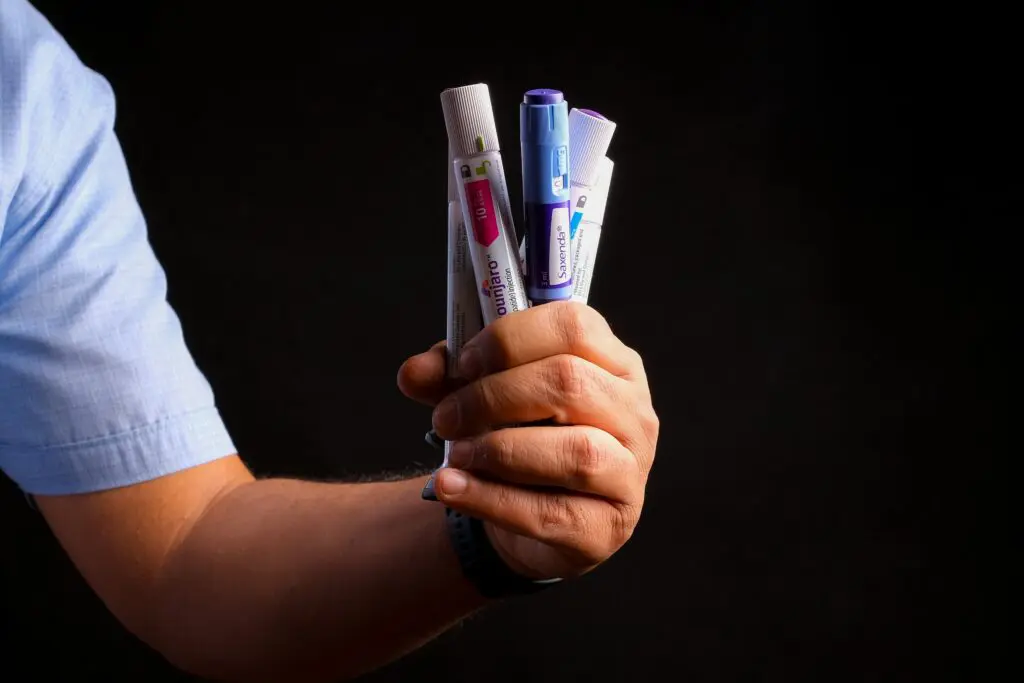
The makers of popular GLP-1 drugs like Ozempic and Mounjaro are facing lawsuits from people who allege the medications caused vision loss and other serious injuries, and they weren’t adequately warned of the potential risks.
One group of lawsuits focuses on a sudden, often permanent, diminished vision called nonarteritic anterior ischemic optic neuropathy, or NAION.
The complaints allege that Eli Lilly and Novo Nordisk, the drug manufacturers, knew or should have known about a potentially increased risk of NAION and failed to adequately warn patients and healthcare providers. Although the drugs’ U.S. prescribing information describes several serious risks, it does not specifically warn about NAION.
“My understanding from the research is we still don’t know if it actually increases the risk, really,” says Nate Wood, M.D., assistant professor of medicine and founding director of culinary medicine at the Yale School of Medicine.
However, some research has raised concerns about a possible association. In 2025, the European Medicines Agency concluded that NAION is a very rare side effect of semaglutide, estimating one case of NAION per 10,000 patients per year. A 2024 study in JAMA Ophthalmology also found higher rates of NAION among people with diabetes taking semaglutide compared with those taking other medications for diabetes or weight management. However, because the study was observational, it could not establish that semaglutide caused the condition.
Following the JAMA study’s publication, the American Academy of Ophthalmology and the North American Neuro-Ophthalmology Society issued a joint statement clarifying its limitations, saying, in part: “This is not the type of study that can show the treatment caused NAION.” For now, they do not recommend that patients stop taking their GLP-1 medications.
Not all studies have found an increased risk. A 2025 study published in JAMA Network Open involving more than 370,000 people with type 2 diabetes found no statistically significant difference in NAION risk between those taking GLP-1 medications and those who weren’t.
Independent reporting on drug recalls, medication safety and integrative health, including supplements. No pharma funding.
Despite the conflicting findings, regulators in the UK, European Union, Australia and Japan have recommended label updates to warn patients of a potential association.
It’s still not fully clear what triggers NAION, which typically presents in only one eye. The condition causes vision loss when blood flow to part of the optic nerve is reduced. Some people have a smaller opening at the back of the eye where the optic nerve passes through, which may make them more susceptible to the condition.
A small injury might trigger a cascade of events that leads to NAION, but researchers still don’t know what causes that initial injury, although several theories exist, says Dr. Wood. GLP-1 medications may play a role, but changes in weight, blood pressure, hydration, or nutrition associated with their use could also influence the risk of developing NAION. Or something else entirely could be responsible.
Other lawsuits allege that people taking GLP-1 medications were not adequately warned about the risk of pancreatitis or gastrointestinal injury. However, these risks are clearly described in the drugs’ prescribing information and should ideally be part of a conversation with a doctor, especially for people with underlying risk.
The potential for developing pancreatitis from a GLP-1 is extremely small, says Dr. Wood. While some large studies have found no significant increase in risk compared with patients who don’t take the drugs, a 2025 analysis of 62 clinical trials involving more than 66,000 patients did find a statistically significant increase in pancreatitis among GLP-1 users — although the association was no longer significant when researchers accounted for whether people were taking other medications.
The likelihood of gastrointestinal complications, meanwhile, is well known and often discussed before the drug is prescribed. It’s also why doses are scheduled to escalate slowly, to reduce the risk of a bowel obstruction or stomach paralysis.
A Gallup survey conducted in May and June found that about 11% of U.S. adults currently take GLP-1s for weight loss, and roughly 15% have used them at some point.
Many people get them through a trusted physician, with close supervision and medications made by pharmaceutical companies. However, a meaningful share get the drugs through telehealth prescriptions or from compounding pharmacies, which are not subject to the same level of regulatory oversight.
Dr. Wood says he works carefully with each patient to slowly escalate the dose of any prescribed GLP-1, monitor for potential issues, and personalize the treatment plan to the patient’s underlying medical conditions.
“I think if you’re getting these medications through a third party or through one of these for-profit online telehealth companies, [it’s likely they could be] up-titrating the meds very quickly to get you to lose weight,” he says, which could create additional risks.
As of late 2026, the federal litigation against Novo Nordisk and Eli Lilly is centralized in the U.S. District Court for the Eastern District of Pennsylvania, in two separate multidistrict litigations: one covering gastrointestinal injury and pancreatitis, the other covering vision loss.
In a statement, Eli Lilly said, “Patient safety is Lilly’s top priority. We actively monitor, evaluate, and report safety information for all our medicines to the FDA. As part of our routine safety review process, we have ongoing discussions with regulators regarding potential safety topics, and we will continue to review data, including any data regarding ophthalmic or GI issues. If anyone is experiencing side effects when taking a Lilly medicine, they should talk to their doctor or other healthcare professional.”
Novo Nordisk did not respond to MedShadow’s request for comment.
DISCLAIMER: MedShadow provides information and resources related to medications, their effects, and potential side effects. However, it is important to note that we are not a substitute for professional medical advice, diagnosis, or treatment. The content on our site is intended for educational and informational purposes only. Individuals dealing with medical conditions or symptoms should seek guidance from a licensed healthcare professional, such as a physician or pharmacist, who can provide personalized medical advice tailored to their specific circumstances.
While we strive to ensure the accuracy and reliability of the information presented on MedShadow, we cannot guarantee its completeness or suitability for any particular individual’s medical needs. Therefore, we strongly encourage users to consult with qualified healthcare professionals regarding any health-related concerns or decisions. By accessing and using MedShadow, you acknowledge and agree that the information provided on the site is not a substitute for professional medical advice and that you should always consult with a qualified healthcare provider for any medical concerns.
Help fund our fight for improved medication safety and transparency by supporting our independent journalism.
Give NowWe seek to create a world where there are safer medications for all and where all people are fully informed about their medication benefits and side effects, using our explanatory and investigative journalism to both inform and stimulate public discussion to drive toward solutions.
MedShadow.org is dedicated to empowering people with our evidence-based journalism about the safest ways to take over-the-counter (OTC) and prescription (Rx) medications.
We also seek to stimulate public discussion about potential improvements to drug research, manufacturing and distribution processes. and also to encourage the improvement of processes to ensure that we are all better protected.
As a result, we encourage other nonprofit newsrooms, mission-aligned outlets, and advocacy organizations to republish our original content under the following conditions:
1. We Are Credited Fully and Clearly
You must include the byline and credit MedShadow.org as the original publisher. Please include a link to the original article at the top or bottom of the piece. Use the following attribution:
This article was originally published by MedShadow, a nonprofit foundation that focuses on the safest ways to take over-the-counter and prescription medications.
2. Our Content Isn’t Edited Without Permission
You may make small changes for clarity, such as adjusting headlines, subheadings, or transitions, but you may not change the core meaning, tone, or intent of the article. For substantive edits, email us at republish@medshadow.org for review and approval.
3. You Do Not Sell Or Use Our Content Commercially
Our work is free to share, but it may not be sold, monetized, or repurposed for commercial gain. You may not republish our articles behind a paywall or in publications whose primary purpose is advertising or product promotion. You may not place drug or supplement advertising adjacent to our story.
4. Photos, Graphics, and Multimedia Are Not Used Without Permission
Only the text of the article is available for republication. Images, graphics, and videos may not be reused without explicit written permission, unless they are clearly marked as Creative Commons licensed. Contact us if you’d like to request reuse of a visual asset.
If you’re unsure whether your intended use falls within these guidelines, or would like to discuss a formal syndication or licensing arrangement, please email: republish@medshadow.org
We want our journalism to reach as many people as possible, especially those making critical decisions about medications and health.
For website editors
Copy the article body, including its formatting and links, then paste it into your publishing system. Add the byline and required credit described in these guidelines.
<!-- wp:paragraph --> <p>The makers of popular GLP-1 drugs like Ozempic and Mounjaro are facing lawsuits from people who allege the medications caused vision loss and other serious injuries, and they weren’t adequately warned of the potential risks.</p> <!-- /wp:paragraph --> <!-- wp:heading --> <h2 class="wp-block-heading">Can GLP-1 Drugs Cause Vision Loss?</h2> <!-- /wp:heading --> <!-- wp:paragraph --> <p>One <a href="https://www.govinfo.gov/content/pkg/USCOURTS-jpml-1_25-F-03163/pdf/USCOURTS-jpml-1_25-F-03163-0.pdf">group of lawsuits</a> focuses on a sudden, often permanent, diminished vision called <a href="https://www.ncbi.nlm.nih.gov/books/NBK559045/">nonarteritic anterior ischemic optic neuropathy</a>, or NAION.</p> <!-- /wp:paragraph --> <!-- wp:paragraph --> <p>The complaints allege that Eli Lilly and Novo Nordisk, the drug manufacturers, knew or should have known about a potentially increased risk of NAION <a href="https://trace.law/monitor/cases/ousler-iii-v-eli-lilly-company-07b9f4a413c9007e">and failed to adequately warn patients</a> and healthcare providers. Although the drugs' U.S. prescribing information describes several serious risks, it does not specifically warn about NAION.</p> <!-- /wp:paragraph --> <!-- wp:paragraph --> <p>“My understanding from the research is we still don’t know if it actually increases the risk, really,” says <a href="https://medicine.yale.edu/profile/nathan-wood/">Nate Wood, M.D</a>., assistant professor of medicine and founding director of culinary medicine at the Yale School of Medicine.</p> <!-- /wp:paragraph --> <!-- wp:paragraph --> <p>However, some research has raised concerns about a possible association. In 2025, the European Medicines Agency concluded that NAION <a href="https://www.ema.europa.eu/en/news/prac-concludes-eye-condition-naion-very-rare-side-effect-semaglutide-medicines-ozempic-rybelsus-wegovy">is a very rare side effect of semaglutide</a>, estimating one case of NAION per 10,000 patients per year. A 2024 study in <a href="https://jamanetwork.com/journals/jamaophthalmology/fullarticle/2820255"><em>JAMA Ophthalmology</em></a> also found higher rates of NAION among people with diabetes taking <a href="https://medshadow.org/conditions-treatments/digestive-health/how-semaglutide-affects-your-digestive-system/">semaglutide</a> compared with those taking other medications for diabetes or weight management. However, because the study was observational, it could not establish that semaglutide caused the condition.</p> <!-- /wp:paragraph --> <!-- wp:paragraph --> <p>Following the <em>JAMA</em> study's publication, the American Academy of Ophthalmology and the North American Neuro-Ophthalmology Society <a href="https://www.aao.org/newsroom/news-releases/detail/weight-loss-drug-and-eye-health">issued a joint statement</a> clarifying its limitations, saying, in part: “This is not the type of study that can show the treatment caused NAION.” For now, they do not recommend that patients stop taking their GLP-1 medications.</p> <!-- /wp:paragraph --> <!-- wp:paragraph --> <p>Not all studies have found an increased risk. A 2025 study published in <em>JAMA Network Open</em> involving more than 370,000 people with type 2 diabetes <a href="https://jamanetwork.com/journals/jamanetworkopen/fullarticle/2837378">found no statistically significant difference in NAION risk</a> between those taking GLP-1 medications and those who weren’t. </p> <!-- /wp:paragraph --> <!-- wp:paragraph --> <p>Despite the conflicting findings, regulators in the UK, European Union, Australia and Japan have recommended label updates to warn patients of a potential association.</p> <!-- /wp:paragraph --> <!-- wp:heading --> <h2 class="wp-block-heading">What Causes NAION, and Could GLP-1s Play a Role?</h2> <!-- /wp:heading --> <!-- wp:paragraph --> <p>It’s still not fully clear what triggers NAION, which typically presents in only one eye. The condition causes vision loss when blood flow to part of the optic nerve is reduced. Some people have a smaller opening at the back of the eye where the optic nerve passes through, which may make them more susceptible to the condition.</p> <!-- /wp:paragraph --> <!-- wp:paragraph --> <p>A small injury might trigger a cascade of events that leads to NAION, but researchers still don’t know what causes that initial injury, although several theories exist, says Dr. Wood. GLP-1 medications may play a role, but changes in weight, blood pressure, hydration, or nutrition associated with their use could also influence the risk of developing NAION. Or something else entirely could be responsible.</p> <!-- /wp:paragraph --> <!-- wp:heading --> <h2 class="wp-block-heading">What About Pancreatitis and Gastrointestinal Injuries?</h2> <!-- /wp:heading --> <!-- wp:paragraph --> <p>Other lawsuits allege that people taking GLP-1 medications were not adequately warned about the risk of pancreatitis or gastrointestinal injury. However, these risks are clearly described in the drugs’ prescribing information and should ideally be part of a conversation with a doctor, especially for people with underlying risk.</p> <!-- /wp:paragraph --> <!-- wp:paragraph --> <p>The potential for developing pancreatitis from a GLP-1 <a href="https://www.jacc.org/doi/10.1016/j.jacc.2025.08.027">is extremely small</a>, says Dr. Wood. While some large studies have found <a href="https://pubmed.ncbi.nlm.nih.gov/38555109/">no significant increase in risk</a> compared with patients who don't take the drugs, a 2025 analysis of 62 clinical trials involving more than 66,000 patients <em>did</em> find a <a href="https://pmc.ncbi.nlm.nih.gov/articles/PMC12457091/">statistically significant increase in pancreatitis</a> among GLP-1 users — although the association was no longer significant when researchers accounted for whether people were taking other medications.</p> <!-- /wp:paragraph --> <!-- wp:paragraph --> <p>The likelihood of gastrointestinal complications, meanwhile, is well known and often discussed before the drug is prescribed. It’s also why doses are scheduled to escalate slowly, to reduce the risk of a bowel obstruction or stomach paralysis.</p> <!-- /wp:paragraph --> <!-- wp:heading --> <h2 class="wp-block-heading">How Can People Reduce Their Risk of GLP-1 Side Effects?</h2> <!-- /wp:heading --> <!-- wp:paragraph --> <p>A Gallup <a href="https://news.gallup.com/poll/712157/glp-usage-reaches-new-high.aspx">survey</a> conducted in May and June found that about 11% of U.S. adults currently take GLP-1s for weight loss, and roughly 15% have used them at some point.</p> <!-- /wp:paragraph --> <!-- wp:paragraph --> <p>Many people get them through a trusted physician, with close supervision and medications made by pharmaceutical companies. However, a meaningful share get the drugs through <a href="https://medshadow.org/drug-updates-recalls/drug-safety/teleprescribing-risks-hims-hers/">telehealth prescriptions</a> or from compounding pharmacies, which are not subject to the same level of regulatory oversight.</p> <!-- /wp:paragraph --> <!-- wp:paragraph --> <p>Dr. Wood says he works carefully with each patient to slowly escalate the dose of any <a href="https://medshadow.org/drug-updates-recalls/can-i-take-this-with-that/can-i-take-a-glp-1-and-adderall/">prescribed GLP-1</a>, monitor for potential issues, and personalize the treatment plan to the patient’s underlying medical conditions.</p> <!-- /wp:paragraph --> <!-- wp:paragraph --> <p>“I think if you’re getting these medications through a third party or through one of these for-profit online telehealth companies, [it’s likely they could be] up-titrating the meds very quickly to get you to lose weight,” he says, which could create additional risks.</p> <!-- /wp:paragraph --> <!-- wp:paragraph --> <p>As of late 2026, the federal litigation against Novo Nordisk and Eli Lilly is centralized in the U.S. District Court for the Eastern District of Pennsylvania, in two separate multidistrict litigations: one covering gastrointestinal injury and pancreatitis, the other covering vision loss.</p> <!-- /wp:paragraph --> <!-- wp:paragraph --> <p>In a statement, Eli Lilly said, “Patient safety is Lilly’s top priority. We actively monitor, evaluate, and report safety information for all our medicines to the FDA. As part of our routine safety review process, we have ongoing discussions with regulators regarding potential safety topics, and we will continue to review data, including any data regarding ophthalmic or GI issues. If anyone is experiencing side effects when taking a Lilly medicine, they should talk to their doctor or other healthcare professional.”</p> <!-- /wp:paragraph --> <!-- wp:paragraph --> <p>Novo Nordisk did not respond to MedShadow’s request for comment.</p> <!-- /wp:paragraph -->
We think it’s invaluable — and hope you agree. Our work is made possible by donations from readers like you.
We think it’s invaluable — and hope you agree. Our journalism is made possible by donations from readers like you.
As a nonprofit, we don’t take a dime from pharmaceutical or supplement companies. That means we can report on the benefits, risks, and alternatives to prescription and over-the-counter drugs free from corporate pressure or influence.
We've noticed that you're interested in this topic. Would you read a dedicated newsletter about it?