

Exercise is a prescription for just about any condition due to its extensive health benefits. However, when it comes to exercising with an enlarged spleen, you’ll need to be extra careful, as intense physical activities can make things considerably worse.
The medical term for this condition is “splenomegaly.” It’s a condition where a patient has a larger-than-normal spleen, as the name implies. The spleen is a vital organ located under the left ribcage and is crucial in filtering blood and fighting infection.
Around 3% of the general population are living with an enlarged spleen. However, an enlarged spleen can also be a symptom of the infectious viral disease, mononucleosis (mono). While it is not permanent, people with mono may experience an enlarged spleen for up to four to six weeks. Around 50% of persons with mono suffer from an enlarged spleen.
Independent reporting on drug recalls, medication safety and integrative health, including supplements. No pharma funding.
While there are no typical telltale symptoms, splenomegaly can cause pain in the left upper belly, lower your red blood count, and increase vulnerability to rapid infections. As the spleen gets bigger, it can press against your stomach, making you feel full even without eating.
An abnormally large spleen can be sensitive and prone to injury, making certain workouts and routines particularly risky. With the right approach, you can still maintain healthy exercises while minimizing the chances of complications. Follow these dos and don’ts to help you stay active and safe when exercising with an enlarged spleen.
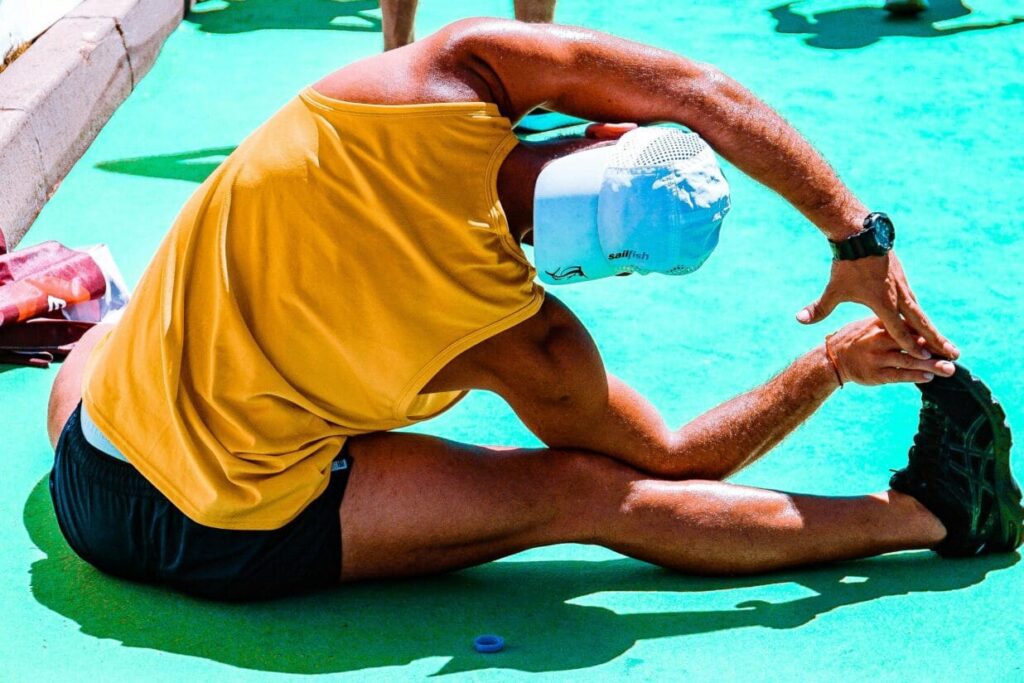
Stretching prepares your body for physical activity, enhancing flexibility and decreasing soreness. In some cases, it can even be a standalone exercise. Regular stretching can increase your range of motion for each muscle group by up to 2.4 degrees weekly.
The core comprises around 35 muscles, all located around your spleen. Exercising these areas can promote better muscle blood flow in the region and relieve localized pain. Start with simple workouts like quadrupeds and planks while constantly checking for complications or pain. If you’re up for it, switch to more demanding routines like advanced side bridges or alternating crunches.
Take your time with each routine. There’s no reason to speed things up just yet. Make sure you’re comfortable with the workout before upping the pace. Even then, maintain a cautious tempo. Frequently break to check how you are feeling.
Your body loses a lot of water and electrolytes during exercise. Without replenishing lost fluids, you can quickly start to feel tired and dehydrated. Drinking water is the best way to stay energized throughout your routine and prevent muscle soreness. Staying hydrated is also essential for maximizing recovery times..
Working out multiple times a day is not ideal for healthy individuals, let alone for people suffering from splenomegaly. Exercising strains your muscles and you must allow proper recovery before going again.
Running, contact sports, and weightlifting are a no-go when coping with an enlarged spleen. These activities could exacerbate your condition and prolong the healing process. It is also commonly recommended that you avoid contact sports during this time, as any blunt force trauma can rupture the sensitive organ. While a rare complication of an enlarged spleen, a splenic rupture can cause hemorrhage that can occur after trauma, but can also happen spontaneously.
Steer clear of sports that involve person-to-person contact, as even a caught elbow or shoulder to the belly can cause the rupture. Sports are also often avoided by those with mono, due to its infectious nature.
During workouts, your body uses more oxygen and produces more carbon dioxide. You’ll need to compensate for this extra demand by increasing your respiratory rate to above 20 breaths per minute. Remember to slowly inhale through your nose and exhale through your mouth to help you better release muscle tension.
If you experience any symptoms such as abdominal pain, tenderness, or swelling during or after exercise, do not ignore them. These could be indicators of spleen-related complications and require immediate medical attention.
Exercise is great for the body and mind, but only when done safely. If you’re coping with splenomegaly but want to achieve a full workout, only do so after carefully considering your body’s limitations. By following these dos and don’ts, you can maintain a safe and effective exercise routine while minimizing the risk of complications. Remember to consult your doctor before starting any new regimen, especially while enduring a concerning health condition, and listen to your body’s signals to ensure a safe experience.
If you’ve experienced side effects or medication issues related to this topic, we want to hear from you.
Submit Your StoryDISCLAIMER: MedShadow provides information and resources related to medications, their effects, and potential side effects. However, it is important to note that we are not a substitute for professional medical advice, diagnosis, or treatment. The content on our site is intended for educational and informational purposes only. Individuals dealing with medical conditions or symptoms should seek guidance from a licensed healthcare professional, such as a physician or pharmacist, who can provide personalized medical advice tailored to their specific circumstances.
While we strive to ensure the accuracy and reliability of the information presented on MedShadow, we cannot guarantee its completeness or suitability for any particular individual’s medical needs. Therefore, we strongly encourage users to consult with qualified healthcare professionals regarding any health-related concerns or decisions. By accessing and using MedShadow, you acknowledge and agree that the information provided on the site is not a substitute for professional medical advice and that you should always consult with a qualified healthcare provider for any medical concerns.

Help fund our fight for improved medication safety and transparency by supporting our independent journalism.
Give NowWe seek to create a world where there are safer medications for all and where all people are fully informed about their medication benefits and side effects, using our explanatory and investigative journalism to both inform and stimulate public discussion to drive toward solutions.
Stream our library on demand, including insights on generic drugs and pain management, straight from experts.
WATCH NOWMedShadow.org is dedicated to empowering people with our evidence-based journalism about the safest ways to take over-the-counter (OTC) and prescription (Rx) medications.
We also seek to stimulate public discussion about potential improvements to drug research, manufacturing and distribution processes. and also to encourage the improvement of processes to ensure that we are all better protected.
As a result, we encourage other nonprofit newsrooms, mission-aligned outlets, and advocacy organizations to republish our original content under the following conditions:
1. We Are Credited Fully and Clearly
You must include the byline and credit MedShadow.org as the original publisher. Please include a link to the original article at the top or bottom of the piece. Use the following attribution:
This article was originally published by MedShadow, a nonprofit foundation that focuses on the safest ways to take over-the-counter and prescription medications.
2. Our Content Isn’t Edited Without Permission
You may make small changes for clarity, such as adjusting headlines, subheadings, or transitions, but you may not change the core meaning, tone, or intent of the article. For substantive edits, email us at republish@medshadow.org for review and approval.
3. You Do Not Sell Or Use Our Content Commercially
Our work is free to share, but it may not be sold, monetized, or repurposed for commercial gain. You may not republish our articles behind a paywall or in publications whose primary purpose is advertising or product promotion. You may not place drug or supplement advertising adjacent to our story.
4. Photos, Graphics, and Multimedia Are Not Used Without Permission
Only the text of the article is available for republication. Images, graphics, and videos may not be reused without explicit written permission, unless they are clearly marked as Creative Commons licensed. Contact us if you’d like to request reuse of a visual asset.
If you’re unsure whether your intended use falls within these guidelines, or would like to discuss a formal syndication or licensing arrangement, please email: republish@medshadow.org
We want our journalism to reach as many people as possible, especially those making critical decisions about medications and health.
For website editors
Copy the article body, including its formatting and links, then paste it into your publishing system. Add the byline and required credit described in these guidelines.
<!-- wp:paragraph -->
<p><a href="https://medshadow.org/exercise-for-different-diseases/" target="_blank" rel="noreferrer noopener">Exercise is a prescription for just about any condition</a> due to its extensive health benefits. However, when it comes to exercising with an enlarged <a href="https://medshadow.org/what-to-know-about-your-spleen-and-whether-you-can-live-without-it/" target="_blank" rel="noreferrer noopener">spleen</a>, you’ll need to be extra careful, as intense physical activities can make things considerably worse.</p>
<!-- /wp:paragraph -->
<!-- wp:heading -->
<h2 class="wp-block-heading"><strong>What’s an Enlarged Spleen? </strong></h2>
<!-- /wp:heading -->
<!-- wp:paragraph -->
<p>The medical term for this condition is “splenomegaly.” It’s a condition where a patient has a larger-than-normal spleen, as the name implies. The spleen is a vital organ located under the left ribcage and is crucial in filtering blood and fighting infection. </p>
<!-- /wp:paragraph -->
<!-- wp:embed {"url":"https://youtu.be/bL7lUv0E7oY","type":"video","providerNameSlug":"youtube","responsive":true,"className":"wp-embed-aspect-16-9 wp-has-aspect-ratio"} -->
<figure class="wp-block-embed is-type-video is-provider-youtube wp-block-embed-youtube wp-embed-aspect-16-9 wp-has-aspect-ratio"><div class="wp-block-embed__wrapper">
https://youtu.be/bL7lUv0E7oY
</div></figure>
<!-- /wp:embed -->
<!-- wp:paragraph -->
<p>Around <a href="https://bestpractice.bmj.com/topics/en-us/895" target="_blank" rel="noreferrer noopener">3% of the general population</a> are living with an enlarged spleen. However, an enlarged spleen can also be a symptom of the infectious viral disease, mononucleosis (mono). While it is not permanent, people with mono may experience an enlarged spleen <a href="https://www.ncbi.nlm.nih.gov/pmc/articles/PMC4000473/#:~:text=Peak%20splenic%20enlargement%20was%20typically,in%204%20to%206%20weeks.&text=The%20long%20incubation%20period%20and,onset%20of%20illness%20a%20challenge." target="_blank" rel="noreferrer noopener">for up to four to six weeks</a>. Around <a href="https://www.uptodate.com/contents/infectious-mononucleosis-mono-in-adults-and-adolescents-beyond-the-basics#:~:text=It%20becomes%20enlarged%20in%20about,but%20can%20also%20happen%20spontaneously." target="_blank" rel="noreferrer noopener">50% of persons with mono</a> suffer from an enlarged spleen.</p>
<!-- /wp:paragraph -->
<!-- wp:acf/subscribe-box {"name":"acf/subscribe-box","data":[],"mode":"preview"} /-->
<!-- wp:paragraph -->
<p>While there are no typical telltale symptoms, splenomegaly can cause pain in the left upper belly, lower your red blood count, and increase vulnerability to rapid infections. As the spleen gets bigger, it can press against your stomach, making you feel full even without eating. </p>
<!-- /wp:paragraph -->
<!-- wp:heading -->
<h2 class="wp-block-heading"><strong>Exercising Safely With Splenomegaly</strong></h2>
<!-- /wp:heading -->
<!-- wp:paragraph -->
<p>An abnormally large spleen can be sensitive and prone to injury, making certain workouts and routines particularly risky. With the right approach, you can still maintain healthy exercises while minimizing the chances of complications. Follow these dos and don’ts to help you stay active and safe when exercising with an enlarged spleen.</p>
<!-- /wp:paragraph -->
<!-- wp:heading {"level":3} -->
<h3 class="wp-block-heading"><strong>Stretch Before Workouts</strong></h3>
<!-- /wp:heading -->
<!-- wp:paragraph -->
<p>Stretching prepares your body for physical activity, enhancing flexibility and decreasing soreness. In some cases, it can even be a standalone exercise. Regular stretching can increase your range of motion for each muscle group <a href="https://medshadow.org/exercises-for-pain/" target="_blank" rel="noreferrer noopener">by up to 2.4 degrees</a> weekly. </p>
<!-- /wp:paragraph -->
<!-- wp:heading {"level":3} -->
<h3 class="wp-block-heading"><strong>Focus on Your Core Muscles </strong></h3>
<!-- /wp:heading -->
<!-- wp:paragraph -->
<p>The core <a href="https://www.sportsmd.com/core/#:~:text=The%20Core%20is%20composed%20of,muscles%2C%20and%20the%20hip%20muscles." target="_blank" rel="noreferrer noopener">comprises around 35 muscles</a>, all located around your spleen. Exercising these areas can promote better muscle blood flow in the region and relieve localized pain. Start with simple workouts like quadrupeds and planks while constantly checking for complications or pain. If you’re up for it, switch to more demanding routines like advanced side bridges or alternating crunches. </p>
<!-- /wp:paragraph -->
<!-- wp:heading {"level":3} -->
<h3 class="wp-block-heading"><strong>Perform Exercises Slowly </strong></h3>
<!-- /wp:heading -->
<!-- wp:paragraph -->
<p>Take your time with each routine. There’s no reason to speed things up just yet. Make sure you’re comfortable with the workout before upping the pace. Even then, maintain a cautious tempo. Frequently break to check how you are feeling.</p>
<!-- /wp:paragraph -->
<!-- wp:heading {"level":3} -->
<h3 class="wp-block-heading"><strong>Stay Hydrated</strong></h3>
<!-- /wp:heading -->
<!-- wp:paragraph -->
<p>Your body loses a lot of water and electrolytes during exercise. Without replenishing lost fluids, you can quickly start to feel tired and dehydrated. Drinking water is the <a href="https://5bridgeshealthandfitness.com/blog/how-to-exercise-safely/" target="_blank" rel="noreferrer noopener">best way to stay energized</a> throughout your routine and prevent muscle soreness. Staying hydrated is also essential for maximizing recovery times..</p>
<!-- /wp:paragraph -->
<!-- wp:heading {"level":3} -->
<h3 class="wp-block-heading"><strong>Don’t Overdo It</strong></h3>
<!-- /wp:heading -->
<!-- wp:paragraph -->
<p>Working out multiple times a day is not ideal for healthy individuals, let alone for people suffering from splenomegaly. Exercising strains your muscles and you must allow proper recovery before going again.</p>
<!-- /wp:paragraph -->
<!-- wp:heading {"level":3} -->
<h3 class="wp-block-heading"><strong>Avoid Strenuous Activities</strong></h3>
<!-- /wp:heading -->
<!-- wp:paragraph -->
<p>Running, contact sports, and weightlifting are a no-go when coping with an enlarged spleen. These activities could exacerbate your condition and prolong the healing process. It is also commonly recommended that you avoid contact sports during this time, as any blunt force trauma can rupture the sensitive organ. While a rare complication of an enlarged spleen, a splenic rupture can cause hemorrhage that can occur after trauma, but can also happen spontaneously.</p>
<!-- /wp:paragraph -->
<!-- wp:paragraph -->
<p>Steer clear of sports that involve person-to-person contact, as even a caught elbow or shoulder to the belly can cause the rupture. Sports are also often avoided by those with mono, due to its infectious nature.</p>
<!-- /wp:paragraph -->
<!-- wp:heading {"level":3} -->
<h3 class="wp-block-heading"><strong>Don’t Forget to Breathe </strong></h3>
<!-- /wp:heading -->
<!-- wp:paragraph -->
<p>During workouts, your body uses more oxygen and produces more carbon dioxide. You’ll need to compensate for this extra demand by increasing your respiratory rate <a href="https://www.ncbi.nlm.nih.gov/pmc/articles/PMC10224217/#:~:text=2.-,During%20Exercise,proper%20elimination%20of%20waste%20products." target="_blank" rel="noreferrer noopener">to above 20 breaths</a> per minute. Remember to slowly inhale through your nose and exhale through your mouth to help you better release muscle tension.</p>
<!-- /wp:paragraph -->
<!-- wp:heading {"level":3} -->
<h3 class="wp-block-heading"><strong>Don’t Ignore Warning Signs</strong></h3>
<!-- /wp:heading -->
<!-- wp:paragraph -->
<p>If you experience any symptoms such as abdominal pain, tenderness, or swelling during or after exercise, do not ignore them. These could be indicators of spleen-related complications and require immediate medical attention.</p>
<!-- /wp:paragraph -->
<!-- wp:heading -->
<h2 class="wp-block-heading"><strong>Avoid Complications When Exercising with an Enlarged Spleen</strong></h2>
<!-- /wp:heading -->
<!-- wp:paragraph -->
<p>Exercise is great for the body and mind, but only when done safely. If you’re coping with splenomegaly but want to achieve a full workout, only do so after carefully considering your body’s limitations. By following these dos and don’ts, you can maintain a safe and effective exercise routine while minimizing the risk of complications. Remember to consult your doctor before starting any new regimen, especially while enduring a concerning health condition, and listen to your body’s signals to ensure a safe experience.</p>
<!-- /wp:paragraph -->We think it’s invaluable — and hope you agree. Our work is made possible by donations from readers like you.
We think it’s invaluable — and hope you agree. Our journalism is made possible by donations from readers like you.
As a nonprofit, we don’t take a dime from pharmaceutical or supplement companies. That means we can report on the benefits, risks, and alternatives to prescription and over-the-counter drugs free from corporate pressure or influence.
No comments yet. Be the first to comment!
We've noticed that you're interested in this topic. Would you read a dedicated newsletter about it?