
Photo: Shutterstock
The latest recall adds to growing safety concerns surrounding compounded glutathione, promoted as an injectable treatment for skin lightening and other unproven effects

Photo: Shutterstock
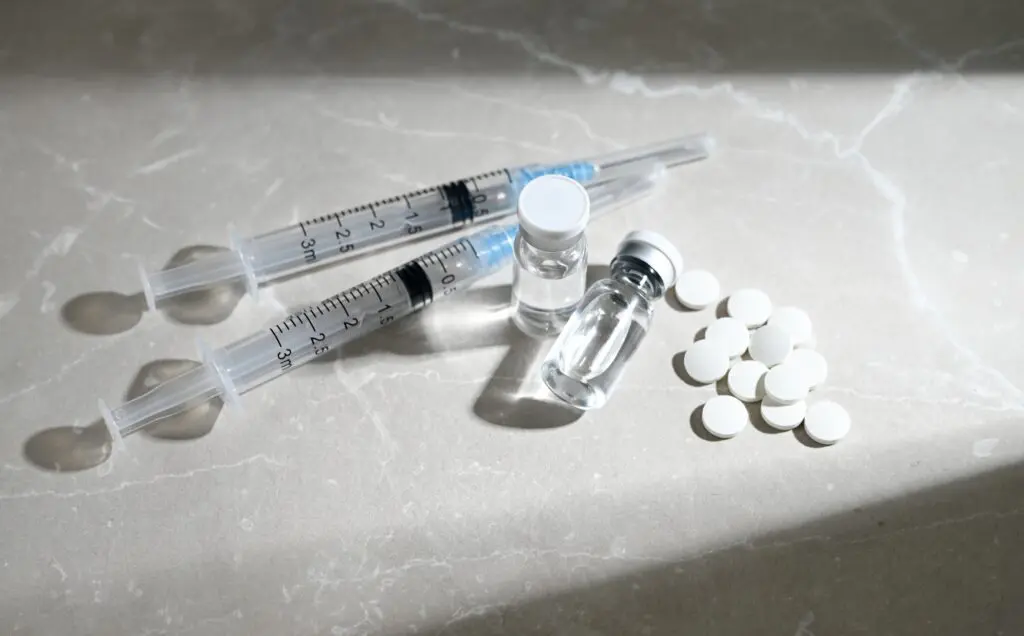
On October 1, 2026, the FDA posted a notice that a Texas pharmacy was recalling 10 lots of injectable glutathione because the vials may contain elevated levels of bacterial endotoxin (bacterial components that can trigger serious inflammatory reactions). The recall follows reports of two people requiring emergency department care and is the fourth involving a Texas pharmacy in less than two months.
Greenwich Rx, a compounding pharmacy in Tomball, Texas, said the recalled injections were intended for subcutaneous use (under the skin), but the two people who required emergency care had received the product intravenously.
In the recall notice, the company said: “injectable products with elevated endotoxin levels could cause significant medical events including fevers, hypotension, inflammatory reactions, anaphylactic shock and death.”
The recalled lots are:
Anyone with a recalled vial should stop using it, the company said.
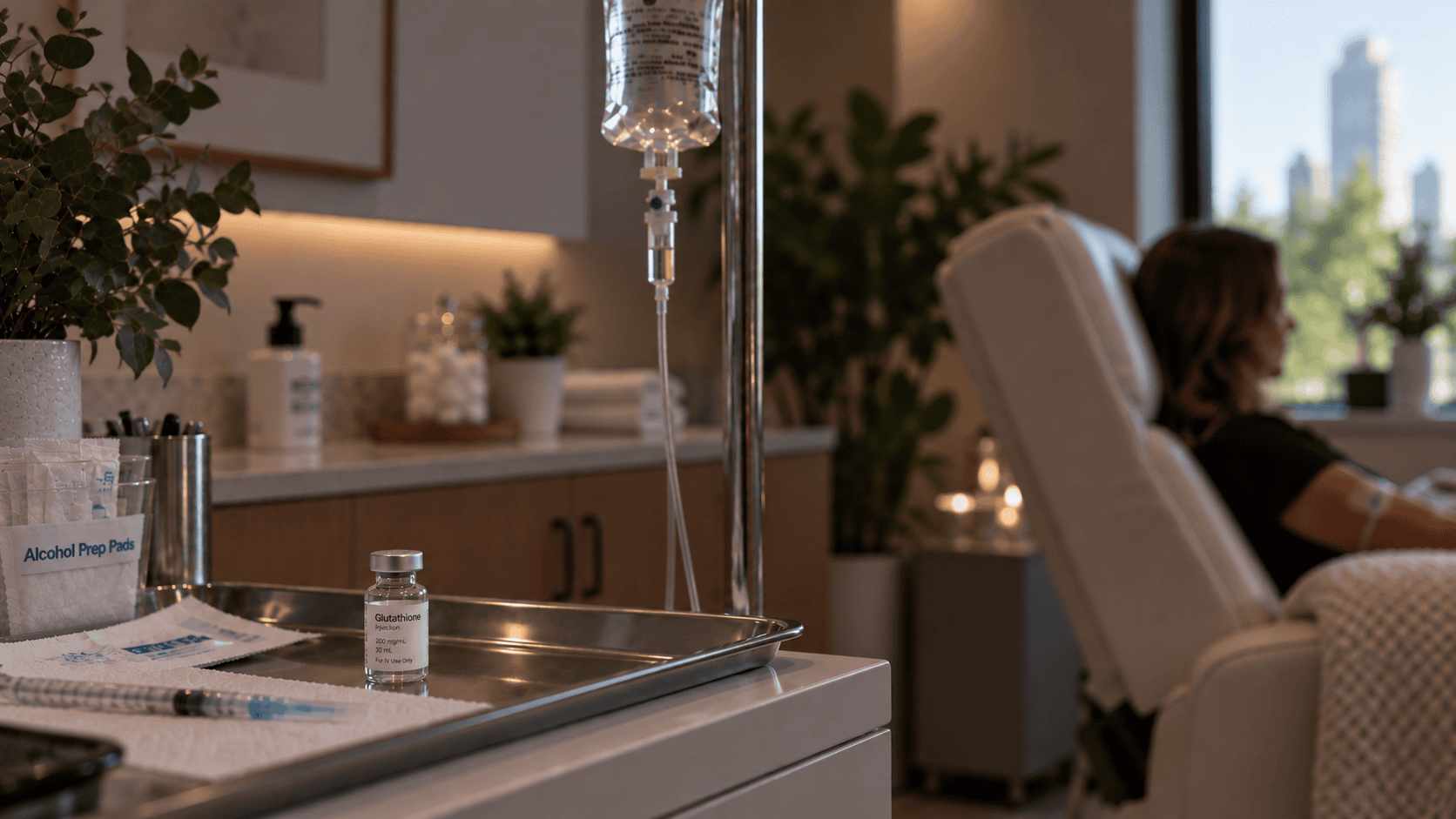
Medical spas often promote glutathione “drips” for purported skin-rejuvenating and skin-lightening effects. However, no FDA-approved glutathione product exists, and high-quality studies have not shown that injected glutathione can lighten skin.
Despite the lack of FDA approval, compounding pharmacies can still legally make and distribute glutathione, along with certain peptides and other bulk substances, under specific conditions. Glutathione is among the bulk drug substances the FDA is evaluating for compounding use, and the agency’s interim policy generally allows qualifying pharmacies to continue compounding it while that review is underway.
This regulatory loophole has led to an explosion in compounding pharmacy activity, which doctors say increases the risk of manufacturing lapses that create safety problems.
Independent reporting on drug recalls, medication safety and integrative health, including supplements. No pharma funding.
“Now when we start talking about compounding pharmacies, the standards have changed. They’re not [well] regulated,” says Nima Majlesi, D.O.., director of medical toxicology at Staten Island University Hospital, Northwell Health. “So the risk then becomes you’re using something that could have contamination… [which] could have an adverse outcome.”
The Greenwich Rx recall is the latest in a string of safety issues related to compounded
medications. At least three other Texas pharmacies, Victory Medical Center Pharmacy, Optimal Balance Pharmacy and Centric Compounding, have recalled glutathione, according to the CDC.
As of Sept. 15, the CDC has received reports of more than 25 people sickened in at least four states: Texas, Washington, Florida and New York. At least three were hospitalized.
Earlier, in August, the FDA said it had received reports of at least 30 people who experienced adverse events after receiving intravenous glutathione. The injections came from several compounding pharmacies, all of which sourced their glutathione from Medisca Inc. The ingredient was labeled for use in dietary supplements, not for injection.
Despite little convincing evidence that glutathione injections can lighten skin, the treatment has gained traction in the beauty and wellness industry, partly fueled by social media.
“Trendiness on social media is definitely a driver for public interest,” says Alexis Carrington, M.D., a board-certified dermatologist in Washington, D.C. “Cultural beauty standards that favor lighter skin tones can also contribute to interest and can reinforce colorism. Patients should be cautious of marketing that promises dramatic or permanent results, particularly when those claims aren’t supported by strong clinical evidence.”
Dr. Majlesi notes that glutathione’s popularity has also grown as doctors tout its antioxidant effects.
“Glutathione is something that’s become popular in the past few years with all the biohacking and the alternative kind of medication industry kind of taking off,” he says. But “it’s probably [not] all that bioavailable to begin with. There are ways to boost your glutathione levels without actually injecting glutathione that are probably healthier.”
Beyond the risk of contamination during manufacturing, it’s unclear whether injectable glutathione itself is safe because it has not been evaluated in high-quality studies.
In theory, the drug should be relatively harmless if it were made in a properly equipped facility and given in a sterile environment, Dr. Majlesi says. However, Dr. Carrington notes there have been some case reports suggesting possible injuries, including anaphylaxis and severe cutaneous adverse reactions such as Stevens-Johnson syndrome.
“Even though these reports don’t determine how frequently these complications happen or prove that glutathione caused every case, it raises important safety concerns, especially when the treatment is being considered for cosmetic benefit,” Dr. Carrington says.
People determined to visit medical spas should keep the risks in mind and ask questions before treatment, says Toral Vaidya, M.D., a board-certified dermatologist in New York City.
“People go to these med spas and think it’s like getting your hair or nails done, but there are so many other risks,” Dr. Vaidya says. “The biggest risk to having anything administered intravenously is that it may not be clinical grade, and you don’t know what pharmacy it came through.”
Both Dr. Vaidya and Dr. Carrington agree that anyone visiting a medical spa should first ask exactly what ingredients are in the infusion; it could contain more than glutathione. Consumers should also ask whether a licensed physician is on site and whether a licensed pharmacy made the product. Consumers should disclose any medical conditions before the infusion and ask for an after-hours emergency number if something goes wrong, Dr. Vaidya adds.
“Some emergent symptoms after an injection include difficulty breathing, fever, chills, swelling of the face or throat, fainting, or a severe or blistering rash. These should prompt urgent medical evaluation,” Dr. Carrington says.
For people seeking glutathione injections for cosmetic or general wellness purposes, the potential risks may outweigh the unproven benefits, Dr. Majlesi says. “If there’s no evidence for benefit, then there’s only potential for risk.”
DISCLAIMER: MedShadow provides information and resources related to medications, their effects, and potential side effects. However, it is important to note that we are not a substitute for professional medical advice, diagnosis, or treatment. The content on our site is intended for educational and informational purposes only. Individuals dealing with medical conditions or symptoms should seek guidance from a licensed healthcare professional, such as a physician or pharmacist, who can provide personalized medical advice tailored to their specific circumstances.
While we strive to ensure the accuracy and reliability of the information presented on MedShadow, we cannot guarantee its completeness or suitability for any particular individual’s medical needs. Therefore, we strongly encourage users to consult with qualified healthcare professionals regarding any health-related concerns or decisions. By accessing and using MedShadow, you acknowledge and agree that the information provided on the site is not a substitute for professional medical advice and that you should always consult with a qualified healthcare provider for any medical concerns.
Help fund our fight for improved medication safety and transparency by supporting our independent journalism.
Give NowWe seek to create a world where there are safer medications for all and where all people are fully informed about their medication benefits and side effects, using our explanatory and investigative journalism to both inform and stimulate public discussion to drive toward solutions.
MedShadow.org is dedicated to empowering people with our evidence-based journalism about the safest ways to take over-the-counter (OTC) and prescription (Rx) medications.
We also seek to stimulate public discussion about potential improvements to drug research, manufacturing and distribution processes. and also to encourage the improvement of processes to ensure that we are all better protected.
As a result, we encourage other nonprofit newsrooms, mission-aligned outlets, and advocacy organizations to republish our original content under the following conditions:
1. We Are Credited Fully and Clearly
You must include the byline and credit MedShadow.org as the original publisher. Please include a link to the original article at the top or bottom of the piece. Use the following attribution:
This article was originally published by MedShadow, a nonprofit foundation that focuses on the safest ways to take over-the-counter and prescription medications.
2. Our Content Isn’t Edited Without Permission
You may make small changes for clarity, such as adjusting headlines, subheadings, or transitions, but you may not change the core meaning, tone, or intent of the article. For substantive edits, email us at republish@medshadow.org for review and approval.
3. You Do Not Sell Or Use Our Content Commercially
Our work is free to share, but it may not be sold, monetized, or repurposed for commercial gain. You may not republish our articles behind a paywall or in publications whose primary purpose is advertising or product promotion. You may not place drug or supplement advertising adjacent to our story.
4. Photos, Graphics, and Multimedia Are Not Used Without Permission
Only the text of the article is available for republication. Images, graphics, and videos may not be reused without explicit written permission, unless they are clearly marked as Creative Commons licensed. Contact us if you’d like to request reuse of a visual asset.
If you’re unsure whether your intended use falls within these guidelines, or would like to discuss a formal syndication or licensing arrangement, please email: republish@medshadow.org
We want our journalism to reach as many people as possible, especially those making critical decisions about medications and health.
For website editors
Copy the article body, including its formatting and links, then paste it into your publishing system. Add the byline and required credit described in these guidelines.
<!-- wp:paragraph --> <p>On October 1, 2026, the FDA <a href="https://www.fda.gov/safety/recalls-market-withdrawals-safety-alerts/greenwich-rx-issues-voluntary-nationwide-recall-compounded-glutathione-due-elevated-endotoxin-levels">posted a notice</a> that a Texas pharmacy was recalling 10 lots of injectable glutathione because the vials may contain elevated levels of bacterial endotoxin (bacterial components that can trigger serious inflammatory reactions). The recall follows reports of two people requiring emergency department care and is the fourth involving a Texas pharmacy <a href="https://medshadow.org/drug-updates-recalls/fda-recalls-and-warnings/amazon-acetaminophen-millions-of-eye-drops-compounded-glutathione/">in less than two months</a>.</p> <!-- /wp:paragraph --> <!-- wp:paragraph --> <p>Greenwich Rx, a compounding pharmacy in Tomball, Texas, said the recalled injections were intended for subcutaneous use (under the skin), but the two people who required emergency care had received the product intravenously.</p> <!-- /wp:paragraph --> <!-- wp:paragraph --> <p>In the recall notice, the company said: “injectable products with elevated endotoxin levels could cause significant medical events including fevers, hypotension, inflammatory reactions, anaphylactic shock and death.”</p> <!-- /wp:paragraph --> <!-- wp:paragraph --> <p>The recalled lots are: </p> <!-- /wp:paragraph --> <!-- wp:list --> <ul class="wp-block-list"><!-- wp:list-item --> <li>0060-062426-1</li> <!-- /wp:list-item --> <!-- wp:list-item --> <li>0060-062726-1</li> <!-- /wp:list-item --> <!-- wp:list-item --> <li>0060-070926-1</li> <!-- /wp:list-item --> <!-- wp:list-item --> <li>0060-071426-1 </li> <!-- /wp:list-item --> <!-- wp:list-item --> <li>0060-071426-2 </li> <!-- /wp:list-item --> <!-- wp:list-item --> <li>0060-072026-1 </li> <!-- /wp:list-item --> <!-- wp:list-item --> <li>0060-072726-1 </li> <!-- /wp:list-item --> <!-- wp:list-item --> <li>0060-072926-1 </li> <!-- /wp:list-item --> <!-- wp:list-item --> <li>0060-073126-1 </li> <!-- /wp:list-item --> <!-- wp:list-item --> <li>0060-080426-1 </li> <!-- /wp:list-item --></ul> <!-- /wp:list --> <!-- wp:paragraph --> <p>Anyone with a recalled vial should stop using it, the company said.</p> <!-- /wp:paragraph --> <!-- wp:heading --> <h2 class="wp-block-heading">How Can Pharmacies Compound Glutathione Without FDA Approval?</h2> <!-- /wp:heading --> <!-- wp:paragraph --> <p>Medical spas often promote glutathione “drips” for purported skin-rejuvenating and skin-lightening effects. However, no FDA-approved glutathione product exists, and high-quality studies have not shown that injected glutathione can lighten skin.</p> <!-- /wp:paragraph --> <!-- wp:paragraph --> <p>Despite the lack of FDA approval, compounding pharmacies <a href="https://www.fda.gov/drugs/human-drug-compounding/bulk-drug-substances-used-compounding-under-section-503a-fdc-act">can still legally make and distribute</a> glutathione, along with certain peptides and other bulk substances, under specific conditions. Glutathione is among the bulk drug substances the FDA is evaluating for compounding use, and the agency's <a href="https://www.fda.gov/drugs/human-drug-compounding/bulk-drug-substances-used-compounding-under-section-503a-fdc-act">interim policy</a> generally allows qualifying pharmacies to continue compounding it while that review is underway.</p> <!-- /wp:paragraph --> <!-- wp:paragraph --> <p>This regulatory loophole has led to an explosion in compounding pharmacy activity, which doctors say increases the risk of manufacturing lapses that create safety problems.</p> <!-- /wp:paragraph --> <!-- wp:paragraph --> <p>“Now when we start talking about compounding pharmacies, the standards have changed. They’re not [well] regulated,” says <a href="https://health.usnews.com/doctors/nima-majlesi-645516">Nima Majlesi,</a> D.O.., director of medical toxicology at Staten Island University Hospital, Northwell Health. “So the risk then becomes you’re using something that could have contamination… [which] could have an adverse outcome.”</p> <!-- /wp:paragraph --> <!-- wp:paragraph --> <p>The Greenwich Rx recall is the latest in a string of safety issues related to compounded </p> <!-- /wp:paragraph --> <!-- wp:paragraph --> <p>medications. At least three other Texas pharmacies, Victory Medical Center Pharmacy, Optimal Balance Pharmacy and Centric Compounding, have recalled glutathione, according to the CDC.</p> <!-- /wp:paragraph --> <!-- wp:paragraph --> <p>As of Sept. 15, the <a href="https://www.cdc.gov/healthcare-associated-infections/current-situation/index.html">CDC has received reports</a> of more than 25 people sickened in at least four states: Texas, Washington, Florida and New York. At least three were hospitalized. </p> <!-- /wp:paragraph --> <!-- wp:paragraph --> <p>Earlier, in August, <a href="https://www.fda.gov/drugs/human-drug-compounding/fda-reminds-compounders-not-use-dietary-supplement-grade-glutathione-injectables">the FDA said</a> it had received reports of at least 30 people who experienced adverse events after receiving intravenous glutathione. The injections came from several compounding pharmacies, all of which sourced their glutathione from Medisca Inc. The ingredient was labeled for use in dietary supplements, not for injection.</p> <!-- /wp:paragraph --> <!-- wp:heading --> <h2 class="wp-block-heading">Unsubstantiated Wellness Claims and Safety Concerns</h2> <!-- /wp:heading --> <!-- wp:paragraph --> <p>Despite little convincing evidence that glutathione injections can lighten skin, the treatment has gained traction in the beauty and wellness industry, partly fueled by social media.</p> <!-- /wp:paragraph --> <!-- wp:paragraph --> <p>“Trendiness on social media is definitely a driver for public interest,” says <a href="https://health.usnews.com/doctors/alexis-carrington-2554348">Alexis Carrington, M.D.</a>, a board-certified dermatologist in Washington, D.C. “Cultural beauty standards that favor lighter skin tones can also contribute to interest and can reinforce colorism. Patients should be cautious of marketing that promises dramatic or permanent results, particularly when those claims aren’t supported by strong clinical evidence.”</p> <!-- /wp:paragraph --> <!-- wp:paragraph --> <p>Dr. Majlesi notes that glutathione’s popularity has also grown as doctors tout its antioxidant effects.</p> <!-- /wp:paragraph --> <!-- wp:paragraph --> <p>“Glutathione is something that’s become popular in the past few years with all the biohacking and the alternative kind of medication industry kind of taking off,” he says. But “it’s probably [not] all that bioavailable to begin with. There are ways to boost your glutathione levels without actually injecting glutathione that are probably healthier.”</p> <!-- /wp:paragraph --> <!-- wp:paragraph --> <p>Beyond the risk of contamination during manufacturing, it’s unclear whether injectable glutathione itself is safe because it has not been evaluated in high-quality studies.</p> <!-- /wp:paragraph --> <!-- wp:paragraph --> <p>In theory, the drug should be relatively harmless if it were made in a properly equipped facility and given in a sterile environment, Dr. Majlesi says. However, Dr. Carrington notes there have been some <a href="https://academic.oup.com/jbcr/article-abstract/46/3/652/8064631?redirectedFrom=fulltext">case reports</a> suggesting possible injuries, including anaphylaxis and severe cutaneous adverse reactions <a href="https://medshadow.org/drug-updates-recalls/drug-safety/stevens-johnson-syndrome-symptoms-causes-treatment/">such as Stevens-Johnson syndrome</a>.</p> <!-- /wp:paragraph --> <!-- wp:paragraph --> <p>“Even though these reports don’t determine how frequently these complications happen or prove that glutathione caused every case, it raises important safety concerns, especially when the treatment is being considered for cosmetic benefit,” Dr. Carrington says.</p> <!-- /wp:paragraph --> <!-- wp:heading --> <h2 class="wp-block-heading">What To Ask Before Glutathione Treatment</h2> <!-- /wp:heading --> <!-- wp:paragraph --> <p>People determined to visit medical spas should keep the risks in mind and ask questions before treatment, says <a href="https://www.mdcsnyc.com/provider/toral-vaidya-md-mph">Toral Vaidya, M.D</a>., a board-certified dermatologist in New York City.</p> <!-- /wp:paragraph --> <!-- wp:paragraph --> <p>“People go to these med spas and think it’s like getting your hair or nails done, but there are so many other risks,” Dr. Vaidya says. “The biggest risk to having anything administered intravenously is that it may not be clinical grade, and you don’t know what pharmacy it came through.”</p> <!-- /wp:paragraph --> <!-- wp:paragraph --> <p>Both Dr. Vaidya and Dr. Carrington agree that anyone visiting a medical spa should first ask exactly what ingredients are in the infusion; it could contain more than glutathione. Consumers should also ask whether a licensed physician is on site and whether a licensed pharmacy made the product. Consumers should disclose any medical conditions before the infusion and ask for an after-hours emergency number if something goes wrong, Dr. Vaidya adds. </p> <!-- /wp:paragraph --> <!-- wp:paragraph --> <p>“Some emergent symptoms after an injection include difficulty breathing, fever, chills, swelling of the face or throat, fainting, or a severe or blistering rash. These should prompt urgent medical evaluation,” Dr. Carrington says.</p> <!-- /wp:paragraph --> <!-- wp:paragraph --> <p>For people seeking glutathione injections for cosmetic or general wellness purposes, the potential risks may outweigh the unproven benefits, Dr. Majlesi says. “If there’s no evidence for benefit, then there’s only potential for risk.”</p> <!-- /wp:paragraph -->
We think it’s invaluable — and hope you agree. Our work is made possible by donations from readers like you.
We think it’s invaluable — and hope you agree. Our journalism is made possible by donations from readers like you.
As a nonprofit, we don’t take a dime from pharmaceutical or supplement companies. That means we can report on the benefits, risks, and alternatives to prescription and over-the-counter drugs free from corporate pressure or influence.
We've noticed that you're interested in this topic. Would you read a dedicated newsletter about it?