
Your body depends largely on the liver for its overall well-being. The liver breaks down nutrients in your foods and flushes out harmful substances.Over time, certain things we consume and health conditions can overwhelm the liver and interfere with its normal function, leading to a range of liver diseases, including:
Independent reporting on drug recalls, medication safety and integrative health, including supplements. No pharma funding.

While conventional liver disease treatments, including traditional pharmaceuticals, immunotherapy, surgical resection, and liver transplant, have their merits, there is a growing interest in natural remedies for liver health. As patients become more aware of the harmful side effects of some medications, many of which can damage your liver, alternative solutions are becoming more popular.
These herbal options below are best for:
These natural alternatives are considered safer and gentler on the body compared to pharmaceutical interventions. However, it is recommended that you visit and be prescribed by herbal practitioners who are registered with an appropriate governing body. In the U.S., these practitioners are regulated by each individual state. However, the American Herbalist Guild can provide assistance in selecting qualified candidates on its site. Internationally, the World Health Organization (WHO) operates an “International Regulatory Cooperation for Herbal Medicines (IRCH)” which has been charged, since 2006, to “protect and promote public health and safety through improved regulation for herbal medicines.”
According to the site, “membership is open to any national regulatory authority responsible for the regulation of herbal medicines and regional/sub-regional bodies responsible for the regulation of herbal medicine.”
It should also be noted that the Food and Drug Administration (FDA) does not regulate vitamins, herbs, and supplements. This may mean some products do not have what they claim in them, and instead may have fillers or even dangerous drugs. Working with your healthcare professional, especially when combining herbal treatments with pharmaceuticals, to determine what products are safest for you.
Let’s discuss five natural options, what research says about them, and how to infuse them into your daily life.
Green tea is primarily made by steaming or pan-frying the leaves of the Camellia sinensis plant.
Green tea is a standard natural recommendation for various health conditions—including weight loss, type-2 diabetes, and liver disorder.
The catechins, a type of phenolic compound very abundant in tea, particularly epigallocatechin gallate (EGCG), have been the subject of reviews on natural remedies for liver diseases for its antioxidant characteristics.
In one study, a 500 mg daily dose of green tea extract (not a tea itself) administered for 90 days significantly reduced liver damage in 80 patients with nonalcoholic fatty liver disease (NAFLD).
Another study that administered the same dose of extract over a 12-week week recorded significant improvement in fatty liver and liver inflammation.
Some researchers also suggest green tea may prevent various liver diseases, including hepatitis, liver cancer, chronic liver disease, fatty liver, and cirrhosis.
Here’s a typical green tea preparation guide:
Drink a cup of your green tea formula each morning and/or evening, but be sure not to go overboard with any additional green tea products. A cup of tea will provide between 50 and 100 mg of extract. The noted study provided 500 mg of green tea extract daily.

Excessive green tea intake, which is typically any amount over 500 mg daily, has been linked to gastrointestinal concerns, including constipation and diarrhea.
Green tea can also cause side effects due to the caffeine naturally found in the herb. These can include anxiety, tremors, irritability, and sleeping problems. Such effects are more likely if you are typically sensitive to caffeine or take larger than recommended doses of the herb. However, side effects are less common with green tea than with other drinks that have caffeine.
For those with diabetes or on any prescription medications, it is recommended to speak to your healthcare provider before adding any green tea extracts to your daily
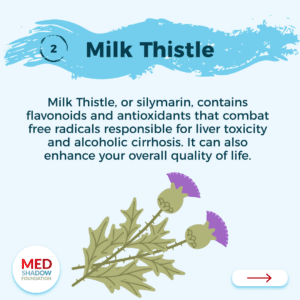
Milk Thistle, or Silymarin, is another promising natural remedy to improve your liver health. The plant, which has been used for over 2000 years to manage bile duct and liver issues, may contain liver-protective properties.
In a 2014 study, researchers conclude that milk thistle contains flavonoids and antioxidants that combat free radicals responsible for liver toxicity. The authors found that milk thistle may help the liver fight against alcoholic cirrhosis and enhance patients’ overall quality of life.
Overall, the supplement has been shown to prevent the elevation of liver enzymes, which can assist in lowering cholesterol when taken alongside statins.
You can find milk thistle in powder and capsules for more convenient dosing. Use as recommended on product labels.
Although Milk thistle is adjudged well tolerated and safe even in high doses, medical guidance is advised. You should always speak to a healthcare provider before introducing a new supplement to your routine.
Some of the short-term effects of milk thistle may include allergic reactions, such as hives, especially when used topically. However, the supplement is generally recommended for oral consumption to help with liver health. Other short-term side effects may include abdominal pain associated with diarrhea and bloating. Other patients may experience muscle cramps.
Those with endometriosis or lower blood sugar levels may find that milk thistle aggravates these conditions.
Milk thistle is not recommended to those who are pregnant or nursing. The herb can also interact with drugs like estrogen pills, statin drugs, which are known to lower cholesterol levels, and diabetes medications. Ask your doctor if taking this supplement is acceptable for you. Be sure to tell them all of the medications you are currently taking, including prescription drugs, over-the-counter medications, herbs, supplements, and vitamins.
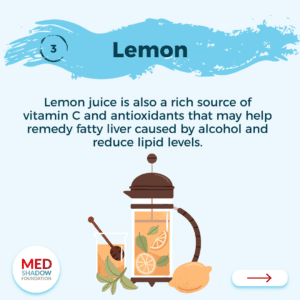
Lemon juice is a rich source of vitamin C and antioxidants. Its rich antioxidant profile protects your body from free radicals, improving your liver health.
In a study on mice, researchers discovered that lemon juice helped remedy fatty liver caused by alcohol and reduces lipid levels. While reviewing the mice, it was discovered lemon juice’s role in reducing severe alcohol-induced liver damage was an effect attributed to its antioxidant properties.
Here’s a quick lemon recipe you can try to incorporate more lemon into your diet:
You can also add lemon easily to water, teas, dressings, and seafoods to boost flavor and add more of the fruit into your diet.
Due to its acidity levels, lemon juice may not be ideal for persons with stomach ulcers or other sensitive health concerns. It can irritate those with GERD or acid reflux due to the acidity. Other effects included heartburn, vomiting, and nausea.
Tamarind, a tropical fruit with a tangy flavor, is traditionally used across Asia and Africa for liver concerns. Its pulp contains polyphenols and flavonoids, key compounds that may help reduce liver inflammation and oxidative stress associated with fatty liver and other liver disease.
Tamarind may also reduce liver fat accumulation and help reverse NAFLD, according to studies on rats.
An experiment on hamsters with excessive cholesterol levels revealed that tamarind fruits could significantly cut down triglycerides, bad cholesterol (LDL), and overall cholesterol levels, which are key contributors to fatty liver disease.
Incorporating tamarind into your diet may help you manage your liver health.
You can incorporate the fruit to make tamarind tea:
Tamarind also is made into a paste (much like tomato paste) to incorporate the ingredient easily into soups, stews, or spicy dishes.

While tamarind is generally safe for consumption, excessive intake may cause diarrhea, constipation, stomach pain, and other digestive discomforts. It may also affect your sugar levels. Those with diabetes or insulin-resistant conditions, such as some polycystic ovarian syndrome (PCOS) patients should consult their healthcare professional before adding the ingredient into their diets. Tamarind pulp has been found to improve insulin sensitivity, but may impact those with such conditions differently than those persons without PCOS or diabetes.
The use of moderate doses (about 10 grams per day or less) may be best, and don’t forget to discuss with your healthcare provider if you notice any strange changes or side effects that come along with your doses.
Turmeric, a vibrant yellow spice commonly used in cooking and traditional medicine, has gained attention for its potential benefits in managing liver disease.
The active compound in turmeric, called curcumin, is believed to be responsible for its therapeutic properties. Curcumin, a compound rich in antioxidants, anti-inflammatory and anti-cancer properties, places the herb among the top natural alternatives for liver disease.
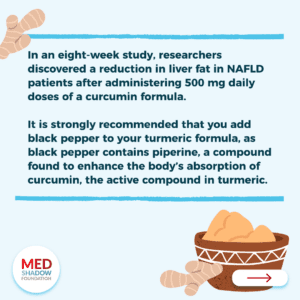
In an 8-week study, researchers discovered a reduction in liver fat in NAFLD patients after administering 500 mg daily doses of a curcumin formula.
It is strongly recommended that you add black pepper to your turmeric formula, as black pepper contains piperine, a compound found to enhance the body’s absorption of curcumin, the active compound in turmeric. Some supplements come with both ingredients already in them, while many recipes in the Indian culture combine the two into tasty food combinations.
When researchers administered a combination of 500 mg curcumin and 5 mg piperine daily for 12 weeks to 70 NAFLD patients, they reported reductions in bad cholesterol and markers of inflammation, two key contributors to liver disease.
Remember to add a dash of black pepper to your turmeric formula, if it does not already have some. A pinch (or two) of black pepper will help your body to utilize its potential benefits better. You can incorporate turmeric powder or fresh turmeric root into cooking. For culinary applications, turmeric is often infused into curries.
For a more concentrated and more potent application, consider this turmeric tea recipe:
This recipe is an excellent way to kick-start your morning routine each day and add more of the supplement into your diet.
Though it can be a tasty addition to any number of dishes, avoid going overboard with your turmeric doses as it may cause stomach upset, dizziness, diarrhea, or nausea.
In addition to your doctor, you can opt to also seek to discuss additions of turmeric (or other supplements) with a naturopath or clinical herbalist for continuous and safe dosing levels.
Whether you’ve been diagnosed with liver disease already or are just trying to keep your liver in shape, these herbal remedies are great options.
However, if there is no significant improvement after these remedies, you should follow-up again with your physician as more traditional medications may still be required. These options can help your liver conditions, but a doctor may be able to provide a more comprehensive and tailored diet plan and medications that will fit your unique, individual needs.
It’s always best to involve a healthcare professional in your treatment plan, even if you choose to go the herbal route. They can provide personalized advice, monitor your condition, and ensure the treatment aligns with your healthcare goals.
If you’ve experienced side effects or medication issues related to this topic, we want to hear from you.
Submit Your StoryDISCLAIMER: MedShadow provides information and resources related to medications, their effects, and potential side effects. However, it is important to note that we are not a substitute for professional medical advice, diagnosis, or treatment. The content on our site is intended for educational and informational purposes only. Individuals dealing with medical conditions or symptoms should seek guidance from a licensed healthcare professional, such as a physician or pharmacist, who can provide personalized medical advice tailored to their specific circumstances.
While we strive to ensure the accuracy and reliability of the information presented on MedShadow, we cannot guarantee its completeness or suitability for any particular individual’s medical needs. Therefore, we strongly encourage users to consult with qualified healthcare professionals regarding any health-related concerns or decisions. By accessing and using MedShadow, you acknowledge and agree that the information provided on the site is not a substitute for professional medical advice and that you should always consult with a qualified healthcare provider for any medical concerns.
Help fund our fight for improved medication safety and transparency by supporting our independent journalism.
Give NowWe seek to create a world where there are safer medications for all and where all people are fully informed about their medication benefits and side effects, using our explanatory and investigative journalism to both inform and stimulate public discussion to drive toward solutions.
Stream our library on demand, including insights on generic drugs and pain management, straight from experts.
WATCH NOWMedShadow.org is dedicated to empowering people with our evidence-based journalism about the safest ways to take over-the-counter (OTC) and prescription (Rx) medications.
We also seek to stimulate public discussion about potential improvements to drug research, manufacturing and distribution processes. and also to encourage the improvement of processes to ensure that we are all better protected.
As a result, we encourage other nonprofit newsrooms, mission-aligned outlets, and advocacy organizations to republish our original content under the following conditions:
1. We Are Credited Fully and Clearly
You must include the byline and credit MedShadow.org as the original publisher. Please include a link to the original article at the top or bottom of the piece. Use the following attribution:
This article was originally published by MedShadow, a nonprofit foundation that focuses on the safest ways to take over-the-counter and prescription medications.
2. Our Content Isn’t Edited Without Permission
You may make small changes for clarity, such as adjusting headlines, subheadings, or transitions, but you may not change the core meaning, tone, or intent of the article. For substantive edits, email us at republish@medshadow.org for review and approval.
3. You Do Not Sell Or Use Our Content Commercially
Our work is free to share, but it may not be sold, monetized, or repurposed for commercial gain. You may not republish our articles behind a paywall or in publications whose primary purpose is advertising or product promotion. You may not place drug or supplement advertising adjacent to our story.
4. Photos, Graphics, and Multimedia Are Not Used Without Permission
Only the text of the article is available for republication. Images, graphics, and videos may not be reused without explicit written permission, unless they are clearly marked as Creative Commons licensed. Contact us if you’d like to request reuse of a visual asset.
If you’re unsure whether your intended use falls within these guidelines, or would like to discuss a formal syndication or licensing arrangement, please email: republish@medshadow.org
We want our journalism to reach as many people as possible, especially those making critical decisions about medications and health.
For website editors
Copy the article body, including its formatting and links, then paste it into your publishing system. Add the byline and required credit described in these guidelines.
<!-- wp:paragraph -->
<p>Your body depends largely on the liver for its overall well-being. The liver breaks down nutrients in your foods and flushes out harmful substances.Over time, certain things we consume and health conditions can overwhelm the liver and interfere with its normal function, leading to a <a href="https://www.niddk.nih.gov/health-information/liver-disease" target="_blank" rel="noreferrer noopener">range of liver diseases</a>, including:</p>
<!-- /wp:paragraph -->
<!-- wp:list -->
<ul class="wp-block-list"><!-- wp:list-item -->
<li>Nonalcoholic fatty liver disease (NAFLD)</li>
<!-- /wp:list-item -->
<!-- wp:list-item -->
<li>Alcoholic liver disease</li>
<!-- /wp:list-item -->
<!-- wp:list-item -->
<li>Cirrhosis</li>
<!-- /wp:list-item -->
<!-- wp:list-item -->
<li><a href="https://medshadow.org/hepatitis-drug-side-effects/" target="_blank" rel="noreferrer noopener">Hepatitis</a></li>
<!-- /wp:list-item -->
<!-- wp:list-item -->
<li>Liver failure</li>
<!-- /wp:list-item -->
<!-- wp:list-item -->
<li>Liver cancer</li>
<!-- /wp:list-item --></ul>
<!-- /wp:list -->
<!-- wp:acf/subscribe-box {"name":"acf/subscribe-box","data":[],"mode":"preview"} /-->
<!-- wp:image {"id":1120,"sizeSlug":"full","linkDestination":"none","align":"right"} -->
<figure class="wp-block-image alignright size-full"><img src="https://medshadow.org/wp-content/uploads/2025/09/1-cirrhosis-induced-deaths-300x300-1.png" alt="" class="wp-image-1120"/><figcaption class="wp-element-caption">Cirrhosis Induced Deaths in the US</figcaption></figure>
<!-- /wp:image -->
<!-- wp:paragraph -->
<p>While conventional liver disease treatments, including traditional pharmaceuticals, immunotherapy, surgical resection, and liver transplant, have their merits, there is a growing interest in natural remedies for liver health. As patients become more aware of <a href="https://medshadow.org/liver-damage-medications/" target="_blank" rel="noreferrer noopener">the harmful side effects of some medications</a>, many of which can damage your liver, <a href="https://www.ncbi.nlm.nih.gov/pmc/articles/PMC3887317/#:~:text=The%20increasing%20utilization%20of%20herbs,ii)%20fear%20of%20possible%20misdiagnosis" target="_blank" rel="noreferrer noopener">alternative solutions are becoming more popular</a>. </p>
<!-- /wp:paragraph -->
<!-- wp:paragraph -->
<p>These herbal options below are best for:</p>
<!-- /wp:paragraph -->
<!-- wp:list -->
<ul class="wp-block-list"><!-- wp:list-item -->
<li>The prevention of liver diseases</li>
<!-- /wp:list-item -->
<!-- wp:list-item -->
<li>Reversal/reduction of early stages of liver concerns, such as fatty liver</li>
<!-- /wp:list-item -->
<!-- wp:list-item -->
<li>Collaborative treatment with conventional liver treatment prescriptions.</li>
<!-- /wp:list-item --></ul>
<!-- /wp:list -->
<!-- wp:paragraph -->
<p>These natural <a href="https://theconversation.com/which-is-deadlier-herbal-remedies-or-conventional-medicines-74498#:~:text=Herbal%20medicines%20are%20relatively%20safe,with%20an%20appropriate%20governing%20body." target="_blank" rel="noreferrer noopener">alternatives are considered safer and gentler on the body compared to pharmaceutical interventions</a>. However, it is recommended that you visit and be prescribed by herbal practitioners who are registered with an appropriate governing body. In the U.S., these practitioners are regulated by each individual state. However,<a href="https://www.americanherbalistsguild.com/legal-and-regulatory-faqs" target="_blank" rel="noreferrer noopener"> the American Herbalist Guild</a> can provide assistance in selecting qualified candidates on its site. Internationally, the World Health Organization (WHO) operates an “<a href="https://www.who.int/initiatives/international-regulatory-cooperation-for-herbal-medicines" target="_blank" rel="noreferrer noopener">International Regulatory Cooperation for Herbal Medicines</a> (IRCH)” which has been charged, since 2006, to “protect and promote public health and safety through improved regulation for herbal medicines.”</p>
<!-- /wp:paragraph -->
<!-- wp:paragraph -->
<p>According to the site, “membership is open to any national regulatory authority responsible for the regulation of herbal medicines and regional/sub-regional bodies responsible for the regulation of herbal medicine.”</p>
<!-- /wp:paragraph -->
<!-- wp:paragraph -->
<p>It should also be noted that the Food and Drug Administration (FDA) does not regulate vitamins, herbs, and supplements. This may mean some products do not have what they claim in them, and instead may have fillers or even dangerous drugs. Working with your healthcare professional, especially when combining herbal treatments with pharmaceuticals, to determine what products are safest for you.</p>
<!-- /wp:paragraph -->
<!-- wp:paragraph -->
<p>Let’s discuss five natural options, what research says about them, and how to infuse them into your daily life.</p>
<!-- /wp:paragraph -->
<!-- wp:heading -->
<h2 class="wp-block-heading">Green Tea for Liver Health</h2>
<!-- /wp:heading -->
<!-- wp:paragraph -->
<p>Green tea is primarily made by steaming or pan-frying the leaves of the Camellia sinensis plant. </p>
<!-- /wp:paragraph -->
<!-- wp:paragraph -->
<p>Green tea is a standard natural recommendation for various health conditions—including weight loss, type-2 diabetes, and liver disorder.</p>
<!-- /wp:paragraph -->
<!-- wp:paragraph -->
<p>The catechins, a type of phenolic compound very abundant in tea, particularly epigallocatechin gallate (EGCG), have been the subject of reviews on natural remedies for liver diseases for its antioxidant characteristics. </p>
<!-- /wp:paragraph -->
<!-- wp:paragraph -->
<p>In <a href="https://www.ncbi.nlm.nih.gov/pmc/articles/PMC4763469/" target="_blank" rel="noreferrer noopener">one study</a>, a 500 mg daily dose of green tea extract (not a tea itself) administered for 90 days significantly reduced liver damage in 80 patients with nonalcoholic fatty liver disease (NAFLD).</p>
<!-- /wp:paragraph -->
<!-- wp:paragraph -->
<p><a href="https://www.ncbi.nlm.nih.gov/pmc/articles/PMC5648967/" target="_blank" rel="noreferrer noopener">Another study</a> that administered the same dose of extract over a 12-week week recorded significant improvement in fatty liver and liver inflammation.</p>
<!-- /wp:paragraph -->
<!-- wp:paragraph -->
<p>Some researchers also suggest green tea may <a href="https://www.ncbi.nlm.nih.gov/pmc/articles/PMC4538013/" target="_blank" rel="noreferrer noopener">prevent various liver diseases</a>, including hepatitis, liver cancer, chronic liver disease, fatty liver, and cirrhosis.</p>
<!-- /wp:paragraph -->
<!-- wp:paragraph -->
<p>Here’s a typical green tea preparation guide:</p>
<!-- /wp:paragraph -->
<!-- wp:list -->
<ul class="wp-block-list"><!-- wp:list-item -->
<li>Drop a bag of green tea in a cup of hot water</li>
<!-- /wp:list-item -->
<!-- wp:list-item -->
<li>Leave for at least 2 minutes before removing the tea bag</li>
<!-- /wp:list-item -->
<!-- wp:list-item -->
<li>You may add a few drops of lemon (or honey) to improve its taste and effect</li>
<!-- /wp:list-item -->
<!-- wp:list-item -->
<li>Serve hot</li>
<!-- /wp:list-item --></ul>
<!-- /wp:list -->
<!-- wp:paragraph -->
<p>Drink a cup of your green tea formula each morning and/or evening, but be sure not to go overboard with any additional green tea products. A cup of tea will provide between 50 and 100 mg of extract. The noted study provided 500 mg of green tea extract daily.</p>
<!-- /wp:paragraph -->
<!-- wp:image {"id":1121,"sizeSlug":"full","linkDestination":"none","align":"right"} -->
<figure class="wp-block-image alignright size-full"><img src="https://medshadow.org/wp-content/uploads/2025/09/3-green-tea-facts-300x300-1.png" alt="" class="wp-image-1121"/><figcaption class="wp-element-caption">Benefits of Green Tea</figcaption></figure>
<!-- /wp:image -->
<!-- wp:heading -->
<h2 class="wp-block-heading">Side Effects of Green Tea</h2>
<!-- /wp:heading -->
<!-- wp:paragraph -->
<p>Excessive green tea intake, which is typically any amount over 500 mg daily, has been linked to gastrointestinal concerns, including constipation and diarrhea.</p>
<!-- /wp:paragraph -->
<!-- wp:paragraph -->
<p>Green tea can also cause side effects due to the caffeine naturally found in the herb. These can include anxiety, tremors, irritability, and sleeping problems. Such effects are more likely if you are typically sensitive to caffeine or take larger than recommended doses of the herb. However, side effects are less common with green tea than with other drinks that have caffeine.</p>
<!-- /wp:paragraph -->
<!-- wp:paragraph -->
<p>For those with diabetes or on any prescription medications, it is recommended to speak to your healthcare provider before adding any green tea extracts to your daily</p>
<!-- /wp:paragraph -->
<!-- wp:heading -->
<h2 class="wp-block-heading">Milk Thistle to Support the Liver</h2>
<!-- /wp:heading -->
<!-- wp:image {"id":1122,"sizeSlug":"full","linkDestination":"none","align":"right"} -->
<figure class="wp-block-image alignright size-full"><img src="https://medshadow.org/wp-content/uploads/2025/09/Milk-Thistle-300x300-1.png" alt="" class="wp-image-1122"/><figcaption class="wp-element-caption">Milk Thistle to Support the Liver</figcaption></figure>
<!-- /wp:image -->
<!-- wp:paragraph -->
<p>Milk Thistle, or Silymarin, is another promising natural remedy to improve your liver health. The plant, which has been <a href="https://www.ncbi.nlm.nih.gov/books/NBK65780/" target="_blank" rel="noreferrer noopener">used for over 2000 years</a> to manage bile duct and liver issues, may contain liver-protective properties.</p>
<!-- /wp:paragraph -->
<!-- wp:paragraph -->
<p>In a <a href="https://www.ncbi.nlm.nih.gov/pubmed/24672644" target="_blank" rel="noreferrer noopener">2014 study</a>, researchers conclude that milk thistle contains flavonoids and antioxidants that combat free radicals responsible for liver toxicity. The authors found that milk thistle may help the liver fight against alcoholic cirrhosis and enhance patients’ overall quality of life. </p>
<!-- /wp:paragraph -->
<!-- wp:paragraph -->
<p>Overall, the supplement has been<a href="https://www.webmd.com/digestive-disorders/milk-thistle-benefits-and-side-effects#:~:text=Milk%20thistle%20can%20also%20be,side%20effect%20of%20the%20medication." target="_blank" rel="noreferrer noopener"> shown to prevent the elevation of liver enzymes</a>, which can assist in lowering cholesterol when taken alongside statins.</p>
<!-- /wp:paragraph -->
<!-- wp:paragraph -->
<p>You can find milk thistle in powder and capsules for more convenient dosing. Use as recommended on product labels.</p>
<!-- /wp:paragraph -->
<!-- wp:paragraph -->
<p>Although Milk thistle is adjudged well tolerated and <a href="https://www.ncbi.nlm.nih.gov/books/NBK548817/" target="_blank" rel="noreferrer noopener">safe even in high doses</a>, medical guidance is advised. You should always speak to a healthcare provider before introducing a new supplement to your routine.</p>
<!-- /wp:paragraph -->
<!-- wp:heading {"level":3} -->
<h3 class="wp-block-heading"><strong>Side Effects of Milk Thistle</strong></h3>
<!-- /wp:heading -->
<!-- wp:paragraph -->
<p>Some of the short-term effects of milk thistle may include allergic reactions, such as hives, especially when used topically. However, the supplement is generally recommended for oral consumption to help with liver health. Other short-term side effects may include abdominal pain associated with diarrhea and bloating. Other patients may experience muscle cramps.</p>
<!-- /wp:paragraph -->
<!-- wp:paragraph -->
<p>Those with endometriosis or lower blood sugar levels may find that milk thistle aggravates these conditions. </p>
<!-- /wp:paragraph -->
<!-- wp:paragraph -->
<p>Milk thistle is not recommended to those who are pregnant or nursing. The herb can also interact with drugs like <a href="https://medshadow.org/why-i-decided-to-use-hormone-replacement-therapy-hrt/" target="_blank" rel="noreferrer noopener">estrogen</a> pills, <a href="https://medshadow.org/the-risks-of-taking-statins/" target="_blank" rel="noreferrer noopener">statin drugs</a>, which are known <a href="https://medshadow.org/statins-need-to-know/" target="_blank" rel="noreferrer noopener">to lower cholesterol levels</a>, and <a href="https://medshadow.org/diabetes-drug-best/" target="_blank" rel="noreferrer noopener">diabetes medications</a>. Ask your doctor if taking this supplement is acceptable for you. Be sure to tell them all of the medications you are currently taking, including prescription drugs, over-the-counter medications, herbs, supplements, and vitamins.</p>
<!-- /wp:paragraph -->
<!-- wp:heading -->
<h2 class="wp-block-heading">Lemon for Your Liver</h2>
<!-- /wp:heading -->
<!-- wp:image {"id":1123,"sizeSlug":"full","linkDestination":"none","align":"right"} -->
<figure class="wp-block-image alignright size-full"><img src="https://medshadow.org/wp-content/uploads/2025/09/Lemon-300x300-1.png" alt="" class="wp-image-1123"/><figcaption class="wp-element-caption">Lemon for Your Liver</figcaption></figure>
<!-- /wp:image -->
<!-- wp:paragraph -->
<p>Lemon juice is a rich source of vitamin C and antioxidants. Its rich antioxidant profile protects your body from free radicals, improving your liver health.</p>
<!-- /wp:paragraph -->
<!-- wp:paragraph -->
<p>In a study on mice, <a href="https://www.ncbi.nlm.nih.gov/pmc/articles/PMC5439254/" target="_blank" rel="noreferrer noopener">researchers discovered</a> that lemon juice helped remedy fatty liver caused by alcohol and reduces lipid levels. While reviewing the mice, it was discovered lemon juice’s role in reducing severe alcohol-induced liver damage was an effect attributed to its antioxidant properties. </p>
<!-- /wp:paragraph -->
<!-- wp:paragraph -->
<p>Here’s a quick lemon recipe you can try to incorporate more lemon into your diet: </p>
<!-- /wp:paragraph -->
<!-- wp:list -->
<ul class="wp-block-list"><!-- wp:list-item -->
<li>Slice your lemon in halves</li>
<!-- /wp:list-item -->
<!-- wp:list-item -->
<li>Squeeze the juice from one half into your tea cup</li>
<!-- /wp:list-item -->
<!-- wp:list-item -->
<li>Add water</li>
<!-- /wp:list-item -->
<!-- wp:list-item -->
<li>Add a teaspoon of honey (or as desired) to taste</li>
<!-- /wp:list-item --></ul>
<!-- /wp:list -->
<!-- wp:paragraph -->
<p>You can also add lemon easily to water, teas, dressings, and seafoods to boost flavor and add more of the fruit into your diet.</p>
<!-- /wp:paragraph -->
<!-- wp:heading -->
<h2 class="wp-block-heading">Side Effects of Lemon</h2>
<!-- /wp:heading -->
<!-- wp:paragraph -->
<p>Due to its acidity levels, lemon juice may not be ideal for persons with stomach ulcers or other sensitive health concerns. It can irritate those with GERD or acid reflux due to the acidity. Other effects included heartburn, vomiting, and nausea. </p>
<!-- /wp:paragraph -->
<!-- wp:heading -->
<h2 class="wp-block-heading">Tamarind for Liver Health</h2>
<!-- /wp:heading -->
<!-- wp:paragraph -->
<p>Tamarind, a tropical fruit with a tangy flavor, is traditionally used across Asia and Africa for liver concerns. Its pulp contains <a href="https://www.sciencedirect.com/science/article/pii/S2221169115300885" target="_blank" rel="noreferrer noopener">polyphenols and flavonoids</a>, key compounds that may help reduce liver inflammation and oxidative stress associated with fatty liver and other liver disease.</p>
<!-- /wp:paragraph -->
<!-- wp:paragraph -->
<p>Tamarind may also reduce <a href="https://www.ncbi.nlm.nih.gov/pmc/articles/PMC3932208/" target="_blank" rel="noreferrer noopener">liver fat accumulation</a> and help reverse NAFLD, according to studies on rats.</p>
<!-- /wp:paragraph -->
<!-- wp:paragraph -->
<p>An <a href="https://journals.plos.org/plosone/article?id=10.1371/journal.pone.0070058" target="_blank" rel="noreferrer noopener">experiment on hamsters</a> with excessive cholesterol levels revealed that tamarind fruits could significantly cut down triglycerides, bad cholesterol (LDL), and overall cholesterol levels, which are key contributors to fatty liver disease.</p>
<!-- /wp:paragraph -->
<!-- wp:paragraph -->
<p>Incorporating tamarind into your diet may help you manage your liver health.</p>
<!-- /wp:paragraph -->
<!-- wp:paragraph -->
<p>You can incorporate the fruit to make tamarind tea:</p>
<!-- /wp:paragraph -->
<!-- wp:list -->
<ul class="wp-block-list"><!-- wp:list-item -->
<li>Boil your peeled tamarinds for about 20 minutes</li>
<!-- /wp:list-item -->
<!-- wp:list-item -->
<li>Allow to cool</li>
<!-- /wp:list-item -->
<!-- wp:list-item -->
<li>Add turmeric and honey for improved taste and better effect</li>
<!-- /wp:list-item --></ul>
<!-- /wp:list -->
<!-- wp:paragraph -->
<p>Tamarind also is made into a paste (much like tomato paste) to incorporate the ingredient easily into soups, stews, or spicy dishes.</p>
<!-- /wp:paragraph -->
<!-- wp:image {"id":1124,"sizeSlug":"full","linkDestination":"none","align":"right"} -->
<figure class="wp-block-image alignright size-full"><img src="https://medshadow.org/wp-content/uploads/2025/09/4-tamarind-facts-300x300-1.png" alt="" class="wp-image-1124"/><figcaption class="wp-element-caption">The Tamarind’s Hepatoprotective Effect</figcaption></figure>
<!-- /wp:image -->
<!-- wp:heading {"level":3} -->
<h3 class="wp-block-heading"><strong>Side Effects of Tamarind</strong></h3>
<!-- /wp:heading -->
<!-- wp:paragraph -->
<p>While tamarind is generally safe for consumption, excessive intake may cause diarrhea, constipation, stomach pain, and other digestive discomforts. It may also affect your sugar levels. Those with diabetes or insulin-resistant conditions, such as some <a href="https://medshadow.org/pcos-treatment-management-and-medications/" target="_blank" rel="noreferrer noopener">polycystic ovarian syndrome (PCOS) patients</a> should consult their healthcare professional before adding the ingredient into their diets. Tamarind pulp has been <a href="https://www.healthifyme.com/blog/tamarind-for-diabetes/#:~:text=Tamarind%20pulp%20is%20rich%20in,inflammation%20and%20enhance%20cardiovascular%20health." target="_blank" rel="noreferrer noopener">found to improve insulin sensitivity</a>, but may impact those with such conditions differently than those persons without PCOS or diabetes.</p>
<!-- /wp:paragraph -->
<!-- wp:paragraph -->
<p>The use of moderate doses (about 10 grams per day or less) may be best, and don’t forget to discuss with your healthcare provider if you notice any strange changes or side effects that come along with your doses. </p>
<!-- /wp:paragraph -->
<!-- wp:heading -->
<h2 class="wp-block-heading">Turmeric to Prevent Liver Disease</h2>
<!-- /wp:heading -->
<!-- wp:paragraph -->
<p><a href="https://medshadow.org/turmeric-as-a-supplement-not-for-everyone/" target="_blank" rel="noreferrer noopener">Turmeric</a>, a vibrant yellow spice commonly used in cooking and traditional medicine, has gained attention for its potential benefits in managing liver disease. </p>
<!-- /wp:paragraph -->
<!-- wp:paragraph -->
<p>The active compound in turmeric, called curcumin, is believed to be responsible for its therapeutic properties. Curcumin, a compound rich in <a href="https://www.ncbi.nlm.nih.gov/pmc/articles/PMC6073929/" target="_blank" rel="noreferrer noopener">antioxidants, anti-inflammatory and anti-cancer properties</a>, places the herb among the top natural alternatives for liver disease. </p>
<!-- /wp:paragraph -->
<!-- wp:paragraph -->
<p>In <a href="https://pubmed.ncbi.nlm.nih.gov/27270872/" target="_blank" rel="noreferrer noopener">an 8-week study</a>, researchers discovered a reduction in liver fat in NAFLD patients after administering 500 mg daily doses of a curcumin formula.</p>
<!-- /wp:paragraph -->
<!-- wp:paragraph -->
<p>It is strongly recommended that you add black pepper to your turmeric formula, as black pepper contains piperine, a compound <a href="https://www.ncbi.nlm.nih.gov/pmc/articles/PMC5664031/" target="_blank" rel="noreferrer noopener">found to enhance the body’s absorption of curcumin</a>, the active compound in turmeric. Some supplements come with both ingredients already in them, while many recipes in the Indian culture combine the two into tasty food combinations. </p>
<!-- /wp:paragraph -->
<!-- wp:paragraph -->
<p>When researchers administered a combination of <a href="https://pubmed.ncbi.nlm.nih.gov/31168845/" target="_blank" rel="noreferrer noopener">500 mg curcumin and 5 mg piperine</a> daily for 12 weeks to 70 NAFLD patients, they reported reductions in bad cholesterol and markers of inflammation, two key contributors to liver disease. </p>
<!-- /wp:paragraph -->
<!-- wp:paragraph -->
<p>Remember to add a dash of black pepper to your turmeric formula, if it does not already have some. A pinch (or two) of black pepper will help your body to utilize its potential benefits better. You can incorporate turmeric powder or fresh turmeric root into cooking. For culinary applications, turmeric is often infused into curries.</p>
<!-- /wp:paragraph -->
<!-- wp:paragraph -->
<p>For a more concentrated and more potent application, consider this turmeric tea recipe:</p>
<!-- /wp:paragraph -->
<!-- wp:list -->
<ul class="wp-block-list"><!-- wp:list-item -->
<li>Put a pinch of turmeric powder in a teacup of hot water</li>
<!-- /wp:list-item -->
<!-- wp:list-item -->
<li>Some drops of lemon juice for enhanced taste and a more synergic effect</li>
<!-- /wp:list-item -->
<!-- wp:list-item -->
<li>Like your regular tea, serve warm</li>
<!-- /wp:list-item --></ul>
<!-- /wp:list -->
<!-- wp:paragraph -->
<p>This recipe is an excellent way to kick-start your morning routine each day and add more of the supplement into your diet.</p>
<!-- /wp:paragraph -->
<!-- wp:image {"id":1125,"sizeSlug":"full","linkDestination":"none","align":"right"} -->
<figure class="wp-block-image alignright size-full"><img src="https://medshadow.org/wp-content/uploads/2025/09/5-curcumin-facts-300x300-1.png" alt="" class="wp-image-1125"/><figcaption class="wp-element-caption">Curcumin as Hepatoprotective Compound</figcaption></figure>
<!-- /wp:image -->
<!-- wp:heading -->
<h2 class="wp-block-heading">Side Effects of Turmeric </h2>
<!-- /wp:heading -->
<!-- wp:paragraph -->
<p>Though it can be a tasty addition to any number of dishes, avoid going overboard with your turmeric doses as it may cause stomach upset, dizziness, diarrhea, or nausea.</p>
<!-- /wp:paragraph -->
<!-- wp:paragraph -->
<p>In addition to your doctor, you can opt to also seek to discuss additions of turmeric (or other supplements) with a naturopath or clinical herbalist for continuous and safe dosing levels. </p>
<!-- /wp:paragraph -->
<!-- wp:heading -->
<h2 class="wp-block-heading">When to Seek Help for Liver Disease</h2>
<!-- /wp:heading -->
<!-- wp:paragraph -->
<p>Whether you’ve been diagnosed with liver disease already or are just trying to keep your liver in shape, these herbal remedies are great options.</p>
<!-- /wp:paragraph -->
<!-- wp:paragraph -->
<p>However, if there is no significant improvement after these remedies, you should follow-up again with your physician as more traditional medications may still be required. These options can help your liver conditions, but a doctor may be able to provide a more comprehensive and tailored diet plan and medications that will fit your unique, individual needs. </p>
<!-- /wp:paragraph -->
<!-- wp:paragraph -->
<p>It’s always best to involve a healthcare professional in your treatment plan, even if you choose to go the herbal route. They can provide personalized advice, monitor your condition, and ensure the treatment aligns with your healthcare goals.</p>
<!-- /wp:paragraph -->We think it’s invaluable — and hope you agree. Our work is made possible by donations from readers like you.
We think it’s invaluable — and hope you agree. Our journalism is made possible by donations from readers like you.
As a nonprofit, we don’t take a dime from pharmaceutical or supplement companies. That means we can report on the benefits, risks, and alternatives to prescription and over-the-counter drugs free from corporate pressure or influence.
No comments yet. Be the first to comment!
We've noticed that you're interested in this topic. Would you read a dedicated newsletter about it?